What To Do With Termite Infested Wood: An Essential Guide
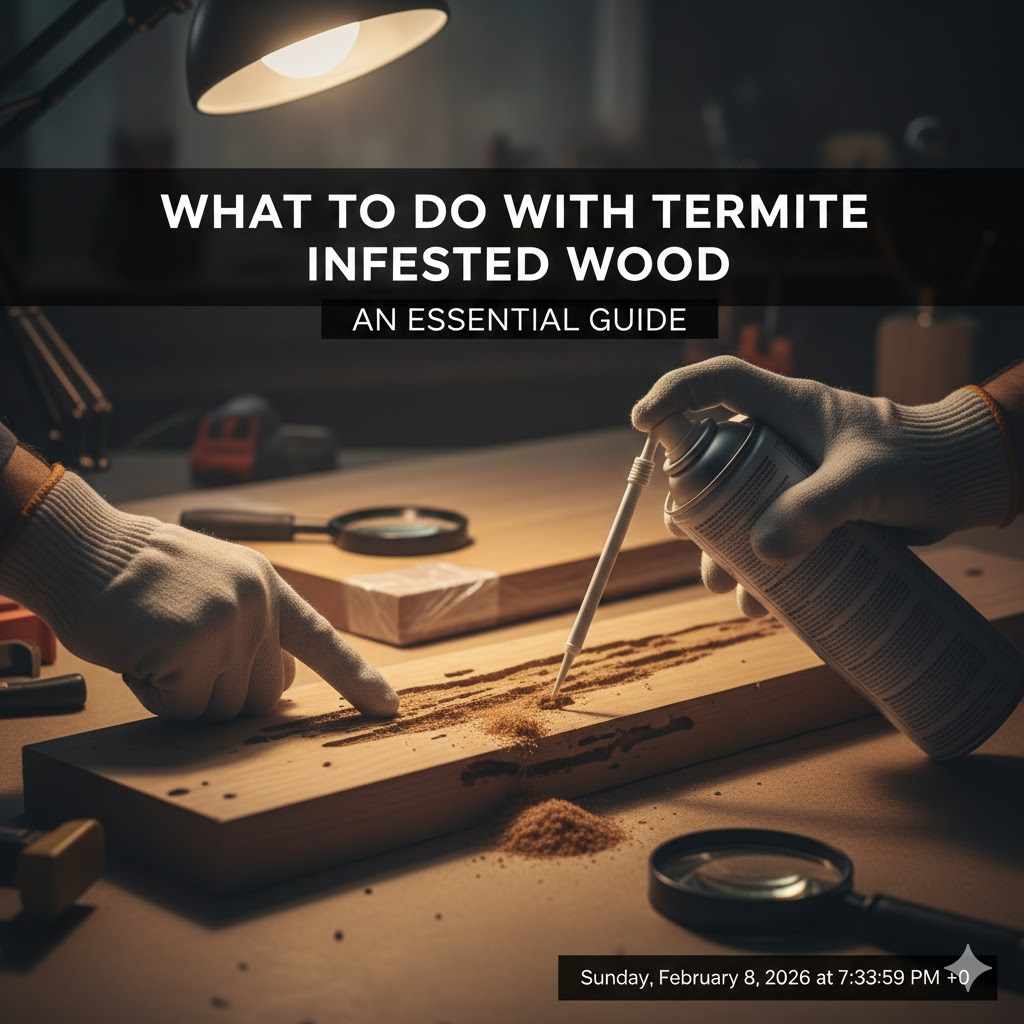
If you find termite-infested wood, you must act fast. For small items like furniture, move the piece outside and treat it with a borate solution. For wood in your home’s structure, do not attempt a DIY fix. The damage could be severe. It is best to call a professional pest control service immediately for a full inspection and treatment.
Hello, fellow makers and homeowners! It’s Md Meraj here. Finding signs of termites in a favorite piece of furniture or, even worse, in your home’s structure can feel like a real blow. It’s that sinking feeling of seeing your beautiful wood project or your sturdy home compromised. But before you panic, take a deep breath. This is a common problem, and it is absolutely manageable.
Dealing with termites is all about knowing what to look for and what steps to take. It doesn’t have to be overwhelming. In this guide, I’ll walk you through everything, step by step. We’ll cover how to spot the damage, what to do right away, and how to decide if you can save the wood. Let’s get you back in control.
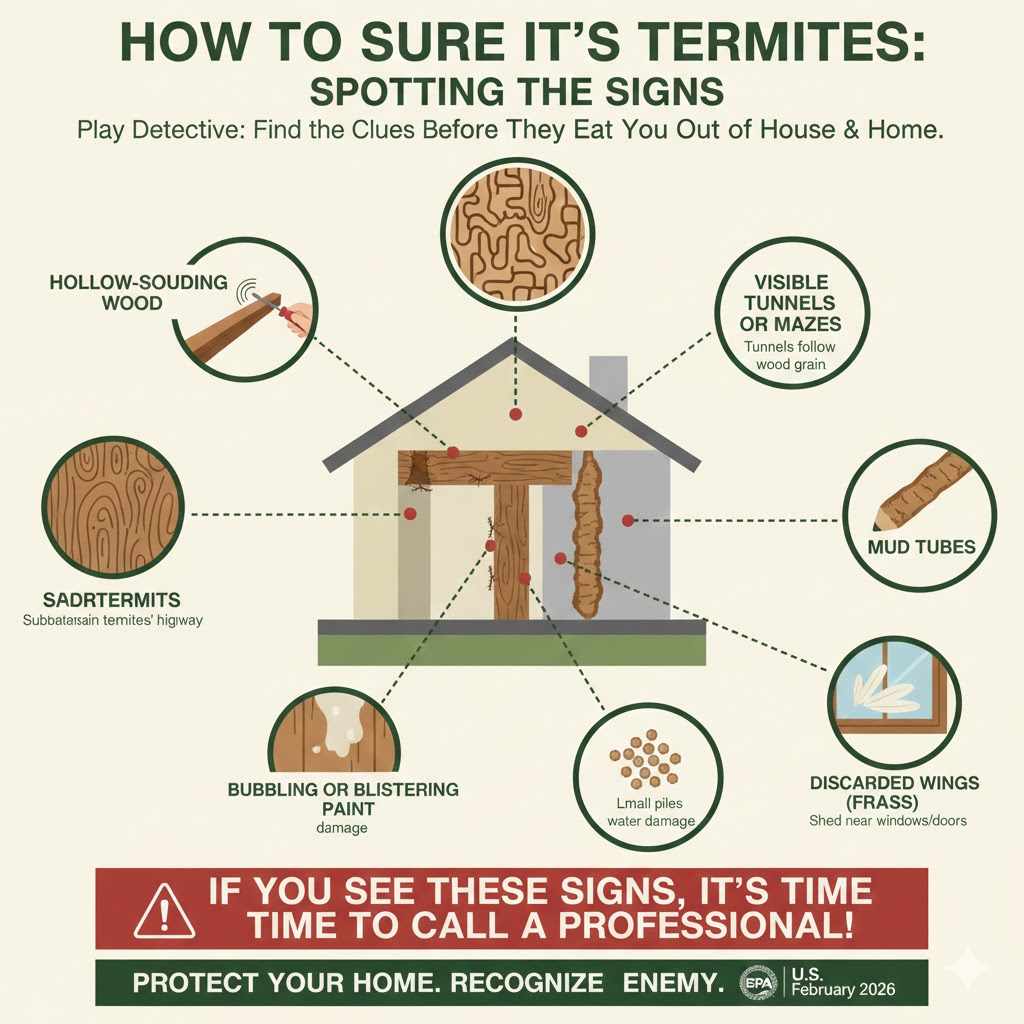
How to Be Sure It’s Termites: Spotting the Signs
Before you can decide what to do with termite-infested wood, you need to be certain you’re dealing with termites. These sneaky pests can be hard to spot, but they always leave clues behind. Grab a good flashlight and let’s play detective.
Check for These Telltale Signs:
- Hollow-Sounding Wood: This is the classic sign. Gently tap on a wooden surface with the handle of a screwdriver. If it sounds hollow or papery instead of solid, termites may have been feasting inside.
- Visible Tunnels or Mazes: Termites chew through wood, creating tunnels called “galleries.” Sometimes you can see these mazes on a broken piece of wood. They follow the grain of the wood.
- Mud Tubes: Subterranean termites, the most common type, build pencil-sized mud tubes. They use these tubes to travel from their soil colony to their food source—your wood. Look for these on foundation walls, crawl spaces, and support beams.
- Bubbling or Blistering Paint: When termites damage the wood just below a painted surface, it can cause the paint to bubble or peel. It might look like water damage, but there are no signs of a leak.
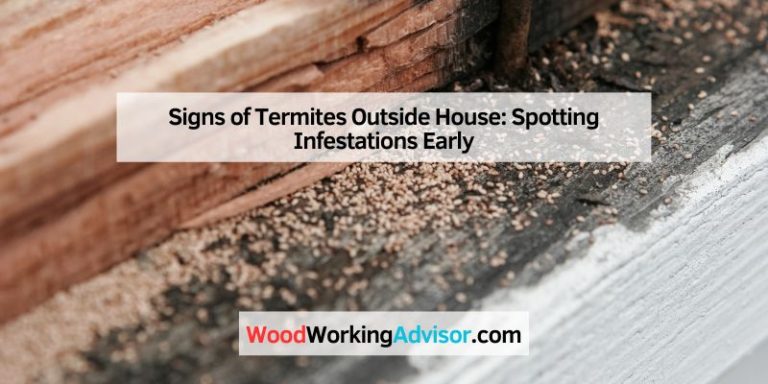
- Termite Droppings (Frass): Drywood termites push their droppings out of small holes in the wood. This frass looks like tiny, wood-colored pellets, often found in small piles.
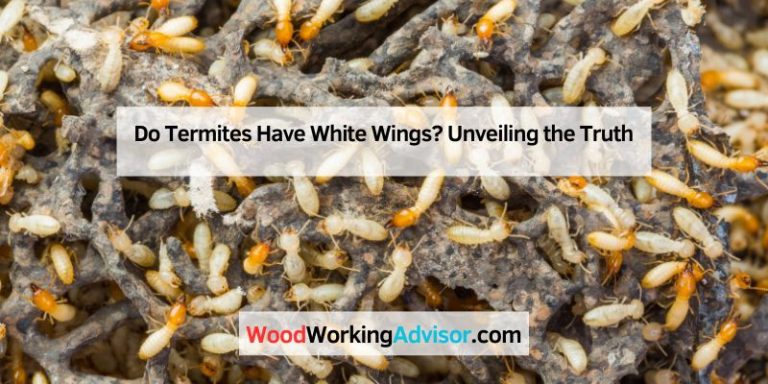
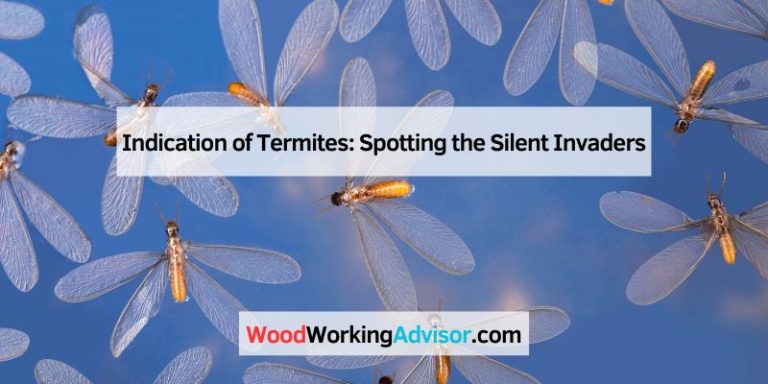
- Discarded Wings: Termites often swarm to find new places to start a colony. After they land, they shed their wings. You might find small piles of identical wings near windows, doors, or light sources.
If you see one or more of these signs, it’s time to move on to the next step. Don’t worry, we’ll tackle this together.
Found Termites? Here Is Your Immediate Action Plan
Okay, so you’ve confirmed you have termites. The key now is to act calmly and purposefully. What you do in the next few minutes and hours can make a big difference in controlling the problem.
- Do Not Panic: It’s easy to feel overwhelmed, but remember that termite damage happens over time. A calm approach will help you make better decisions.
- Isolate the Wood (If Possible): If the infestation is in a movable piece of furniture, like a chair or a small table, carefully move it outside. Place it away from your house, garage, or any other wooden structures to prevent the termites from spreading.
- Do Not Disturb the Colony in Your Home: If the damage is in your walls, floors, or beams, do not break open the wood or spray it with over-the-counter bug spray. This will likely just cause the termites to move to another area of your house, making them harder for a professional to find and treat.
- Take Photos: Document the damage you see. Take clear pictures of the mud tubes, damaged wood, and any frass or wings you find. This will be very helpful when you talk to a pest control expert.
How Bad Is It? Assessing the Level of Damage
Once you’ve taken immediate action, you need to figure out how serious the infestation is. This will help you decide if you can treat the wood yourself or if you need to call in a professional. All you need is a screwdriver or an awl to gently probe the wood.
Gently Probe the Wood
Press the tip of your screwdriver into the suspicious area. How does it feel?
- Minor Damage: The wood feels mostly solid. The screwdriver might sink in a little, but it doesn’t go through easily. You might see some surface tunnels, but the core of the wood is still strong. This is more common in non-structural wood or new infestations.
- Severe Damage: The wood feels soft and spongy. The screwdriver goes in easily, and you might hear a crumbling or crackling sound. The wood may look fine on the outside, but the inside is almost completely hollowed out. This is a major red flag, especially in structural beams.
This simple test helps you understand if the wood has lost its structural integrity. Use this table as a quick guide.
| Type of Damage | What It Looks Like | What It Feels Like | Recommended Action |
|---|---|---|---|
| Minor / Superficial | Small tunnels on the surface, no major crumbling. Wood still looks mostly intact. | Feels mostly solid when probed. Resists the screwdriver. | Good candidate for DIY treatment (for non-structural items only). |
| Severe / Structural | Wood is crumbling, extensively tunneled, and may have a layered or “eaten” look. | Feels soft, spongy, or completely hollow. Screwdriver sinks in with little effort. | Must be addressed by a professional. The wood will likely need replacement. |
A good rule of thumb: If the wood is part of your house’s frame, floor, or roof, always assume the damage is serious and call a professional from an organization like the NPMA. Your home’s safety is the top priority.
Option 1: Treating Lightly Infested Wood (The DIY Route)
So you’ve found a light infestation in a piece of furniture or a decorative wood item. Great! This is something you can often handle yourself. DIY treatments work best for isolated items where the termites are contained. Here are a few simple and effective methods.
Method 1: Borate Treatment
Borates are salt-based minerals that are toxic to termites but have low toxicity for humans and pets. They soak into the wood and act as a long-term poison and repellent. This is my go-to method for treating salvageable wood.
- Get a Borate Product: You can find borate powder (often sold as disodium octaborate tetrahydrate) online or at home improvement stores.
- Mix the Solution: Follow the package directions. You’ll typically mix the powder with water in a bucket until it’s fully dissolved.
- Apply to Bare Wood: Borates need to soak into the wood fibers, so they won’t work on painted, stained, or sealed wood. You’ll need to sand or strip the finish off first.
- Coat Generously: Use a paintbrush or a spray bottle to apply the solution to all surfaces of the wood. Pay extra attention to any cracks, holes, or tunnels you see. Apply a second coat after the first one has dried.
- Let it Dry: Allow the wood to dry completely for at least 24-48 hours before you apply a new paint or sealant. The borate treatment will remain in the wood, protecting it for years.
Method 2: Heat or Cold Treatment
Termites are sensitive to extreme temperatures. This method is free, but it depends on your climate and the size of the item.
- Sunlight: On a hot, sunny day, place the infested item outside on a driveway or patio. Cover it with a clear plastic tarp to trap the heat. The goal is to get the wood’s core temperature above 120°F (49°C) for at least 30 minutes. This will cook the termites inside.
- Freezing: For smaller items, you can try freezing them. Place the item in a large freezer for 2-3 days. This is effective but only practical for small wooden objects.
Method 3: Beneficial Nematodes
If you prefer a natural, chemical-free approach, consider beneficial nematodes. These are microscopic, worm-like organisms that are natural parasites of termites and other soil pests. You can buy them at garden supply stores or online. Simply mix them with water and apply them to the soil around the affected wood (best for outdoor items like fence posts). The nematodes will hunt down and kill the termites.
Option 2: Removing and Replacing Severely Damaged Wood
Sometimes, the wood is just too damaged to save. If you’ve found a severe infestation, especially in a structural part of your home, treatment isn’t enough. The compromised wood must be removed and replaced to ensure your home is safe.
Why You Should Not DIY Structural Repairs
I am a huge advocate for DIY, but this is one area where I draw a hard line. Replacing a load-bearing beam, floor joist, or wall stud is a complex job. A mistake could compromise the safety of your entire house. Pest control professionals and carpenters have the training to:
- Accurately assess the full extent of the damage, which may be hidden deep inside walls.
- Eradicate the entire termite colony using specialized equipment and treatments that are not available to the public.
- Safely support the structure while they remove and replace the damaged wood.
- Ensure all repairs meet local building codes.
Trying to save a few dollars here is not worth the risk. A professional will eliminate the colony first, then recommend a qualified contractor for the repairs. This two-step process ensures the new wood you put in won’t be immediately attacked by the same termite colony.
How to Safely Get Rid of Termite-Infested Wood
You cannot just toss termite-infested wood into your regular trash bin or burn it in your backyard. Disposing of it the wrong way can spread the termites to your neighbor’s property or release harmful chemicals into the air.
Follow these safe disposal steps:
- Check Local Regulations: Your first step should be to call your local waste management or public works department. They will have specific rules for disposing of hazardous or infested materials. They may have a designated drop-off location or schedule a special pickup.
- Take It to a Landfill: Most landfills are equipped to handle this kind of material. When you arrive, let the staff know you have termite-infested wood so they can direct you to the correct disposal area.
- Never Burn It: Do not burn termite-infested wood in a fireplace or bonfire. If the wood was ever treated with chemicals (like arsenic, a common ingredient in older pressure-treated wood), burning it can release toxic fumes. Furthermore, you may not kill all the termites, and any survivors could start a new colony nearby. The EPA provides clear guidance on safe burning practices, and infested wood is not on the “safe” list.
Here’s a quick table to help you remember.
| Disposal Do’s | Disposal Don’ts |
|---|---|
| ✔ Call your local waste management first. | ❌ Don’t throw it in your regular garbage or compost pile. |
| ✔ Take it directly to an approved landfill. | ❌ Don’t burn it in your fireplace, wood stove, or backyard. |
| ✔ Let your pest control company handle disposal if they removed it. | ❌ Don’t leave it in your yard or move it near other wooden structures. |
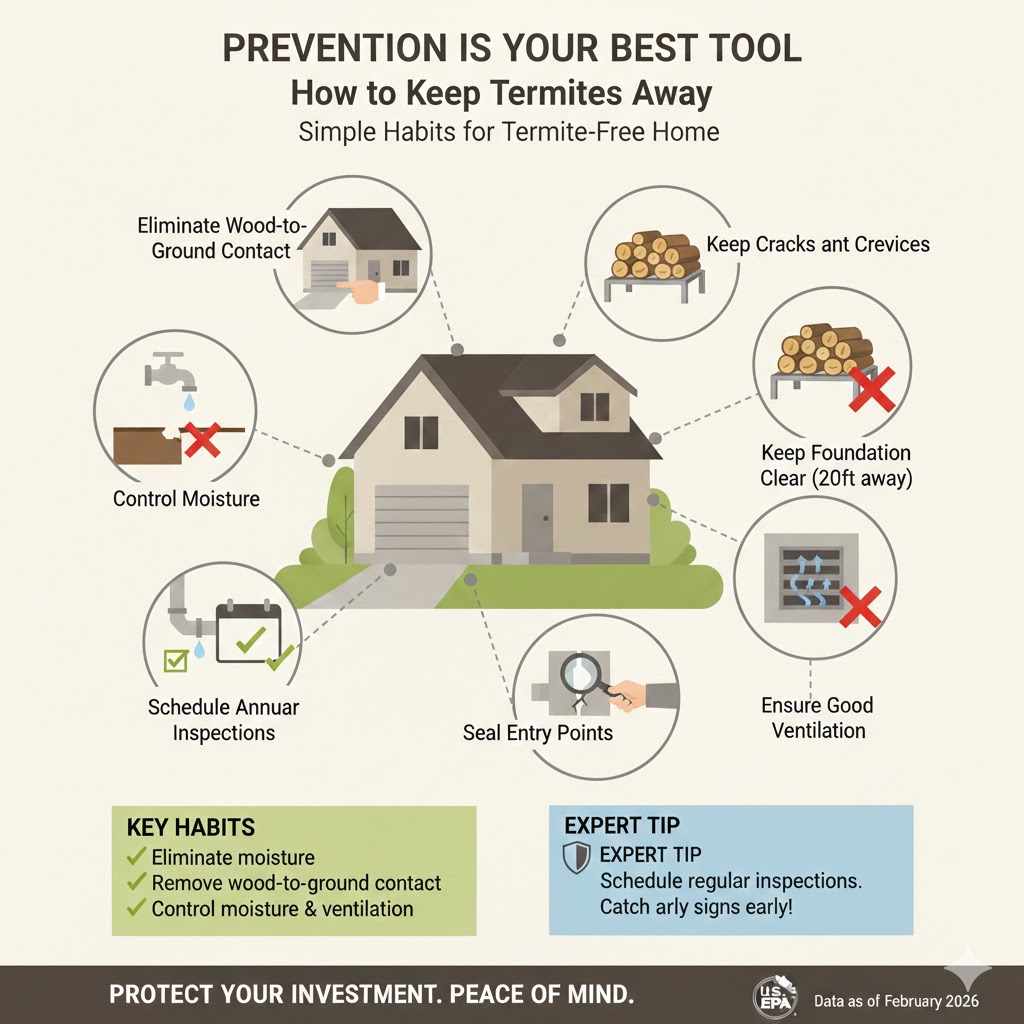
Prevention Is Your Best Tool: How to Keep Termites Away
Once you’ve solved your current termite problem, you’ll want to make sure it never happens again. Prevention is much easier and cheaper than treatment. Here are some simple habits and home maintenance tasks that make a huge difference.
- Eliminate Wood-to-Ground Contact: There should be at least a 6-inch gap between any wood on your home (siding, door frames, deck posts) and the soil.
- Keep Your Foundation Clear: Move firewood piles, mulch, and lumber at least 20 feet away from your home’s foundation. Termites love these hiding spots.
- Control Moisture: Termites need moisture to survive. Fix leaky faucets, pipes, and AC units immediately. Make sure your gutters and downspouts direct water away from the foundation.
- Ensure Good Ventilation: Keep crawl spaces and attics dry and well-ventilated. A damp, still environment is a paradise for termites.
- Seal Entry Points: Seal any cracks or gaps in your foundation and around utility lines where pipes and wires enter your home.
- Schedule Annual Inspections: Have a professional pest control expert inspect your home once a year. They are trained to spot the early signs of trouble before a small problem becomes a huge one.
Frequently Asked Questions (FAQ)
Can I reuse wood that has had termites?
It depends. If the damage was very minor and you have thoroughly treated the wood with a product like borate, it can be reused for non-structural projects like decorative art. However, never use previously infested wood for anything that needs to be strong, like a shelf or a chair leg. When in doubt, it’s safer to dispose of it.
Does painting wood prevent termites?
A thick, healthy coat of paint can act as a deterrent because it creates a barrier. Termites will have a harder time finding and getting into the wood. However, it is not a foolproof solution. If there is even a small crack in the paint, termites can get in. Paint does not kill termites that are already inside the wood.
How can I tell termite droppings from ant droppings?
It’s easy to tell them apart once you know what to look for. Termite droppings (frass) look like tiny, 6-sided, wood-colored pellets, similar to coarse sand. Carpenter ant droppings (also called frass) look more like fine sawdust mixed with debris like dead insect parts. Ants clean out their nests, while termites eat the wood and leave droppings.
Is it safe to burn termite-infested wood in my fireplace?
No, this is a bad idea. First, burning the wood may not kill all the termites, and swarmers could escape and start a new colony in or near your home. Second, if the wood has been treated with any kind of chemical in the past (including pressure-treated wood), burning it can release toxic fumes that are dangerous to breathe.
How quickly do termites cause serious damage?
Termites are slow and steady destroyers. A small, new colony might not cause noticeable damage for a few years. However, a large, mature colony can cause significant structural damage in a matter of months. This is why regular inspections are so important.
What are the earliest signs of a termite infestation?
The very first sign homeowners often see is a termite swarm, which is when winged termites fly out to start new colonies. You might see the swarm itself or find piles of their discarded wings on windowsills or near doors. Another very early sign is the appearance of mud tubes on your foundation.
Can I just use a bug bomb to kill termites?
No, bug bombs or foggers are completely ineffective against termites. These products only kill the pests they directly contact in the open air. Termites live deep inside wood or underground, where the fog cannot reach them. Using a bomb will do nothing to solve the root problem.
You Can Handle This
Discovering termite-infested wood is never fun, but it is a challenge you can absolutely overcome. By carefully identifying the problem, assessing the damage, and choosing the right solution—whether it’s a simple DIY treatment for a small item or calling a professional for your home—you are taking the right steps to protect your property and your projects.
Remember the simple process: Identify, Assess, Treat or Replace, and Prevent. With a bit of knowledge and a clear plan, you can tackle this issue with confidence. Don’t let these little pests get the best of you or your beautiful woodwork. You’ve got this!