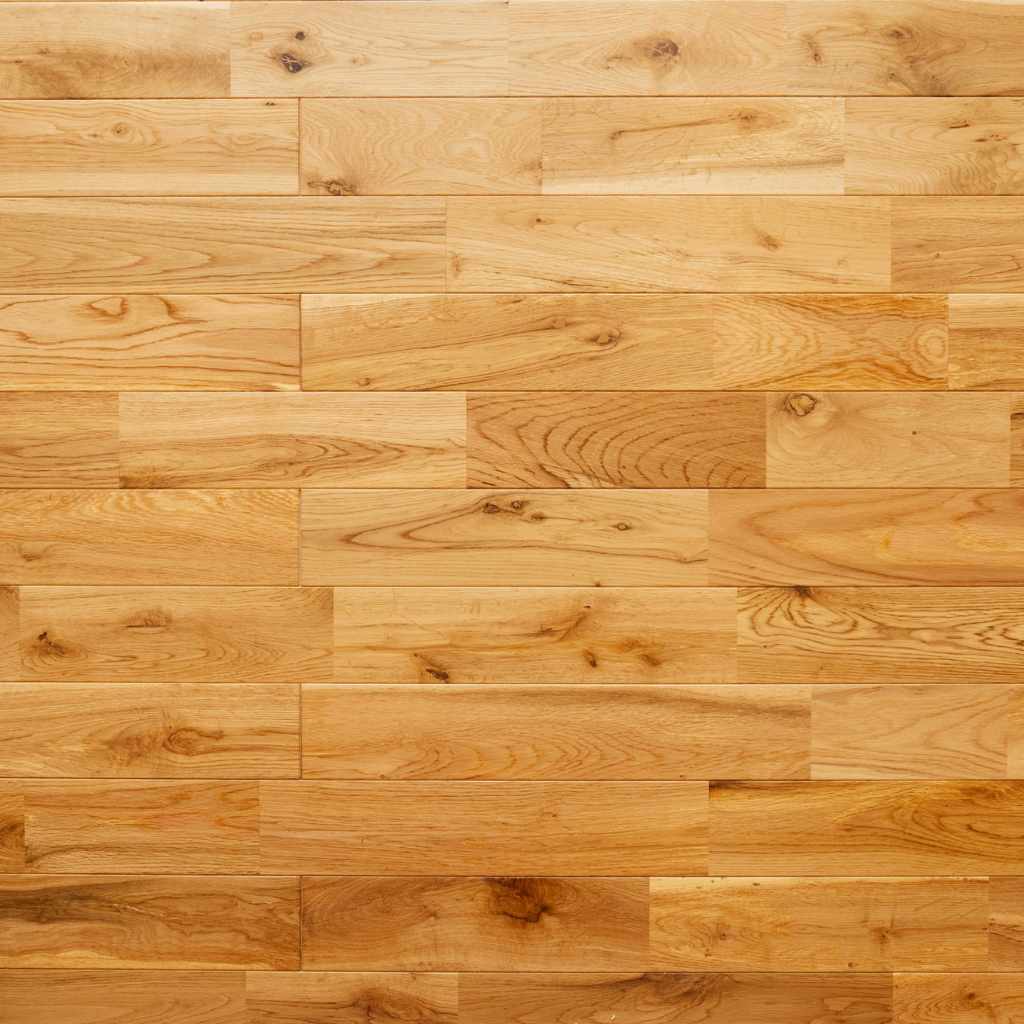
What Type of Hardwood Floor Do I Have: Expert Tips to Identify Yours
Not sure what type of hardwood floor you have? This guide helps you learn the basics. Different floors look and feel different. Knowing your floor can help with cleaning and care. Easy tips to find out what wood is under your feet.
Biography
| Category | Details / Identification Tips |
|---|---|
| How to Tell If It’s Hardwood |
|
| How to Identify Wood Species |
|
| Common Hardwood Species |
|
| Difference Between Hardwood and LVP (Luxury Vinyl Plank) |
|
| Grades of Hardwood Flooring |
|
| Additional Resources |
Early Life
Hardwood floors have a long history that starts with the trees they come from. These floors were born in forests, where trees like oak, maple, and pine grew strong. People then cut the wood, shaped it into planks, and brought it to homes. Many old hardwood floors were raised in houses in places like Austin, Texas, where wood was a common choice for its strength and beauty. Over time, some floors moved from simple strip patterns to more fancy designs like herringbone or parquet. These floors have traveled through many years and styles, but they still show the natural grain and color of the wood. This early life of hardwood floors is why they remain a special part of many homes today.
Family
| Family Member | Name | Information |
|---|---|---|
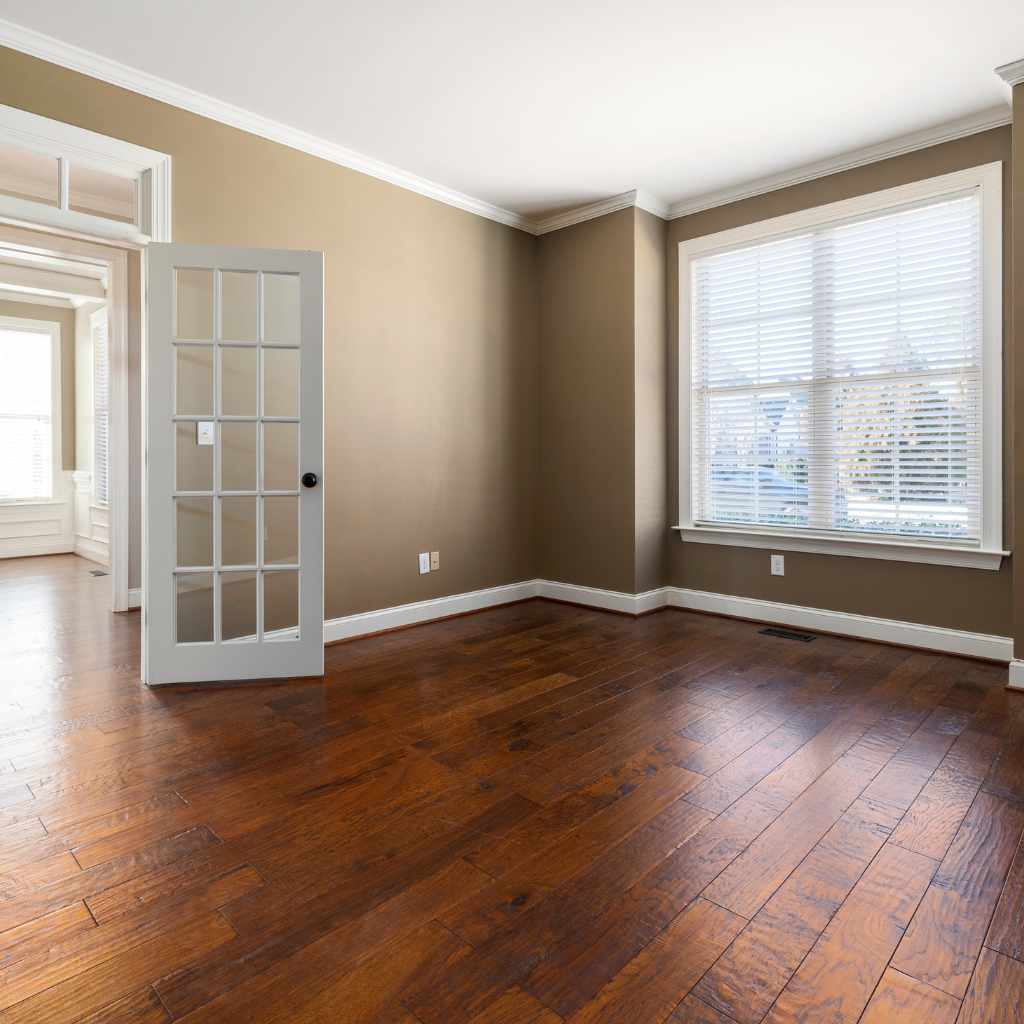
| Parent 1 | Grain Pattern | Each hardwood plank has a unique grain. This helps to tell real wood from laminate or vinyl, which repeat patterns. |
| Parent 2 | Edges & Seams | Look at plank edges. Hardwood usually has tongue-and-groove or square edges that fit tightly. This is different from synthetic floors. |
| Sibling 1 | Color & Species | Colors help find the wood type. For example, oak is pink or brown; pine can be orangey. Hardness and grain also give clues. |
| Sibling 2 | Texture & Feel | Touch the floor. Hardwood feels warm and natural. You may notice grain and knots when you run your hand on it. |
Think of the parents as the main ways to check your floor: the grain pattern and the edges. They show if the floor is real wood or not. The siblings add more details: the color and feel help find the exact wood type. Together, they make it easier to know what hardwood floor you have. If unsure, a professional can help you check.
Height, Weight, And Other Body Measurements
| Category | Description | Details / Tips |
|---|---|---|
| Grain and Pattern | Check the grain and pattern of the planks |
|
| Edges and Seams | Examine edges of planks |
|
| Texture | Feel the surface texture |
|
| Underside Check | Flip a plank to inspect the underside |
|
| Wood Species Identification | Look at color, grain, and hardness |
|
| Finish Scrape Test | Scrape a small, hidden area of the floor |
|
| Professional Consultation | Contact a flooring expert |
|
| Grades of Hardwood Flooring | Understand hardwood grades |
|
| Floor Types | Common hardwood floor types |
|
| Thickness & Dimensions | Know your floor’s thickness |
|
| Hardness Test | Assess using Janka hardness scale |
|
Wife/husband / Girlfriend/boyfriend
“What Type of Hardwood Floor Do I Have” is not a person or a star. It is a topic about identifying hardwood floors.
Therefore, it does not have a wife, husband, girlfriend, or boyfriend.
Since this is not a person or celebrity, there are no previous relationship details to provide.
If we imagine “What Type of Hardwood Floor Do I Have” as a star, it would have no partners or relationship history.
It is simply a helpful guide to understanding wood floors.
This table shows what partners might look like if the topic were a person. But remember, this is just for fun.
| Partner Type | Name | Relationship Status | Details |
|---|---|---|---|
| Wife | Oak | Past Partner | Known for its pink/brown tones and strong grain pattern |
| Girlfriend | Maple | Past Partner | Soft grain, subtle color, hard wood |
| Boyfriend | Pine | Past Partner | Orange hue, softer and prone to dents |
In truth, “What Type of Hardwood Floor Do I Have” is a helpful guide. It helps people identify wood floors by looking at grain patterns, colors, and hardness. It does not have personal stories or relationships.
Career, Achievements And Controversies
“What Type of Hardwood Floor Do I Have” is not a person but a popular topic many people search for, especially in Austin, Texas and beyond.
It became well known because many homeowners want to learn how to identify their hardwood floors.
Questions like “How do I know if my floor is real wood or laminate?” or “What kind of wood is my floor made of?” are common.
This topic gained attention through websites, forums like Reddit, and videos that explain the differences in simple ways.
Since this is a topic, its “career” began when people started sharing easy guides and tips online about hardwood floors.
Many websites and experts created clear steps to help people identify their floors by looking at grain patterns, edges, and color.
Popular works include step-by-step articles, videos, and community discussions that explain:
- How to spot real hardwood versus laminate or vinyl
- How to tell solid hardwood from engineered hardwood
- How to identify wood species like oak, maple, or pine
- How to check the floor’s finish and texture
These guides are found on many home improvement sites and forums, helping many people make smart choices when fixing or buying floors.
Since this is not a person or a company, there are no awards given to “What Type of Hardwood Floor Do I Have.”
However, many flooring experts and companies who share this knowledge have received praise for making flooring information easy to understand.
Their work helps homeowners avoid mistakes and save money.
There are few controversies directly related to the topic itself. However, some points can cause confusion or disagreement, such as:
- Some people argue about the best type of hardwood floor, but opinions vary based on budget and home conditions.
- Misidentification can happen, leading to wrong repairs or purchases.
- Some forums have debates about the durability of certain wood species or engineered versus solid wood floors.
- Occasionally, misinformation spreads online, so experts advise checking with professionals when unsure.
Overall, these issues are minor and mostly about personal preference or knowledge gaps, not serious controversies.
“What Type of Hardwood Floor Do I Have” is a helpful topic for many people wanting to understand their floors better.
It became popular through easy guides and online discussions. While it does not have awards or major controversies,
it plays an important role in helping homeowners make better choices for their homes.
FAQ
1. How Can I Tell What Kind Of Hardwood Floor I Have?
Look closely at the wood grain and color. Different woods have different patterns. You can also check the floor edges or underneath a loose board. Sometimes, there is a label or stamp with the wood type.
2. What Are The Common Types Of Hardwood Floors?
Some common types are oak, maple, cherry, and walnut. Oak is light with a strong grain. Maple is smooth and light. Cherry has a reddish color. Walnut is dark and rich.
3. Can I Tell The Wood Type By Its Color?
Color helps but is not always enough. Wood can change color over time or after finishing. Look at the grain pattern and hardness too.
4. What If I Am Not Sure About The Wood Type?
You can take a small photo and ask a flooring expert. Some stores or professionals can help identify the wood type for you.
5. Why Is It Important To Know My Hardwood Floor Type?
Knowing your floor type helps with cleaning and care. Different woods need different treatments. It also helps if you want to match or repair the floor later.