What to Put Under Hardwood Floor: The Real Layer-by-Layer Answer
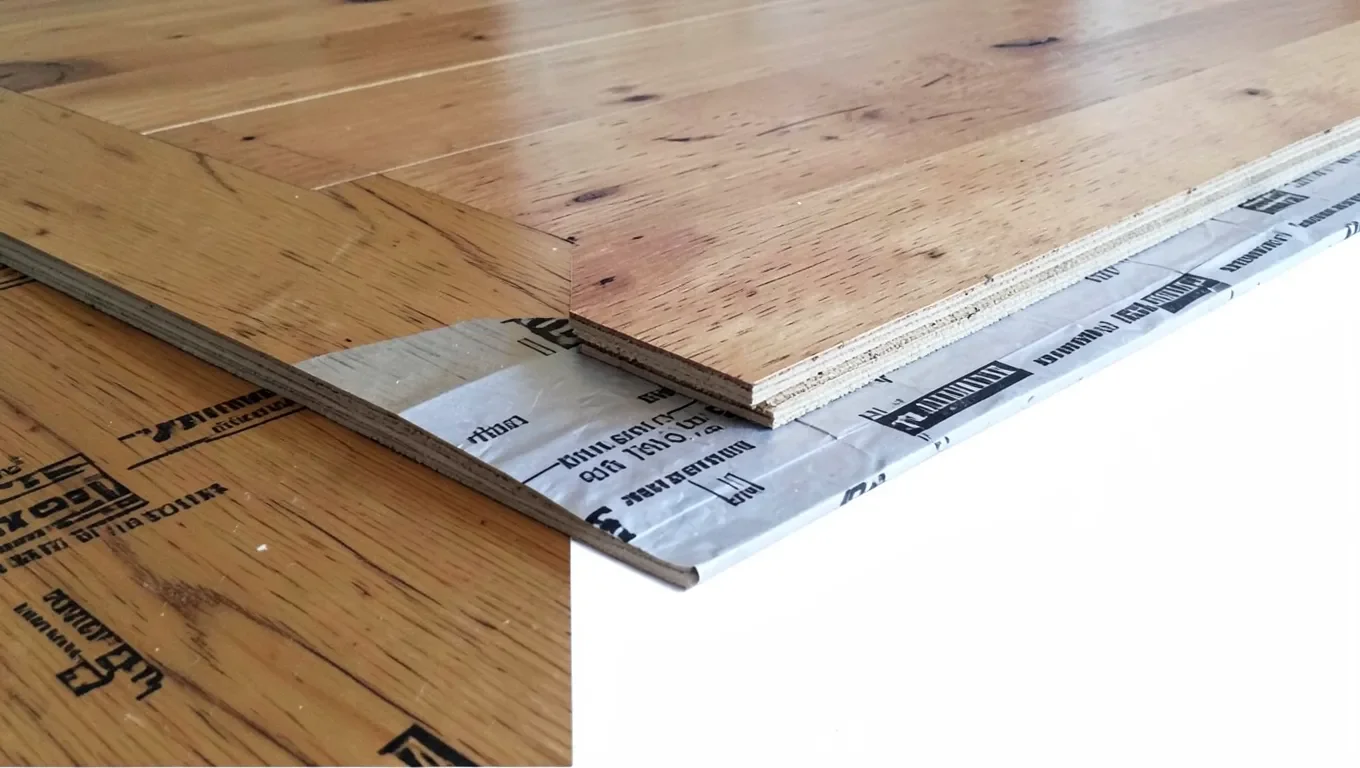
What actually goes under hardwood flooring depends entirely on your installation method and subfloor, not a single universal answer. Nail-down solid hardwood over a wood subfloor traditionally uses 15lb asphalt-saturated felt paper; a floating engineered floor uses a foam or cork underlayment instead; and any installation over a concrete slab needs a real vapor barrier, since concrete releases moisture that felt paper alone doesn’t block.
Nail-Down Hardwood Over a Wood Subfloor: Felt Paper
For Nail-Down Solid Hardwood
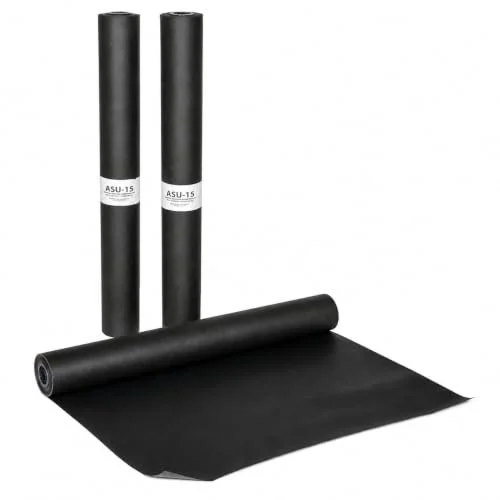 |
ASU-15 Hardwood Flooring Felt Paper, 36″ x 144′ – $65.99 The traditional, still-standard layer under nail-down solid hardwood over a wood subfloor.
|
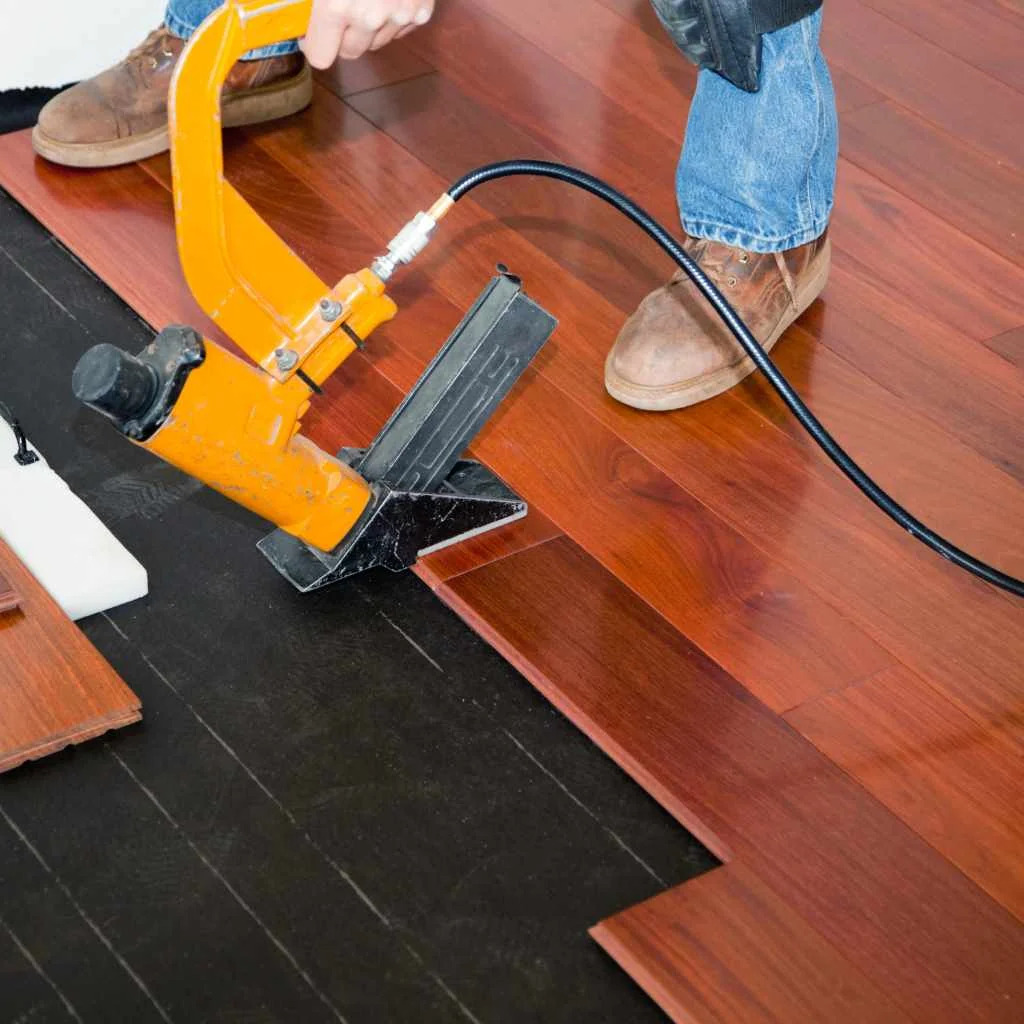
15lb asphalt-saturated felt paper remains the real industry standard under nail-down solid hardwood over a plywood or OSB subfloor — it reduces minor squeaks from wood-on-wood contact and adds a modest moisture buffer between the subfloor and the hardwood above. This is a thin, simple layer, not a cushioned underlayment; solid nail-down hardwood doesn’t use foam or cork padding the way a floating floor does.
Floating Engineered Floors: Foam or Cork Underlayment
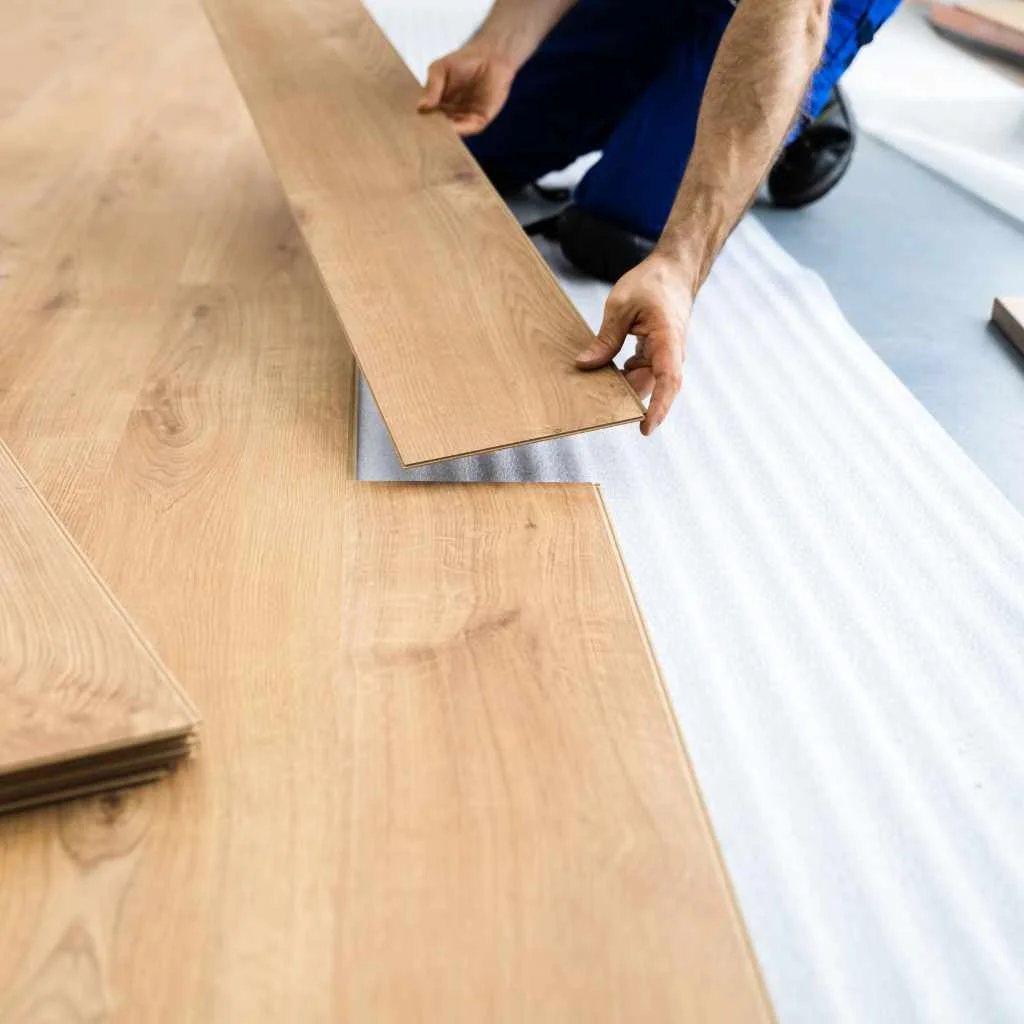
A floating engineered floor (click-lock planks not nailed to the subfloor) uses a foam or cork underlayment instead of felt paper — this layer provides real cushioning for foot comfort, sound dampening between floors, and some minor subfloor imperfection leveling that felt paper doesn’t offer. Many foam underlayments come with an attached vapor barrier layer built in, which simplifies installation over a slab compared to using separate felt and a separate poly sheet.
Over Concrete: A Real Vapor Barrier Is Non-Negotiable
Any hardwood installation directly over or near a concrete slab needs a genuine vapor barrier (6-mil polyethylene sheeting at minimum, or a combined vapor-barrier underlayment product), since concrete can release moisture vapor even when it looks and feels dry. Skipping this step because “the slab looks fine” is one of the most common causes of hardwood flooring failure — a real moisture test before installation, not a visual check, is the actual reliable way to know.
Frequently Asked Questions
Do I need felt paper or foam underlayment?
Felt paper for nail-down solid hardwood over a wood subfloor. Foam or cork underlayment for a floating engineered floor. They serve different installation methods, not interchangeable purposes.
Do I need a vapor barrier under hardwood flooring?
Yes, if installing over or near a concrete slab. Concrete can release moisture vapor even when it looks dry, and skipping a real vapor barrier is a leading cause of flooring failure.
Can I use the same underlayment for solid and engineered hardwood?
Generally no. Solid nail-down hardwood uses thin felt paper; floating engineered floors need cushioned foam or cork underlayment built for that installation method.
Conclusion
What goes under hardwood flooring depends on installation method: felt paper for nail-down solid wood, foam or cork for floating engineered floors, and a real vapor barrier whenever concrete is involved. Match the underlayment to your actual installation, not a generic one-size answer.
Sponsored / affiliate links. As an Amazon Associate I earn from qualifying purchases. I may earn additional commission from eligible campaigns.