
What Wood is Black? Unveiling Nature’s Dark Marvels
Ebony is a type of wood that is naturally black. Ebony wood is a dense and highly prized hardwood that is used to make high-end furniture, musical instruments, and other luxury goods.
It is known for its fine texture, durability, and beautiful dark color. The wood comes from several species of trees in the genus Diospyros, which are native to parts of Africa, India, and Southeast Asia. The heartwood of the tree is typically the darkest and most prized part of the wood, while the sapwood is lighter in color and less valuable.
Ebony wood has been used for centuries for its beauty and durability, and it remains a popular choice for high-end woodworking today.
The Allure Of Dark Wood
Discover the enchanting allure of dark wood and its mysterious elegance. Ebony and Wenge are popular choices for black wood, adding a touch of sophistication to any space. The rich, deep tones of these woods create a luxurious and modern aesthetic that is both timeless and captivating.
Cultural Significance
For centuries, dark wood has held cultural significance in many societies. In Chinese culture, black wood is associated with wealth and prosperity and is often used in furniture and decorative pieces. In Africa, ebony wood is highly valued for its strength and durability, and is often used to make carvings and musical instruments. The Maori people of New Zealand have a deep respect for the dark wood of the totara tree, which they use to carve intricate designs and sculptures.
Aesthetic Appeal
The allure of dark wood lies in its aesthetic appeal. Rich, deep hues of mahogany, walnut, and ebony create an elegant, sophisticated look that is both timeless and modern. The unique grain patterns and textures of dark wood add depth and character to any space, making it a popular choice for flooring, furniture, and decorative accents.
In addition to its beauty, dark wood is also highly versatile. It can be used in a variety of design styles, from traditional to contemporary, and can be paired with a range of colors and textures to create a customized look. Whether used as an accent or as the main feature of a room, dark wood adds warmth and richness to any space.
Overall, the allure of dark wood is undeniable. Its cultural significance and aesthetic appeal make it a highly sought-after material for designers and homeowners alike. From intricate carvings to sleek modern furniture, dark wood continues to captivate and inspire.
Types Of Naturally Black Wood
Various types of wood naturally possess a striking black hue. Let’s explore some of the most notable ones:
Ebony
Ebony wood is prized for its deep black color and dense, fine-grained texture.
Black Ironwood
Black Ironwood is revered for its durability and rich black-brown color.
Characteristics Of Black Wood Species
Black wood species possess unique characteristics that set them apart from other types of wood. From their density and hardness to their distinctive grain and texture, these woods offer a range of benefits and aesthetic appeal. In this article, we will explore the key characteristics of black wood species, focusing on density and hardness as well as grain and texture.
Density And Hardness
When it comes to black wood species, density and hardness play a significant role in determining their durability and strength. These woods are known for their exceptional density, which contributes to their overall hardness. The density of black wood species typically surpasses that of lighter-colored woods, making them highly resistant to wear and tear.
Black wood species are often sought after for their durability, making them ideal for applications that require strong and long-lasting materials. From furniture to flooring, black wood species provide stability and strength, ensuring the longevity of the finished product.
Grain And Texture
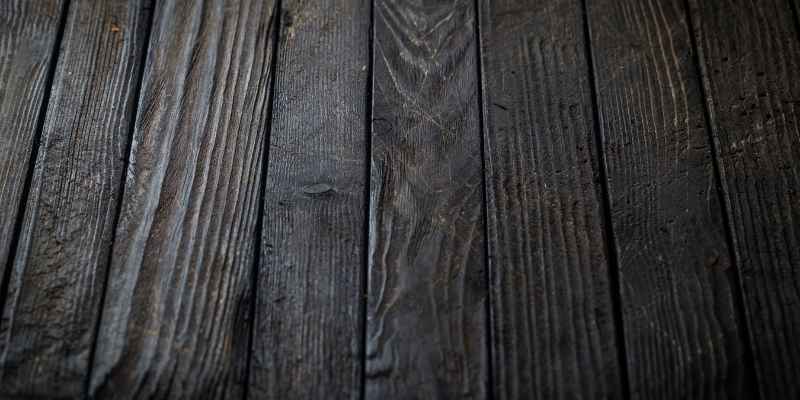
The grain and texture of black wood species add to their visual appeal, making them a popular choice for various design applications. These woods exhibit unique grain patterns that range from straight to wavy or even interlocked. The distinct grain patterns contribute to the overall aesthetics of the wood, creating visually striking and captivating surfaces.
In addition to their grain patterns, black wood species also feature a smooth and fine texture. The fine texture enhances the tactile experience of working with these woods, providing a luxurious feel and finish. Whether used in furniture making or cabinetry, the smooth texture of black wood species adds a touch of sophistication to any project.
To summarize, black wood species possess remarkable characteristics that make them stand out in the world of woodworking. Their density and hardness ensure durability, while their unique grain patterns and smooth texture add visual and tactile appeal. Whether you are looking for strength, aesthetics, or both, black wood species offer a fantastic choice for various applications.
The Rarity Of True Black Wood
Conservation Status
Black wood is rare and is often subject to overharvesting, leading to its conservation status being a cause for concern. The increasing demand for this unique material has put a strain on its availability, prompting the need for sustainable harvesting practices.
Geographical Distribution
The geographical distribution of true black wood is limited to specific regions, primarily in tropical areas with rich, moist soils. It is predominantly found in regions such as Southeast Asia, Africa, and parts of South America, where the climate and soil conditions are conducive to its growth.
Black Wood In Furniture And Craft
Black wood has become a popular choice in the world of furniture and craft due to its unique and luxurious appeal. This dark-hued wood adds a touch of sophistication and elegance to any space, making it highly sought after in the luxury market. Craftsmen and designers have also discovered various techniques to enhance the beauty of black wood, creating exquisite pieces that are both visually stunning and durable.
Luxury Market Demand
The demand for black wood furniture and craft items has skyrocketed in the luxury market. With its deep, rich color and smooth texture, black wood brings a sense of opulence to any space. Its unique appearance instantly elevates the aesthetic value of furniture, making it a preferred choice for high-end interior design projects. Whether it’s a sleek black wood dining table or an intricately carved black wood sculpture, these pieces are highly coveted by those seeking sophistication and exclusivity.
Craftsmanship Techniques
Craftsmen have honed their skills to bring out the best in black wood. They employ various techniques to enhance its natural beauty and create stunning masterpieces. One such technique is the art of wood staining, where craftsmen use specialized dyes and stains to deepen the wood’s natural color and create a rich, black finish. This process not only adds depth and intensity to the wood but also helps to protect it from wear and tear.
Another technique used in working with black wood is called wood burning or pyrography. This ancient art form involves using heated tools to create intricate designs and patterns on the wood’s surface. The contrast between the dark black wood and the intricate burned patterns creates a visually striking effect that is truly one-of-a-kind.
Additionally, craftsmen often employ advanced carving and shaping techniques to transform black wood into unique and eye-catching furniture pieces. They carefully sculpt the wood, bringing out its natural grain and texture, and create exquisite details that add depth and character to the final product.
Overall, the combination of black wood’s natural allure and the craftsmanship techniques employed by artisans result in furniture and craft items that are not only visually stunning but also durable and long-lasting. Whether it’s a statement piece in a luxurious living room or an intricately carved black wood sculpture displayed in an art gallery, black wood continues to captivate and inspire.
Staining And Dying Techniques
When it comes to achieving a striking black finish on wood, understanding the staining and dyeing techniques is essential. By utilizing the right methods, it is possible to transform wood into a deep, rich black color that enhances its aesthetic appeal. Let’s delve into the process of achieving a black finish and the maintenance of stained wood.
Achieving A Black Finish
When aiming to achieve a black finish on wood, there are various staining and dyeing techniques available. One popular method is using ebony wood stain, which imparts a deep, opaque black color to the wood. Additionally, applying multiple coats of black dye can intensify the darkness of the finish, resulting in a more dramatic effect. Another technique involves the use of ebonizing solutions, such as vinegar and steel wool, to chemically alter the wood’s color and achieve a blackened appearance.
Maintenance Of Stained Wood
Once wood has been stained to achieve a black finish, proper maintenance is crucial for preserving its appearance. Regular dusting with a soft cloth can help prevent the accumulation of dirt and grime, preserving the deep black color. Additionally, applying a protective finish, such as polyurethane or lacquer, can safeguard the stained wood from scratches and moisture damage, ensuring its longevity and visual appeal.
Myths And Misconceptions
When it comes to black wood, there are many myths and misconceptions surrounding this unique material. Let’s debunk some of the common misconceptions and explore the mythical powers attributed to black wood.
Mythical Powers
Black wood is often associated with mystical and magical properties, believed to bring protection and good luck.
It is thought to ward off negative energies and enhance spiritual awareness.
Common Misidentifications
Black wood is sometimes mistaken for ebony due to its dark color, but they are different species.
People also confuse black-stained wood with naturally black wood, leading to misconceptions about its origin.
Sustainable Alternatives
Discover sustainable alternatives with ebony wood, known for its rich black hue and durability. This eco-friendly option offers a unique and stylish choice for furniture and decor.
Eco-friendly Options
When considering sustainable alternatives to black wood, several eco-friendly options stand out.
- Bamboo: Rapidly renewable and durable material
- Cork: Harvested from the bark of trees without cutting them down
- Reclaimed Wood: Repurposed from old structures, reducing waste
Advancements In Wood Technology
Recent advancements in wood technology have led to innovative solutions:
- Engineered Wood: Strong and stable composite material
- Acoustic Wood Panels: Enhancing sound quality and aesthetics
- Thermo-treated Wood: Improved durability and resistance to decay
Frequently Asked Questions
Faq 1: What Types Of Wood Are Naturally Black?
Blackwood, ebony, and wenge are three types of wood that are naturally black. Blackwood comes from several species of Acacia trees, ebony is derived from the Diospyros genus, and wenge is sourced from the Millettia genus. These woods are prized for their dark, rich tones and are often used in high-end furniture and crafts.
Faq 2: Can Wood Be Artificially Turned Black?
Yes, wood can be artificially turned black through various methods. One common technique is called ebonizing, which involves applying a solution of iron acetate to the wood surface. This chemical reaction darkens the wood and creates a black appearance. Other methods include using wood stains or dyes specifically formulated to achieve a black color.
Faq 3: Is Black Wood More Expensive Than Other Types Of Wood?
The cost of black wood can vary depending on the specific type and quality. Generally, naturally black woods such as ebony tend to be more expensive due to their rarity and unique aesthetic qualities. However, artificially blackened wood can be more affordable and provide a similar black appearance.
It’s important to consider factors such as availability, craftsmanship, and the intended use when comparing prices.
Conclusion
The mystery of black wood has been unraveled, revealing its diverse origins and unique characteristics. From ebony to black walnut, each type offers distinct qualities for various applications. Understanding the different black woods empowers us to make informed choices for our woodworking projects, ensuring both beauty and durability.