When Can You Stain Pressure-Treated Wood? The Water-Bead Test
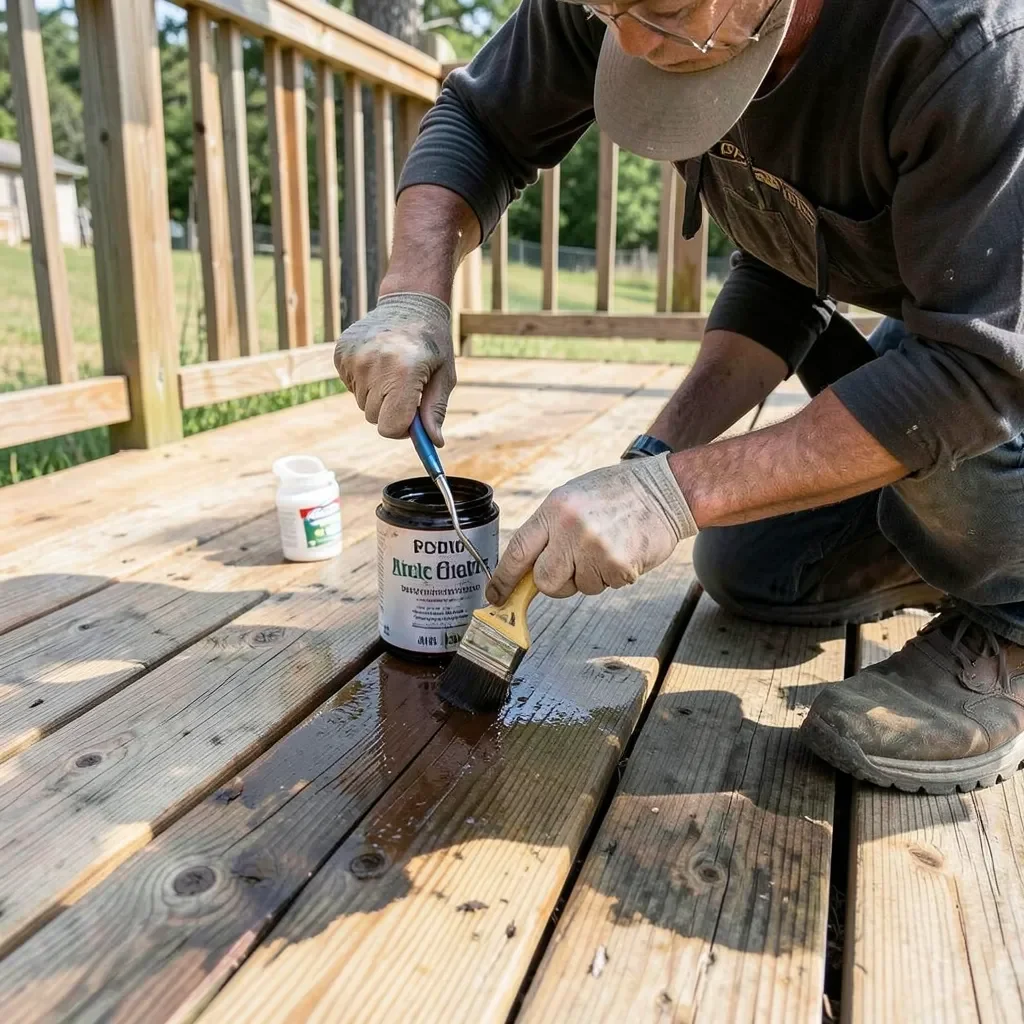
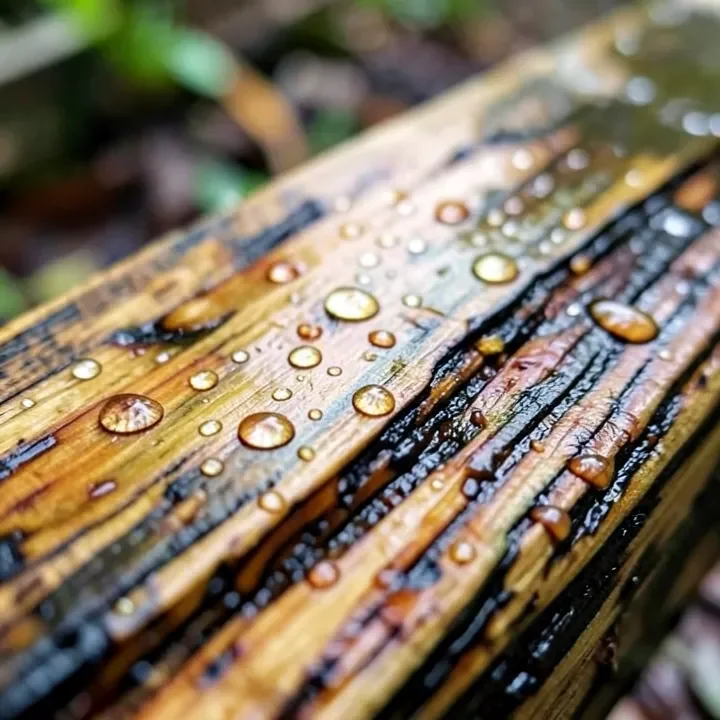
The water-bead test tells you when pressure-treated wood is ready to stain, not a fixed number of days – the actual drying time varies too much by climate and lumber type to give one reliable answer. Sprinkle water on the surface: if it beads up, the wood is still too wet to stain; if it soaks in within a few seconds, it’s dry enough.
KDAT Lumber Is Often Ready Immediately
Best Stain for Pressure-Treated Wood
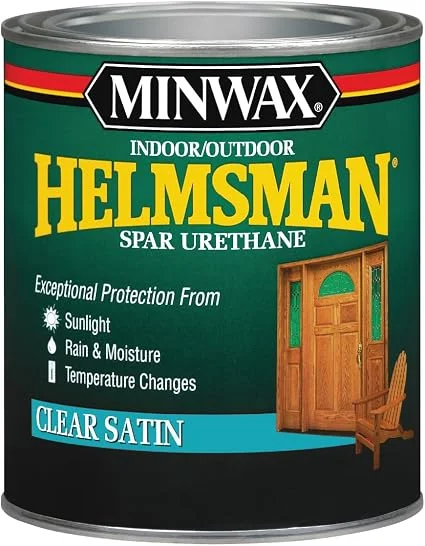 |
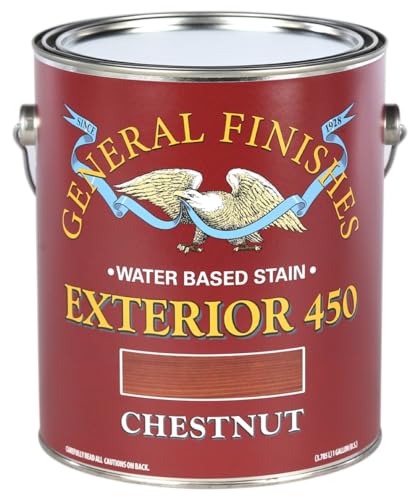
Minwax Helmsman Spar Urethane – $23.49 Once the water-bead test confirms the wood is dry enough, a UV-resistant exterior finish like this is what actually needs to bond to those now-receptive wood fibers.
|
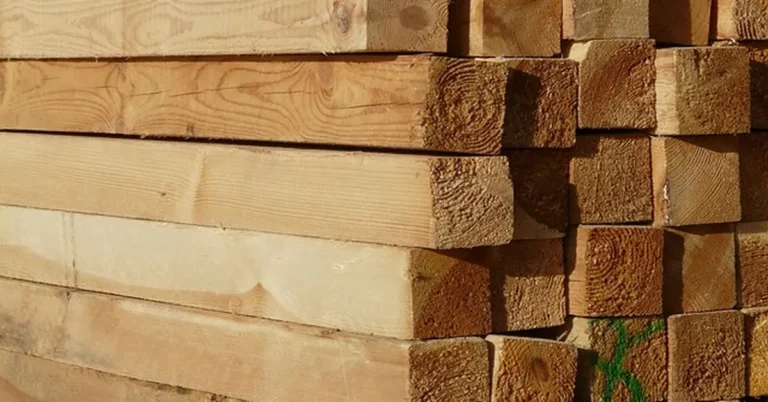
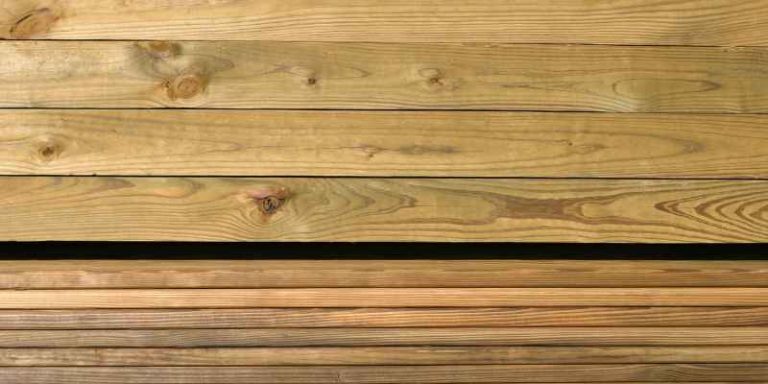
Lumber marked “KDAT” (kiln-dried after treatment) has already had the excess moisture from pressure-treating driven out at the mill, and can typically be stained right away or within a few days. Wet-treated lumber (the more common, cheaper option at most lumber yards) can hold 25-30% moisture content at purchase and needs weeks to months to dry enough for stain to properly absorb and bond.
Rough Timelines by Climate
In a hot, dry climate, wet-treated lumber may pass the water-bead test in as little as 4-6 weeks. In a humid or cool climate, the same board can take 2-4 months. These are rough guides only – the water-bead test on the actual board in its actual installed location is the reliable check, not a calendar date.
Why Staining Too Early Fails
Stain applied to wet wood can’t properly penetrate or bond to the wood fibers, since the pores are already saturated with water. The result is a stain film that looks fine initially but peels or flakes within a season, well before a correctly-timed stain job would need maintenance.
Testing More Than One Spot on the Board
A single water-bead test on one board doesn’t guarantee the whole deck or fence dries at the same rate, since boards facing full sun dry faster than shaded sections, and the underside of horizontal decking dries slower than the top face exposed to sun and wind. Test several representative spots – sunny and shaded areas, top and where accessible the underside – before concluding the whole structure is ready.
Oil-Based vs. Water-Based Stain on Treated Wood
Oil-based stains penetrate treated lumber’s surface more deeply and are generally more forgiving of wood that’s slightly damper than ideal, while water-based stains sit more on the surface and show poor adhesion more readily on wood that hasn’t fully passed the dryness test. If there’s any doubt about full dryness, an oil-based product is the safer choice for a first coat, with water-based topcoats acceptable in later years once the wood has fully stabilized.
What Happens to KDAT Lumber’s Color Over Time
KDAT lumber often looks lighter and more uniform in color straight from the store than wet-treated lumber, but that color evens out to a similar weathered gray within the first year of outdoor exposure regardless of the drying method used at the mill – the kiln-drying process affects moisture content and readiness for stain, not the wood’s long-term color stability once exposed to sun and weather.
What the Lumber Tag Tells You
The stamped end tag on treated lumber usually indicates the treatment type (ACQ, MCA, or similar) and sometimes the moisture content at the time of treatment, though not all yards stock KDAT specifically labeled as such – asking the yard directly whether their treated stock is kiln-dried after treatment is often more reliable than relying on the stamp alone, since labeling practices vary by supplier and region.
Staining a Structure Built at Different Times
A deck built with lumber purchased in stages, or repaired with a newer board replacing an old one, often has boards at meaningfully different moisture levels even though they look the same age visually – test each distinct batch or replacement board separately with the water-bead method rather than assuming the whole structure dries uniformly just because it was built around the same general time.
Sealing Before the First Stain Coat
Some finish systems recommend a dedicated wood conditioner or sealer as a first step on treated lumber even after it passes the water-bead test, since treated wood’s altered surface chemistry from the preservative treatment can still affect how evenly a stain absorbs compared to untreated lumber – check the specific stain manufacturer’s instructions for treated-wood-specific guidance rather than assuming the same process used on untreated lumber applies identically.
Regional Climate Guidelines From Manufacturers
Some stain manufacturers publish region-specific drying guidelines based on typical local humidity and temperature patterns – checking a product’s own technical data sheet, which often includes climate-adjusted guidance, gives a more tailored estimate than a single generic nationwide rule of thumb.
Frequently Asked Questions
How do you know if pressure-treated wood is dry enough to stain?
Sprinkle water on the surface – if it beads up, the wood is still too wet; if it soaks in within a few seconds, it’s ready to stain.
Can you stain KDAT pressure-treated lumber right away?
Often yes – kiln-dried-after-treatment lumber has already had most of the excess moisture removed at the mill, unlike standard wet-treated lumber.
What happens if you stain pressure-treated wood too early?
The stain can’t properly penetrate wood that’s still saturated with moisture, so it fails early – typically peeling or flaking within a season instead of lasting several years.
Sponsored / affiliate links. As an Amazon Associate I earn from qualifying purchases. I may earn additional commission from eligible campaigns.