When Would a Builder Use Marine Grade Plywood? (And When It’s Overkill)
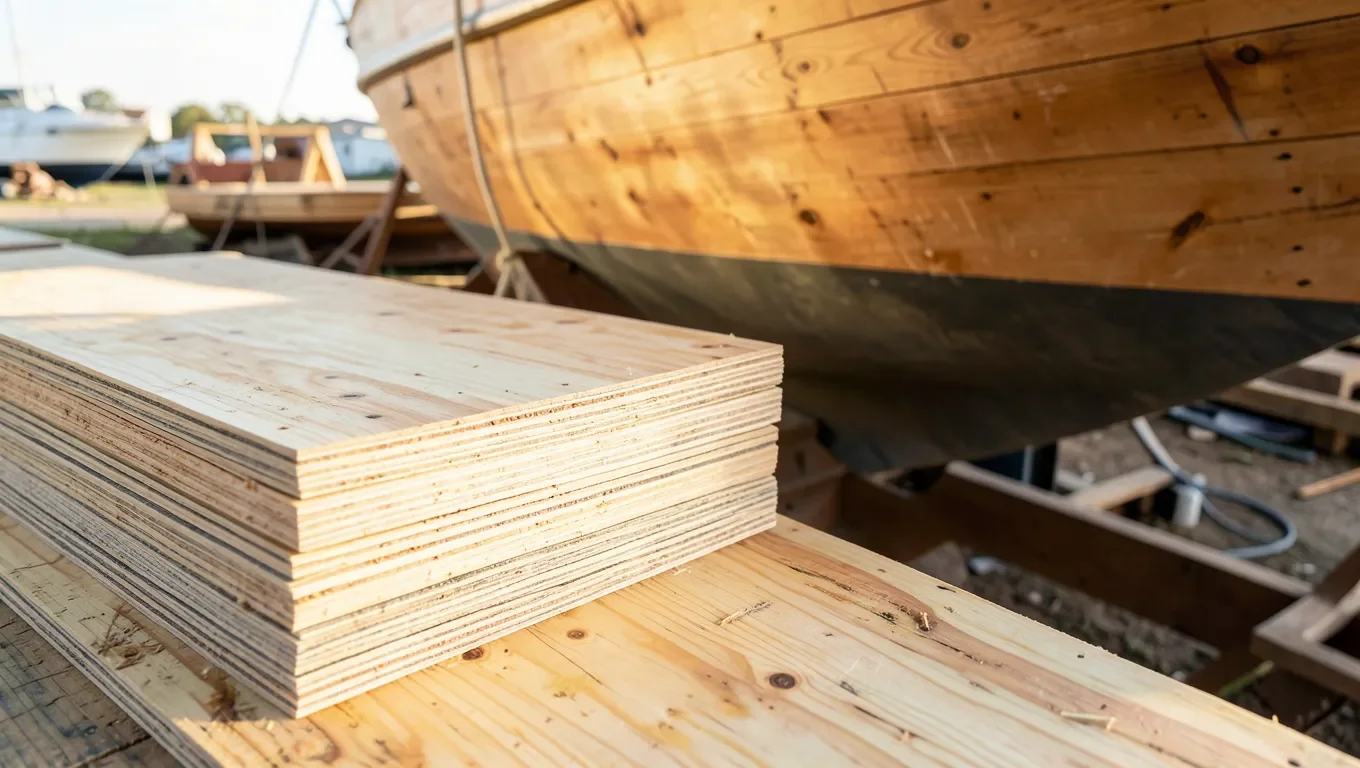
A builder reaches for marine grade plywood when the panel will spend real time wet, not just get rained on now and then. That means boat hulls and decking, dock and pier structures below or right at the waterline, and marine components where a hidden void inside the panel could turn into a rot pocket you can’t see or reach. For a shed roof, a fence, or a deck frame that dries out between storms, standard exterior grade plywood or pressure-treated lumber does the job for a fraction of the cost – marine grade is a specific tool for a specific, sustained-moisture problem, not a general “better outdoor plywood.”
What Actually Makes Plywood “Marine Grade”
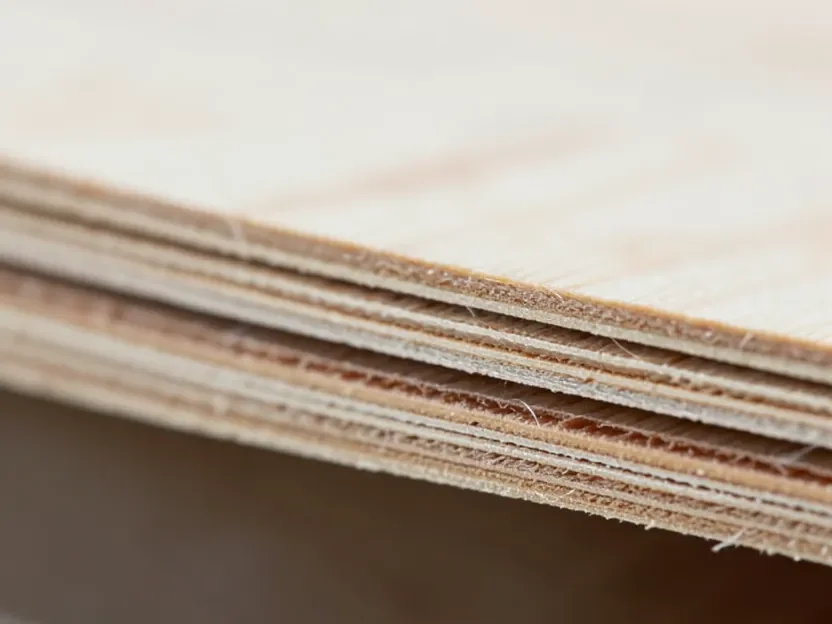
The word “marine” on a plywood label is not just marketing. Genuine marine grade plywood is manufactured to a specific standard – most commonly BS 1088, the British/international marine plywood standard – and that standard controls two things standard plywood grading does not guarantee. First, the inner veneer layers have to be void-free: no gaps, no football-shaped patches, no overlapping core pieces. Second, every layer is bonded with a fully waterproof adhesive, typically a WBP (weather-and-boil-proof) phenolic resin, using higher-grade face veneers with fewer patches and splits than a construction-grade sheet.
Standard exterior grade plywood sold at most lumberyards also uses a water-resistant or waterproof glue line, so the glue itself usually isn’t the failure point people assume it is. What’s different is what’s allowed inside the panel. U.S. sheathing standards for exterior-rated plywood still permit a limited number of internal voids and repair patches in the inner plies, since the panel is graded for structural sheathing, not sustained submersion. Those voids are rarely a problem on a roof deck or a fence panel. They become a real problem on a boat hull, because a void that fills with water has nowhere to dry out and drain – it just sits there and rots the panel from the inside, invisible until the wood is already soft.
Best Sealant for Plywood Boat Seams
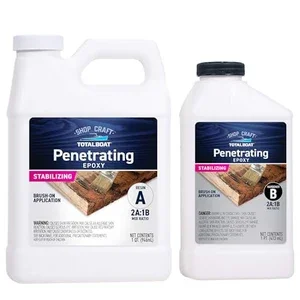 |
TotalBoat Clear Penetrating Epoxy Wood Sealer – $59.99 Even void-free marine plywood needs sealed cut edges and fastener holes; this two-part epoxy soaks into the end grain and seals it before water can start the rot cycle.
|
When a Builder Should Actually Reach for Marine Grade Plywood
The clearest case is boatbuilding itself: hulls, transoms, decking, and bulkheads on a wooden or plywood-hulled boat all call for marine grade panels, because the material is in constant contact with water and a hidden void could compromise the structure below the waterline where nobody can inspect it easily. Dock and pier construction is the second common use – pilings, decking, and support structures that sit partly submerged or get soaked on every high tide need the same void-free consistency, since a standard sheet with an internal gap will start delaminating from the inside long before the surface shows any damage.
High-humidity enclosed spaces are the third real use case, and the one builders miss most often: boat lockers, bilge access panels, and other tight, poorly ventilated compartments where condensation keeps the wood damp for weeks at a time, even though the panel is never technically submerged. Sustained humidity without airflow is close enough to submersion that the same void-related rot risk applies. The common thread across all three is duration and access – water exposure that doesn’t stop, on a component you can’t easily open up and inspect later.
The Real Misconception: “Marine Grade” Doesn’t Mean “Good for Any Outdoor Project”
This is where a lot of builders overspend. Marine grade plywood is genuinely, significantly more expensive than standard exterior grade plywood of the same thickness – it’s common for a marine grade sheet to run two to four times the price of a comparable exterior sheet, because of the higher-grade veneers, the void-free core requirement, and the certification process behind the BS 1088 stamp. That premium is worth paying when the project actually involves sustained submersion or constant moisture. It is not worth paying for a backyard shed, a fence, a deck frame, or outdoor furniture that gets rained on and then dries out, because those projects were never the problem marine grade plywood was built to solve.
Standard pressure-treated lumber or exterior-grade (often labeled CDX or APA-rated Exposure 1) plywood is the practical choice for the vast majority of outdoor builds. Both are engineered and tested for weather exposure, both hold up fine to rain, snow, and humidity swings that dry out between events, and both cost far less per sheet. The mistake isn’t using marine grade plywood – it’s using it as a default “outdoor” upgrade when the project never had a sustained-water problem to begin with.
When Standard Exterior or Pressure-Treated Plywood Is the Smarter Choice
If the project dries out between exposures – a fence, a shed, deck framing, an outdoor storage box, or general exterior sheathing – exterior grade plywood or pressure-treated lumber is the right call, not marine grade. The internal voids that matter so much on a boat hull are essentially irrelevant on a structure that isn’t sitting in standing water, and the cost difference over a full sheet good order for a project adds up fast. For a closer look at how these two categories actually compare on water resistance, rot resistance, and cost, see our marine grade plywood vs. pressure-treated wood comparison. And if the plywood in question is going under a finish rather than into a wet application, our guides on painting cabinet-grade plywood and getting a plywood surface smooth before paint cover the prep work that actually affects the finished look.
Frequently Asked Questions
What Is Marine Grade Plywood Used For?
Marine grade plywood is used for boat hulls, decking, transoms, and bulkheads, plus dock and pier structures and other components that sit in or near standing water for extended periods. It’s chosen specifically when a hidden internal void could lead to rot in a spot that’s hard to inspect or repair later.
Why Choose Marine Plywood Over Regular Plywood?
The reason is void-free inner veneers, not just “better glue.” Regular exterior-grade plywood already uses a waterproof glue line in most cases, but its manufacturing standard still allows a limited number of internal voids. Marine grade plywood, built to a standard like BS 1088, does not allow those voids, which matters when the panel is going to be wet for weeks or months at a time rather than just rained on.
How Does Marine Plywood Resist Water Damage?
It resists water damage through two combined properties: a fully waterproof (WBP phenolic) adhesive bonding every veneer layer, and a void-free core that gives water no internal gap to collect in and start rot from the inside. Standard plywood can have either property individually; marine grade guarantees both together.
Is Marine Grade Plywood More Expensive?
Yes, noticeably. Marine grade plywood commonly costs two to four times as much per sheet as standard exterior-grade plywood of the same thickness, because of the higher-grade face veneers, the void-free core requirement, and the certification behind the grading standard. That premium makes sense for sustained water exposure and is generally not worth paying for typical outdoor projects that dry out between rain events.
A Detail Builders Often Get Wrong: Fasteners and Hardware
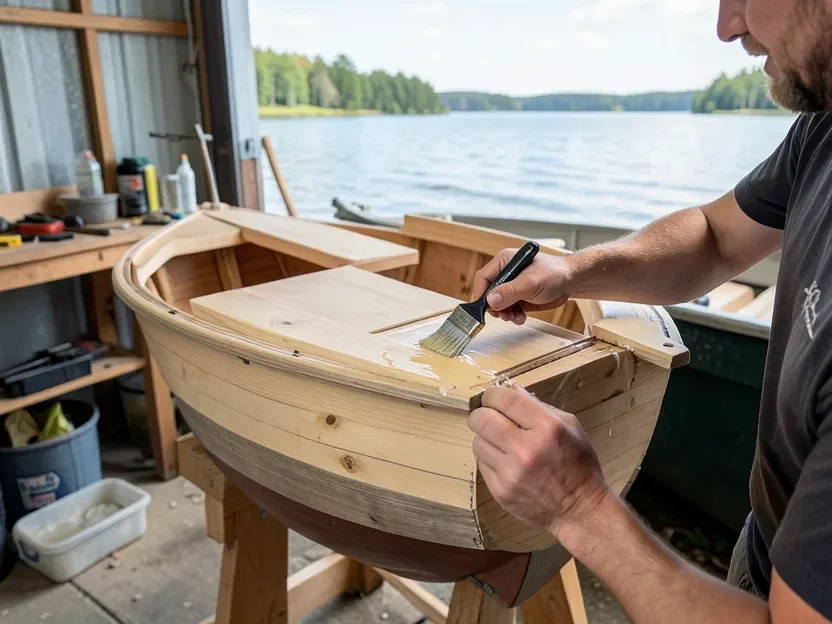
Buying the right plywood and then fastening it with whatever screws are already in the shop is a common way to undercut the whole point of using marine grade material. Standard zinc-plated or plain steel fasteners corrode quickly in a marine environment, and once a fastener starts rusting inside a screw hole, it can wick water into the surrounding wood even on a void-free panel. Builders working on boats, docks, or any structure with sustained water exposure should use stainless steel (grade 316 for saltwater) or silicon bronze fasteners, and seal every screw hole and cut edge with a penetrating sealant before final assembly – the plywood grade only protects the panel itself, not the holes drilled into it.
The same logic applies to hardware like hinges, cleats, and brackets attached to the panel. Mixing dissimilar metals underwater or in a wet bilge can set up galvanic corrosion that eats through hardware far faster than it would in a dry application, which is a detail that has nothing to do with the plywood grade but can undermine a project built with the right material anyway.
Bottom Line
Reach for marine grade plywood when the project involves sustained submersion, constant splash exposure, or a high-humidity enclosed space where a hidden void could rot a component you can’t easily inspect – boat hulls, docks, and marine structural parts are the real use cases. For everything else outdoors, standard exterior-grade plywood or pressure-treated lumber gets the job done at a fraction of the cost, and understanding that difference is what actually saves a builder money without compromising the boat or dock project that genuinely needs the upgrade.
Sponsored / affiliate links. As an Amazon Associate I earn from qualifying purchases. I may earn additional commission from eligible campaigns.