Why Is Teak Wood So Expensive? Here’s What You Need to Know
Teak wood costs $20 to $100+ per board foot — far more than pine, cedar, or even most hardwoods — because it grows slowly, contains natural oils that make it rot- and insect-resistant without any sealant, and comes almost entirely from a handful of tropical plantation and old-growth sources. Old-growth Burmese teak alone has pushed past $80/board foot as legal supply tightens. This guide breaks down exactly which properties, sourcing constraints, and regulations drive that price, plus which alternatives cost less.
The Exclusive Attributes of Teak
Best Teak Oil Pick
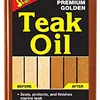 |
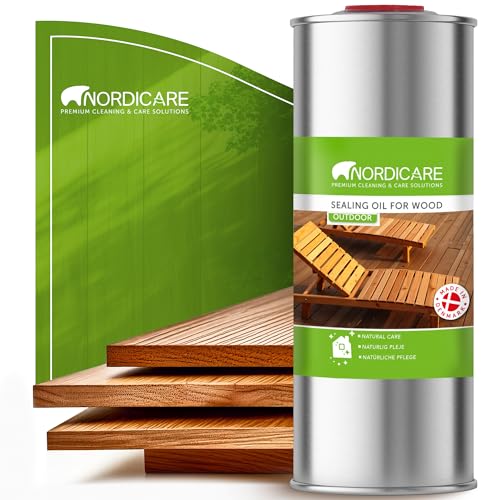
Star Brite Premium Golden Teak Oil (16 oz) – $21.99 Replenishes the natural oil this guide just covered, restoring the golden color on outdoor teak furniture or boat trim before it weathers to gray.
|
As an Amazon Associate we earn from qualifying purchases.
Teak wood is renowned for properties that set it apart from other lumber, and those properties are the first driver of its price. Combined with scarcity and high demand (covered in the next section), they create the premium teak commands over nearly every other outdoor wood species.
Natural Oils and Weather Resistance
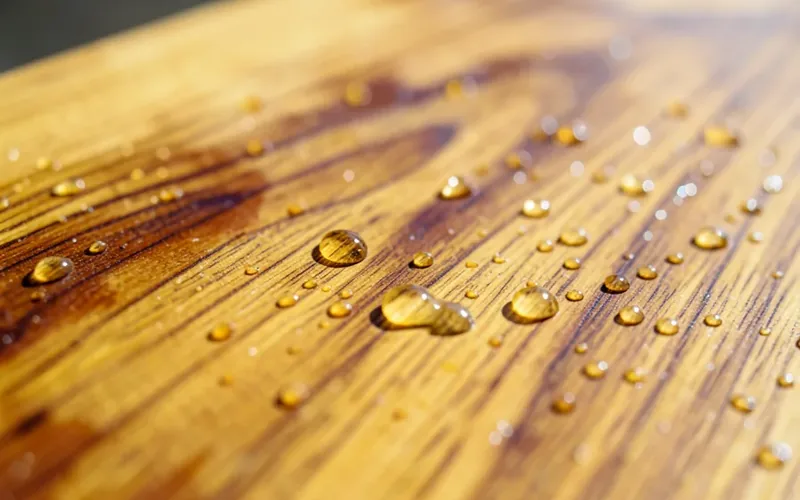
Teak’s high natural oil content acts as a built-in barrier against moisture, insects, and decay. Unlike most other woods, it doesn’t require sealant or varnish to survive outdoors — the oil itself makes it water-resistant, which is why teak remains the standard material for boat decks and outdoor furniture that has to survive years of sun and rain untreated.
- Water Resistance: The natural oils in teak repel water, preventing swelling, warping, and cracking in outdoor or high-humidity settings.
- Insect Repellent: Teak’s oils act as a natural insect repellent, reducing pest damage without chemical treatment.
- Durability: Teak’s strength and weather resistance give properly cared-for pieces a lifespan measured in decades, not years.
- Low Maintenance: Because of its natural properties, teak needs little more than regular cleaning to keep its condition.
Protecting Your Teak Investment
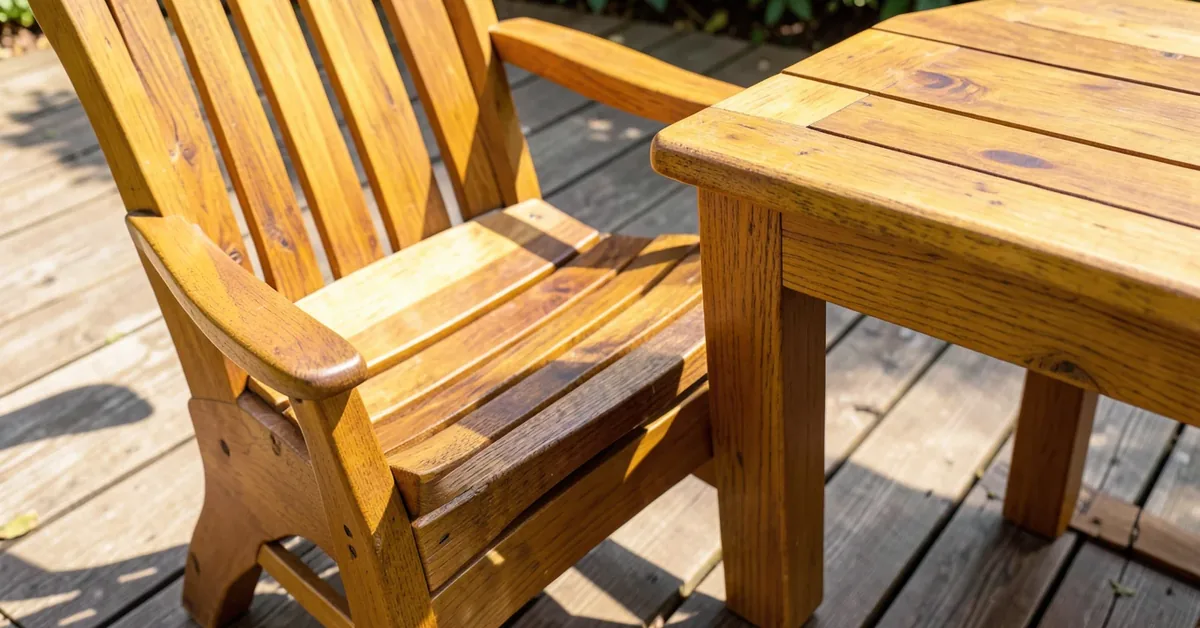
Teak’s natural oils fade over years of sun exposure, which is why the wood gradually turns from golden-brown to silvery gray. That weathered look is cosmetic, not structural — the wood is still sound — but if you’d rather keep the original golden color on an investment-grade piece, a teak oil finish replenishes what the wood loses naturally.
Strength, Stability, and Workability
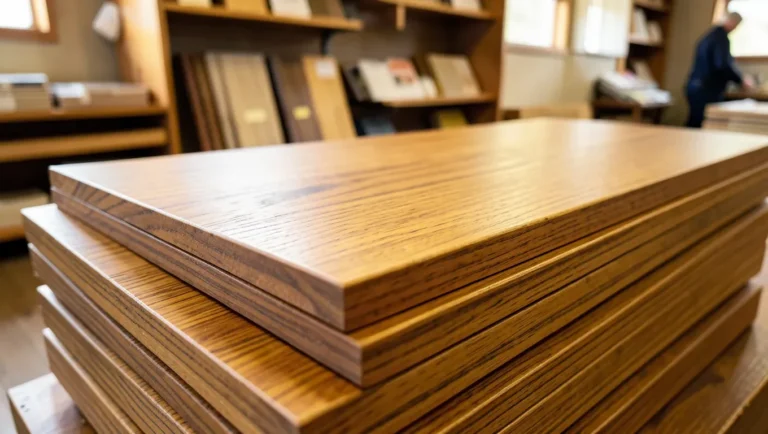
Beyond its oil content, teak is a dense hardwood that resists warping and cracking while remaining workable with standard tools. Its dimensional stability means it holds its shape across humidity and temperature swings, which is part of why it commands a premium among craftspeople who need consistent, long-term results.
- High Density: Teak’s density provides superior strength and resistance to damage without excessive weight.
- Dimensional Stability: Low shrinkage and expansion rates mean teak resists warping, twisting, or cracking from humidity changes.
- Screw Retention: Teak holds screws and fasteners well, which matters for furniture and structural joinery.
Sourcing and the Impact on Teak Costs
Teak’s properties explain why buyers want it; sourcing explains why it costs what it does. For the full price-by-grade breakdown with current per-board-foot numbers, see how much teak wood actually costs by grade and origin — this section covers why those numbers are what they are.
📊 Plantation-grown teak from Indonesia or Africa runs $20-$50 per board foot, while old-growth Burmese teak has been pushed past $80/board foot by tightening legal supply. Source: Woodshop News
Limited Availability and Geographical Constraints
Teak is primarily sourced from Myanmar (Burma), Thailand, Laos, and Indonesia — the regions with the tropical climate and soil conditions teak requires. Its slow growth rate compounds the geographic limits: a teak tree needs decades to mature enough for harvest, so supply can’t simply scale up to meet demand the way faster-growing species can.
- Specific Climate Requirements: Teak requires a tropical climate, limiting where it can be grown at all.
- Slow Growth Rate: The decades required to reach harvestable maturity add directly to scarcity.
- Forest Management Practices: Sustainable harvesting limits, applied for long-term forest health, cap how much comes to market each year.
- Global Demand: Demand from high-purchasing-power markets keeps pressure on a supply that can’t expand quickly.
Sustainable Forestry Practices and Certification
Forest Stewardship Council (FSC) certification verifies that teak was harvested under strict environmental and labor standards. That verification process, plus the more limited harvest volumes sustainable practices require, adds real cost — but it’s also what keeps a slow-growing species like teak available for future decades rather than being cut faster than it can regrow.
- FSC Certification: Verifies teak was harvested according to strict environmental and social standards.
- Traceability: Certification systems track the origin of teak wood so buyers can verify the source.
- Long-Term Availability: Sustainable harvest limits are what keep teak available for future generations rather than depleting supply faster.
Legal Implications and Trade Regulations
Teak trade is regulated internationally to prevent illegal logging, and compliance isn’t free. Documentation, inspections, and due-diligence paperwork required under these regulations add directly to the final price of legally sourced teak wood.
- CITES Compliance: The Convention on International Trade in Endangered Species regulates cross-border teak trade.
- Import Regulations: Many countries require documentation proving the legal origin of imported teak.
- Impact on Price: Inspections, paperwork, and compliance activity add to the overall landed cost of legal teak.
“Because costs are hovering around $80 per board foot, customers are increasingly turning to more affordable alternatives such as mahogany, sapele, and iroko.”
— Woodshop News, on the current teak market
Applications and Valuation
Teak’s price is easiest to justify once you see where it actually gets used: applications where an alternative wood would need constant sealant reapplication or would rot outright within a few seasons.
Teak in Boat Building
Teak has been a traditional boat-building material for centuries because its natural water and rot resistance suits marine environments better than almost any other wood. Teak decks remain standard on luxury yachts, where the wood’s ability to survive constant saltwater and sun exposure justifies the ongoing cost.
- Water Resistance: Natural oils repel water, preventing the water damage that’s common in marine environments.
- Non-Slip Surface: Teak’s texture provides grip that’s important for safety on wet boat decks.
- Maintenance: Teak needs less upkeep than other marine woods since it resists warping and rot on its own.
Furniture and Outdoor Applications
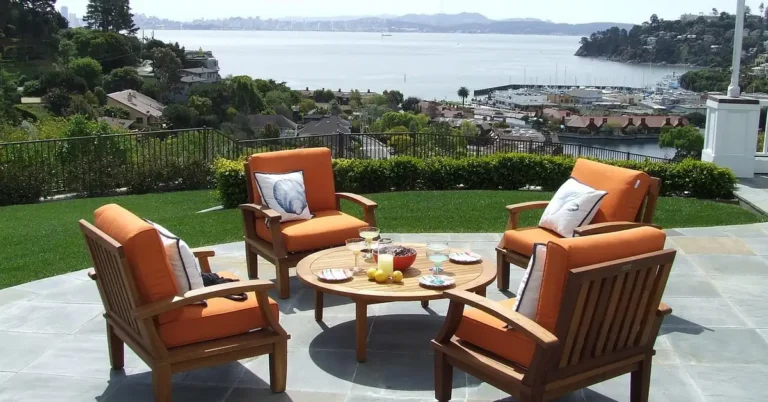
Teak furniture can stay outdoors year-round, gracefully aging to a silvery-gray patina rather than rotting or warping. That combination of near-zero maintenance and multi-decade lifespan is what buyers are paying for in outdoor furniture specifically, more than in almost any other application.
Architectural and Interior Uses
In architecture and interiors, teak shows up in flooring, paneling, doors, and window frames, largely because its moisture resistance suits bathrooms and kitchens where other hardwoods would eventually swell or warp. The expense is matched by longevity that other flooring-grade woods can’t offer in wet-adjacent rooms.
- Flooring: Teak flooring is prized for durability, water resistance, and appearance in high-traffic rooms.
- Doors and Windows: Teak resists weathering and rot, giving exterior doors and windows a longer service life.
- Custom Millwork: Teak’s workability suits built-in cabinets, shelving, and other decorative millwork.
| Application | Key Benefit | Why Teak Is Preferred |
|---|---|---|
| Boat Building | Water Resistance | Natural oils and density hold up in constant saltwater exposure. |
| Outdoor Furniture | Durability | Survives weather year-round with low maintenance. |
| Architectural/Interiors | Moisture Resistance | Handles bathrooms and kitchens without swelling or warping. |
Alternatives to Teak Wood
Because of teak’s cost, many buyers look at substitutes. The right one depends on your project’s look, durability needs, and budget — none of the alternatives below fully replicate teak, but each gets close on the properties that matter most for a given use.
Exploring Alternatives Like Iroko and Accoya
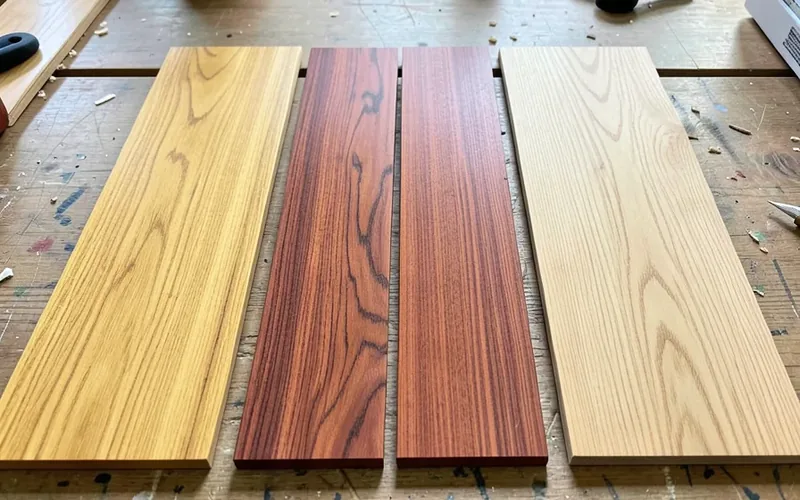
Iroko is the closest substitute for teak in appearance and weather resistance, and it’s often used in the same boat-building and outdoor furniture applications. Accoya, a modified wood product, achieves comparable stability through an acetylation process rather than natural oil content. Meranti and cedar cost less still but don’t match teak’s multi-decade outdoor lifespan.
- Iroko: Offers many of teak’s properties, including water resistance, at a lower price point — commonly used as a direct substitute in boat building and outdoor furniture.
- Meranti: A group of woods varying in appearance and properties, often used for window frames and other exterior trim.
- Accoya: A modified wood product with excellent durability and stability, commonly used in decking, siding, and outdoor furniture.
- Cedar: A warm-colored, naturally insect-repellent wood commonly used for siding, decks, and fences at a fraction of teak’s cost.
Frequently Asked Questions
Why is teak so expensive compared to other woods?
Teak is expensive due to a combination of factors: its natural oil content and durability, its slow growth rate (decades to reach harvestable maturity), limited plantation and old-growth supply from Southeast Asia, and the cost of legal, sustainably certified sourcing.
Is teak worth the investment?
Teak is a good investment for outdoor furniture, boat decking, or high-traffic applications since it lasts decades with minimal upkeep. For a one-time indoor project where longevity isn’t critical, a cheaper alternative like iroko or Accoya may be worth considering instead.
Where does teak wood come from?
Teak is primarily sourced from Myanmar (Burma), Thailand, Laos, and Indonesia, the regions with the tropical climate teak trees require. Plantation teak also comes from Africa and Central America, generally at a lower price point than old-growth Burmese teak.
What are some good alternatives to teak?
Iroko, Meranti, and Accoya are the most common substitutes. Iroko is closest in appearance and water resistance; Accoya is a modified wood engineered for similar stability; Meranti and cedar cost less but don’t match teak’s decades-long outdoor lifespan.
How do I care for teak furniture?
Regular cleaning with mild soapy water is usually enough. Some owners apply teak oil every few months to keep the golden color from fading to gray, though letting it weather naturally to a silvery patina is also a normal, low-maintenance option.
Final Thoughts
Teak’s price comes down to three compounding factors: natural oils and density that make it weather-resistant without sealant, a slow growth rate and limited tropical growing range that cap supply, and the cost of legal, sustainably certified sourcing. Together they explain why plantation teak runs $20-$50 per board foot while old-growth Burmese teak exceeds $80. If that price doesn’t fit your project, several woods are harder and cheaper than teak — iroko and Accoya are the closest substitutes worth pricing out first.
Sponsored / affiliate links. As an Amazon Associate I earn from qualifying purchases. I may earn additional commission from eligible campaigns.