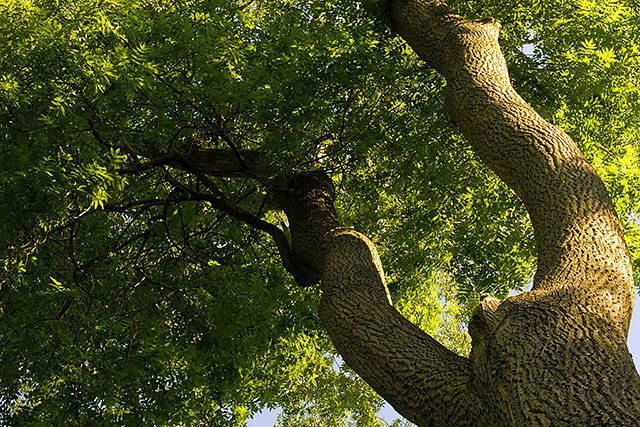
Where Does Ash Wood Come from: Discover Its Origins
Have you ever wondered about the origins of that beautiful ash wood table in your living room or the sturdy ash wood baseball bat you love using? Ash wood is not only known for its strength and flexibility, but also for its natural beauty, making it a favorite in furniture and sports equipment.
But where exactly does this remarkable wood come from? By the end of this article, you’ll not only have a clear understanding of ash wood’s origins, but you’ll also gain a deeper appreciation for its journey from forest to your home.
Stick around, and you’ll discover the fascinating story behind the wood that’s seamlessly become a part of your daily life.
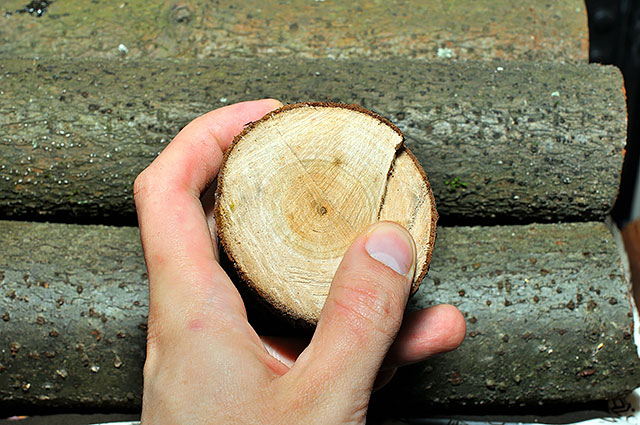
Credit: www.lignoma.com
Origins Of Ash Wood
Ash wood is popular and comes from the ash tree. These trees grow in many parts of the world. North America, Europe, and Asia have many ash trees. Each region has its own type of ash tree. This makes the wood unique.
The Fraxinus genus is the family for ash trees. They are strong and flexible. People love ash wood for its light color and smooth texture. It is used in furniture and sports equipment.
Ash trees need good soil to grow well. They like areas with lots of rain and sunlight. This helps them become tall and strong. Some ash trees can live for many years. This makes them a great source for wood.
Geographic Distribution
Ash wood is famous for its strength. It grows in many parts of the world. The native regions include Europe, Asia, and North America. In Europe, ash trees are common in forests. They grow in places like Scandinavia and the British Isles. In Asia, ash wood is found in countries such as China and Japan. North America has lots of ash trees too. They grow mainly in the United States and Canada.
Ash wood is now found worldwide. People use it for furniture and tools. Countries import ash wood for its quality. The spread has increased over the years. It grows well in various climates. Different regions have different types of ash wood. This makes it versatile for many uses. Exporting ash wood supports local economies. It helps meet global demand.
Types Of Ash Trees
White Ash is a popular tree for wood. It grows in the eastern United States. This tree can reach up to 80 feet tall. Its wood is strong and light. People use it for furniture and tools. White Ash leaves turn purple in autumn. These trees like moist soil. They are often found near rivers.
Green Ash is very common in North America. It grows fast and is easy to plant. This tree can survive in different soils. Its wood is used for baseball bats. Green Ash trees are great for parks. Their leaves turn bright yellow in fall. Many animals live in Green Ash trees.
Black Ash grows in swampy areas. Its wood is softer than other Ash trees. People use Black Ash for baskets. This tree is smaller and often found in wetlands. Black Ash leaves are dark green. They turn yellow in autumn. These trees support wildlife in their habitat.
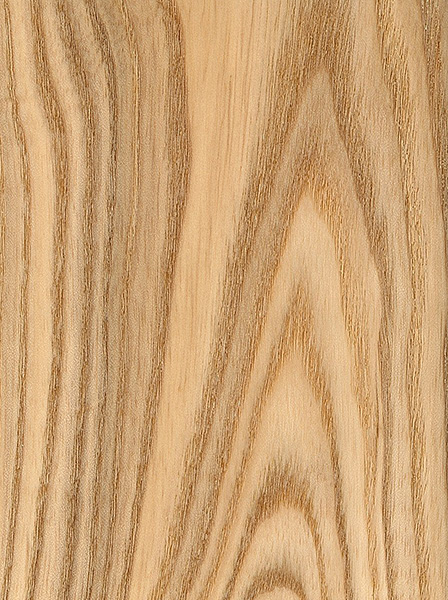
Credit: www.wood-database.com
Growth Conditions
Ash trees grow best in rich and moist soil. They like soil that is well-drained. It should not be too wet or too dry. Sandy or clay soils are not ideal. The soil should have lots of nutrients. This helps the trees grow strong and tall. Fertile soil is the best choice for ash trees.
Ash trees prefer temperate climates. They grow well where summers are warm. Winters should not be too cold. Mild winters help the trees survive. They enjoy places with good rainfall. This helps them stay healthy. Dry places can be hard for ash trees. They need enough water to thrive.
Environmental Impact
Ash wood plays a vital role in the environment. It provides shelter and food for many animals. Birds build nests on its branches. Squirrels find food and safety among its leaves. Ash trees help keep the air clean by absorbing carbon dioxide. They also produce oxygen, which humans need to breathe.
Ecosystem Benefits
Ash wood supports healthy ecosystems. Its leaves enrich the soil with nutrients. Insects use the tree as a habitat. Ash trees offer shade, cooling the ground. This helps other plants grow beneath them. Forests with ash wood are rich in biodiversity.
Conservation Concerns
Ash trees face threats from pests and diseases. The emerald ash borer is a dangerous insect. It can kill many ash trees quickly. Conservation efforts aim to protect these trees. People work to save ash wood from extinction. Healthy forests need ash trees to thrive.
Cultural And Historical Significance
Ash wood has a long history. People have used it for many things. One use is for making tools. Its strength makes it perfect for this. Furniture makers love ash wood too. It is strong yet light. Many old chairs and tables are made from ash. This wood is also used in sports. Baseball bats are often made from ash. Its smooth texture helps players hit the ball better. People also use ash wood for making musical instruments. The sound is warm and clear.
Ash wood holds special meaning in many cultures. It is often seen as a symbol of strength. Many stories and legends mention ash trees. In some places, ash is thought to bring good luck. People believe it can protect against evil. Some cultures see the ash tree as a link between heaven and earth. Its tall, straight trunk reaches up to the sky. This makes it a symbol of growth and connection. In art and literature, ash wood often represents resilience and hope.
Modern Uses Of Ash Wood
Ash wood is popular for making furniture. It is strong and durable. This wood has a light color. It matches many home styles. Chairs, tables, and cabinets use ash wood. The wood is easy to shape. It makes beautiful furniture pieces. Many people like it because it lasts long.
Many sports items use ash wood. Baseball bats are a common example. The wood is tough and flexible. This helps in making strong bats. Hockey sticks also use ash wood. It is lightweight and easy to handle. Sports players trust ash wood for its quality. It helps them perform better.
:max_bytes(150000):strip_icc()/white-ash-tree-3060b187af1b4767b214e9243273d1c3.jpg)
Credit: www.thespruce.com
Frequently Asked Questions
What Is The Source Of Wood Ash?
Wood ash originates from burning wood in fireplaces, stoves, or industrial processes. It consists of minerals and nutrients left after combustion. This byproduct is often used in gardening, composting, and as a natural fertilizer due to its potassium and calcium content.
Where Is Ash Wood Commonly Found?
Ash wood is commonly found in North America, Europe, and parts of Asia. It thrives in temperate forests and is particularly abundant in the eastern United States. Ash trees grow well in moist, well-drained soils, making them a popular choice for furniture and flooring.
Is Ash Tree Wood Good For Anything?
Ash tree wood is excellent for furniture, flooring, and sports equipment. It is durable and shock-resistant. Its attractive grain makes it ideal for cabinetry and decorative items. Woodworkers appreciate its flexibility and workability. Ash wood burns well, making it suitable for firewood.
Its qualities make it valuable in various applications.
What Is The Disadvantage Of Ash Wood?
Ash wood is prone to insect infestations, especially when not properly treated. It can also warp under high humidity. This wood may have inconsistent grain patterns, affecting aesthetic appeal. Ash wood tends to be less durable compared to other hardwoods, requiring regular maintenance to prolong its lifespan.
Conclusion
Ash wood holds a special place in woodworking. Its origins are diverse, spanning different regions. This wood’s strength and beauty make it popular. Many furniture pieces owe their durability to ash. Its light color and smooth texture enhance its appeal.
Craftsmen worldwide appreciate its workability. Sourcing ash wood sustainably is crucial. Preserving its natural habitats benefits both nature and industry. Understanding its origins helps make informed choices. When selecting materials, consider ash wood’s rich history. This knowledge can guide your next woodworking project.
So, explore ash wood’s potential, and create something lasting.