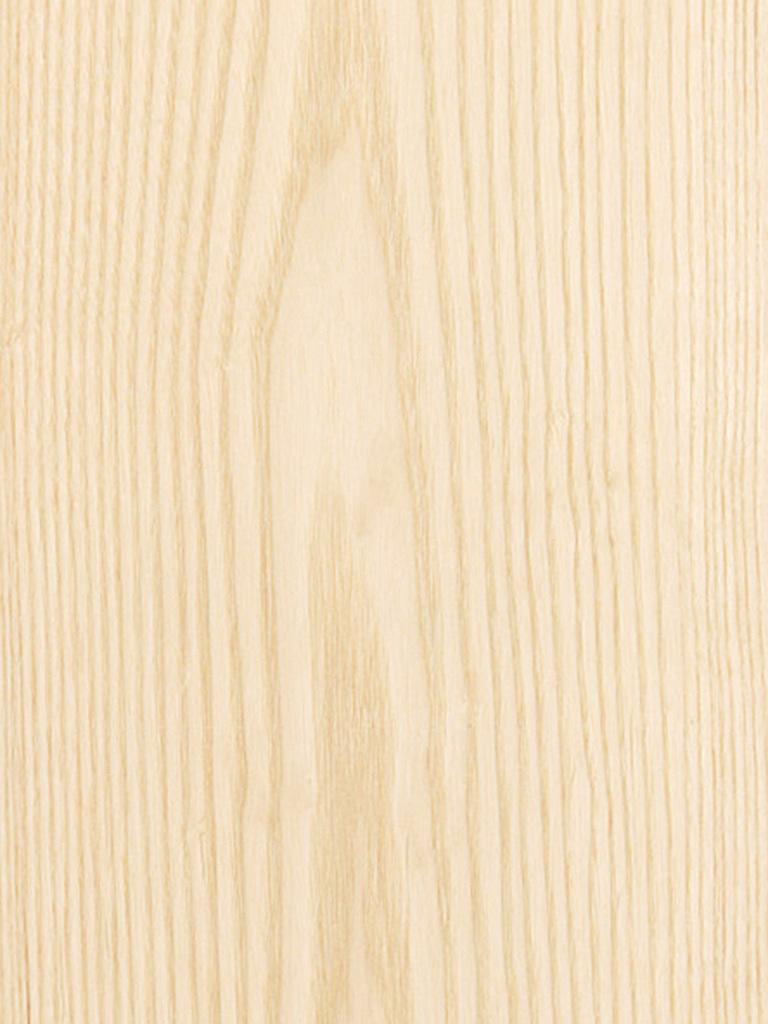
What Is Ash Wood Veneer? Grades, Cost & How It’s Applied
Ash wood veneer is a thin slice of real ash — typically about 1/40″ (0.6mm) thick — glued to a plywood, MDF, or paper backer so it looks and feels like solid ash without the weight or cost. White ash runs about 1320 lbf on the Janka hardness scale, close to red oak, which is part of why its straight, visible grain shows up so often on cabinet doors and table tops that need to survive daily use.
Below: where the veneer actually comes from, how it’s cut and backed, what it costs, and where solid ash still beats it.
Where Ash Veneer Comes From
Best Adhesive for Raw Veneer Application
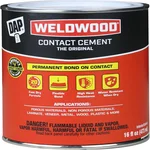 |
DAP Weldwood Original Contact Cement, 16 oz – $18.49 The standard shop adhesive for raw, unbacked veneer — listed by the manufacturer specifically for laminate and veneer work, not just general wood glue-ups.
|
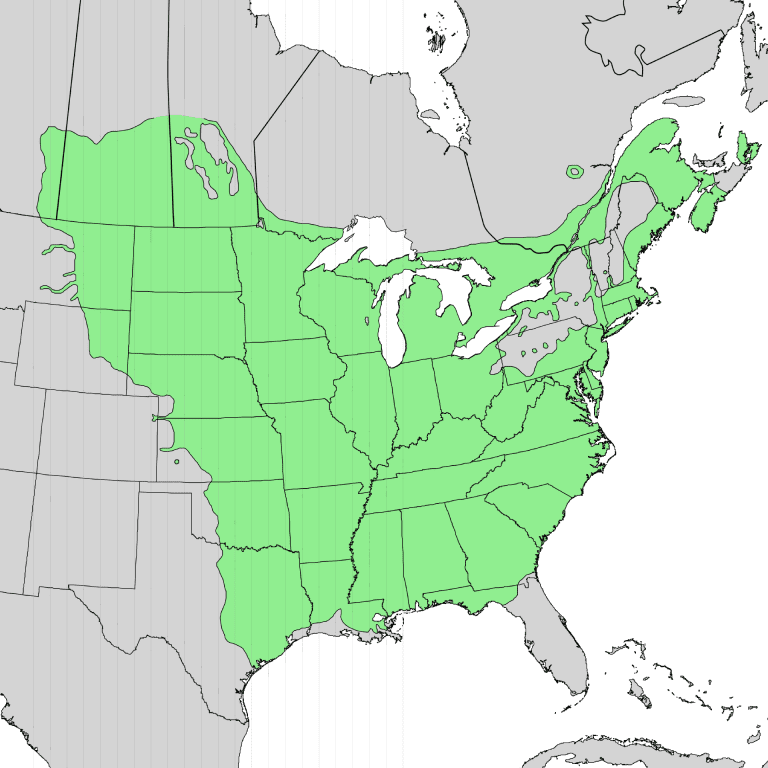
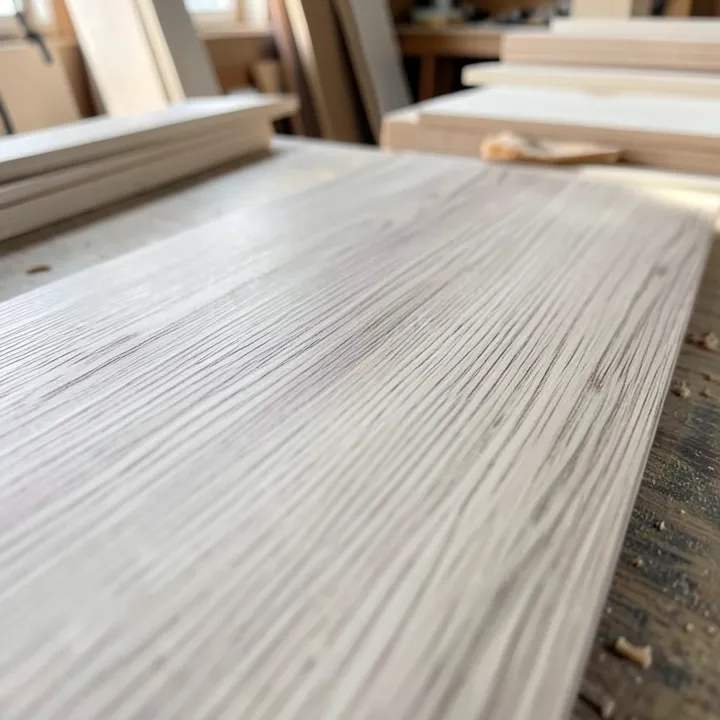
Ash trees grow across eastern North America and much of Europe, and white ash is the species most commonly sliced for veneer. The wood itself is pale — cream to light tan, occasionally with a faint pink or olive cast — with a grain that runs straighter and more evenly spaced than oak’s. That straightness is exactly why it’s a common veneer choice: it’s easier to match seams across multiple sheets on a large panel than it is with a wood that has heavy figure or color variation.
How It’s Cut and Backed
Most ash veneer is rotary-cut or flat-sliced (plain-sliced) from the log. Flat-slicing produces the straight, cathedral-topped grain pattern most people picture; rotary-cutting peels the log like a roll of paper and produces a wider, more irregular figure, usually used for utility-grade plywood faces rather than furniture fronts. After slicing, the veneer gets backed one of three ways: paper-backed (thin, flexible, the cheapest and most common for cabinet doors), wood-backed (glued to a thin wood substrate, more rigid, used for curved or high-wear surfaces), or raw/unbacked (for hand application with contact cement, the format hobbyists buy most often).
Applying Ash Veneer
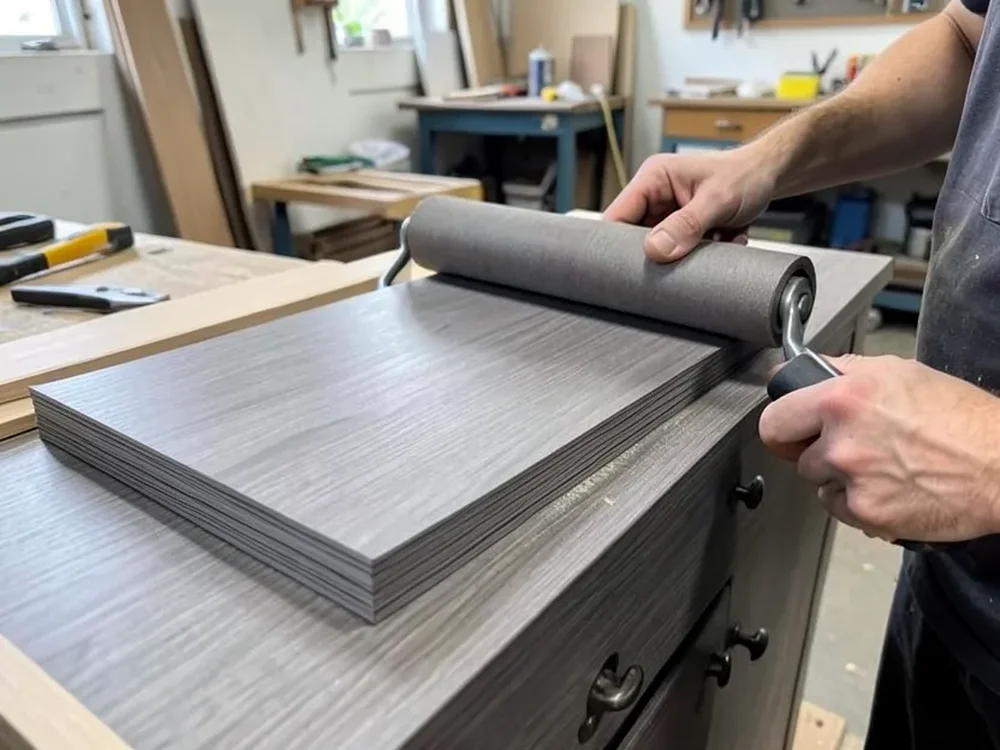
For raw veneer, coat both the substrate and the back of the veneer with contact cement, let both surfaces flash-dry until tacky (not wet), then align and press together starting from one edge — once contact cement bonds, it bonds, so there’s no sliding the sheet into position afterward. Roll the surface with a J-roller to force out air pockets, then trim the overhanging edges with a sharp utility knife or veneer trimmer once the adhesive has fully set.
Where It’s Actually Used
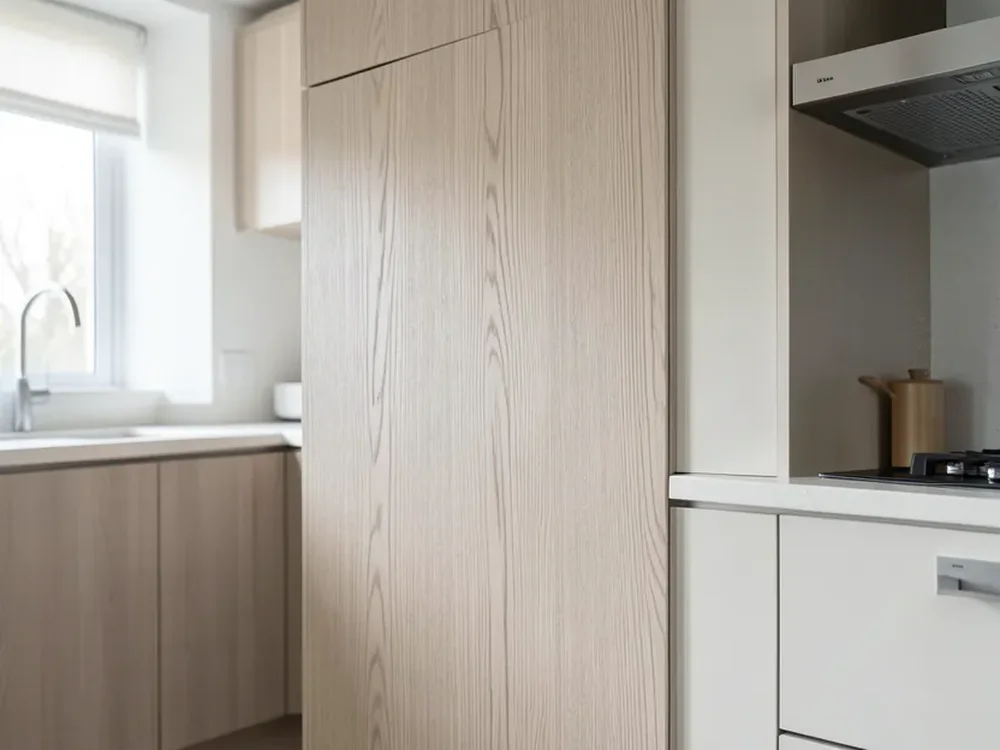
Cabinet doors and drawer fronts are the most common application, since a veneered panel core holds its shape better than solid ash across a wide door (solid wood panels that size need to be built to allow for seasonal movement; veneered plywood or MDF doesn’t). It also shows up on table tops, wall paneling, and architectural millwork where a large, continuous grain-matched surface would be prohibitively expensive in solid lumber. Because it’s thin and can be bent around a curved substrate, it’s also the practical choice for curved cabinetry and rounded furniture edges that solid ash boards can’t easily follow without steam-bending.
Ash Veneer vs. Solid Ash vs. Other Veneers
| Material | Cost | Stability | Repairability |
|---|---|---|---|
| Ash veneer | $1-$5/sq ft, varies by backer and grade | Very stable — substrate controls movement, not the thin ash layer | Can’t be sanded/refinished more than once or twice before cutting through the veneer layer |
| Solid ash lumber | Higher — roughly $6-$10+/board foot depending on grade and region | Moves seasonally with humidity; wide panels need breadboard ends or floating construction | Can be sanded and refinished many times over decades |
| Oak veneer | Comparable to ash | Similar | Similar, but oak’s open grain shows dents/scratches differently than ash’s tighter grain |
| Walnut veneer | Noticeably higher per sheet | Similar | Similar |
Care and Maintenance
Dust with a soft or microfiber cloth; a barely-damp cloth is fine for cleaning, but standing water is not — veneer’s thin glue line can lift if moisture sits on a seam or edge. Keep it out of direct sun where practical, since ash’s pale color will yellow or shift unevenly with prolonged UV exposure, and use coasters and trivets the same way you would on solid wood. Because the wood layer is thin, avoid sanding a veneered surface unless you know the veneer’s thickness and how much has already been removed — it’s easy to sand straight through to the substrate.
Frequently Asked Questions
Is Ash Veneer Good Quality?
Yes, for the applications it’s meant for. Ash veneer over a stable plywood or MDF substrate resists warping better than a same-size panel of solid ash, and its straight grain makes seams easier to match across a large surface. It’s not a substitute for solid wood where you need to sand and refinish repeatedly over decades — the veneer layer is too thin for that.
What Are The Disadvantages Of Ash Wood?
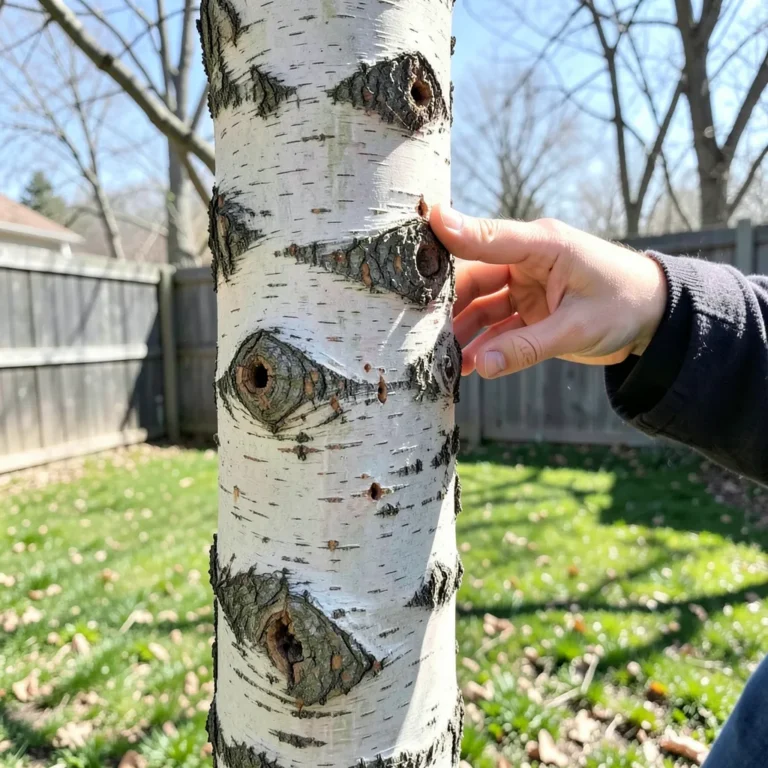
Ash is susceptible to powderpost beetle and emerald ash borer damage as standing timber (less relevant once it’s milled and finished), and its pale color shows water rings, stains, and UV yellowing more visibly than a darker wood would. As a veneer specifically, the main disadvantage is that the wood layer is too thin to sand through more than once or twice over the life of the piece.
Is Veneer Wood Real Wood?
Yes. Veneer is a thin slice of real, solid wood — typically around 1/40″ (0.6mm) for sliced veneer — bonded to a more dimensionally stable substrate like plywood or MDF. It’s not printed or synthetic; the visible surface is the actual species named on the product.
What Is The Cost Of Ash Veneer?
Raw ash veneer sheets typically run $1 to $5 per square foot depending on backing, grade, and supplier, with paper-backed sheets at the low end and wood-backed or premium-grade sheets higher. Prices shift with lumber markets, so check a current supplier quote before budgeting a project.
Conclusion
Ash veneer gives you real ash’s pale, straight-grained look on a panel that resists warping better than the equivalent solid board — at the cost of a wood layer too thin to refinish more than a couple of times. For cabinet doors, wide panels, and curved surfaces, that trade usually favors veneer; for a heirloom piece meant to be sanded and refinished for decades, solid ash still wins.
Sponsored / affiliate links. As an Amazon Associate I earn from qualifying purchases. I may earn additional commission from eligible campaigns.