How Much Ash Wood Do You Need? Board Foot Math for Your Project
Short answer: figure out your project’s total board feet with the standard formula – (thickness in inches × width in inches × length in inches) ÷ 144 – add each piece together, then add 15–20% on top for cutting waste, defects, and mistakes. That final number is what you should actually buy.
The Board Foot Formula
Best Tape Measure for Lumber Runs
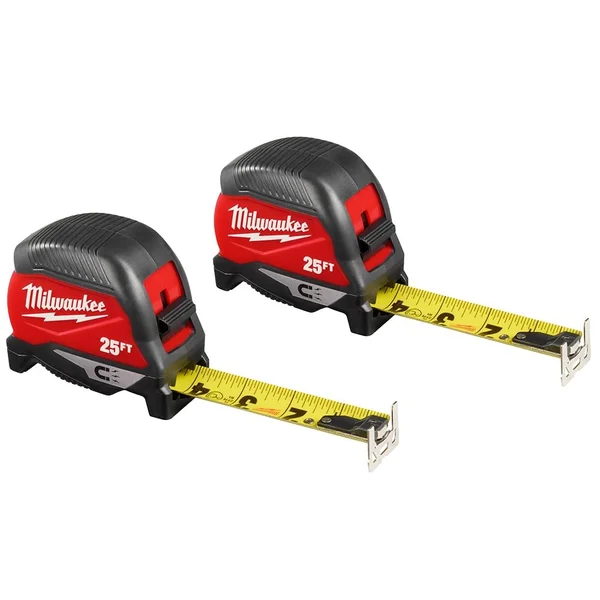 |
Milwaukee 25 ft Magnetic Tape Measure (2-Pack) – $54.99 Before you calculate board feet, you need accurate real-world dimensions – this is the tape most of our shop projects get measured with.
|
Lumber is priced and sold by the board foot, not by the individual board, so the first step is converting your project’s dimensions into that unit. One board foot equals a piece of wood 1 inch thick, 12 inches wide, and 12 inches long – or any combination of dimensions that gives you the same volume.
The formula: board feet = (thickness in inches × width in inches × length in inches) ÷ 144. If your lumber is sold by nominal thickness (like a rough 4/4 board, meaning 1 inch thick before surfacing), use that nominal thickness in the calculation, not the final surfaced thickness after planing – you’re buying the rough board, and mills price it that way.
Example: a board that’s 1 inch thick, 6 inches wide, and 8 feet (96 inches) long: (1 × 6 × 96) ÷ 144 = 4 board feet.
Add Up Every Piece, Then Add Waste
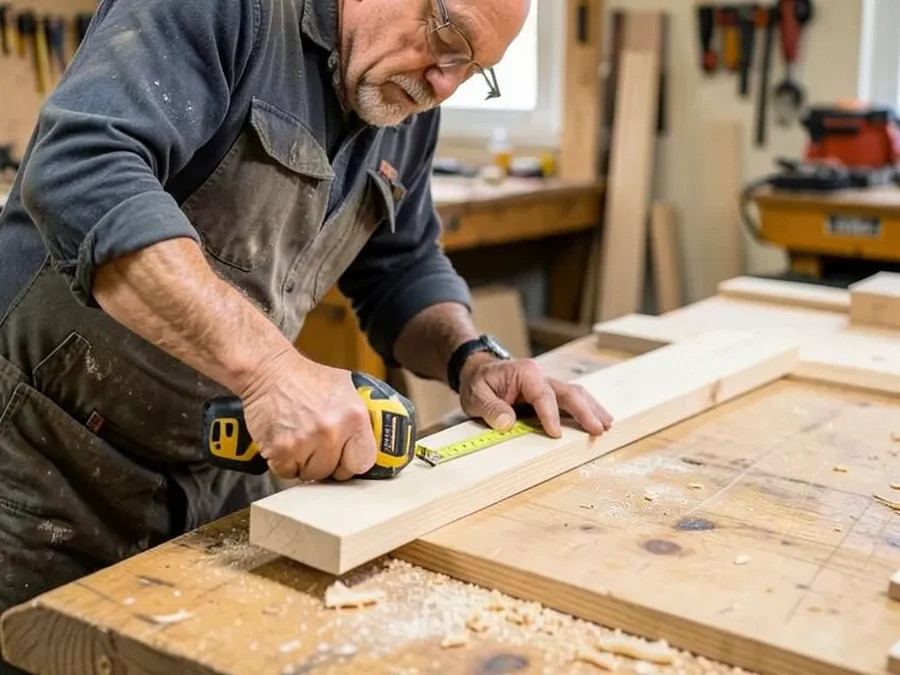
List out every individual piece your project’s cut list requires, calculate the board feet for each one, and add them together for a raw total. Then add a waste factor on top – a commonly used range is 15% for a simple project with few cuts, up to 20-25% for a project with a lot of angled cuts, figure-matching, or if you’re working with lower-grade lumber that’s likely to have more defects to cut around. Skipping this step is the single most common reason people come up short mid-project and have to make a second, often mismatched, lumber run.
Why Ash Costs More Than It Used To
If you’ve priced ash lumber recently and found it pricier or harder to find than you remember, that’s a real, documented supply issue – not just inflation. The emerald ash borer, an invasive beetle first detected in Michigan in 2002, has since spread through most of the eastern and central U.S. and killed hundreds of millions of ash trees. That’s meaningfully reduced the supply of ash sawtimber in many regions, and it’s worth knowing about if you’re trying to source a specific quantity and finding local suppliers with thinner stock than you expected. If ash is scarce or pricier in your area, red oak is a common substitute with a similar Janka hardness (roughly 1,290 lbf for red oak vs. roughly 1,320 lbf for white ash) and a broadly similar open, straight grain.
What Ash Is Actually Good For
White ash earned its reputation for tool handles, baseball bats, oars, and hockey sticks for a real mechanical reason: it has an unusually good strength-to-weight ratio and absorbs shock well without splintering the way some other hardwoods do under repeated impact. For furniture and general shop projects, that same toughness makes it a solid, stable choice, though its light tan color and open grain mean it takes stain a bit unevenly unless you use a pre-stain conditioner first, similar to oak.
Frequently Asked Questions
How do I calculate how much wood I need for a project?
Use the board foot formula – (thickness × width × length in inches) ÷ 144 – for every piece in your cut list, add the totals together, then add 15-20% extra for waste from cutting, defects, and mistakes.
Why is ash wood more expensive now?
The emerald ash borer, an invasive beetle that’s spread through most of the eastern and central U.S. since 2002, has killed a huge number of ash trees and reduced the available sawtimber supply in many regions, pushing prices up and availability down at some local suppliers.
What can I use instead of ash wood?
Red oak is a common substitute with a similar Janka hardness and a broadly similar open, straight grain, and it’s typically more widely available.
Is ash a hard or soft wood?
Ash is a hardwood (from a deciduous tree), with a Janka hardness of roughly 1,320 lbf for white ash – in a similar range to red oak and harder than woods like pine or poplar.
Conclusion
Calculate your project’s total board feet with the standard formula, add every piece in your cut list together, then buy 15-20% more than the raw total to cover waste. If local ash is scarce or pricier than expected, that’s a real supply issue tied to the emerald ash borer, and red oak is a reasonable substitute with similar hardness.
Sponsored / affiliate links. As an Amazon Associate I earn from qualifying purchases. I may earn additional commission from eligible campaigns.
 Cherry Wood 4 Pack Hardwood Project Board Blanks, 12 x 6 x 1/4 inches, Unfinished Lumber Planks for DIY Crafts, Carving, Laser Engraving or Scroll Saw - Thin Wood
 FIXOSHEE Sturdy Solid Wood Board for Projects Rectangular Furniture Divider Panel for Home Decor Versatile Crafting Material Unfinished Wood Board