Why Doesn’t Walmart Use MDF: Unveiling the Reasons
Have you ever strolled through Walmart’s aisles and wondered why their furniture isn’t made from MDF? You’re not alone.
Many people are curious about the material choices behind Walmart’s products. MDF, or Medium-Density Fiberboard, is a popular choice in the furniture industry due to its affordability and versatility. Yet, Walmart seems to steer clear of it. This might make you question if there’s something you’re missing about MDF or if Walmart knows something you don’t.
By the end of this article, you’ll uncover the reasons behind Walmart’s decisions, and who knows? You might even rethink your own furniture choices. So, let’s dive in and see what really goes into Walmart’s material selection!
Credit: www.homedepot.com
Walmart’s Material Choices
Walmart uses many strong materials for its products. MDF is not strong enough. It can break easily. MDF is made from wood fibers. These fibers are held by glue. This makes it less durable. Durable materials last longer. They can hold more weight. Walmart needs materials that are strong and lasting. MDF might not hold heavy items well. It might bend or crack.
Also, MDF is not water-resistant. Water can damage MDF quickly. Wet MDF can swell and lose shape. Walmart wants products that resist water. This keeps them looking good longer. People want products that stay nice for years. Strong and water-resistant materials help with this.
Understanding MDF
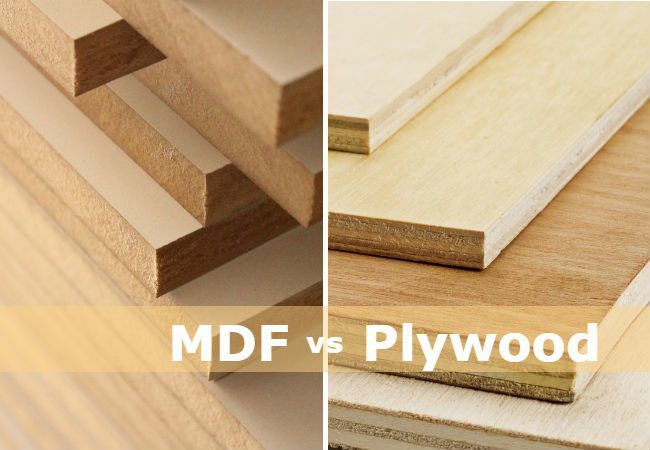
MDF stands for Medium Density Fiberboard. It is a type of wood product. People make it by breaking down hardwood or softwood. The wood is turned into wood fibers. Then, they mix it with wax and resin. They form the mixture into panels. The panels are then dried in a big oven. MDF is smooth and has no knots.
Many people like MDF because it is cheap. It is also easy to cut and shape. Many furniture makers use it. MDF can be painted easily. It looks good in homes and offices. But it has its problems too.
MDF can be weak. It breaks easily if it gets wet. Water can make it swell. It can also release formaldehyde, a harmful chemical. This can be bad for health. Some people do not like this.
Durability And Longevity
MDF, or Medium Density Fiberboard, is not very strong. It can break easily with pressure. Walmart needs materials that last a long time. Durability is key for big stores like Walmart. They have many customers daily. They want shelves and furniture to stay strong. Solid wood and other materials are better. These do not break or wear out fast. MDF can get damaged by water. Water damage makes it swell and lose shape. This is not good for a busy store. Long-lasting items save money over time. Choosing the right materials is smart for them.

Credit: www.walmart.com
Cost Considerations
MDF, or Medium Density Fiberboard, is cheaper than solid wood. But Walmart often chooses other materials. Why? Because durability matters. MDF is not as strong. It can break easily. Walmart sells products that last long. Customers want quality. They want things that do not break.
Using MDF may save money first. But repair costs can be high later. Customers might return broken items. Returns cost money. Walmart avoids these costs. They choose better materials. This means fewer returns. Happy customers mean more sales.
Balancing cost and quality is key. Cheaper materials can be tempting. But quality keeps customers coming back. Walmart knows this well. They want the best for their shoppers.
Environmental Impact
Walmart avoids using MDF due to its environmental impact. MDF is made from wood fibers and resins. These resins release harmful chemicals into the air. This can be bad for the environment and people’s health.
MDF is not biodegradable. It stays in landfills for a long time. This increases waste problems. Walmart prefers materials that are better for the planet.
Using MDF might not match Walmart’s green goals. They want to reduce their carbon footprint. Choosing other materials helps them do this. This is important for big companies like Walmart.

Credit: www.mdfcommerce.com
Health And Safety Concerns
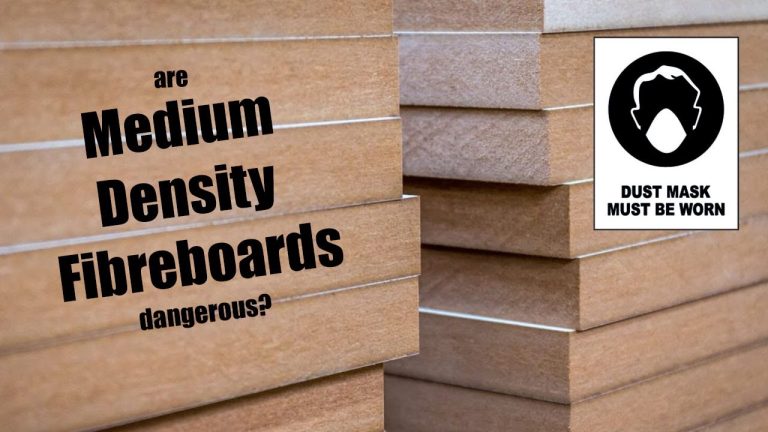
MDF stands for Medium-Density Fiberboard. It’s made from wood fibers and glue. This glue contains formaldehyde. Formaldehyde is a harmful chemical. It can cause health problems. Breathing it in is not safe. It can irritate eyes and throat. Long exposure may lead to serious health issues.
Walmart cares about customer safety. They avoid using materials with harmful chemicals. This includes MDF. Health risks are a big concern. People want safe products. Using MDF might not be the best choice. Walmart chooses safer materials. This keeps customers happy and healthy.
Consumer Preferences
Shoppers often prefer durable and reliable materials. MDF, or medium-density fiberboard, is less durable than other wood products. It may not withstand heavy use. Customers want products that last. They seek quality and longevity in furniture. Solid wood or plywood are better choices. These materials are stronger. They provide better value for money. Consumers also care about appearance. MDF can look cheap. This affects buying decisions. Shoppers value products that look nice and feel sturdy. It matters to them.
Competitive Positioning
Walmart is known for low prices and many options. This helps them stay ahead. They choose strong materials to keep products lasting. MDF is cheap but not very strong. It can break easily. Choosing better materials makes customers happy. It shows that Walmart cares about quality.
Strong materials help avoid problems. Customers trust products more. Walmart competes with other stores. Quality helps them win. Using good materials builds the brand’s name. It’s important for long-term success. Happy customers come back again and again.
Future Material Trends
New materials are changing how we build things. Eco-friendly materials are very popular. People want items that do not harm the planet. Bamboo and recycled plastic are two examples. They are strong and last a long time. Smart materials are also becoming common. They can change shape or color. This makes them very useful. For example, some can block out sunlight. This keeps rooms cool.
3D printing is also a big trend. This lets us create things quickly. It uses less material. This is good for the environment. Many companies want to use these new materials. They want to make better products. These trends will grow in the future.
Frequently Asked Questions
Why Doesn’t Walmart Use MDF?
Walmart prioritizes durability and cost-effectiveness. MDF lacks the strength of other materials, making it less suitable for heavy-duty retail use. The company often chooses materials like particleboard and plywood, which offer better stability and longevity for shelving and fixtures, ensuring safe storage and customer satisfaction.
Is MDF More Expensive Than Other Materials?
MDF is generally cheaper than solid wood but can be more expensive than particleboard. Its cost depends on the quality and thickness. Walmart often selects materials that balance cost and durability, ensuring their fixtures withstand heavy use while keeping expenses in check.
What Are The Drawbacks Of MDF?
MDF is prone to moisture damage and can sag under heavy loads. It may emit formaldehyde, a concern for indoor air quality. These issues make MDF less ideal for Walmart, which needs reliable materials for high-traffic environments, ensuring safety and longevity in their stores.
Does Walmart Use Eco-friendly Materials?
Walmart increasingly uses eco-friendly materials for sustainability. They prefer materials that are recyclable or have a lower environmental impact. MDF, often made with formaldehyde, may not align with Walmart’s sustainability goals, prompting them to choose greener alternatives for their fixtures.
Conclusion
Walmart opts for durable materials over MDF. Quality matters to them. MDF can warp or damage easily. Not ideal for heavy use. Customers expect long-lasting products. Walmart delivers that promise. They choose materials ensuring reliability and satisfaction. This builds trust with shoppers.
Consistency in quality is key. Their choice reflects careful consideration. Understanding customer needs guides their decisions. This strategy benefits both the company and consumers. It ensures they provide value. Meeting expectations strengthens customer loyalty. That’s crucial in retail success.