Why is MDF Bad for the Environment: Hidden Dangers
Have you ever wondered about the hidden impacts of the materials you use in your home or office? You might be surprised to learn that MDF, or Medium Density Fiberboard, could be harming the environment more than you think.
As you make choices about furniture or renovation projects, understanding the environmental footprint of MDF is crucial. This seemingly convenient and cost-effective material might be contributing to pollution and deforestation. By diving into the environmental downsides of MDF, you will gain insights that could transform the way you approach sustainable living.
Discover how your choices can make a difference, and why it’s time to reconsider MDF as a go-to option. Keep reading to uncover the truth behind MDF and how you can contribute to a healthier planet.
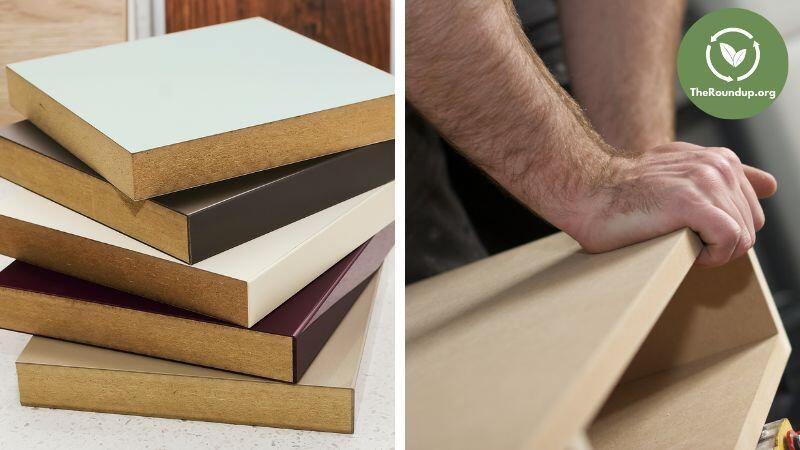
Credit: theroundup.org
MDF Composition
MDF is made from wood fiberstrees. Using these fibers can harm forests. It leads to deforestation. Forests are very important. They help the environment. They clean the air. They provide homes for animals. Losing forests is bad. It reduces biodiversity. The earth becomes hotter.
MDF uses resins and adhesives. These materials are not natural. They come from chemicals. Chemicals can be toxic. When MDF is made, these chemicals release gases. These gases are harmful. They pollute the air. They make people sick. Breathing these gases can cause problems. It is not good for health.
Manufacturing Process
MDF uses a lot of wood fibers. Many trees are cut down for this. Cutting trees harms the environment. It leads to deforestation. Fewer trees mean less clean air. Animals lose their homes too. This is not good for nature. MDF also needs chemicals. These chemicals can be harmful. They might pollute water and soil.
Making MDF needs a lot of energy. Factories use big machines. These machines need power. Power comes from burning fossil fuels. Burning fuels creates pollution. It releases greenhouse gases. These gases warm the Earth. The Earth gets hotter. This causes climate change. Climate change affects us all. It is bad for our planet.
Chemical Emissions
MDF releases formaldehyde, a harmful chemical. This can affect the air quality. Breathing in formaldehyde can be bad for health. It can cause headaches and eye irritation. Over time, it might even lead to more serious health problems. Many countries have rules about formaldehyde levels. But MDF can still release this chemical. Keeping rooms well-ventilated can help reduce exposure.
MDF also releases volatile organic compounds (VOCs). These are chemicals that turn into gases. VOCs can add to air pollution. They can cause smog and harm the environment. Inside homes, VOCs can affect indoor air quality. Breathing them in can cause dizziness or nausea. To stay safe, use MDF products with low VOC levels. Always check labels before buying MDF. This helps in choosing safer options.
Health Impacts
MDF, or Medium-Density Fiberboard, contains formaldehyde. This is a harmful chemical. Breathing it can cause breathing problems. Dust from cutting MDF can also be harmful. It can irritate the nose and throat. People with asthma may find it harder to breathe. Always use a mask and work in a well-ventilated area.
Being around MDF for a long time can be risky. Formaldehyde is linked to some cancers. It is classified as a potential carcinogen. Long-term exposure increases the risk. It is important to take precautions. Always store MDF in safe places. Avoid using it in bedrooms or small spaces.
Waste Management Challenges
MDF is made from glue and wood fibers. It does not break down naturally. This makes it a big problem for the environment. MDF waste stays in landfills for a long time. It takes up space and harms the planet. Managing MDF waste is difficult because it does not rot. This type of waste can pollute soil and water. It also affects plants and animals badly.
MDF is hard to recycle. The glue makes recycling tough. Recycling MDF needs special machines. Many places do not have these machines. This makes it hard to reuse MDF waste. The recycling process can be costly. Many people choose not to recycle MDF. Limited recycling options mean more waste. This adds to environmental problems.
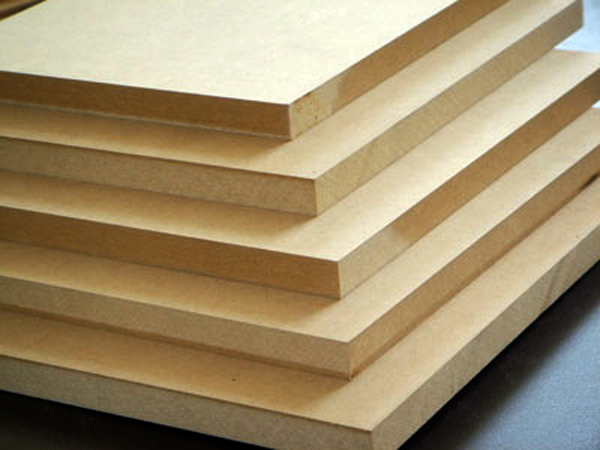
Credit: ecofriend.com
Environmental Pollution
MDF, or Medium-Density Fiberboard, can be harmful to water sources. It often contains formaldehyde, a chemical that can leak into rivers and lakes. This chemical is toxic and can hurt fish and plants. People who drink polluted water can also get sick. Factories making MDF may release waste into water bodies. This can lead to more pollution. Protecting our water is very important. Clean water means healthy people and animals.
MDF production releases dust into the air. This dust can cause breathing problems. People working with MDF should wear masks. The air around factories can be dirty and unsafe. Formaldehyde is also released into the air. Breathing in this chemical can make people cough and feel sick. Keeping the air clean is important for everyone. Fresh air helps us stay healthy and strong.
Sustainability Alternatives
Bamboo grows fast. It is strong and durable. Recycled wood is another option. It uses old wood, saving trees. Cork is soft and renewable. It comes from tree bark. Strawboard is made from straw waste. It is easy to recycle. Reclaimed wood has a unique look. It saves old wood from landfills. Recycled plastic can be shaped into furniture. It’s durable and water-resistant. These materials help the environment. They reduce waste. Choose eco-friendly options for a better world.
3D printing can make furniture. It uses less material. Biodegradable materials break down fast. They leave no waste. Modular furniture is easy to move. It lasts a long time. Solar-powered production saves energy. It uses the sun’s power. Smart designs save space. They use fewer materials. Green technologies help factories. They reduce pollution. These solutions are good for the planet. They make life better. Choose innovative ideas for a cleaner earth.

Credit: shapestack.com
Frequently Asked Questions
Why Is MDF Not Environmentally Friendly?
MDF releases harmful formaldehyde into the air. Its production involves energy-intensive processes. It is not biodegradable and difficult to recycle, contributing to environmental waste. MDF uses non-renewable resources, impacting sustainability. Its adhesives and resins can leach toxins, causing pollution. These factors make MDF environmentally unfriendly.
What Are 3 Disadvantages Of MDF?
MDF swells and warps when exposed to moisture. It lacks the strength of solid wood. MDF releases formaldehyde, a harmful chemical.
Why Is MDF Banned In America?
MDF is not banned in America. Concerns arise due to formaldehyde emissions, prompting safety regulations. Ensure proper ventilation during use.
What Are The Dangers Of MDF?
MDF emits formaldehyde, a potential carcinogen, posing health risks when inhaled. Dust from cutting MDF can irritate eyes and lungs. Proper ventilation and masks reduce exposure.
Conclusion
MDF poses environmental challenges. It uses chemicals that harm the planet. Production of MDF contributes to deforestation. This leads to loss of wildlife habitats. Glue in MDF releases harmful gases. These gases pollute our air. MDF is hard to recycle.
Most MDF ends up in landfills. It breaks down slowly, adding to waste. Choosing eco-friendly alternatives is crucial. We can protect our environment. Small changes make a big difference. Let’s opt for sustainable materials. Our choices today shape the future.
Make informed decisions for a healthier planet.