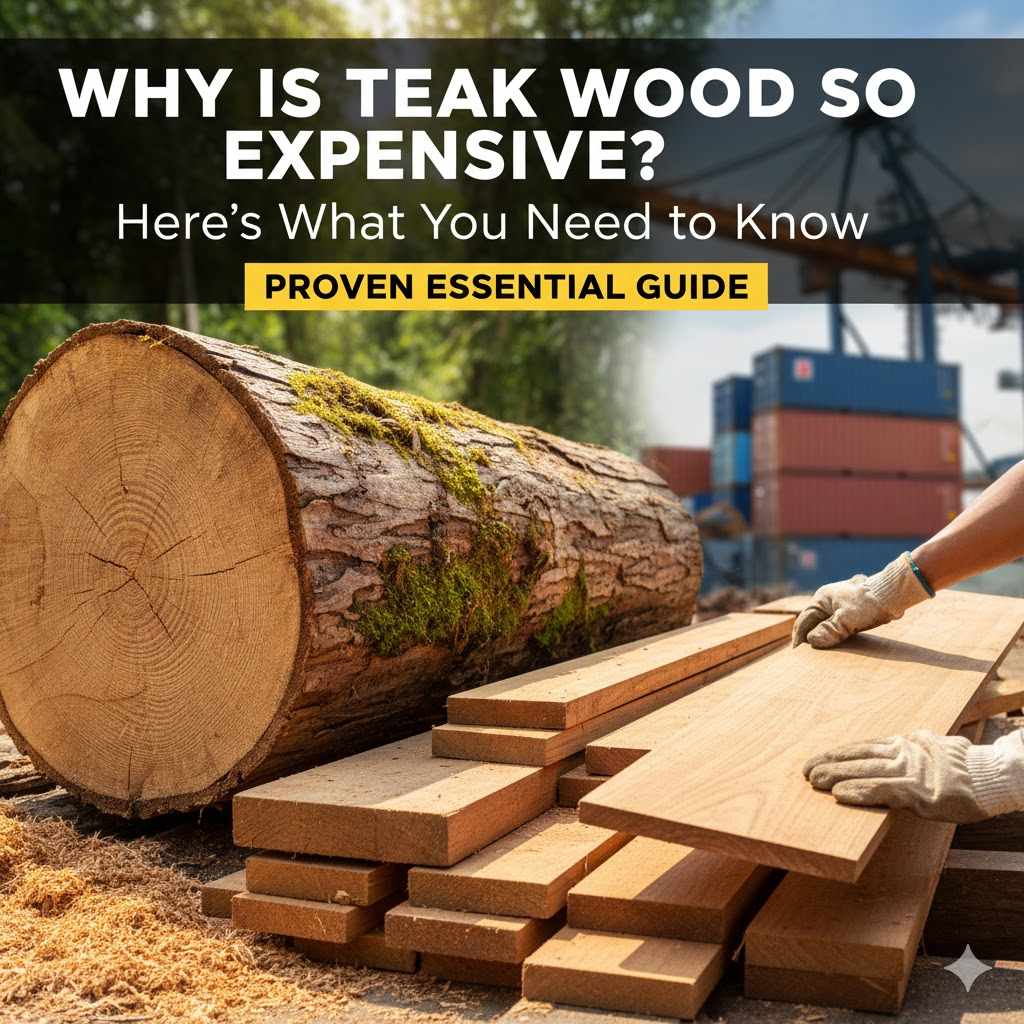
Why Is Teak Wood So Expensive? Here’s What You Need to Know
If you’ve ever wondered Why Is Teak Wood So Expensive? Real Reasons Explained, you’re not alone! It’s a common question for anyone interested in furniture, boats, or outdoor projects. The price tag on teak can be surprising. Don’t worry, we’ll break down the factors step-by-step in plain language. We’ll explore the reasons behind teak’s high cost, so you can make informed decisions. Let’s find out exactly what makes teak so special!
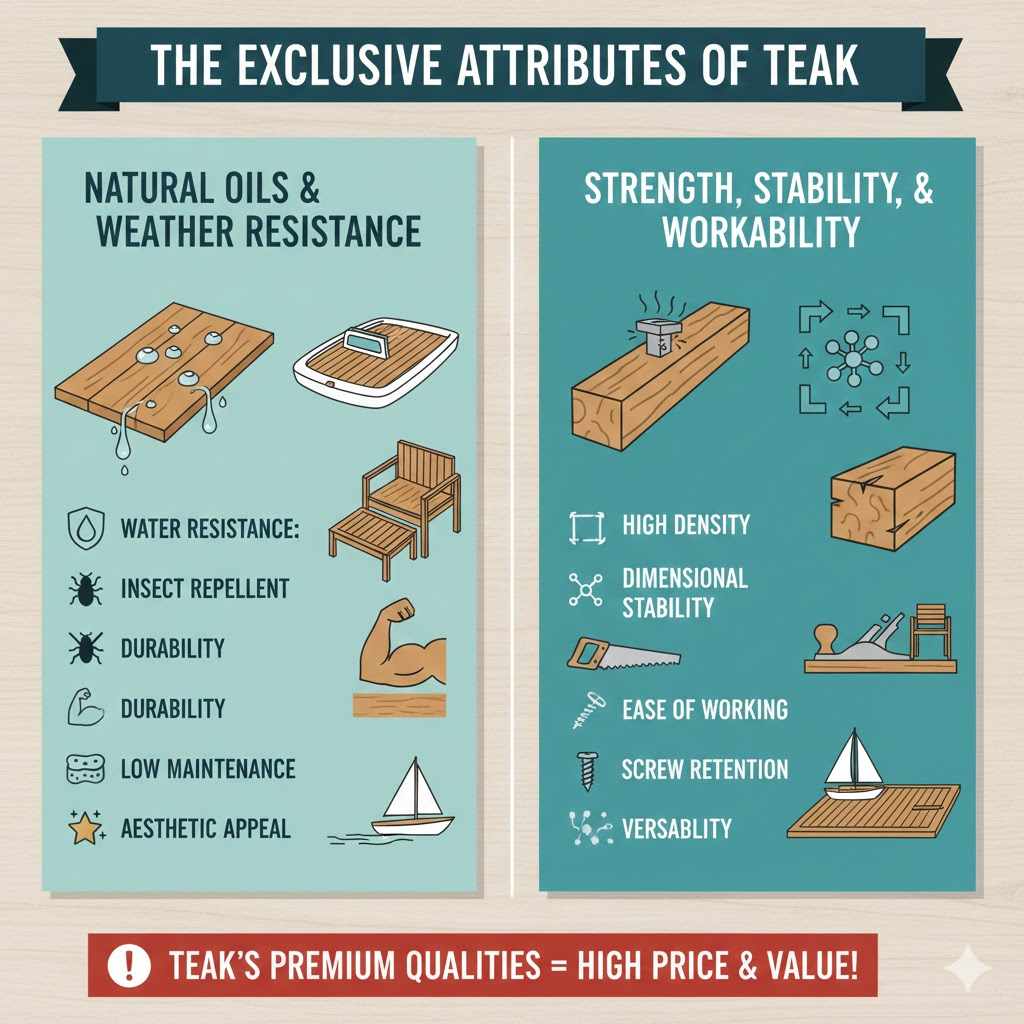
The Exclusive Attributes of Teak
Teak wood is renowned for its exceptional properties, setting it apart from other types of lumber. It’s a premium material that has been valued for centuries. These special qualities contribute significantly to its high price. These qualities, combined with factors like scarcity and high demand, create a perfect storm, resulting in elevated teak prices. You’ll learn the reasons that position teak as an elite choice for various applications.
Natural Oils and Weather Resistance
One of the most important aspects of teak is its high oil content. This natural oil acts as a barrier, protecting the wood from moisture, insects, and decay. Unlike many other woods, teak doesn’t require constant treatment with sealants or varnishes. The oil makes it naturally water-resistant and durable. Teak’s resistance to weathering makes it ideal for outdoor use. Whether it’s the harsh sun or heavy rain, teak can withstand these elements. This longevity ensures that products made from teak last for many years. This resistance also means teak is often the choice for demanding environments like boat decks and outdoor furniture.
- Water Resistance: The natural oils in teak repel water, preventing swelling, warping, and cracking. This is vital in outdoor settings or areas with high humidity.
- Insect Repellent: Teak’s oils act as a natural insect repellent. This reduces the risk of pest damage.
- Durability: Teak’s inherent strength and resistance to the elements lead to exceptional longevity. Properly cared-for teak can last for decades.
- Low Maintenance: Because of its natural properties, teak requires minimal upkeep. Regular cleaning is often all that is needed to maintain its beauty.
- Aesthetic Appeal: The golden-brown color and rich grain of teak offer a visually appealing look. Its beauty makes it a popular choice for high-end furniture and décor.
Strength, Stability, and Workability
Beyond its oil content, teak is also known for its strength and stability. It’s a dense hardwood, meaning it can withstand considerable wear and tear. This strength makes teak appropriate for both structural and decorative applications. It’s also resistant to warping and cracking, making it a reliable material. Workability is also a benefit: teak is relatively easy to work with, despite its density. It can be cut, shaped, and joined without excessive effort. Its dimensional stability means it holds its shape well over time. Therefore, it is a favored material among craftspeople and manufacturers. The timber’s stability leads to its long life and consistent appearance.
- High Density: Teak’s density provides superior strength and resistance to damage. It can bear significant weight without showing signs of stress.
- Dimensional Stability: Teak has a low shrinkage and expansion rate. This means it resists warping, twisting, or cracking due to changes in humidity or temperature.
- Ease of Working: Despite its density, teak can be worked with both hand tools and machines. It can be easily cut, shaped, and assembled.
- Screw Retention: Teak holds screws and other fasteners very well. This property is crucial for the construction of furniture and other structures.
- Versatility: Teak is suitable for many applications, including boat building, furniture, decking, and more. This versatility adds to its value.
Sourcing and the Impact on Teak Costs
The origins and harvesting of teak play a significant role in its price. Teak doesn’t grow just anywhere; it thrives in specific climates. The demand for teak, especially from sustainable sources, has grown. This leads to higher prices. The cost reflects the challenges of cultivation, harvesting, and responsible forestry practices. To truly understand the price, we will investigate the main sources, legal implications, and responsible harvesting methods.
Limited Availability and Geographical Constraints
Teak is primarily sourced from specific regions of the world. Myanmar (Burma), Thailand, Laos, and Indonesia are major producers. These locations have the right climate and soil conditions for teak trees to flourish. The slow growth rate of teak contributes to its limited supply. It can take many years for a teak tree to mature enough for harvest. The geographical constraints and the growth rate limit the amount of teak that’s available. This scarcity drives up its market price. Climate changes and forest management decisions in these regions also have a direct impact on the global supply.
- Specific Climate Requirements: Teak requires a tropical climate. This limits its growth to certain geographical regions.
- Slow Growth Rate: Teak trees grow slowly. The lengthy time required to reach maturity and harvest adds to the scarcity.
- Forest Management Practices: Sustainable forest management practices, which ensure the responsible harvesting of teak, can impact availability.
- International Regulations: International laws and regulations on timber harvesting and trade can affect the availability and supply of teak.
- Global Demand: The worldwide demand for teak, especially from countries with high purchasing power, puts pressure on supply.
Sustainable Forestry Practices and Certification
The demand for sustainably sourced teak is growing. Certification programs, such as the Forest Stewardship Council (FSC), ensure that the teak has been harvested responsibly. These programs set strict guidelines for forest management. This includes protecting biodiversity and ensuring fair treatment of workers. Buying FSC-certified teak helps to support sustainable forestry. Although the practices often increase the cost, the benefits include long-term forest health. It helps to conserve natural resources. The price of teak often includes costs associated with these certifications and responsible harvesting practices.
- FSC Certification: The Forest Stewardship Council (FSC) provides a certification process that verifies responsible forest management. FSC-certified teak is harvested according to strict environmental and social standards.
- Reduced Environmental Impact: Sustainable forestry practices aim to reduce the impact of harvesting on forests. This includes minimal deforestation and preventing soil erosion.
- Social Responsibility: Sustainable forestry often includes fair treatment of forestry workers. It ensures that communities near teak forests benefit from their resources.
- Traceability: Certification systems provide traceability. This helps to track the origin of teak wood. Consumers can verify the source of the teak.
- Long-Term Availability: The adoption of sustainable practices promotes long-term availability. The ongoing health of the forests makes sure that there is an adequate supply for future generations.
Legal Implications and Trade Regulations
The trade of teak wood is subject to various international and national laws and regulations. These exist to prevent illegal logging and protect endangered species. The implementation of trade regulations can affect the price of teak. The processes involved in ensuring compliance with these laws are costly. They also add to the final price of the product. The legal and ethical sourcing of teak has become increasingly important. The consumer’s desire for responsibly sourced products drives the demand for wood from legal suppliers. Trade regulations help ensure responsible and transparent sourcing of teak.
- CITES Compliance: The Convention on International Trade in Endangered Species (CITES) regulates the trade of certain tree species. Teak is subject to these regulations.
- Import Regulations: Many countries have import regulations that require documentation to prove the legal origin of teak. These measures help to prevent illegal timber from entering the market.
- Due Diligence: Importers and sellers of teak must practice due diligence. This means taking steps to ensure that their teak has been harvested legally.
- Transparency: Regulations promote transparency in the teak supply chain. This helps consumers track the origin of the product.
- Impact on Price: Legal compliance and trade regulations add to the overall cost of teak. The cost involves inspections, paperwork, and other compliance activities.
Applications and Valuation
The uses of teak reflect its unique properties and contribute to its high value. Whether it’s outdoor furniture, boat construction, or architectural elements, its durability and beauty are prized. This section focuses on its applications. We’ll examine why teak is preferred in these different sectors. Teak’s adaptability, combined with its resistance to the elements, makes it the ideal material for these high-value projects.
Teak in Boat Building
Teak has been a traditional material in boat building for centuries. Its natural resistance to water and rot is perfect for marine environments. Teak is used for decks, trim, and interiors. The unique properties of teak make it ideal for marine use. It can withstand the harsh conditions of saltwater and constant exposure to the sun. Teak decks are a common feature on luxury yachts, offering both durability and an attractive appearance. The superior performance of teak in this application further establishes its value. The ongoing cost of teak is justified by its long life in demanding marine conditions.
- Water Resistance: Teak’s natural oils repel water. This feature prevents water damage, which is essential in marine environments.
- Durability: Teak is strong and can withstand the wear and tear of being on the ocean. It can last for many years in marine applications.
- Aesthetic Value: Teak’s warm, golden color and rich grain enhance the appearance of boats.
- Non-Slip Surface: Teak provides a non-slip surface, which is essential for safety on boat decks.
- Maintenance: Teak requires less maintenance than other woods used on boats. Its natural resistance means it is less likely to warp or rot.
Furniture and Outdoor Applications
Teak is a top choice for outdoor furniture due to its ability to resist weather and environmental changes. The wood can withstand sun, rain, and temperature fluctuations without significant damage. Teak furniture can remain outdoors year-round. It will gracefully age over time, developing a silvery-gray patina. This is a sign of its natural weathering and a quality many find attractive. Its natural beauty and durability add to its popularity. It is a premium choice for creating long-lasting, stylish outdoor spaces. The cost reflects its resistance to the harsh elements and its ability to maintain its elegance.
- Weather Resistance: Teak’s natural oils and density help it to withstand the elements, including sunlight, rain, and snow.
- Durability: Teak furniture is known to last for years with proper care. Its durability makes it an economical choice in the long run.
- Low Maintenance: Teak requires very little maintenance. Occasional cleaning is usually enough to maintain its beauty.
- Aesthetic Appeal: Teak furniture offers a sophisticated look. Its rich color and unique grain patterns complement outdoor settings.
- Comfort: Teak furniture is comfortable to use. Its natural oils give it a smooth surface that feels good to the touch.
Architectural and Interior Uses
In architecture and interior design, teak is valued for its beauty and durability. It’s used in flooring, paneling, doors, and window frames. Teak’s natural resistance to moisture makes it a good choice for bathrooms and kitchens. Its versatility allows it to fit into both modern and traditional designs. Teak can be finished to highlight its natural grain or stained to achieve a specific look. The high value comes from its beauty and its ability to withstand many conditions. The expense of the teak is matched by its longevity and design appeal. It is the perfect choice for high-end residential and commercial projects.
- Flooring: Teak flooring is prized for its durability, water resistance, and aesthetic appeal. It enhances the elegance of any space.
- Paneling: Teak paneling adds a touch of luxury and warmth to interior spaces. It can be used in walls, ceilings, and other design features.
- Doors and Windows: Teak doors and windows are resistant to weathering and rot. They provide long-lasting performance and aesthetic appeal.
- Custom Millwork: Teak is suitable for creating custom millwork. This includes built-in cabinets, shelving, and other decorative elements.
- High-End Designs: Teak is often used in luxury homes, hotels, and commercial spaces. Its premium qualities make it a standout design choice.
| Application | Key Benefit | Why Teak Is Preferred |
|---|---|---|
| Boat Building | Water Resistance | Teak’s natural oils and density make it durable in saltwater conditions. |
| Outdoor Furniture | Durability | Withstands weather and requires low maintenance. |
| Architectural/Interiors | Aesthetic Appeal | Offers a rich look and can be used in numerous design applications. |
Alternatives to Teak Wood
Due to the cost of teak, people often explore other options. Some alternative materials provide similar qualities at a lower price. It’s important to think about the type of projects you are planning. Consider the look, durability, and budget to find the best alternative. We will analyze alternative materials and the factors that influence the price.
Exploring Alternatives Like Iroko and Meranti
Iroko is often considered a substitute for teak due to its similar appearance and durability. The wood has a golden-brown color and excellent resistance to weather and decay. Meranti is another alternative, available in several species. It’s often used for furniture and interior projects. Choosing an alternative depends on your budget and the particular needs of the project. While these options may not completely replicate all the characteristics of teak, they provide reasonable replacements. They also provide significant cost savings. The selection of an alternative should be evaluated to fit project requirements.
- Iroko: It offers many of the same properties as teak. It’s resistant to water and can be used in the same kinds of applications.
Example: Iroko is used as a substitute for teak in boat building or outdoor furniture projects.
- Meranti: Meranti is a group of woods that vary in appearance and properties. Some kinds are suited for outdoor applications.
Example: Meranti is often used for window frames and other exterior trim
- Accoya: A modified wood product with excellent durability and stability. Accoya is often used in outdoor environments.
Example: Accoya can be used in decking, siding, and outdoor furniture.
- Redwood: Redwood is a popular choice for outdoor use. It’s naturally resistant to rot and insects.
Example: Redwood is suitable for decks and fences.
- Cedar: Cedar has a warm color and natural insect-repellent properties. It is often used for siding and outdoor projects.
Example: Cedar is a common choice for siding, decks, and fences.
Factors Affecting the Price of Wood Alternatives
Even though wood alternatives often cost less than teak, they are still affected by certain factors. These include the availability of the material, labor costs, and transportation expenses. The market demand and trends also play a significant role in pricing. Additionally, the region of origin and the production processes will affect the cost. Wood alternatives often provide a cheaper option, but understanding these factors can help you better assess overall project costs.
- Availability: The supply of different types of wood varies. This availability influences price. Some materials are more accessible.
- Labor Costs: The cost of labor is involved in the harvesting, processing, and manufacturing of wood products.
- Transportation: Transporting wood from its origin to where it’s used affects the price. Transporting materials long distances will increase costs.
- Market Demand: Market demand greatly influences the price. If demand increases, prices can follow.
- Production Processes: The manufacturing techniques used can influence the cost. Complex or specialized processes usually cost more.

Frequently Asked Questions
Question: Why is teak so expensive compared to other woods?
Answer: Teak is expensive due to several factors. These factors include its natural properties, limited availability, the slow growth of teak trees, and the high demand. Sustainable harvesting and trade regulations can also play a role.
Question: Is teak worth the investment?
Answer: Teak is a good investment if you need a durable material for outdoor projects, boat building, or other applications. The price is high, but teak has a long lifespan, requires minimal maintenance, and offers aesthetic appeal.
Question: Where does teak wood come from?
Answer: Teak is primarily sourced from tropical regions. Myanmar, Thailand, Laos, and Indonesia are its primary producers. Teak also grows in other parts of Asia and Africa.
Question: What are some good alternatives to teak?
Answer: Some good alternatives to teak include Iroko, Meranti, and Accoya. These alternatives can mimic the look and properties of teak but are usually more affordable.
Question: How do I care for teak furniture?
Answer: Caring for teak furniture is relatively easy. Regular cleaning with soapy water is often sufficient. Some owners apply teak oil periodically to maintain its appearance and protect against weathering.
Final Thoughts
To conclude, Why Is Teak Wood So Expensive? Real Reasons Explained centers around a combination of factors. The natural qualities of teak, including its oils, durability, and resistance to weather, are important. The geographic limitations of its growth and the length of time needed to harvest mature trees play a role. The cost of responsibly sourced teak, including certification and legal regulations, contributes to the value. These elements combine to make teak a high-quality, premium material. Choosing teak is an investment in longevity and beauty. Consider your needs and budget. Weigh the options, and choose the material that best suits your project!