Why is Wood Ash Added to Compost Manure: Boost Fertility
Imagine transforming your garden into a lush paradise, where every plant thrives and blooms with vibrant colors. You might be wondering, “What’s the secret to such a flourishing garden?”
The answer could be simpler than you think. It’s all about what you add to your compost manure. One surprising ingredient that could make a significant difference is wood ash. You might have heard of it before, but do you know why it’s worth considering for your compost?
Wood ash can boost the nutrient profile of your compost, helping your plants grow stronger and healthier. But that’s not all; it also plays a crucial role in balancing the pH levels of your soil, making it ideal for various plants. As you continue reading, you’ll discover how this humble ingredient can transform your gardening efforts, making it easier for you to achieve the garden of your dreams. Don’t miss out on these valuable insights that could revolutionize the way you approach composting!
Benefits Of Wood Ash In Compost
Wood ash is rich in nutrients. It has calcium, potassium, and magnesium. These nutrients help plants grow strong. Ash also adds phosphorus to the soil. Phosphorus is vital for roots. It helps flowers bloom. Adding ash to compost boosts nutrient levels. This makes compost more effective.
Wood ash can help balance soil pH. It is alkaline. This means it can neutralize acidic soil. Many plants prefer neutral soil. Neutral soil helps plants absorb nutrients better. Adding ash can improve plant health. But, do not use too much ash. Too much can make soil too alkaline.
Wood ash can keep pests away. Some pests do not like ash. It can deter slugs and snails. These pests harm plants. Sprinkling ash around plants can protect them. Ash acts as a barrier. It helps keep gardens safe from pests.

Credit: www.reddit.com
Nutrient Composition Of Wood Ash
Wood ash is rich in potassium. This is good for plants. Potassium helps plants grow strong. It makes roots healthy. It also makes stems firm. Plants need potassium. Without it, plants may look weak. They may not grow well. Adding wood ash gives compost more potassium. This helps plants thrive.
Phosphorus is another key nutrient. It helps plants bloom. Flowers need phosphorus to grow. Without it, plants may have fewer flowers. Leaves might be smaller too. Wood ash contains phosphorus. Adding it to compost boosts phosphorus levels. This supports better plant growth.
Wood ash contains trace minerals. These include calcium and magnesium. Trace minerals are important. They help plants stay healthy. They support various processes. Adding wood ash to compost provides these minerals. This enriches the soil. Plants get more nutrients. They grow better with these minerals.
How Wood Ash Improves Soil Structure
Wood ash makes soil airy. It creates tiny spaces in the soil. These spaces help roots breathe. Plants grow stronger and taller. Airy soil is healthy soil. Wood ash helps in breaking up hard clumps. This makes soil soft and fluffy.
Wood ash helps soil hold water. Plants need water to live. Ash keeps water in the soil longer. Soil stays wet and plants stay happy. Water is important for plant growth. Wood ash helps plants get enough water.
Application Techniques
Use small amounts of wood ash for your compost. Too much ash can make soil too alkaline. A good rule is a cup of ash per square meter. This keeps the balance right. It helps plants grow better. Too much is bad for compost.
Mix ash with compost using a shovel. Spread it evenly over the pile. Turn the pile every few weeks. This helps mix the ash well. Make sure it is not clumpy. The ash should blend with other materials. This ensures even distribution.
Add wood ash during dry seasons. Wet ash can become clumpy. This makes it hard to mix well. Late fall or early spring is good. It gives time for ash to break down. This helps plants use the nutrients better.
Precautions When Using Wood Ash
Wood ash can be very helpful in compost. But too much can be bad. Too much ash can make the soil too alkaline. Plants do not grow well in alkaline soil. Use small amounts to avoid this. Always check the soil’s pH level.
Wood ash works well with acidic soils. It helps balance the soil pH. Do a soil test before adding ash. Not all soils need ash. Acidic soils benefit the most.
Never use contaminated ash. This can harm plants and soil. Some ash may contain chemicals. These chemicals can be from treated wood. Always use ash from clean, untreated wood. This keeps the compost safe.

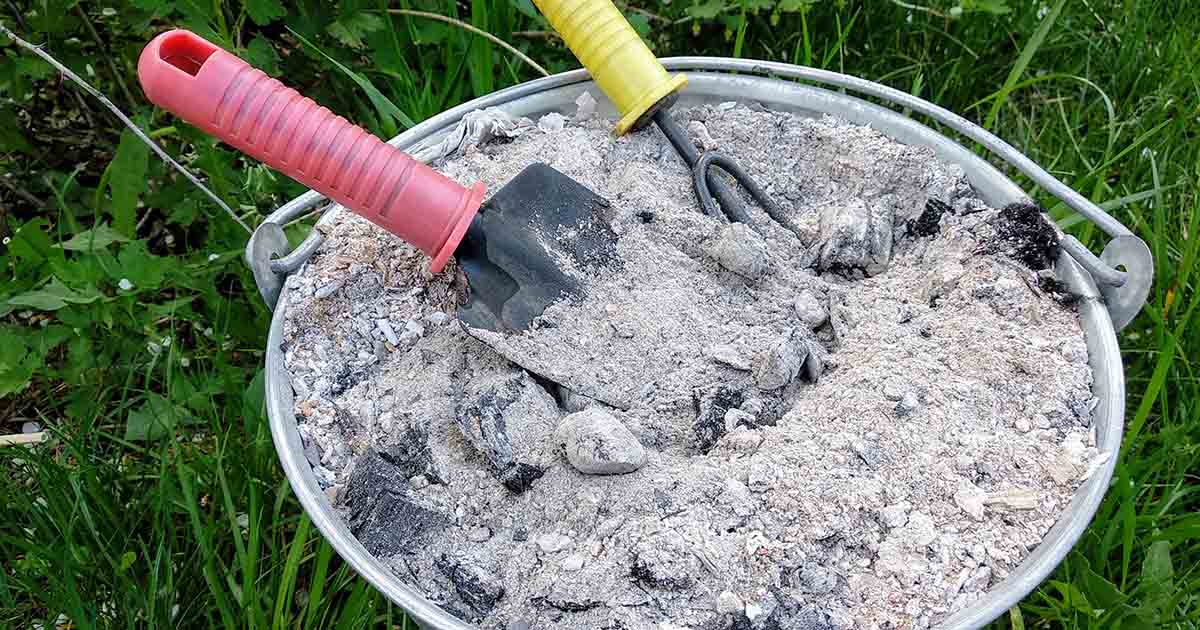
Credit: gardenerspath.com
Comparing Wood Ash With Other Amendments
Wood ash and lime both help soil. Wood ash raises soil pH like lime. Lime is stronger and acts faster. Wood ash adds potassium. Lime lacks potassium but gives calcium. Wood ash is natural and from plants. Lime is mined from rocks. Lime can cost more than wood ash. Wood ash is often free from burning wood.
Wood ash and commercial fertilizers provide nutrients. Wood ash contains potassium and trace minerals. Commercial fertilizers have more nutrients and can be tailored. Wood ash is organic and eco-friendly. Fertilizers might contain chemicals. Wood ash is great for garden compost. Fertilizers are designed for specific plants. Fertilizers can be expensive. Wood ash is usually free.
Real-life Success Stories
Many gardeners have found wood ash to be a helpful addition. It makes compost richer and more effective. One gardener shared how their tomato plants grew bigger and healthier. They added wood ash to their compost pile. The soil quality improved.
Another gardener used wood ash in their flower beds. Flowers bloomed with brighter colors. The soil was more balanced. Wood ash helped to reduce acidity. Plants grew stronger and did not wilt easily.
“Adding wood ash changed my garden,” said one gardener. They saw a boost in plant growth. “My veggies are healthier now,” they added. Another gardener talked about their fruit trees. They added wood ash to the soil. The trees produced more fruit. Their apples were juicier.
Gardeners notice a difference. Wood ash improves soil conditions. It makes the earth better for planting. Many gardeners recommend trying it. The results speak for themselves.
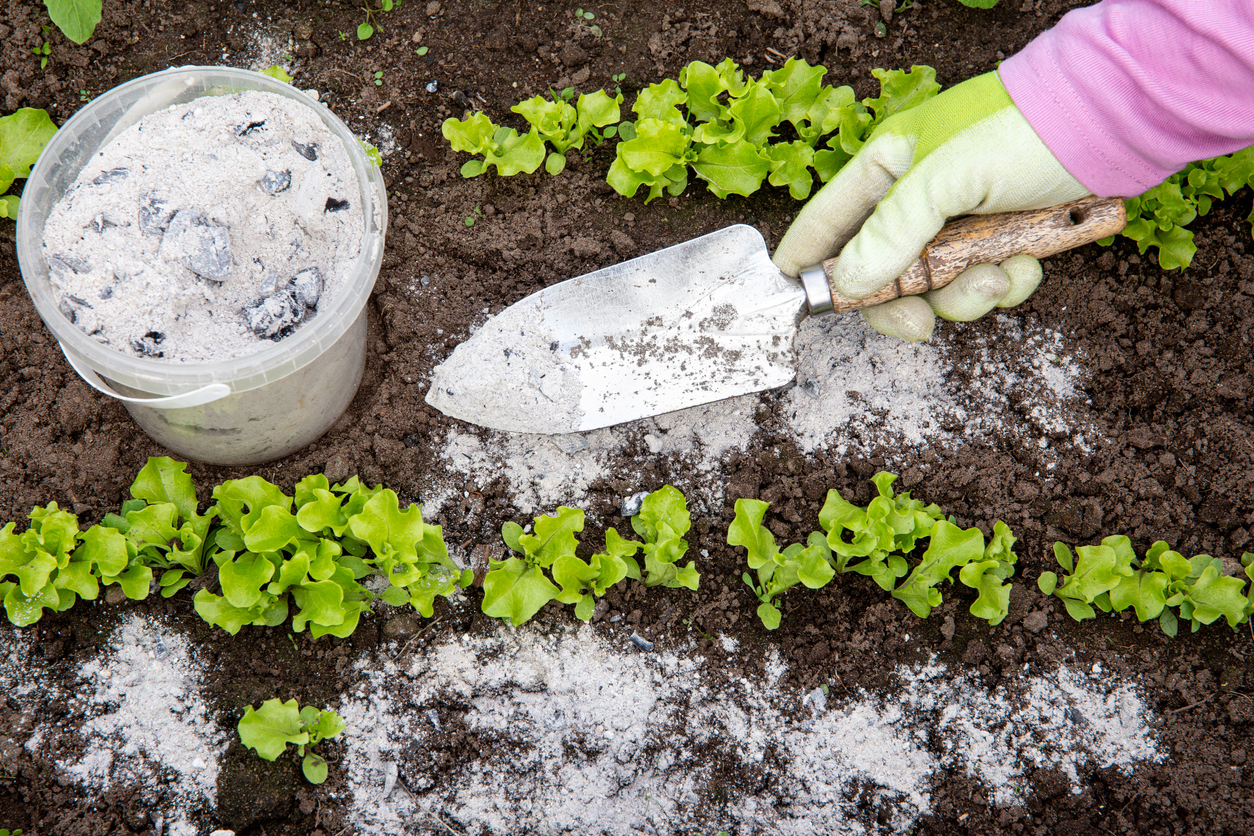
Credit: gardening.usask.ca
Frequently Asked Questions
Why Is Ash Added To Compost Manure?
Ash enriches compost by providing essential nutrients like potassium and calcium. It helps balance soil pH levels. Ash also improves soil structure and enhances microbial activity, promoting healthy plant growth. Use it sparingly to avoid excess alkalinity, ensuring optimal compost quality and nutrient availability.
Should You Add Wood Ash To Compost?
Yes, you can add wood ash to compost. It enriches the compost with potassium and lime. Avoid adding too much as it can raise pH levels. Ensure the ash is from untreated wood and avoid using charcoal ash. Mix well to maintain compost balance.
What Are The Disadvantages Of Wood Ash?
Wood ash can increase soil pH, harming acid-loving plants. It may contain heavy metals, posing environmental risks. Excessive use can lead to nutrient imbalance, affecting plant growth. Wood ash is also dusty, causing respiratory irritation. Proper handling and storage are necessary to prevent these disadvantages.
What Are The Benefits Of Wood Ash As Fertilizer?
Wood ash enriches soil with essential nutrients like potassium and calcium. It helps balance soil pH levels. Use sparingly to avoid over-alkalizing the soil. It acts as a natural pest deterrent and improves soil structure. Always test soil before application to ensure compatibility with plant needs.
Conclusion
Wood ash can boost compost. It enriches nutrients. It balances soil acidity. This makes plants healthier. Wood ash is easy to find. Recycling it is eco-friendly. Using wood ash saves money too. Less need for chemical fertilizers. It’s a simple, natural solution.
Many gardeners use it. They see the benefits quickly. Try adding wood ash to your compost. Watch your garden thrive. It’s a small step with big results. Perfect for any gardener.