Wood Cutting Boards And Bacteria: A Simple Guide To Safe Chopping
I still remember my first wooden cutting board—a sturdy maple piece my grandma gave me when I moved into my first apartment. I was thrilled to chop veggies like a pro, but then I worried: Are wooden cutting boards safe? I’d heard they could harbor bacteria, and I didn’t want my meals to come with a side of germs! After diving into research and experimenting in my kitchen, I learned the truth about wood cutting boards and bacteria. This article will share what I found, with easy tips, fun examples, and clear answers to keep your kitchen safe and your cooking fun. Whether you’re a beginner or a seasoned chef, you’ll find practical advice to chop with confidence.
What Are Wood Cutting Boards And Bacteria?
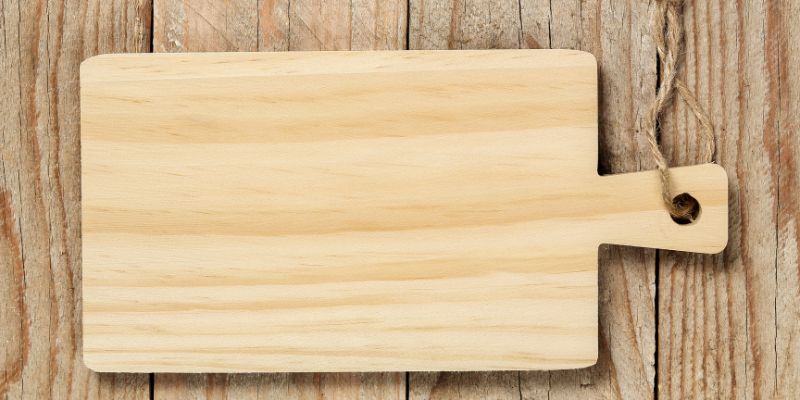
Wood cutting boards are flat surfaces made from trees like maple, oak, or walnut, used for chopping food. They’re popular because they’re tough, kind to knives, and look great. But bacteria—like Salmonella or E. coli from raw meat—can stick to surfaces. People worry wood’s porous surface traps germs, making it less safe than plastic. However, studies show wood has natural antibacterial powers that can kill germs, unlike plastic, which can harbor bacteria in knife scratches.
Why does this matter? Nobody wants food poisoning! Understanding how wood handles bacteria helps you cook safely. My first try at cleaning my board was a flop—I soaked it too long, and it warped! Let’s explore how to use and clean wood boards to keep germs at bay.
Why Wood Cutting Boards Are Special
Wood cutting boards aren’t just pretty; they’re naturally tough on bacteria. Scientists at the University of Wisconsin found that 99.9% of bacteria like Salmonella die on wood within minutes. Plastic boards? Bacteria stick around and even grow overnight! Wood’s secret is its ability to soak up moisture, trapping bacteria deep inside where they dry out and die. Hardwoods like maple and oak work best because their tight grains pull in germs better than softer woods like cypress.
Here’s why wood rocks:
- Natural germ-killer: Wood’s fibers trap and dry out bacteria.
- Knife-friendly: Wood is gentler on knife edges than plastic or glass.
- Eco-friendly: Wood is renewable, unlike plastic, which can end up in landfills.
But wood isn’t perfect. It needs proper care to stay safe. Let’s look at how to clean and use your board right.
How To Clean Your Wood Cutting Board: A Step-By-Step Guide
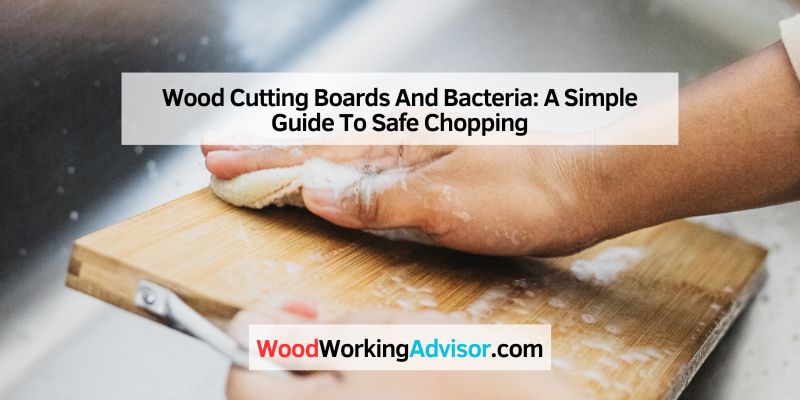
Cleaning a wood cutting board is a piece of cake if you follow these steps. I learned this the hard way after my board got a funky smell from improper washing! Here’s a simple guide to keep your board germ-free:
- Scrape off food: Use a knife or scraper to remove bits of meat or veggies.
- Wash with soap: Use hot water and a drop of dish soap. Scrub with a sponge.
- Rinse well: Run clear water over the board to wash away soap.
- Sanitize: Spritz with a mix of 1 tablespoon bleach and 1 gallon water. Let it sit for a minute, then rinse.
- Dry completely: Air-dry upright or pat with a clean towel. Never let it soak!
Pro tip: Rub with half a lemon to zap odors. It’s like magic!
Common Cleaning Mistakes To Avoid
- Soaking the board: Water can warp or crack wood.
- Using the dishwasher: Heat and water ruin wood boards.
- Skipping drying: Wet boards can grow mold.
Wood Vs. Plastic: Which Is Safer?
I used to think plastic was the “clean” choice, but research changed my mind. Plastic boards get tiny cuts from knives, creating cozy homes for bacteria. Wood, on the other hand, pulls bacteria into its pores, where they die. A 1993 study by Dean O. Cliver at the University of Wisconsin showed wooden boards kill 99.9% of bacteria in minutes, while plastic lets them thrive [The New York Times]. But plastic is easier to sanitize with bleach or a dishwasher, so it’s not all bad.
Here’s a quick comparison:
| Feature | Wood Cutting Board | Plastic Cutting Board |
|---|---|---|
| Bacteria Resistance | Naturally kills germs | Bacteria can hide in scratches |
| Cleaning Ease | Hand-wash only, no dishwasher | Dishwasher-safe, easy to sanitize |
| Knife Durability | Gentle on knives | Can dull knives faster |
| Eco-Friendliness | Renewable, biodegradable | Non-biodegradable, may contain chemicals |
Caption: This table compares wood and plastic cutting boards based on safety and practicality. Wood shines for bacteria resistance, while plastic is easier to clean.
Which Wood Is Best?
Not all wood is equal. Hardwoods like maple, walnut, and beech are top picks because their tight grains trap bacteria better. Softer woods like pine can split, letting germs hide. Bamboo is hard but can dull knives due to its silica content. I love my maple board—it’s tough and easy to maintain!
Easy Tips To Keep Your Board Safe And Long-Lasting
Here are my go-to tips to keep your wood cutting board in tip-top shape:
- Oil it monthly: Rub food-grade mineral oil to prevent cracking. I use a cloth and a teaspoon of oil—easy peasy!
- Use separate boards: Keep one for raw meat and another for veggies to avoid cross-contamination.
- Store upright: Let air flow to prevent mold.
Visual idea: A diagram showing how to oil a board—step 1: apply oil, step 2: let it soak, step 3: wipe excess.
Fun Project: Make A Salad Safely On Your Wood Board
Want to test your board’s safety? Try this simple salad project. It’s perfect for beginners and kids!
- Gather supplies: Wood cutting board, knife, lettuce, tomatoes, cucumber, lemon.
- Clean the board: Follow the cleaning steps above.
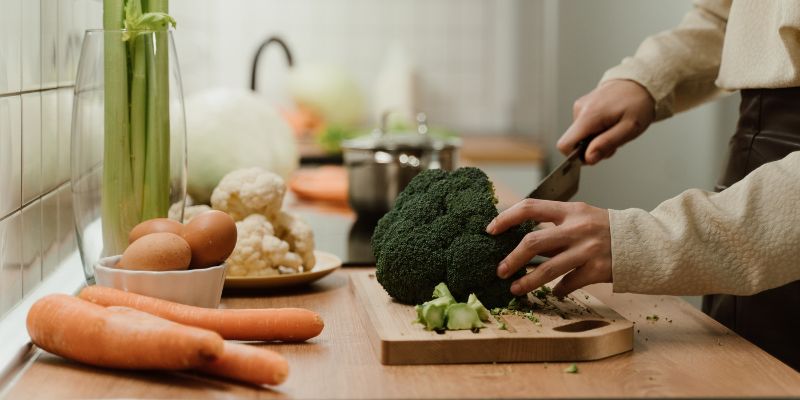
- Chop veggies: Slice lettuce, tomatoes, and cucumber on your board.
- Sanitize: Spritz with lemon juice for a fresh scent and extra germ-killing power.
- Toss and serve: Mix in a bowl and enjoy!
This project is a fun way to practice safe chopping. I tried it with my niece, and she loved making her “chef salad”!
Visual idea: A step-by-step infographic of the salad-making process, showing cleaning and chopping steps.
Cost-Saving Ideas For Wood Cutting Boards
Wood boards can be pricey, but you can save money:
- Buy local: Check farmer’s markets for handmade boards—often cheaper than stores.
- DIY sanding: Smooth out scratches with fine sandpaper instead of buying a new board.
- Use household items: Lemon or vinegar for sanitizing saves on fancy cleaners.
Here’s a cost comparison:
| Item | Store-Bought Cost | DIY/Home Cost |
|---|---|---|
| Wood Cutting Board | $20-$50 | $10-$20 (local) |
| Mineral Oil | $5-$10 | $0 (if already owned) |
| Sanitizer (Bleach) | $3-$5 | $0 (use lemon/vinegar) |
Caption: This table shows how to save money on wood cutting board care using household items.
Drawbacks And Alternatives
Wood boards need more care than plastic. They can warp if soaked, and you can’t toss them in the dishwasher. Oiling takes time, and some woods (like bamboo) can chip knives. If wood feels like too much work, try:
- Plastic boards: Easy to clean but less germ-resistant.
- Synthetic rubber boards: Popular in Japan, they’re durable and knife-friendly.
- Copper boards: Super antibacterial but pricey and rare [X post by @DirtyTesLa].
Visual idea: A chart comparing wood, plastic, and copper boards for cost and safety.
Personal Insights From My Kitchen
I’ve used wood boards for years, and they’re my favorite for a reason. They feel warm and natural, and I love how they don’t dull my knives. But I made mistakes early on—like not oiling enough, which led to cracks. Now, I oil monthly and keep a separate board for meat. It’s a game-changer! Also, try rubbing your board with a cutස
Frequently Asked Questions
Are Wood Cutting Boards Safe To Use?
Wood cutting boards are safe when properly cleaned. Studies show wood naturally kills bacteria like Salmonella within minutes by trapping them in its pores, where they die. Wash with soap, sanitize with a bleach solution, and dry well to keep it germ-free.
Can Bacteria Grow On Wood Cutting Boards?
Bacteria can grow if the board is not cleaned properly. Wood’s natural antibacterial properties kill most germs, but food residue or moisture can let bacteria thrive. Always scrape, wash, sanitize, and dry your board after use.
How Do I Clean A Wood Cutting Board?
Scrape off food, wash with hot soapy water, rinse, and sanitize with a mix of 1 tablespoon bleach per gallon of water. Dry completely. Avoid soaking or dishwashers, as they can damage the wood.
Is Wood Or Plastic Better For Bacteria?
Wood is often safer. Research shows 99.9% of bacteria die on wood within minutes, while plastic’s knife scratches can harbor germs. Both need proper cleaning, but wood’s natural properties give it an edge.
What Wood Is Best For Cutting Boards?
Hardwoods like maple, walnut, or beech are best. Their tight grains trap bacteria effectively. Avoid soft woods like pine, which can split, or bamboo, which may dull knives.
How Often Should I Oil My Wood Cutting Board?
Oil your board monthly with food-grade mineral oil to prevent cracking and keep it smooth. Apply a thin layer, let it soak for a few hours, and wipe off excess.
Can I Use Bleach On Wood Cutting Boards?
Yes, use a diluted solution (1 tablespoon bleach per gallon of water) to sanitize. Let it sit for a minute, then rinse and dry well to avoid damage to the wood.
Conclusion
Wood cutting boards and bacteria don’t have to be scary! With proper care—scraping, washing, sanitizing, and drying—wood boards are safe and even kill germs naturally. They’re eco-friendly, knife-friendly, and add charm to your kitchen. Try the salad project to practice safe chopping, or share your own tips with friends. Grab your board and start chopping—it’s a piece of cake! For more kitchen safety tips, check out USDA Food Safety, Consumer Reports, or University of Wisconsin Food Research Institute.