How to Clean a Wood Cutting Board After Raw Meat (USDA Method)
Cleaning a wood cutting board after raw meat means washing it in hot, soapy water, then sanitizing with a fresh solution of 1 tablespoon of unscented liquid chlorine bleach per gallon of water — plain vinegar will not reliably kill E. coli or Salmonella, per USDA FSIS. Skipping that sanitizing step is how cross-contamination and foodborne illness actually happen. This guide covers the full wash-sanitize-dry routine, safe deep-cleaning options, and why the vinegar myth needs retiring.
Introduction To Wood Cutting Board Hygiene
Best Cutting Board Cleaner Pick
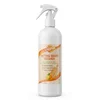
CITRATIDE Cutting Board Cleaner Spray (16 fl oz) – $15.97
The food-safe wash step this guide opens with after raw meat, before the bleach sanitizing solution.
- Best for: The hot-soapy-water wash step this guide’s routine starts with after cutting raw meat
- Why we picked it: A non-toxic, plant-based formula built for wood, unlike a diluted all-purpose cleaner
- Main drawback: A cleaner, not a sanitizer — still needs the bleach step this guide covers separately
Compare more cutting board cleaner options
 Option 1 Thirteen Chefs Wood Cutting Board Cleaner (16 oz) – $15.95
|
 Option 2 Howard Products Food Grade Mineral Oil (12 oz) – $9.97
|
 Option 3 Rhino Wax Cutting Board Spray Cleaner (8 oz) – $19.95
|
As an Amazon Associate we earn from qualifying purchases.
Maintaining wood cutting board hygiene is crucial, especially after cutting raw meat. Clean thoroughly with hot, soapy water, then disinfect using chlorine bleach or a sanitizing solution, and rinse with clean water to ensure safety and prevent cross-contamination. Regular cleaning is key to a safe kitchen environment.
Keeping your wood cutting board clean and hygienic is essential, especially after handling raw meat. Raw meat can harbor harmful bacteria like Salmonella, E. coli, and Staphylococcus, which can contaminate your cutting board if not properly cleaned. In this article, we will discuss the importance of cleaning your wood cutting board after raw meat and the risks of cross-contamination.
Importance Of Cleaning After Raw Meat
Properly cleaning your wood cutting board after handling raw meat is crucial to maintain a safe and hygienic kitchen environment. Failure to do so can result in the transfer of harmful bacteria to other foods, leading to foodborne illnesses. Here’s why cleaning after raw meat is important:
- Prevents cross-contamination: Raw meat can contain bacteria that can easily transfer to other foods if the cutting board is not cleaned thoroughly.
- Eliminates odors: Cleaning your cutting board removes any residual odors left behind by raw meat, ensuring your future meals aren’t affected.
- Preserves the wood: Proper cleaning and maintenance help extend the lifespan of your wood cutting board, preventing it from warping or cracking.
Risks Of Cross-contamination
Cross-contamination occurs when bacteria from one food source is transferred to another, potentially leading to foodborne illnesses. When it comes to wood cutting boards, cross-contamination can happen if proper cleaning methods are not followed after handling raw meat. Here are the risks associated with cross-contamination:
- Spread of bacteria: If bacteria from raw meat are left on the cutting board, they can easily transfer to other foods, increasing the risk of foodborne illnesses.
- Difficulty in detection: Unlike plastic cutting boards, wood cutting boards can hide bacteria within their natural grain, making it harder to detect and eliminate.
- Long-term contamination: If not cleaned properly, the bacteria from raw meat can persist on the cutting board, posing a continuous risk every time it is used.
Now that we understand the importance of cleaning your wood cutting board after raw meat and the risks of cross-contamination, let’s explore the best practices for cleaning and maintaining your cutting board to ensure a safe and healthy cooking environment.
Initial Cleaning Steps
After cutting raw meat on a wooden cutting board, it’s crucial to clean it thoroughly to prevent cross-contamination and ensure food safety. The initial cleaning steps involve rinsing the board and using hot soapy water to remove any traces of raw meat.
Rinsing The Board
Rinsing the cutting board with hot water helps to remove any visible meat residue and minimizes the risk of bacterial contamination. Use your hands or a clean brush to scrub the surface gently while rinsing to dislodge any remaining meat particles.
Using Hot Soapy Water
Once the board has been rinsed, apply a small amount of dish soap and lather it with hot water. Use a sponge or a clean cloth to scrub the entire surface of the cutting board, including the sides and corners, to ensure that all areas are thoroughly cleaned. Rinse the board with hot water to remove the soap residue.
Natural Disinfectants For Wood
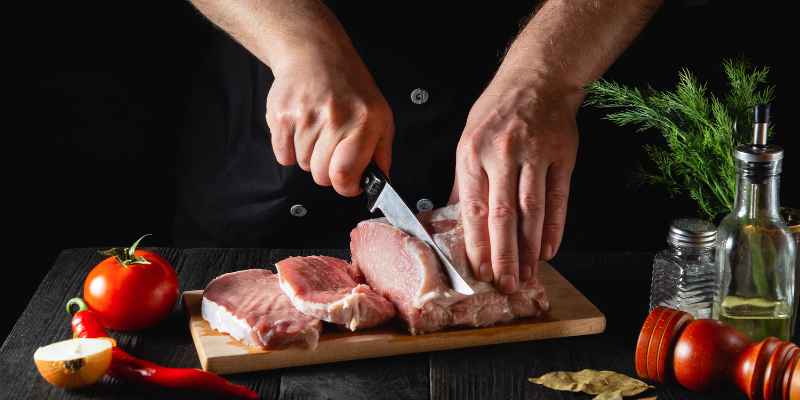
After cutting raw meat on a wood cutting board, it is important to clean and disinfect it properly. Start by washing the board with hot soapy water, then disinfect it using a solution of chlorine bleach or another sanitizing agent.
Rinse the board with clean water afterwards to ensure it is safe to use again.
Wooden cutting boards are a great addition to any kitchen, but they require special care to maintain their longevity. One of the most important things to consider when it comes to wooden cutting boards is how to disinfect them after cutting raw meat. While there are many disinfectants available on the market, some natural solutions can be just as effective. In this blog post, we will discuss two natural disinfectants for wood: White Vinegar Solution and Lemon and Salt Scrub.
White Vinegar Solution
White vinegar can help loosen grease and light residue, but according to USDA FSIS, vinegar does not reliably destroy bacteria like E. coli, Salmonella, or Staphylococcus. Use it only as a supplementary wipe-down after raw meat, never as your only sanitizing step — follow it with the chlorine bleach solution covered later in this guide. To use white vinegar as a supplementary cleaning wipe, follow these steps:
1. After cutting raw meat, rinse the cutting board with hot water and soap.
2. Pour full-strength white vinegar onto the cutting board.
3. Using a clean cloth or paper towel, rub the vinegar into the wood.
4. Let the vinegar sit on the cutting board for at least 5 minutes.
5. Rinse the cutting board with hot water and dry it with a clean towel.
Lemon and Salt Scrub
Another natural disinfectant for wood is a lemon and salt scrub. The acid in the lemon juice and the abrasive texture of the salt work together to clean and disinfect the cutting board. To use this scrub, follow these steps:
1. Cut a lemon in half and sprinkle salt onto the cut side.
2. Rub the lemon and salt onto the cutting board, using the lemon as a scrubber.
3. Let the lemon and salt sit on the cutting board for at least 5 minutes.
4. Rinse the cutting board with hot water and dry it with a clean towel.
Conclusion
Vinegar and a lemon-salt scrub can help with odor and light residue, but per USDA FSIS neither is a substitute for a proper chlorine bleach sanitizing solution after raw meat — use them only alongside, not instead of, the sanitizing method covered next.
Chemical Sanitizers And Safety
To clean a wood cutting board after raw meat, start by washing it thoroughly with hot soapy water. Then, use a chemical sanitizer such as chlorine bleach to disinfect the board and rinse with clean water. Be sure to watch out for liquids and blood from the meat, as they can be absorbed into the wood if left for long periods.
Vinegar is not a substitute here — per USDA FSIS, wiping with vinegar does not reliably destroy bacteria like Salmonella or E. coli, so use the chlorine bleach solution below for genuine sanitizing after raw meat.
Chlorine Bleach Guidelines
Chlorine bleach is a common chemical sanitizer used to clean and disinfect cutting boards after handling raw meat. However, it’s important to use the right concentration to ensure effectiveness while also being safe for use. The Academy of Nutrition and Dietetics recommends using a solution of one tablespoon of unscented, liquid chlorine bleach per gallon of water. After washing the cutting board with hot, soapy water, apply the solution and let it sit for several minutes before rinsing thoroughly with clean water.
Commercial Sanitizing Agents
Aside from chlorine bleach, there are also commercial sanitizing agents available in the market that are specifically formulated for cleaning and disinfecting cutting boards. These products come in different forms such as sprays, wipes, and solutions. When using commercial sanitizing agents, it’s important to follow the manufacturer’s instructions carefully to ensure effectiveness and safety.
Regardless of the type of chemical sanitizer you choose to use, it’s important to prioritize safety when handling these substances. Always wear protective gloves and use these chemicals in a well-ventilated area to avoid inhaling fumes. Keep these substances out of reach of children and pets.
Deep Cleaning Techniques
To clean a wood cutting board after cutting raw meat, start by washing it thoroughly with hot soapy water. Then, disinfect it with a solution of chlorine bleach or another sanitizing agent and rinse it with clean water. Avoid using vinegar or other acidic cleaners as they can damage the wood.
Baking Soda Paste
One effective deep cleaning technique for wood cutting boards after handling raw meat is to use a baking soda paste. Baking soda is a natural and gentle abrasive that helps remove stains and odors from the surface of the cutting board.
To create a baking soda paste, simply mix equal parts of baking soda and water until it forms a thick consistency. Apply the paste to the cutting board and use a scrub brush or sponge to gently scrub the surface in circular motions. Pay special attention to any areas that may have come into contact with raw meat.
After scrubbing, rinse the cutting board thoroughly with clean water to remove any residue. Dry the board completely with a clean towel or allow it to air dry before storing or using again. The baking soda paste not only helps to clean and deodorize the cutting board, but it also helps to remove any lingering bacteria that may be present.
Hydrogen Peroxide Application
Another effective deep cleaning technique for wood cutting boards is to use hydrogen peroxide. Hydrogen peroxide is a natural disinfectant that can help kill bacteria and other harmful microorganisms that may be present on the surface of the cutting board.
To apply hydrogen peroxide, pour a small amount directly onto the cutting board and use a clean cloth or sponge to spread it evenly across the surface. Allow the hydrogen peroxide to sit on the cutting board for a few minutes to effectively kill any bacteria.
After the desired contact time, rinse the cutting board thoroughly with clean water to remove any remaining hydrogen peroxide. Dry the board completely before storing or using it again. It is important to note that hydrogen peroxide may cause slight discoloration on the wood, but this is temporary and will fade over time.
Using these deep cleaning techniques regularly will help ensure that your wood cutting board remains clean, safe, and free from any harmful bacteria that may be present after handling raw meat. Remember to always follow proper food safety practices and maintain a clean and hygienic kitchen environment.
Drying And Conditioning
After cutting raw meat on a wood cutting board, wash it with hot soapy water, then disinfect using a sanitizing solution. Rinse and dry thoroughly to prevent bacterial growth. Conditioning with mineral oil can help maintain the board’s quality and prolong its lifespan.
Properly drying and conditioning your wood cutting board is crucial to maintain its quality and prevent damage. Here are some essential steps to ensure your cutting board stays in top condition:
Proper Drying Methods
- After washing, pat the cutting board dry with a clean towel to remove excess moisture.
- Avoid leaving the cutting board wet or standing upright to dry as it can lead to warping.
- Allow the cutting board to air dry in a cool, dry place to prevent mold growth.
Oil Treatment For Wood Preservation
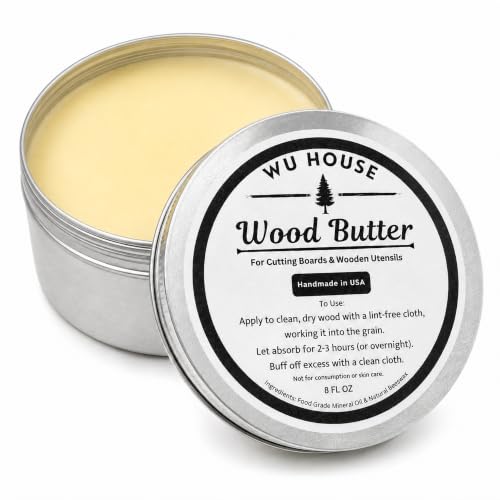
- Apply a food-safe mineral oil or beeswax finish to the cutting board to prevent it from drying out.
- Regularly oil the cutting board to maintain its natural luster and protect it from moisture.
- Avoid using vegetable oils as they can turn rancid and impact the taste of your food.
Preventative Measures
To clean a wood cutting board after raw meat, start by washing it thoroughly with hot soapy water. Then, disinfect the board with chlorine bleach or a sanitizing solution. Rinse it with clean water to remove any residue.
Separete Boards For Different Foods
It is crucial to use separate cutting boards for different types of foods to prevent cross-contamination.
Regular Maintenance Tips
Regularly clean and sanitize your wood cutting board after each use to ensure food safety.
Myths And Facts
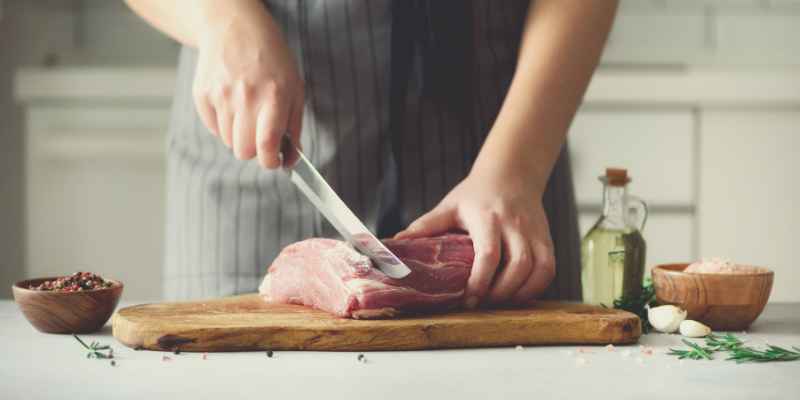
Wood Vs. Plastic Cutting Boards
Wooden cutting boards are often preferred over plastic ones.
Wood has natural antimicrobial properties that help prevent bacterial growth.
Contrary to popular belief, wood can be just as safe as plastic for cutting raw meat.
Common Misconceptions
Myth: Wood cutting boards harbor more bacteria than plastic.
Fact: Properly cleaning and sanitizing wood cutting boards makes them safe for use.
Myth: Vinegar is an effective disinfectant for wood cutting boards after raw meat.
Fact: Per USDA FSIS, vinegar does not reliably destroy bacteria like Salmonella or E. coli — always finish with a chlorine bleach sanitizing solution (1 tablespoon per gallon of water) after raw meat.
Frequently Asked Questions
How Do You Clean Wooden Boards After Cutting Meat?
To clean wooden cutting boards after cutting meat, follow these steps:
1. Wash the board with hot, soapy water.
2. Disinfect the board using chlorine bleach or a sanitizing solution.
3. Rinse the board with clean water.
4. Allow the board to air dry completely.
5. Optionally, wipe the board with white vinegar for odor control — this does not replace the bleach sanitizing step above, since vinegar does not reliably kill E. coli or Salmonella per USDA FSIS. Remember to avoid leaving liquids or blood on the board for extended periods to prevent absorption into the wood.
Is It Safe To Cut Raw Meat On A Wooden Cutting Board?
Yes, it is safe to cut raw meat on a wooden cutting board if you clean and sanitize it thoroughly after use.
Does Vinegar Disinfect Wood Cutting Board?
No. According to USDA FSIS, vinegar does not reliably kill bacteria like E. coli or Salmonella. It can help with odor and light residue, but after raw meat you still need to sanitize with a chlorine bleach solution (1 tablespoon of unscented liquid chlorine bleach per gallon of water) or a commercial food-safe sanitizer.
How Do You Sterilize Cutting Boards?
To sterilize cutting boards, wash with hot soapy water, then disinfect with chlorine bleach or a sanitizing solution.
Conclusion
Cleaning a wood cutting board after raw meat is essential for food safety. Wash with hot soapy water, then sanitize with a chlorine bleach solution (1 tablespoon per gallon of water) or a commercial food-safe sanitizer — not vinegar alone, which does not reliably kill bacteria per USDA FSIS. Regular maintenance and proper cleaning methods help ensure the cutting board remains safe for future use.
Sponsored / affiliate links. As an Amazon Associate I earn from qualifying purchases. I may earn additional commission from eligible campaigns.