How Much Does Hardwood Flooring Cost? Full Breakdown by Size
Hardwood flooring runs $6 to $23 per square foot installed: $3-$14 for the material itself (species and solid vs. engineered construction drive most of that range) plus roughly $3-$9 per square foot for professional installation, prep, and finishing. For an average 1,000-square-foot main floor, that’s a realistic total of $6,000 to $23,000 — the number below breaks down exactly where that money goes so you’re not just staring at one wide range.
Total Cost by Home Size (Materials + Installation)
Best Moisture Meter Before You Buy Flooring
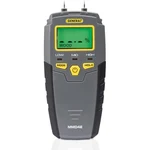 |
General Tools MMD4E Pinless Moisture Meter – $38.83 Checking subfloor moisture before installation avoids the single most expensive hardwood flooring mistake: cupping and buckling after the crew leaves.
|
| Home/Room Size | Budget (Engineered, Builder-Grade) | Mid-Range (Solid Oak/Maple) | High-End (Walnut/Exotic, Wide-Plank) |
|---|---|---|---|
| 200 sq ft (one room) | $1,200 – $2,400 | $2,400 – $4,000 | $4,000 – $6,600 |
| 500 sq ft | $3,000 – $6,000 | $6,000 – $10,000 | $10,000 – $16,500 |
| 1,000 sq ft | $6,000 – $12,000 | $12,000 – $18,000 | $18,000 – $23,000+ |
| 2,000 sq ft (whole floor) | $12,000 – $24,000 | $24,000 – $36,000 | $36,000 – $46,000+ |
These figures assume a straightforward installation over an existing subfloor in reasonable condition. Add 10-20% to any of these ranges if your project needs subfloor leveling, old flooring removal and disposal, or moving/replacing baseboards and transitions.
Material Cost: What Drives the Per-Square-Foot Price
Wood species is the single biggest material lever. Red oak and white oak sit at the affordable end ($4-$8/sq ft) because domestic oak is abundant and mills run it efficiently. Maple and hickory run a step up ($5-$10) for their extra hardness and, with hickory, its more dramatic color variation. Walnut and cherry are genuinely more expensive raw materials ($7-$12+) because the trees are smaller and less commonly farmed for lumber at scale. Exotic species (Brazilian cherry, teak, tigerwood) top the range ($8-$15+) mostly due to import costs and, in some cases, plantation-grown versus wild-harvested supply constraints.
Solid vs. engineered construction is the second lever, and it isn’t just about price — it’s about where each performs well. Solid hardwood is one piece of wood top to bottom, can be sanded and refinished many times over decades, but moves with humidity and isn’t recommended below grade or over concrete slabs without extra prep. Engineered hardwood bonds a real hardwood wear layer over stacked plywood layers cross-grained for stability, handles basements and slab installations that solid wood can’t, and typically costs 10-25% less for a comparable species — the tradeoff is fewer total refinishing cycles over the product’s life, limited by wear-layer thickness (check this spec before buying; anything under 2mm limits you to one light refinish at most).
Installation Cost: Where the Rest of the Money Goes
Professional installation typically runs $3-$9 per square foot on top of material cost, and the spread comes down to method and prep work required:
- Nail-down or staple-down (solid hardwood over a wood subfloor): $3-$5/sq ft, the most common and typically cheapest method when the subfloor is already in good shape.
- Glue-down (common for engineered over concrete): $4-$7/sq ft, since it requires a moisture barrier and adhesive material cost on top of labor.
- Floating installation (engineered click-lock over an underlayment pad): $3-$6/sq ft, often the fastest labor-wise but the underlayment pad and transitions add material cost.
- Subfloor prep, removal of old flooring, and disposal: often quoted separately and easy to underestimate — ask for this as a line item, not folded into a vague “installation” number, so you can see what you’re actually paying for.
Regional labor rates swing installation cost more than almost any other factor in this whole estimate — the same job can run 30-50% higher in a major coastal metro than in a lower cost-of-living region. Get at least three local quotes rather than trusting a national average alone.
Costs Homeowners Forget to Budget For
- Old flooring removal and disposal — carpet pull-up, tile demo, or old hardwood removal can add $1-$3/sq ft.
- Subfloor repair or leveling — a subfloor with soft spots, squeaks, or unevenness needs correction before flooring goes down, and this is discovered mid-project more often than homeowners expect.
- Baseboards and transition strips — new flooring thickness rarely matches old exactly, so trim and transitions between rooms often need replacing or re-cutting.
- Acclimation time — solid hardwood needs to sit in the home for 3-7 days before installation to adjust to indoor humidity; rushing this step is a common cause of gapping or buckling after installation, not a cost line item itself but a schedule cost worth planning for.
- Finishing — unfinished hardwood (sanded and finished on-site after installation) typically costs less per square foot in material but adds finishing labor and several days where the floor is unusable; pre-finished hardwood costs more upfront but is walkable immediately after installation.
Frequently Asked Questions
How much does it cost to install hardwood floors in a 1,000 sq ft house?
Expect roughly $6,000 to $23,000 total depending on wood species and installation method: about $6,000-$12,000 for budget engineered flooring, $12,000-$18,000 for mid-range solid oak or maple, and $18,000 or more for walnut, exotic species, or wide-plank premium options.
Is engineered hardwood cheaper than solid hardwood?
Usually, by around 10-25% for a comparable species, and it also handles basements and concrete slabs that solid hardwood can’t. The tradeoff is fewer total refinishing cycles over its lifespan, limited by the thickness of its real-wood wear layer.
What’s the cheapest way to install hardwood flooring?
Engineered click-lock flooring installed as a floating floor over an underlayment pad is typically the least expensive labor method, and the wood species itself (oak or maple rather than walnut or exotics) has the biggest effect on overall cost.
Old flooring removal and disposal, subfloor leveling or repair, new baseboards or transition strips, and on-site finishing labor for unfinished hardwood are the most commonly underestimated costs. Ask contractors to itemize these separately rather than accepting one bundled installation quote – our installation cost by method guide breaks down why nail-down, glue-down, and floating floors price so differently.
Conclusion
The honest range is wide because two separate decisions — wood species and installation method — both move the number independently. Use the size-based table above to get a realistic total for your specific project, then get itemized local quotes so you can see exactly which of the costs above you’re actually paying for.
Sponsored / affiliate links. As an Amazon Associate I earn from qualifying purchases. I may earn additional commission from eligible campaigns.