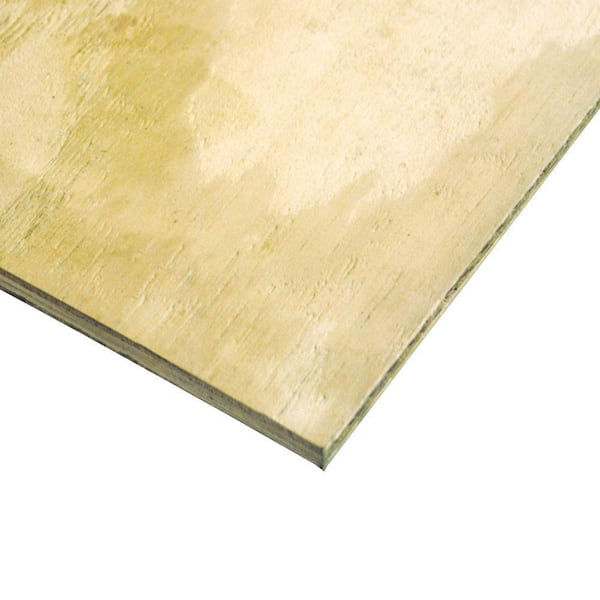
1/4 Plywood Pressure Treated: Durability & Versatility
Are you looking to enhance the durability and longevity of your outdoor projects? If so, 1/4 inch pressure-treated plywood might be your solution.
This versatile material is not only designed to withstand the elements but also offers the perfect balance of strength and flexibility for various applications. Whether you’re planning to revamp your backyard deck, build a sturdy garden shed, or tackle any DIY project that demands resilience, understanding how to use this specialized plywood can make a world of difference.
Dive into this article to discover how 1/4 inch pressure-treated plywood can elevate your projects to new levels of durability and performance. Get ready to be inspired and equipped with the knowledge you need to make informed decisions that will benefit your next venture.
Credit: www.lowes.com
Benefits Of Pressure Treated Plywood
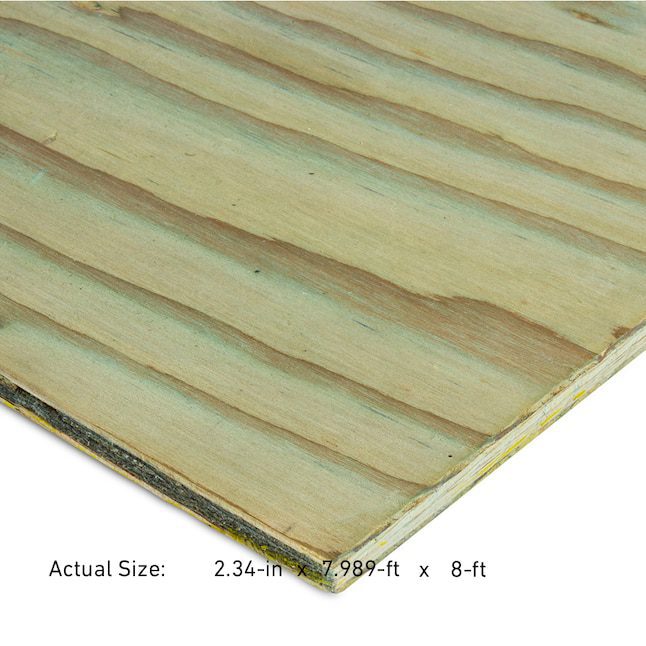
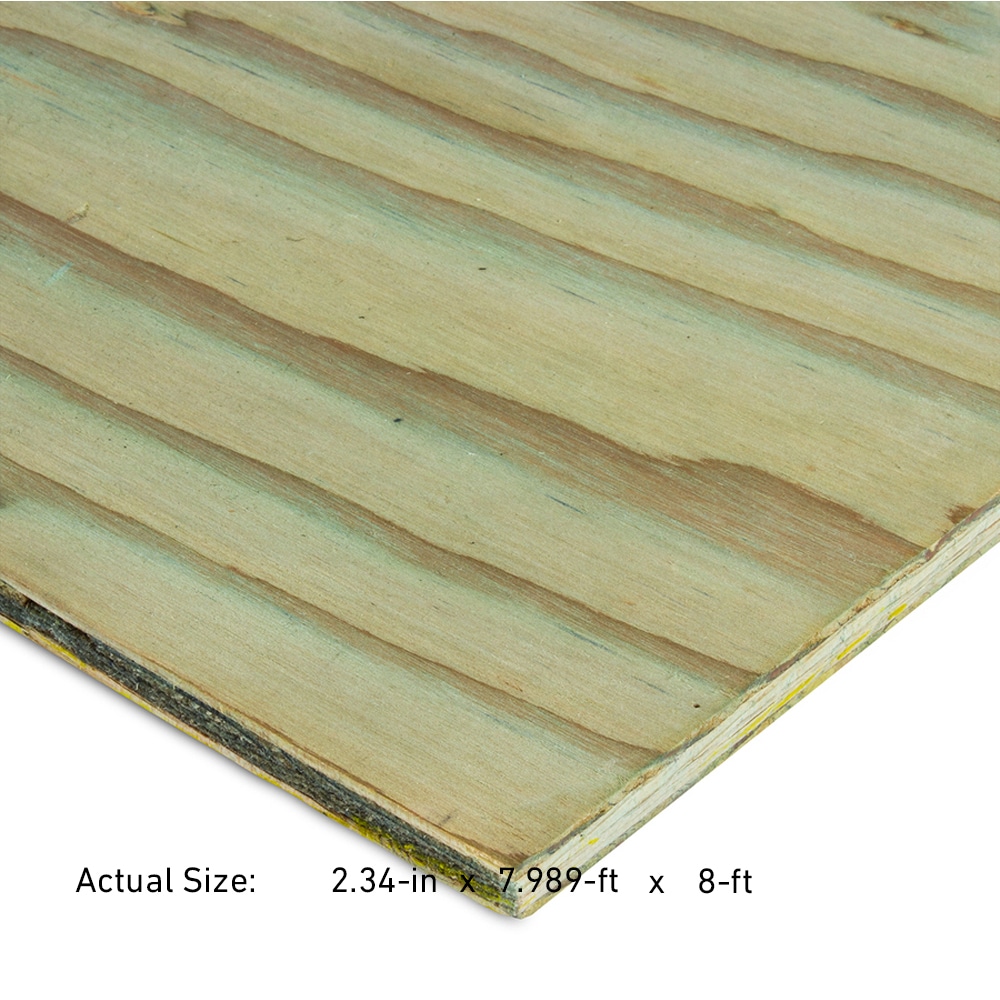
Pressure treated plywood is very strong. It can last a long time. The treatment makes it tough. It can handle rough use. It does not break easily. Builders trust it for strong projects. Strong wood means safe buildings. It is safe for homes and schools. Kids can play on it safely. It is a good choice for families. It stays strong for many years.
This plywood stays dry even in rain. Wet wood often gets damaged. But not pressure treated plywood. Its special treatment keeps water away. It does not rot. Rotting wood can be dangerous. But this wood stays safe. It keeps homes and schools safe. It is good for outdoor use. It can be used for decks and fences. It is a smart choice for builders.
Applications In Construction
1/4 inch plywood is great for outdoor projects. It resists waterand bugs. This makes it last longer. Many use it for garden benches. It is also used for small sheds. Its light weight makes it easy to handle.
Builders like 1/4 inch plywood for flooring. It is strong and reliable. This plywood supports heavy weights well. It is also used in foundations. Plywood adds stability to structures. It is a trusted choice in construction.
Comparing To Non-treated Options
Pressure treated plywood lasts longer. It fights against rot and insects. Non-treated plywood may rot quickly. This means more repairs for non-treated plywood. Treated plywood needs less fixing. This saves time and effort. Keeping it clean is simple. Just wash with water and mild soap. Non-treated needs more care. This is due to weather and pests.
Pressure treated plywood costs more at first. But it saves money later. Less repairs mean fewer expenses. Non-treated plywood is cheaper to buy. But it may need replacement sooner. Spending on repairs adds up. Investing in treated plywood is smart. It lasts and keeps costs down. This helps with long-term savings.
Choosing The Right Plywood
Thickness is crucial for plywood strength. 1/4 inch plywood is thin. It suits projects like small shelves or crafts. Thicker plywood is better for heavy loads. Always check your project needs. Choose the thickness wisely. Avoid overestimating thickness to save on costs.
Plywood comes in different grades. Grade A is the best. It has a smooth surface. Grade B has more defects but is still good. For hidden areas, use Grade C or D. These are cheaper but less pretty. Select the right grade for your project to ensure quality.
Environmental Impacts
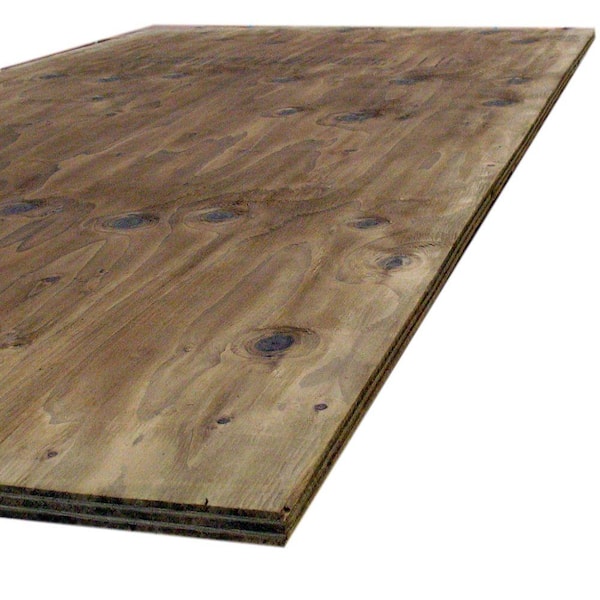
Pressure treated plywood raises sustainability concerns. Chemicals used can harm the environment. Some treatments may release toxins. Impact on soil and water is possible. Sustainable alternatives are limited. Natural decay is preferable but slower. Forestry practices affect sustainability.
Recycling pressure treated plywood is challenging. Chemicals prevent safe reuse. Disposal requires care. Landfills may not accept it. Burning releases toxic fumes. Proper disposal methods are needed. Check local rules for disposal. Seek recycling facilities when possible.
Credit: www.homedepot.com
Installation Tips
Always wear safety goggleswhen cutting plywood. Dust can hurt your eyes. Use glovesto protect your hands. Plywood can have sharp edges. Keep your workspace clean and organized. This prevents accidents. Avoid working alone. Have someone nearby in case of emergencies. Ensure good ventilation. Dust can affect breathing. Keep a first-aid kitclose.
Use a measuring tapefor accurate cuts. Correct measurements are important. Choose a sharp sawfor clean cuts. Dull blades can damage plywood. Secure the plywood with clamps. Clamps prevent movement during cutting. Always cut slowly and steadily. Rushing can lead to mistakes. Drill small holes for screws. This prevents plywood from splitting. Sand the edges gently. Smooth edges look better.
Credit: www.homedepot.com
Frequently Asked Questions
What Is Pressure Treated Plywood?
Pressure treated plywood is wood treated with chemicals to resist decay and insects. This makes it ideal for outdoor use and high-moisture environments. The treatment enhances durability, extending the lifespan of the plywood compared to untreated wood.
Can 1/4 Plywood Be Pressure Treated?
Yes, 1/4 plywood can be pressure treated. This process improves its resistance to moisture and pests. It is suitable for projects where thin wood is needed, like wall paneling or light construction.
Is Pressure Treated Plywood Safe For Indoor Use?
Pressure treated plywood can be used indoors, but caution is advised. Ensure it’s well-sealed to prevent chemical exposure. It is more commonly used for outdoor applications due to its chemical treatment.
How Long Does Pressure Treated Plywood Last?
Pressure treated plywood typically lasts 15 to 20 years. This longevity varies based on environmental conditions and maintenance. Regular sealing and proper installation can extend its lifespan significantly.
Conclusion
1/4 pressure treated plywood is a versatile choice. It offers durability and resistance to decay. Ideal for various outdoor projects. It withstands moisture and insect damage. This makes it a reliable option. You can use it for decks, fences, or garden structures.
Its affordability is a bonus. Easy to work with, it cuts and shapes well. Always ensure proper handling and installation. This enhances its longevity. Remember, choosing quality material impacts your project’s success. Consider 1/4 pressure treated plywood for your next task.
It’s a practical investment in lasting results.