What Is B2 Plywood? B Face, 2 Back Grade Explained
B2 plywood is hardwood plywood with a B-grade face and a 2-grade back: two usable sides, with small defects allowed. The label rates appearance only, so it says nothing about strength, glue or moisture resistance. This page decodes the code, compares it with A1, B3 and softwood grades, and shows what to check on the sheet before you pay.
What Does B2 Plywood Mean?
Best Finish-Cut Blade Pick
 |
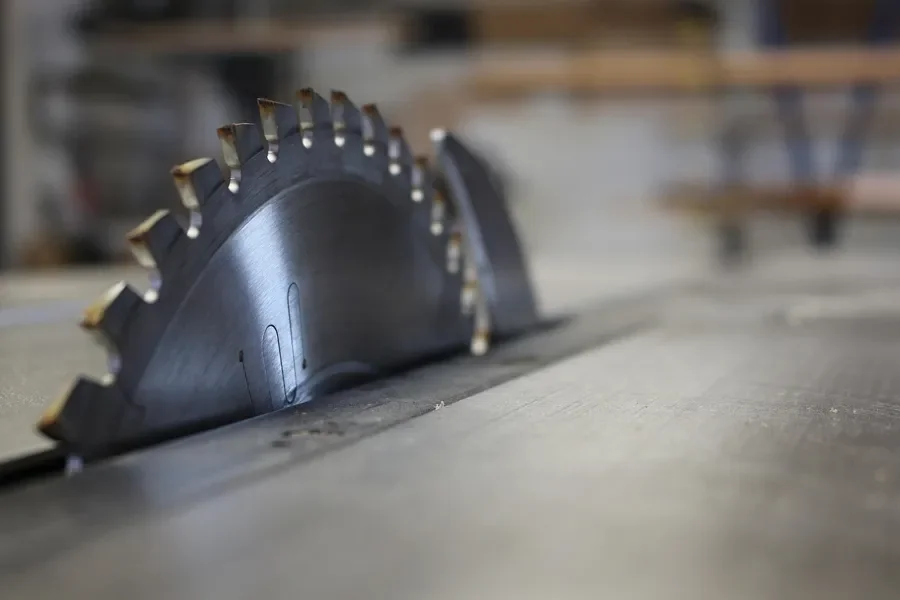
Diablo Ultra Finish 7-1/4 in 60-Tooth Carbide Saw Blade, 2-Pack ($46.70) A B2 sheet is bought for its good faces, and a rough blade can chip them. A 60-tooth finish blade is a low-cost way to protect the veneer when you cut it down to size.
|
B2 is the appearance grade of a hardwood plywood panel. The letter, on a scale of A to D, grades the better face veneer, and the number, on a scale of 1 to 4, grades the back. So B2 means a B face and a 2 back. According to WoodWeb’s hardwood plywood grading guide, B2 is a good two-sided product for jobs where both surfaces will be seen.
Cabinet shops and lumberyards use the code all the time, which is why it appears in product names. A retail listing we checked, a 3/4 inch natural birch sheet, is titled with “B2” and described as cabinet-grade hardwood plywood that suits staining, clear finishes or paint.
How to Read a Plywood Grade Code
Hardwood plywood uses two grades, one for each face. The face grades run from A (best) to D and the back grades run from 1 (best) to 4, per WoodWeb. The table groups the codes the way that guide does.
| Code | Face | Back | Where both sides show? | Typical use |
|---|---|---|---|---|
| A1, A2, B1, B2 | A or B | 1 or 2 | Yes: two-sided product | Cabinets, shelves, furniture where both faces are visible |
| A3, B3, C3 | A, B or C | 3 | No: back is clean but may show stains or spliced veneer | Panels with one good face, back hidden |
| A4, B4, C4 | A, B or C | 4 | No: back may have open knots, filled knots, bad veneer joints or seams | Hidden backs, budget one-good-side panels |
The back number tells you whether flipping the sheet over is an option. With a 1 or 2 back you can put either side out. With a 4 back, you cannot.
What Each Grade Allows
Grade definitions are written around defects and repairs. The APA, which grades softwood plywood, describes B veneer as a solid surface where shims, circular repair plugs and tight knots are permitted, and A veneer as smooth and paintable with neatly made repairs permitted (see the APA plywood page). Hardwood plywood follows its own hardwood plywood association rules, so the exact allowances differ, but the ladder is the same: A is cleanest, then B, then C, then D.
| Veneer grade | APA softwood description | What it means for you |
|---|---|---|
| N | Essentially clear, natural finish; special order only | Rarely stocked |
| A | Smooth, paintable, neatly made repairs allowed | Best appearance |
| B | Solid surface; shims, circular repair plugs and tight knots allowed | Good for paint, usually fine for stain |
| C | Minimum grade for exterior plywood; tight knots to 1.5 in, some knotholes, limited splits | Hidden or structural faces |
| D | Backs and inner plies of Exposure 1 panels | Never a show face |
One caution: those definitions are for softwood sanded plywood. A hardwood sheet labeled B2 does not have to match them line by line. Ask the seller how they grade it, or look at the face yourself.
The Myth: B2 Does Not Mean Strong or Moisture-Resistant
The most common mistake is reading the grade as a quality rating for the whole panel. It is not. One plywood guide puts it plainly: the grade system mainly reflects appearance, and panels graded C or D can still be structurally sound. Another notes that grading does not automatically reflect core quality, so a lower face grade can still have a strong, stable core when the panel is made well.
The reverse is also true, and it is where some older advice goes wrong. Guides that say B2 suits outdoor use or resists moisture are reading something into the label that is not there. Moisture behavior depends on the glue and how the panel is built, which the B2 code does not describe. If you need plywood for a damp spot, check its bond type and finish it properly, and read our guide on BCX plywood for what an exterior-glue grade looks like.
- Grade tells you: how clean the two faces are.
- Grade does not tell you: species, core type, thickness accuracy, glue type or weather resistance.
- Where to find those: the panel’s stamp, the seller’s spec sheet and the product name.
Decoding a B2 Product Listing: RC, VC and WPF
B2 rarely appears alone. The retail listing we mentioned is named “3/4 Nat Birch B2 RC VC WPF Ply”, and the seller spells out each part:
| Part | Meaning | Why it matters |
|---|---|---|
| Nat Birch | Natural birch face veneer | Light, tight grain; stains and paints well |
| B2 | B face, 2 back | Both sides usable; small blemishes allowed |
| RC | Rotary cut | Veneer peeled from the log like paper towels, per the seller |
| VC | Veneer core | Stacked veneer plies form the core, the most common type of plywood core |
| WPF | Whole piece face | One continuous veneer sheet on the face, no seams |
That listing was priced at $99.95 for a 3/4 inch sheet when we checked it on 2026-09-30. It is a single seller’s price, not a market average, so use it as one data point. If you compare quotes, make sure every sheet has the same species, cut and core, because a B2 label on a different veneer is a different product.
B2 vs Other Plywood Grades
Two different grading systems share the same alphabet, which is why shoppers mix them up. Hardwood plywood uses a face letter and a back number, like B2. Softwood sheathing and sanded softwood panels use two letters, like AC, BC or CDX. Here is how they line up.
| Label | System | Face / back | Best for |
|---|---|---|---|
| B2 | Hardwood plywood | B face, 2 back | Cabinets and furniture with both sides visible |
| A1 | Hardwood plywood | A face, 1 back | Premium clear-finish work |
| B3 | Hardwood plywood | B face, 3 back | One good side, back hidden |
| AC | Softwood sanded | A face, C back | One good face, hidden back; see our AC plywood guide |
| BC | Softwood sanded | B face, C back | Paint-grade one-sided jobs; see AC vs BC |
| CDX | Softwood sheathing | C face, D back, exterior glue | Sheathing, not furniture |
If you keep seeing B/BB in Baltic birch listings, that is a third convention, common on birch sheets. One supplier guide describes the B face as clean with minimal defects and the BB face as possibly having small, neatly repaired patches or color variation. Our page on Baltic birch plywood covers those sheets.
Best Uses for B2 Plywood
- Cabinet boxes and shelves: both sides look decent, so you do not need to hide one face.
- Painted furniture: the faces are smooth enough to prime and paint after light sanding; see our plywood painting method.
- Stained pieces that are not showpieces: test a scrap first, since patches can show.
- Poor fits: outdoor projects unless you confirm the glue, and hidden framing where a cheaper grade would do.
If cabinets are the goal, our page on birch plywood for cabinets goes into grade choice by part, and sande vs birch plywood compares species.
How to Inspect a B2 Sheet Before You Buy
- Look at both faces in good light. B2 allows defects, so decide whether the worst ones will be on the outside of your project.
- Check the veneer joints and patches on the show face, and run a hand across them to feel for raised edges.
- Sight along the sheet for warp, and check the edges for voids or delamination.
- Read the stamp or the listing for species, thickness and glue type, since the grade will not tell you.
- Ask whether the sheet is one whole-piece face or spliced veneer if a seamless look matters.
Cutting and Finishing B2 Plywood
The thin face veneer is the whole point of a B2 sheet, so protect it. Use a fine-tooth blade with many teeth, score the cut line with a knife, and put masking tape over the line to reduce splintering. Which face goes up depends on the saw: a circular saw cuts upward, so the good face goes down, while a table saw cuts downward, so the good face goes up. Our guide on cutting plywood without splintering covers the details, and plywood cut-to-size services is an option if you would rather have the store make the first cuts.
For sheet dimensions and actual thickness, see our standard plywood size chart. If you are budgeting a project, our page on plywood prices at Home Depot gives a reference point for a different, common sheet.
Frequently Asked Questions
What does B2 mean on plywood?
B2 is a two-part appearance grade used on hardwood plywood. The letter grades the better face veneer, here B, and the number grades the back, here 2. It tells you how the surfaces look, not how strong the panel is or how much moisture it can take.
Is B2 plywood good for cabinets?
Yes, it is a common cabinet-grade label. Both sides are usable, so it suits cabinet boxes where the inside and outside can both be seen, and the B face takes paint well. For a clear finish on a visible door or a tabletop, inspect the actual sheet, because the grade allows some defects.
Is B2 plywood waterproof or exterior grade?
No. The B2 label says nothing about the glue or moisture resistance. Some hardwood plywood is made with moisture-resistant glue, but you have to confirm that from the panel’s bond type or the seller’s spec, not from the grade. Seal the edges and faces if it will face damp conditions.
What is the difference between B2 and A1 plywood?
A1 has the best face grade and the best back grade, so both sides are cleaner. B2 gives up a little on each side. Both count as two-sided products where the surfaces will be seen, and A grades usually cost more, so B2 is the practical choice when the piece will be painted.
Can you stain B2 plywood?
Yes, but test first. The faces are graded for appearance, not for uniform color, and one seller describes its B2 birch as having a light, even color and tight grain that works for staining, clear finishes or paint. Any patch or color streak can show more under stain than under paint.
Conclusion
B2 plywood is hardwood plywood with a B face and a 2 back, so both sides are usable and small defects are allowed. It suits cabinets, shelves and painted furniture where you want decent looks at a moderate price. Treat the grade as an appearance label only: confirm species, core and glue separately, and inspect the actual sheet before you buy.
Sponsored / affiliate links. As an Amazon Associate I earn from qualifying purchases. I may earn additional commission from eligible campaigns.
 Baltic Birch Plywood 1/8'' x 12'' x 18'', 6 Pack, B/BB Grade, Void-Free Core, Laser Cutting Ready, Flat Sheets for CNC, Engraving, DIY Crafts, Art Painting, Wood Burning, Staining
 Baltic Birch Plywood Sheets Box of 45 - Laser Engraving Cutting, Scroll Saw Nature Veneer Color, Stronger Than Basswood, A/A Grade,12 x 12 x 1/8”, 3mm Thickness Perfect for Wood Burning