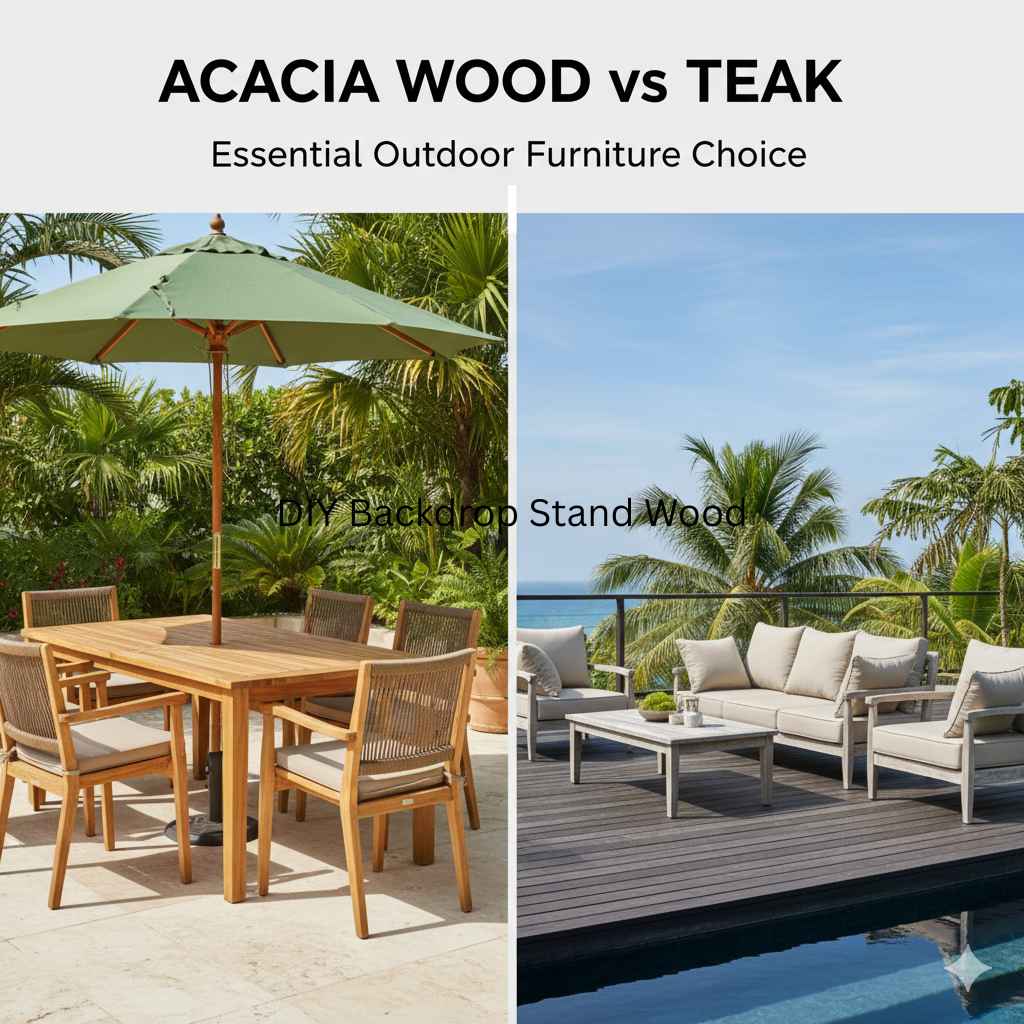
Acacia Wood vs Teak: Essential Outdoor Furniture Choice
Acacia wood is a robust, budget-friendly choice for stunning outdoor furniture, offering great durability and natural resistance to the elements. Teak, while more expensive, is the undisputed king of outdoor hardwoods, boasting unparalleled longevity and a luxurious, low-maintenance appeal. Your best choice depends on your budget and desired lifespan.
Choosing outdoor furniture can feel like a puzzle, especially when you want something beautiful that will last through sunny days and rainy spells. You’ve seen acacia and teak mentioned, and they both sound great, but what’s the real difference? It’s easy to get bogged down in wood jargon and high prices. Don’t worry, I’m here to help you cut through the confusion! We’ll break down acacia and teak simply, so you can pick the perfect wood for your patio or garden with confidence. Let’s find out which wood fits your needs and your wallet!
Acacia Wood vs Teak: Unpacking Your Outdoor Furniture Options
Deciding on outdoor furniture is a big step towards creating your perfect backyard oasis. You want pieces that look good, feel sturdy, and can handle whatever the weather throws at them. Two popular hard wood choices often come up: acacia and teak. They both share some wonderful qualities, like natural beauty and durability, but they also have key differences that can influence your decision.
As someone who loves working with wood and building things that last, I’ve seen firsthand how these woods perform. Think of it like choosing the right tool for a job – you want the one that’s best suited for your needs and your budget.
What Makes Wood Good for Outdoors?
Before we dive into acacia and teak specifically, let’s quickly talk about what makes any wood a good candidate for outdoor furniture. It’s all about its natural defenses and how it handles moisture and sun.
Natural Oils: Woods with high natural oil content are fantastic. These oils act like a built-in sealant, repelling water and preventing rot and insect infestations.
Density: Denser woods are generally more durable. They can withstand physical impacts better and are less prone to warping or cracking.
Resistance to Decay: Some woods naturally resist fungi and other organisms that cause wood to decay.
Stability: Woods that don’t expand and contract too much with changes in humidity and temperature tend to last longer and stay looking good.
Acacia Wood: The Value-Packed Performer
Acacia wood is a fantastic option that brings a lot of charm and resilience to outdoor spaces without breaking the bank. It’s a type of hardwood that comes from acacia trees, which are found in many parts of the world, particularly in Australia, Africa, and the Americas. This wide availability contributes to its more accessible price point compared to some other exotic hardwoods.
What I love about acacia is its beautiful, natural aesthetic. It often has a lovely, flowing grain pattern with rich, warm tones ranging from lighter tans and golden hues to deeper reds and browns. This makes for stunning-looking furniture that can really elevate your outdoor ambiance.
Pros of Acacia Wood Furniture
Affordability: This is acacia’s strong suit. It’s significantly less expensive than teak, making beautiful hardwood furniture accessible to a wider range of budgets.
Durability and Strength: Despite its lower cost, acacia is a very dense and durable hardwood. It holds up well to daily use and is strong enough for sturdy furniture construction.
Natural Resistance: Acacia wood naturally contains oils and silica, which give it good resistance to water, rot, and insect damage. This means it can handle outdoor conditions pretty well.
Aesthetic Appeal: The wood has a gorgeous, natural grain and a warm color palette that looks sophisticated and inviting. It ages nicely, often developing a beautiful silvery-grey patina over time if left untreated.
Eco-Friendly Options: Many acacia trees grow quickly and are plantation-grown, making it a more sustainable choice in many cases. Look for certifications like FSC (Forest Stewardship Council) if sustainability is a key concern for you.
Cons of Acacia Wood Furniture
Maintenance Required: While naturally resistant, acacia will benefit from regular sealing and care to maintain its color and prevent minor weathering. Leaving it untreated will result in a grey patina faster than teak.
Lifespan vs. Teak: It’s durable, but it generally won’t last as long as teak with the same level of care. Expect a good lifespan of 10-20 years with proper maintenance, whereas teak can last much longer.
Variability: The exact properties and appearance can vary slightly depending on the specific acacia species and where it was grown.
Teak Wood: The Gold Standard of Outdoor Luxury
Teak wood is revered in the world of outdoor furniture for a reason. It’s a tropical hardwood that has earned its reputation as the pinnacle of durability, beauty, and low maintenance. Native to South Asia, particularly India and Myanmar, teak trees produce a wood that is incredibly rich in natural oils.
This high oil content is teak’s secret weapon. It makes the wood inherently resistant to water, rot, insects, and even extreme temperature fluctuations. This is why teak has been used for centuries in boat building, high-end furniture, and architectural elements exposed to the harshest elements.
When you see teak furniture, you’ll notice its unique golden-brown color and straight, tight grain. Over time, if left untreated, it weathers to a beautiful, soft, silvery-grey that many people find incredibly appealing.
Pros of Teak Wood Furniture
Unmatched Durability and Longevity: Teak is famous for its incredible resilience. With proper care, teak furniture can last for 50 years or even longer, making it a fantastic long-term investment.
Exceptional Weather Resistance: The high natural oil content makes teak impervious to water damage, rot, and decay. It also resists warping, cracking, and splintering, even in humid or arid climates.
Pest Deterrent: Teak’s natural oils also act as a powerful repellent against insects like termites and borers.
Low Maintenance: While you can oil teak to maintain its original golden color, it requires very little upkeep to simply last a lifetime. It weathers beautifully and naturally, so you can choose to let it age gracefully without compromising its structural integrity.
Luxurious Appearance: Teak has a sophisticated, rich color and a smooth finish that conveys elegance and high quality.
Cons of Teak Wood Furniture
High Cost: Teak is one of the most expensive woods available for furniture. This is due to its slow growth, limited natural supply, and high demand.
Weight: Teak is a very dense wood, making furniture made from it quite heavy. This can be a pro for stability but a con if you need to move pieces often.
Sustainability Concerns: While there are sustainably managed teak plantations, illegal logging has been an issue in the past. It’s crucial to purchase teak from reputable sources that can guarantee its origin and ethical harvesting, often indicated by FSC certification.
Acacia Wood vs Teak: Side-by-Side Comparison
To help you visualize the key differences, let’s put acacia and teak head-to-head in a table. This should give you a quick overview of what to expect from each.
| Feature | Acacia Wood | Teak Wood |
|---|---|---|
| Price | More affordable, budget-friendly | Premium, signicantly more expensive |
| Durability | Very good, dense hardwood | Exceptional, highest grade outdoor wood |
| Lifespan (with proper care) | 10-20 years | 50+ years |
| Weather Resistance | Good natural resistance to water and rot due to oils | Excellent, natural oils make it nearly impervious to water, rot, and insects |
| Maintenance | Benefits from regular sealing to preserve color; will naturally weather | Low maintenance; can be oiled to maintain color, or left to weather to a silver-grey patina |
| Appearance | Warm tones, rich grain, can vary | Golden-brown to deep brown, straight grain, consistent |
| Weight | Moderately heavy | Very heavy |
| Sustainability | Often plantation-grown, fast-growing; check for certification | Can be subject to sustainability concerns; look for certified sources |
Choosing What’s Right for You: Key Considerations
When you’re standing in the showroom or browsing online, how do you make the final call? It really boils down to a few personal priorities:
1. Your Budget: This is often the biggest deciding factor. If you have a smaller budget but still want beautiful, durable hardwood, acacia is an excellent choice. If you have the budget and are looking for a true “buy it for life” piece, teak is hard to beat.
2. Desired Lifespan: How long do you expect your furniture to last? Are you looking to replace it every 10-15 years, or are you investing in pieces that will be with you for decades? Teak is the clear winner for extreme longevity.
3. Maintenance Tolerance: How much time and effort are you willing to put into upkeep? Teak is very forgiving if you choose to let it naturally weather. Acacia will look its best with a bit more attention in terms of sealing.
4. Aesthetic Preference: Do you love the rich, golden tones or the rustic silver-grey patina? Both woods offer beautiful looks, but teak tends to have a more consistent, luxurious appearance, while acacia can offer more varied grain patterns and colors.
Caring for Your Outdoor Wood Furniture
No matter which wood you choose, a little care goes a long way in extending the life and beauty of your outdoor furniture.
Acacia Wood Care Tips
Cleaning: Regularly wipe down your furniture with a soft cloth and mild soap and water. For deeper cleaning, a gentle scrub with a soft brush can help.
Sealing/Oiling: To maintain acacia’s original color and provide extra protection, apply a penetrating oil or sealant specifically designed for outdoor wood furniture once or twice a year, usually in the spring. Follow the product instructions carefully.
Protection: During harsh weather or long periods of disuse, consider covering your furniture or storing it in a garage or shed.
Addressing Spills: Clean up spills immediately to prevent staining.
Teak Wood Care Tips
Natural Weathering (No Maintenance): The easiest approach is to simply let your teak furniture age naturally. It will develop a beautiful silvery-grey patina. Just wipe it down periodically to remove dirt or debris.
Maintaining Original Color: If you prefer to keep the golden-brown hue, you’ll need to clean the teak thoroughly and then apply a specific teak oil or sealant annually. This will require more effort but preserves the original look. You can find detailed guides on This Old House on how to achieve this.
Dealing with Stains: Mild stains can often be removed with a paste of baking soda and water. For tougher stains, specialized teak cleaners are available.
Storage: While teak is highly resistant, stowing it away during severe winter months can help prolong its life, especially if it’s exposed to constant salt spray or extreme conditions.
Frequently Asked Questions About Acacia and Teak Outdoor Furniture
Picking the right furniture can bring up a lot of questions! Here are some common ones beginners have when comparing acacia wood to teak.
Q1: Is acacia wood really as durable as people say?
A1: Yes, acacia is surprisingly durable! It’s a dense hardwood with natural oils that help it resist rot and insects. It’s a strong choice for everyday outdoor use, though perhaps not as long-lasting as premium teak.
Q2: Will acacia wood turn gray like teak?
A2: Yes, acacia wood will also weather to a silvery-grey patina if left untreated. The process might happen a bit faster than with teak, and the end result might have a slightly different texture, but it’s a natural aging process for both woods.
Q3: Is teak wood worth the extra cost?
A3: For many people, yes! Teak’s extreme longevity (50+ years), unparalleled weather resistance, and low maintenance make it a fantastic long-term investment. If you want furniture that you’ll likely never have to replace, teak is often worth the splurge.
Q4: Can I leave my acacia or teak furniture outside all year round?
A4: Both woods are great for outdoor use. Teak can generally handle year-round exposure with minimal issues, especially if you let it weather. Acacia can too, but for maximum longevity and to preserve its finish for longer, some choose to cover or store it during harsh winters or extreme weather.
Q5: How do I clean teak wood furniture if it gets dirty?
A5: For regular cleaning, a simple wipe-down with a soft cloth and soapy water is usually enough. For tougher grime, a soft-bristled brush and a mild detergent or a specialized teak cleaner can be used. Always rinse thoroughly and let it air dry.
Q6: Is acacia wood safe to use outdoors if I don’t seal it?
A6: Acacia wood is naturally resistant to decay and insects, so it’s safe to use outdoors even if you don’t seal it. However, sealing it will help protect its color longer and add an extra layer of defense against the elements, extending its beauty and lifespan.
Q7: What’s the main difference in appearance between acacia and teak?
A7: Teak typically has a richer, more consistent golden-brown color and a straight, fine grain. Acacia can have a wider range of colors, from lighter tans to deeper reds, and its grain patterns can be more varied and sometimes more pronounced. Both develop a handsome grey patina over time if left untreated.
Conclusion: Your Smart Outdoor Wood Choice
So, there you have it – the breakdown of acacia wood versus teak for your outdoor furniture needs. Both are fantastic hardwoods, offering natural beauty and resilience against the elements.
If you’re looking for a beautiful, durable, and more budget-friendly option that will still give you years of enjoyment, acacia wood is an absolute winner. It brings warmth and style to any patio or garden, and with a little care, it’s a workhorse that stands up to the outdoors.
On the other hand, if “buy it for life” is your motto and you’re willing to invest a bit more upfront for unparalleled longevity, minimal fuss, and a truly luxurious feel, teak wood is the undisputed champion. Its natural oils provide legendary resistance, and it ages gracefully into a stunning, sought-after patina.
Ultimately, the best choice between acacia and teak comes down to your personal budget, how long you want your furniture to last, and how much time you want to spend on maintenance. Whichever you choose, understand that you’re selecting a natural material that will bring beauty and function to your outdoor living space for years to come. Happy decorating!