Acorn Vs Walnut Wood Color: Essential Reveal
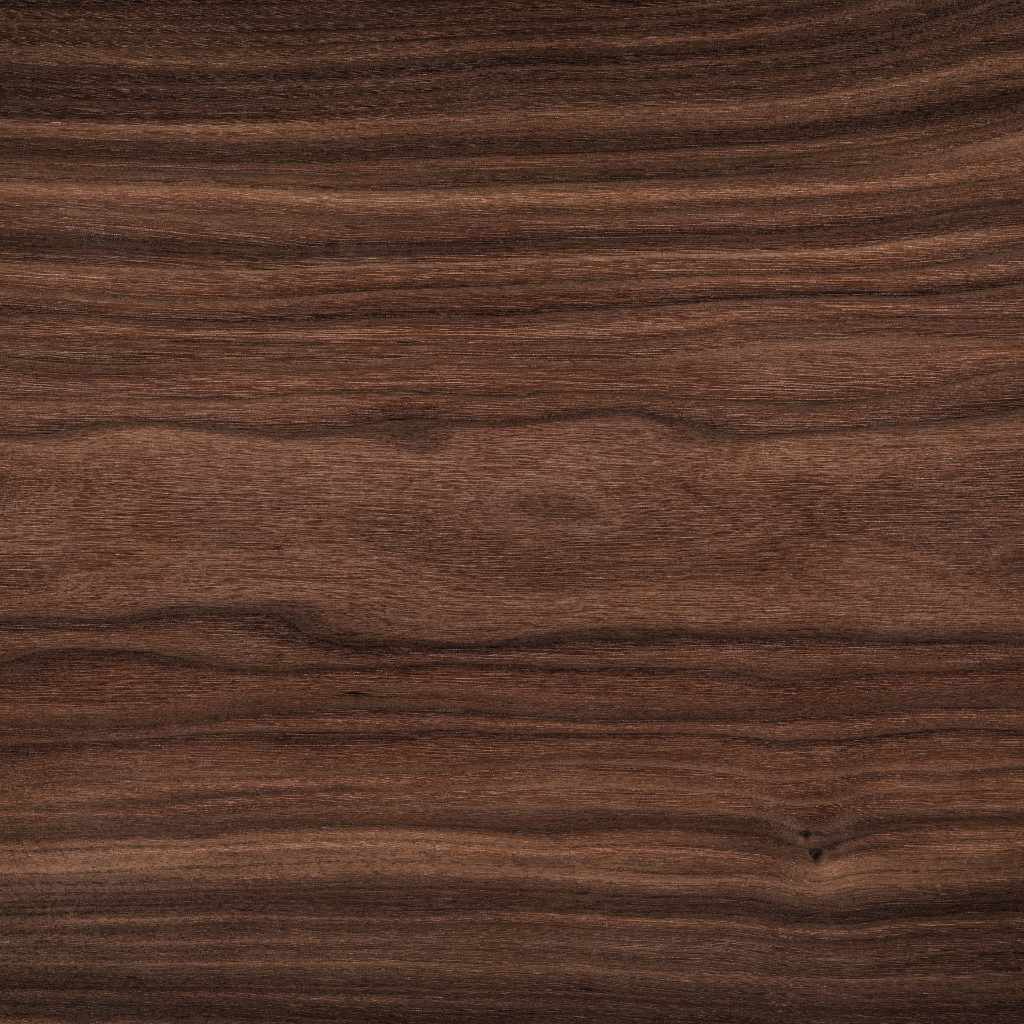
Acorn vs Walnut Wood Color: The Essential Reveal is simple—Acorn wood is a light, warm tan or yellowish-brown, often resembling aged oak or light maple, while Walnut wood is famous for its rich, deep, dark brown hues, perfect for high-end, dramatic projects. Choosing between them depends entirely on the look you want to achieve in your build.
Welcome to the workshop! Choosing the right wood for your project is one of the first—and most exciting—decisions you make. Sometimes, two similar-sounding woods can cause real confusion when planning your stain or finish. Today, we are clearing up the mystery between acorn vs walnut wood color. Are you aiming for a light, airy piece or a deep, luxurious statement? Don’t sweat the difference! We’re breaking down their natural colors, how they behave when finished, and which one is the perfect fit for your next DIY adventure. Let’s unlock the secrets of these beautiful hardwoods together so you can cut perfectly every time.
Acorn Wood vs. Walnut Wood Color: Understanding the Hue Difference
When you’re selecting lumber, color is more than just aesthetics; it affects how light reflects in a room and how well the wood hides wear and tear. For beginners, the names “Acorn” and “Walnut” might sound vaguely similar—both suggest natural, earthy tones. However, their actual appearance in the lumberyard tells a very different story.
What is Acorn Wood Color?
The term “Acorn Wood” isn’t always tied to a single species of wood, which can sometimes make searching for it tricky. Often, when hobbyists or lumberyards refer to “Acorn,” they are describing a color profile rather than a specific tree species. This color is characterized by being:
- Light to medium tan.
- Possesses distinctly warm, yellow or golden undertones.
- Resembles the color of lightly toasted grain or dried acorn caps.
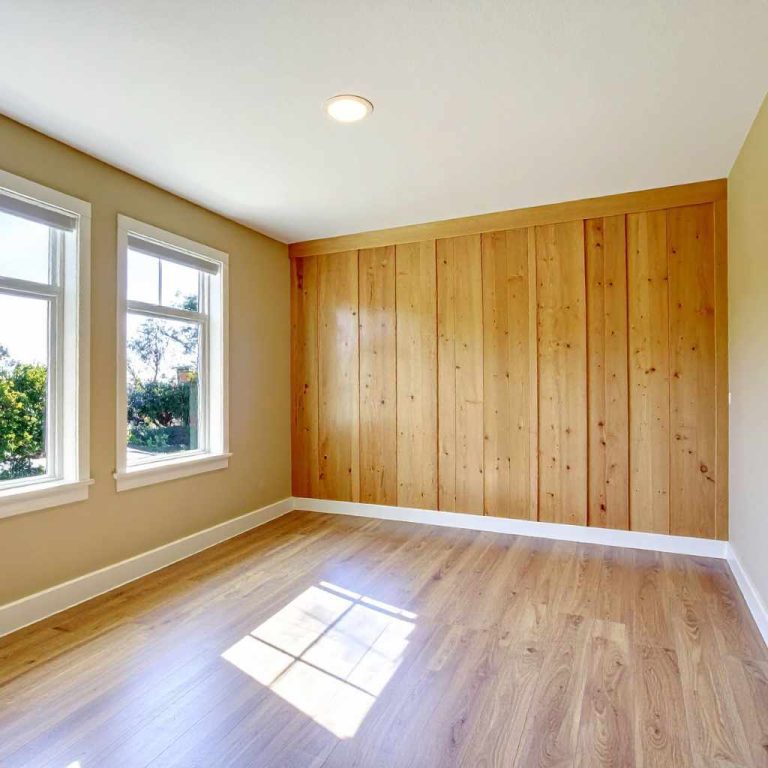
Think of the lighter side of Oak or perhaps a natural Maple that has received a very light, clear topcoat. If you see wood described as “Acorn stained,” expect a light, warm brown that lets the grain show through clearly without heavily darkening the piece. This shade is fantastic for smaller kitchens, craft tables, or areas where you want the wood to feel bright and open.
The Rich Depth of Walnut Wood Color
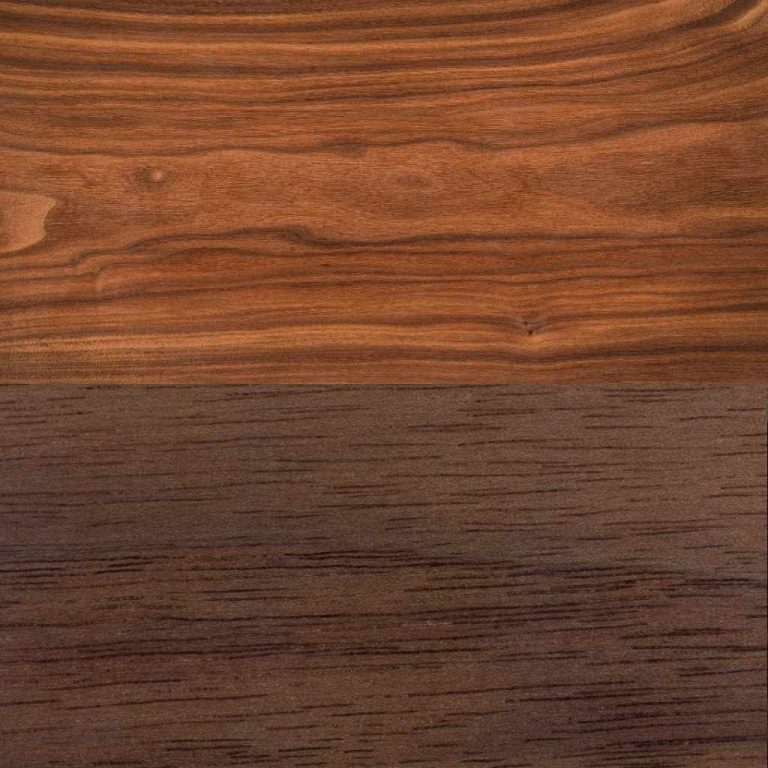
Walnut, on the other hand, is one of the most recognizable and desired hardwoods, particularly for furniture making. Black Walnut (Juglans nigra) is famous globally for its striking, consistent color profile.
Walnut is defined by its deep, luxurious coloration:
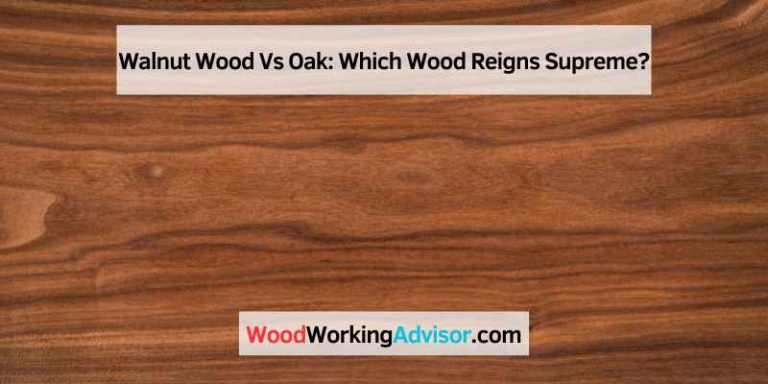
- Rich, dark, chocolate brown heartwood.
- Sometimes features lighter, creamy sapwood streaks, which add character.
- The color darkens beautifully with age and exposure to light, becoming richer over time.
This dark, sophisticated hue provides a stunning contrast in rooms that have lighter walls or flooring. If your goal is an heirloom piece that looks instantly expensive and traditional, Walnut is often the go-to choice for its deep, warm, dramatic color.
Side-by-Side Comparison: Acorn vs Walnut Wood Color at a Glance
To make this comparison crystal clear, let’s put the typical color profiles side-by-side. This table focuses purely on the natural, unstained look of these wood tones.
| Feature | Acorn Wood Tone (Typical Look) | Walnut Wood Tone (Typical Look) |
|---|---|---|
| Primary Color Range | Light to Medium Tan, Golden Brown | Deep Chocolate Brown, often with purplish undertones |
| Warmth/Coolness | Very Warm (Yellow/Gold dominant) | Warm to Neutral (Rich brown tones) |
| Contrast Level | Low contrast, often uniform light color | Medium to High contrast, especially if sapwood is present |
| Heirloom Perception | Rustic, Bright, Farmhouse | Luxury, Traditional, Modern Classic |
Grain Structure: More Than Just Color
While we are focusing on color, remember that wood’s appearance is a package deal. Grain structure plays a huge role in how the color is perceived.
The Grain of Acorn-Toned Woods
Woods that fall into the ‘acorn’ color range (like some Maples, certain Oaks, or softer woods stained lightly) usually have grain patterns that are:
- Relatively subtle or closed grain.
- Less dramatically figured than Walnut.
- Tend to show a very consistent, smooth surface texture excellent for painting or light sealing.
This subtlety means the color is the star of the show, and the grain acts as a gentle backdrop.
The Distinctive Grain of Walnut
Walnut wood is prized because its color is beautifully complemented by its grain. Walnut grain is relatively straight but often features occasional waves or crotches that create dramatic patterning when cut into veneer or used for tabletops.
- The contrast between the nearly black heartwood and the lighter sapwood creates natural visual movement.
- It finishes incredibly smoothly, accepting oil and wax finishes exceptionally well, which enhances the depth of the dark color.
For DIYers, Walnut is often easier to work with than extremely hard woods, though it can be slightly more expensive than common domestic options.
Finishing Effects: How Stains Change Acorn vs. Walnut
This is where the real decision-making happens. How will your chosen finish interact with the wood’s natural tone?
Sealing Acorn-Toned Wood
If you start with a light, natural wood (our ‘Acorn’ base), you have two main paths:
1. Keeping it Light (Clear Coat): Using a simple polyurethane or clear oil will deepen the natural yellow/gold tones slightly, giving it a warm glow without making it dark. This is the easiest method for beginners.
2. Staining Dark (Mimicking Walnut): To make a light wood resemble Walnut, you will need a dark brown stain. Because the base wood is light, you might need two coats, and the resulting color might look slightly “redder” or more muddy than true Walnut. Achieving the deep, chocolate richness of true Walnut on a light base wood can be challenging without heavy pigmentation.
Finishing True Walnut Wood
Walnut is arguably the easiest wood to finish beautifully because it accepts oils and stains so well.
- Natural Enhancement: A simple coat of Danish Oil or Tung Oil dramatically deepens the existing dark brown color, bringing out the grain’s chatoyance (the way light dances across it). This is often the preferred method, as it honors the wood’s natural beauty.
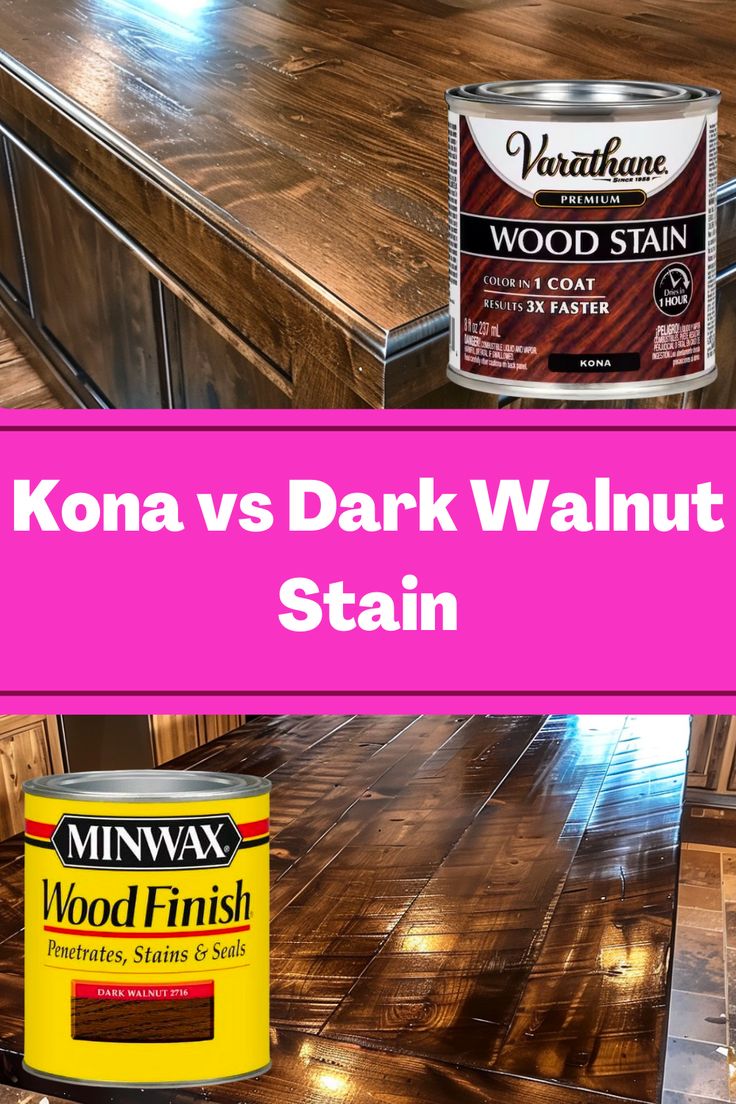
- Darkening Further: While difficult to make significantly darker, applying a specialized dark walnut stain can push the color toward nearly black in certain areas, creating excellent dramatic shadowing.
We always recommend testing any stain or finish on a scrap piece first! This safety step ensures you get the outcome you expect before applying it to your main project piece. Understanding how wood absorbs stain is key; even professional woodworkers at sites like the Forest Products Laboratory conduct extensive testing on finish absorption.
Practical Applications in Your Workshop
Which wood color is better suited for which project around the house? Think about the light in the room and the intended function of the piece.
When to Choose the “Acorn” Look (Light & Warm)
The light, warm tone of Acorn wood shines in environments that benefit from brightness and a more casual feel.
- Small Spaces: Light wood reflects more light, making small rooms or apartments feel larger and airier.
- Mid-Century Modern Projects: This light tone works perfectly with the clean lines and warm teak or oak look of MCM design.
- Children’s Furniture or Playrooms: Lighter wood hides dust less than very dark wood, and often feels inherently friendly and less formal.
- Budget-Conscious Builds: Woods that naturally match the Acorn tone (like common Poplar or Pine, when stained lightly) are usually far more affordable than true Walnut.
When to Choose True Walnut (Dark & Luxurious)
Walnut brings gravitas and refinement to any room it inhabits.
- Office Furniture: A deep walnut desk conveys professionalism and tradition.
- High-End Cabinetry or Mantels: When you want the wood to be the focal point and feel substantial.
- Contrast Pieces: Use walnut cutting boards or picture frames against light countertops or white walls for a striking, modern contrast.
- Heirloom Quality Projects: Because Walnut ages so beautifully, it’s perfect for pieces you intend to pass down.
Durability and Cost Comparison
Color isn’t the only factor determining your choice; durability and budget matter greatly for a beginner’s success. True Walnut is often a premium material, while “Acorn” tones can be achieved with various, often cheaper, domestic woods.
Durability Considerations
While we aren’t focusing on Janka hardness ratings here, general durability perception is important.
Walnut (True Species): Walnut is a medium-density hardwood. It’s quite durable, resisting dents better than softer woods like Pine, making it excellent for surfaces that see daily use.
Acorn Tones (Varies): If your ‘Acorn’ wood is actually Oak or Maple, it will be quite hard. If it’s Pine or Poplar stained lightly, these woods are much softer and will dent and scratch more easily. Always know the species of the wood you buy!
The Cost of Color
As a general rule in the lumber market, deep, rich, domestic hardwoods like Black Walnut command a significantly higher price tag than lighter commodity woods.
| Wood Type | General Cost Factor (Per Board Foot) | Why the Price Difference? |
|---|---|---|
| Light Woods (Pine, Poplar) | Low (Good for achieving light Acorn stain) | Fast growth, widely available domestically. |
| Medium Woods (Oak, Light Maple) | Medium (Can achieve Acorn look naturally) | Good availability, stable classic woods. |
| Black Walnut (True Species) | High to Very High | Slower growth, high demand for its color and grain structure. |
If your budget is tight, aim for a light-colored, durable wood like hard Maple and use a clear finish or a very light amber-toned sealant to achieve a pleasant, warm ‘Acorn’ aesthetic without the high cost of premium Walnut.
Working with Color Variability: A Mentor’s Tip
One reality of working with wood, especially when trying to match colors, is that nature doesn’t use a factory control chart. Every board is unique.
Managing “Acorn” Color Spreads
If you are staining wood to look like “Acorn,” watch out for uneven absorption between pieces. Woods like Birch or Maple can sometimes absorb stain blotchily, turning light areas too dark too fast.
To prevent this, always use a pre-stain wood conditioner, especially on softer woods. This product helps the wood absorb the stain more evenly, leading to a consistent light brown color across all your joined panels.
Taming Walnut’s Contrasts
If you are using true Walnut and its light streaks of sapwood bother you, you have a few options to unify that deep color:
- Selective Contouring: Flip the boards so the sapwood faces the inside of the piece (where it won’t be seen) or use it facing the wall if applicable.
- Dark Wiping Stain: Apply a very light coat of a dark brown wiping stain over the entire piece after applying your clear oil or first coat of finish. The dark stain will absorb mainly into the light sapwood areas, pulling them closer to the heartwood color, while the darker areas will simply deepen slightly.
- Let Age Do the Work: Walnut’s sapwood darkens significantly over time with light exposure, often blending in naturally within a year or two.
For more detailed information on wood finishing techniques that preserve color depth, resources from organizations like the Wood Database can provide species-specific data.
Frequently Asked Questions (FAQ) for Beginners
Here are some quick answers to common questions separating these two wood colors.
Can I stain Pine wood to look exactly like Walnut?
A: No, you cannot achieve an exact match. Pine is much lighter and softer. You can get a deep brown color on Pine, but it will lack the purple/chocolate richness and the grain density of true Walnut when viewed up close.
What if I want a light wood that looks like Acorn naturally?
A: Look for light-colored hardwoods like Ash or clean Maple. If you apply only a clear satin or semi-gloss polyurethane, it will slightly enhance their natural, light, warm tone, giving you that gentle Acorn hue without any stain.
Is Walnut easier to sand than the woods that look like Acorn?
A: Generally, yes. Walnut typically sands very smoothly and evenly. Woods that achieve the ‘Acorn’ look via staining (like soft Pine) can sometimes develop fuzziness or be prone to tear-out if the grain is unevenly absorbing the stain conditioner.
Which color hides fingerprints and dust better?
A: The deep, dark color of Walnut tends to show dust and fingerprints more obviously, especially under bright, direct light. The medium, warm tones of a nicely finished ‘Acorn’ wood are often much more forgiving in terms of hiding minor shop smudges between cleanings.
Does the Acorn color fade over time like Walnut darkens?
A: Light woods stained using pigmented stains can sometimes fade slightly if exposed to intense, direct UV sunlight for years. True Walnut, however, typically darkens and enriches its natural color when exposed to light, making it more robust aesthetically.
If I use Walnut veneer, will the color still look like Walnut?
A: Yes. Walnut veneer is cut directly from the heartwood and displays the characteristic deep brown color. When buying veneer, examine the color consistency, as some manufacturers might blend lighter sapwood veneers in the batch.
Finalizing Your Choice: Guiding Your Hand
Deciding between the appealing warmth of an ‘Acorn’ tone and the timeless elegance of Walnut boils down to the personality you want to give your woodworking project. There is no right or wrong answer here, only the best fit for your space and your budget.
If you are just starting out, remember that achieving a good finish on a lighter wood—whether you keep it natural or stain it a medium ‘Acorn’ hue—is often more forgiving than trying to wrestle a very dark, pigmented stain onto a light-colored piece. Don’t be afraid to embrace the wood’s natural color.
If you find a beautiful piece of lumber that has that perfect light, warm tan glow, lean into it! Give it a simple coat of Tung oil, celebrate its rustic simplicity, and save the deep, dramatic character of Walnut for that special heirloom project when your skills and budget allow. Every piece you build, regardless of color, will teach you something new. Keep practicing safe cuts, trust your instincts, and enjoy the process of turning raw material into something functional and beautiful!