Easy Acrylic Painting Ideas for Beginners (Including on Wood)
Acrylic paint is the easiest medium for a true beginner because it dries fast, cleans up with water, and lets you paint over any mistake once dry. Five projects below need zero drawing skill to look good — abstract color fields, a monochrome mountain scene, tape-line geometrics, a sunset silhouette, and a galaxy. Since this is a woodworking site, we’re also covering something most beginner-painting guides skip entirely: how to get acrylic to actually hold up on raw wood instead of canvas.
Why Acrylic Beats Oil or Watercolor for a First Project
Best Complete Starter Set
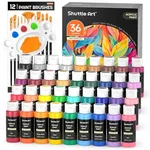 |
Shuttle Art Acrylic Paint, 36 Colors with Brushes & Palette – $25.99 Covers every color in the five projects below plus brushes and a palette in one box, so a first-timer isn’t piecing together separate purchases.
|
Acrylic is a water-based polymer emulsion, which is the technical reason it behaves so differently from oil (solvent-based, days to dry) or watercolor (transparent, unforgiving of mistakes). A thin acrylic layer is dry to the touch in minutes and fully cured within a day, so you can layer colors in one sitting instead of waiting overnight. Once cured, the paint film is permanent and water-resistant, which means a bad section just gets painted over — there’s no equivalent “undo” in watercolor, where the paper itself absorbs and stains.
The Basic Kit
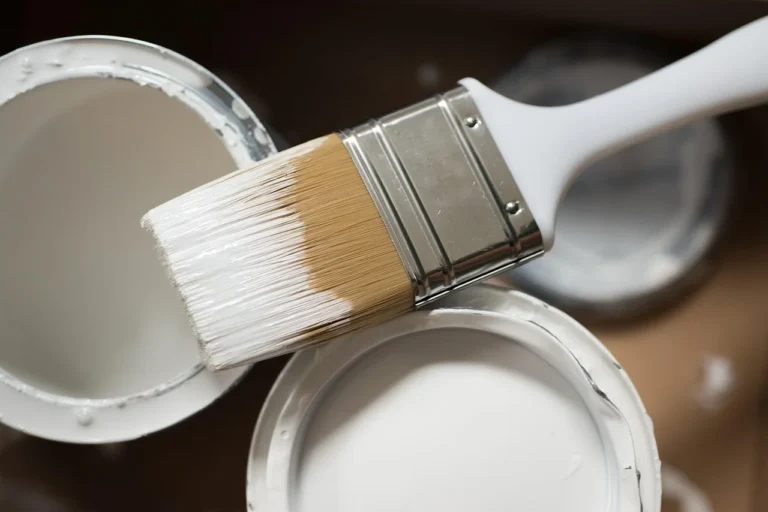
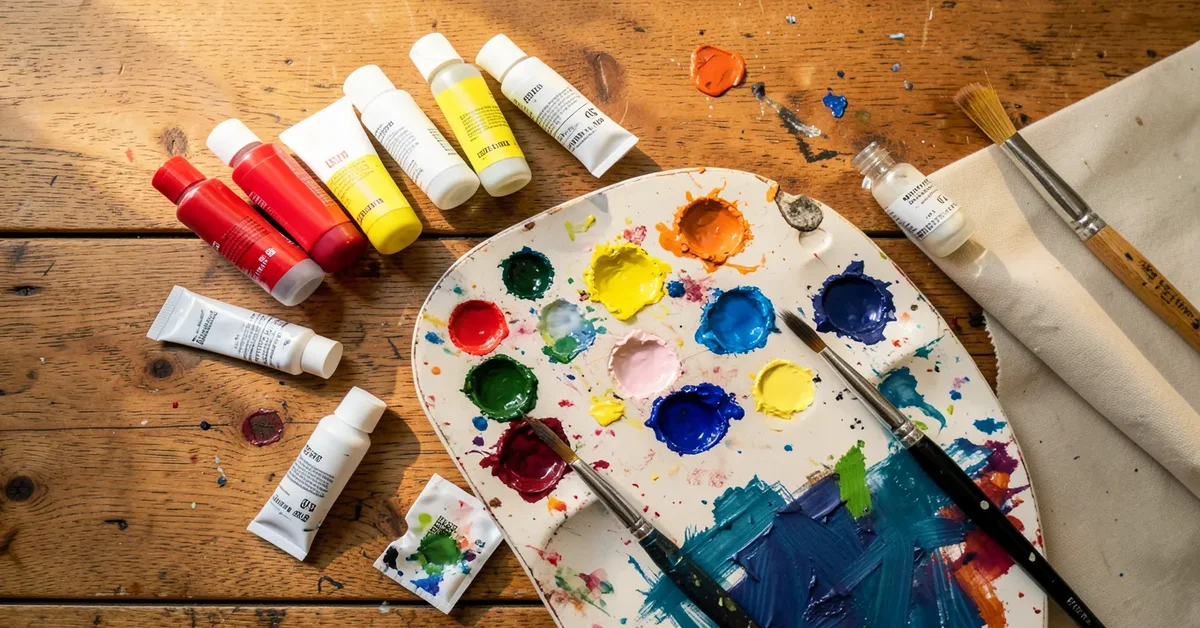
A starter set needs only five colors — red, yellow, blue, black, and titanium white — since those mix to nearly any color you’ll need. Add a flat brush for filling large areas, a round brush for detail, and a filbert (oval) brush for blending; synthetic bristles work fine with acrylic and cost far less than natural hair. Round out the kit with a palette (a paper plate works), two water jars, and paper towels.
Five Beginner-Proof Projects
1. Abstract Color Fields
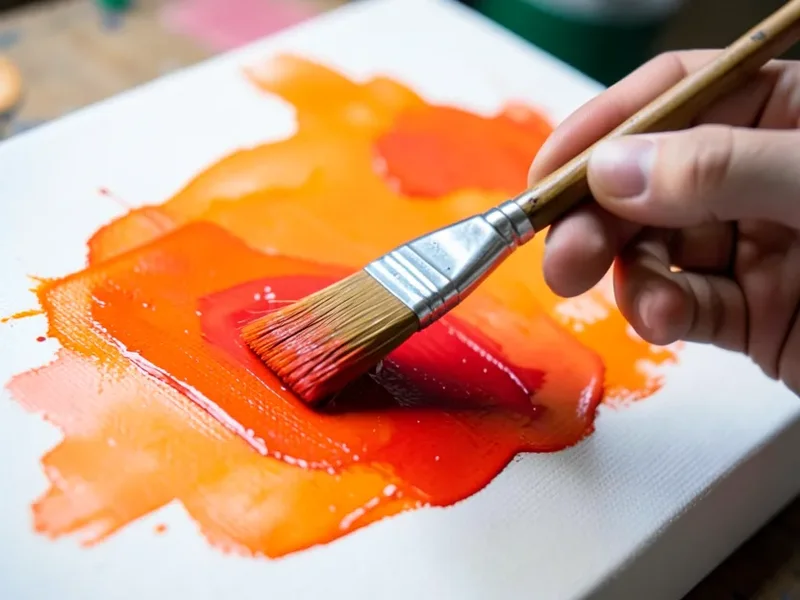
Pick 3–4 colors you like together, lightly wet the canvas, then lay each color in a block and blend the edges where they meet while still wet. There’s no “wrong” result since you’re not representing anything — it’s the fastest way to get comfortable moving paint around before you attempt a real subject.
2. Monochromatic Mountain Layers
Choose one color and mix it with white and black to get 4–5 tints and shades. Paint the sky in your lightest tint, then layer overlapping mountain silhouettes down the canvas, using a progressively darker shade for each closer range. This teaches value contrast — the actual mechanism that creates a sense of depth — without touching color theory.
3. Painter’s-Tape Geometrics
Lay painter’s tape across the canvas in any pattern, press the edges down firmly, and fill the open sections with color. Peel the tape once the paint is dry to the touch but not fully cured — too early and it smudges, too late and the paint can chip along the tape line. Pull the tape at roughly a 45-degree angle for the cleanest edge.
4. Sunset Silhouette
Blend yellow into orange into red into purple from bottom to top for the sky, let it dry completely, then paint a solid black ground line and a simple silhouette (a tree, birds on a wire, a skyline) with a round brush. The background must be bone dry first or the black will muddy straight into your gradient.
5. Galaxy Painting
Paint the whole canvas black or dark navy and let it dry, then sponge deep blues, purples, and pinks in a swirling cloud shape, blending the edges. Flick white paint off an old toothbrush with your thumb for a fine star spray, and dot in a few larger stars with the back of a brush handle.
Painting Acrylic on Wood (Not Just Canvas)
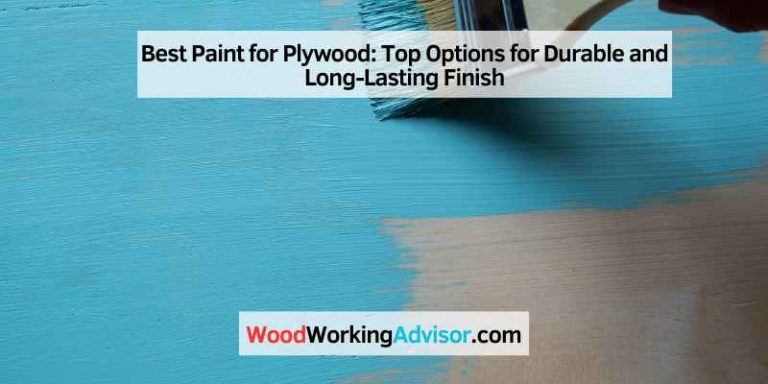
Acrylic sticks to almost anything, but raw wood is thirstier than canvas and behaves differently if you skip prep. Untreated wood pulls moisture out of the paint unevenly, which can leave blotchy, streaky color and raise the grain into a rough, fuzzy surface as it dries. For any of the five projects above done on a wood panel, cutting board, or sign blank instead of canvas:
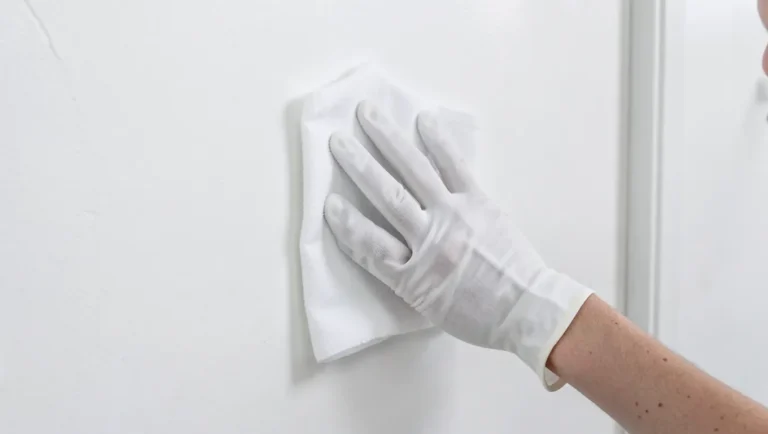
- Sand the surface first with 220-grit, then wipe off dust with a tack cloth or barely-damp rag.
- Apply one or two thin coats of gesso, sanding lightly with fine-grit paper between coats once each is dry — this seals the wood’s absorbency and gives you a smooth, canvas-like surface instead of raw grain.
- Paint as you normally would once the gesso is fully cured, usually a few hours.
- Seal the finished piece with a clear acrylic varnish, especially for anything that will be handled or displayed outdoors — unsealed acrylic on wood is more vulnerable to scuffing than the same paint on framed canvas.
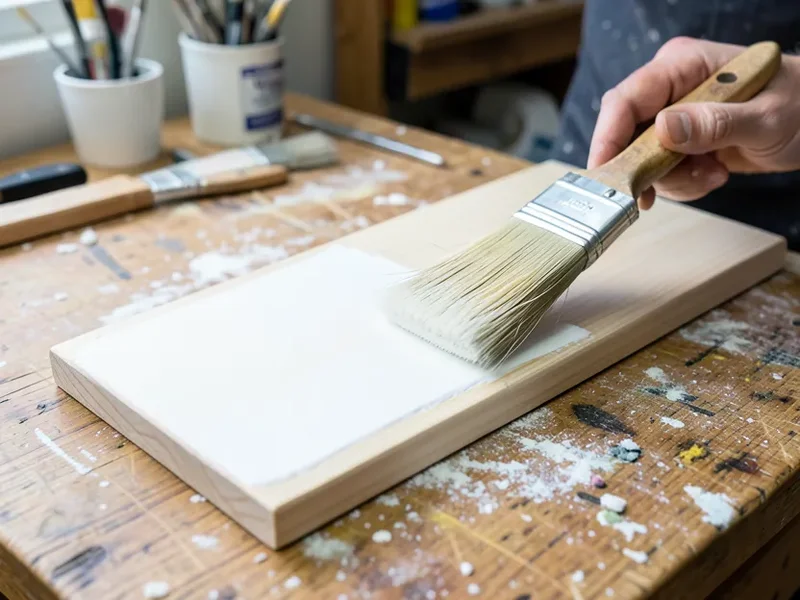
Skip the gesso only if you specifically want the wood grain to show through as part of the design (a “wood-wash” look) — in that case thin the paint slightly with water so it acts more like a stain and less like an opaque layer.
Tips That Actually Prevent Beginner Mistakes
- Squeeze out more paint than you think you need — running out mid-blend forces a color mismatch you can’t fully fix.
- Work background to foreground — sky and distant elements first, then closer details on top.
- Rinse brushes between colors, and never let paint dry in the bristles — once cured, it won’t rinse back out.
- Let each layer dry fully before adding detail on top, especially for the silhouette and geometric projects where a wet layer underneath will bleed or lift.
Frequently Asked Questions
What is the easiest thing to paint for a beginner?
An abstract color-field piece is easiest since it’s about color and blending, not accurate shapes. Simple landscapes like a monochromatic mountain range or a sunset gradient are close behind.
Do I need to prime my surface before painting with acrylics?
Most store-bought canvas comes pre-primed with gesso and is ready to paint. Raw wood, MDF, or other porous surfaces need one or two thin gesso coats first, sanded lightly between coats, or the paint will absorb unevenly and the grain will roughen.
How do I clean acrylic brushes?
Rinse in water while the paint is still wet, then work a little dish soap into the bristles, rinse until the water runs clear, reshape the brush head, and let it air dry flat or bristle-up.
Can I paint over a mistake with acrylics?
Yes, once the area is fully dry you can paint directly over it. This is the main reason acrylic is recommended over watercolor for beginners.
How long does acrylic paint take to dry?
Thin layers are dry to the touch in minutes; thick layers can take an hour or more. Full cure (the point where the paint reaches its final hardness and water-resistance) takes closer to a full day regardless of layer thickness.
Can I mix different brands of acrylic paint?
Yes. All acrylic paints are water-based polymer emulsions regardless of brand, so they mix and layer together without compatibility issues.
Bottom Line
Pick any of the five projects above and you’ll have a finished, good-looking piece within a single sitting — acrylic’s forgiveness is the whole point. If you’re painting on wood instead of canvas, the extra ten minutes of sanding and gessoing first is what separates a smooth, lasting finish from a blotchy one.
Sponsored / affiliate links. As an Amazon Associate I earn from qualifying purchases. I may earn additional commission from eligible campaigns.