Acrylic Painting Ideas for Beginners Step by Step: Creative Guide
Are you ready to unleash your inner artist but don’t know where to start? Acrylic painting is a fantastic way for beginners to dive into the colorful world of art.
It’s versatile, forgiving, and perfect for experimenting with your creative ideas. Imagine the satisfaction of transforming a blank canvas into a vibrant masterpiece, step by step. You’ll find easy-to-follow acrylic painting ideas that are designed to boost your confidence and ignite your passion for art.
Whether you’ve never held a brush before or are looking to refine your skills, this guide is crafted just for you. So grab your brushes, and let’s turn your imagination into reality!
Credit: theartsherpa.com
Getting Started With Acrylics
Begin with a set of basic acrylic paints. You will need brushes of different sizes. A canvas or thick paper works great. Don’t forget a palette for mixing colors. Water and a cloth help with cleaning.
Acrylic paints come in many colors. Start with primary colors. This includes red, blue, and yellow. White and black are also useful. These colors help make new shades. Mixingis fun and easy.
Find a clean, quiet place to paint. Use a table or desk. Keep all supplies nearby. Good light helps see colors better. Protect the table with newspaper. Wear old clothes to stay clean.
Basic Techniques
Brush strokesare the start of every painting. Use big brushes for large areas. Smaller brushes work well for details. Keep your hand steady. Try different angles. This changes the look. Practice makes perfect. Mix short and long strokes. This adds texture.
Blending colorsis fun and creative. Start with two colors. Use a brush to mix them. Create new shades. Use water to thin the paint. This helps blend. Work quickly. Acrylics dry fast. Try blending on the canvas. Not just the palette.
Layering paintgives depth to your art. Start with a base layer. Let it dry. Add more layers on top. Each layer adds new detail. Use light colors first. Dark colors go last. Experiment with textures. Try different tools. Not just brushes.
Simple Project Ideas
Start with simple shapes and colors. Use bright colors like red, blue, and yellow. Make lines and dots with your brush. Try swirling the colors together. Let your imagination run wild. There’s no right or wrong in abstract art. Just have fun with your brush.
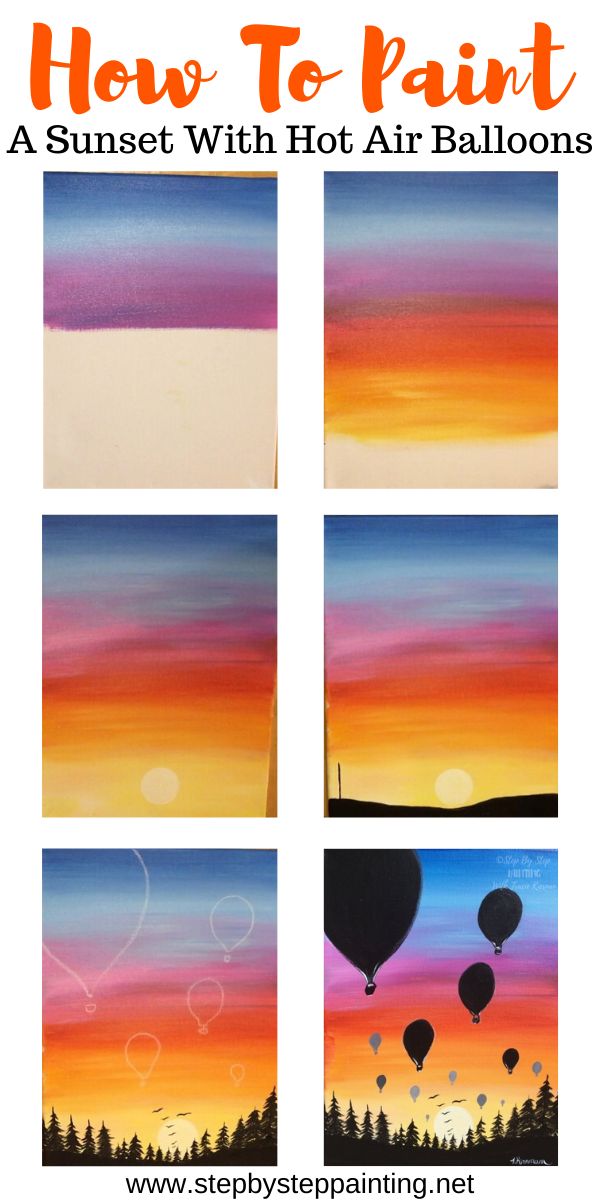
Begin with a sunset or sunrise. Use warm colors like orange and pink. Paint simple trees with green leaves. Add a blue river or a small mountain. Create simple clouds in the sky. Use a dry brush for texture. Capture the beauty of nature with easy strokes.
Draw squares, triangles, and circles. Fill each shape with a different color. Use black lines to outline shapes. Try creating a checkerboard pattern. Mix colors to see new shades. Use a ruler for straight lines. Geometric art is about symmetry. Experiment with different shapes and sizes.

Credit: www.pinterest.com
Step-by-step Projects
Start with a soft orange and pink sky. Blend the colors gently. Add a bright yellow sun. Make it half-hidden behind hills. Use darker shades for the ground and trees. Add small details like birds. This can make the scene come alive. Each stroke should be slow and steady.
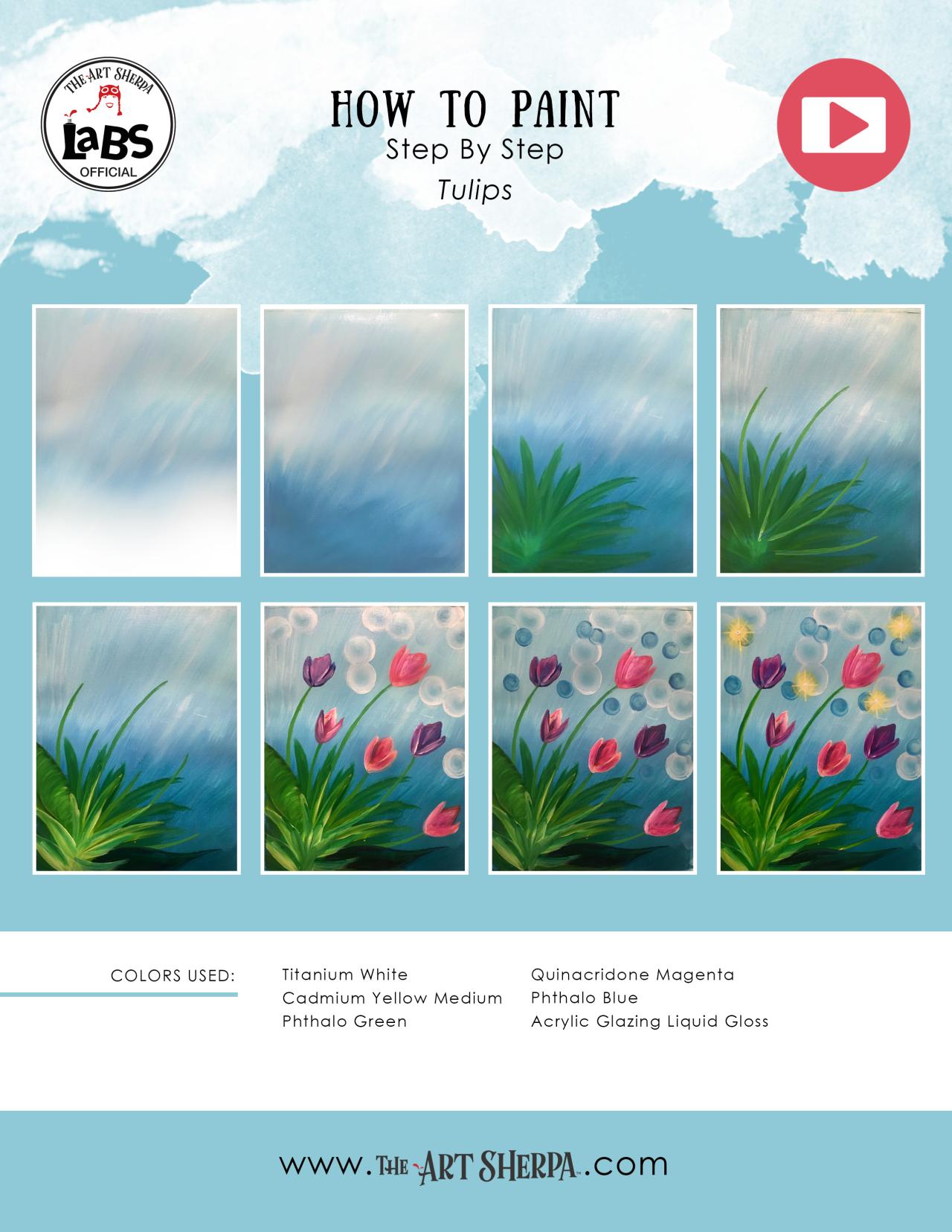
Begin with simple green stems. Add big, colorful flowers. Use red, blue, or yellow. Paint tiny leaves around each stem. Use light and dark shades. This gives depth to each flower. Don’t forget the pot. Make it a simple brown or gray. A little highlight makes it shine.
Create a deep blue ocean. Add waves with white foam on top. Paint a small boat on the water. Use brown or white for the boat. Add a bright blue sky above. A few clouds can add interest. Finish with a glowing sun. Make it shine over the ocean.
Tips For Improving Skills
Textures make paintings look cool. Use a sponge to dab paint. Create bumpy effects. Sandpaper can also be fun. Rub it over dry paint. It changes the look. Try using household items too. Bubble wrap and combs work well. They make interesting patterns. Each texture tells a story. Play around and see what you like.
A palette knife spreads paint. It’s like a butter knife. Use it for thick paint strokes. Create mountains or waves. You can mix colors directly on the canvas. This tool is fun and easy. It gives a rough look. Beginners love it because it’s simple. You’ll feel like a real artist.
Mixed media uses many things. Combine paint with paper or fabric. Glue bits onto the canvas. Add sand or glitter for shine. Mix in crayons or colored pencils. This makes paintings unique. Each piece is special. Let your imagination fly. There are no rules. Just have fun and explore!
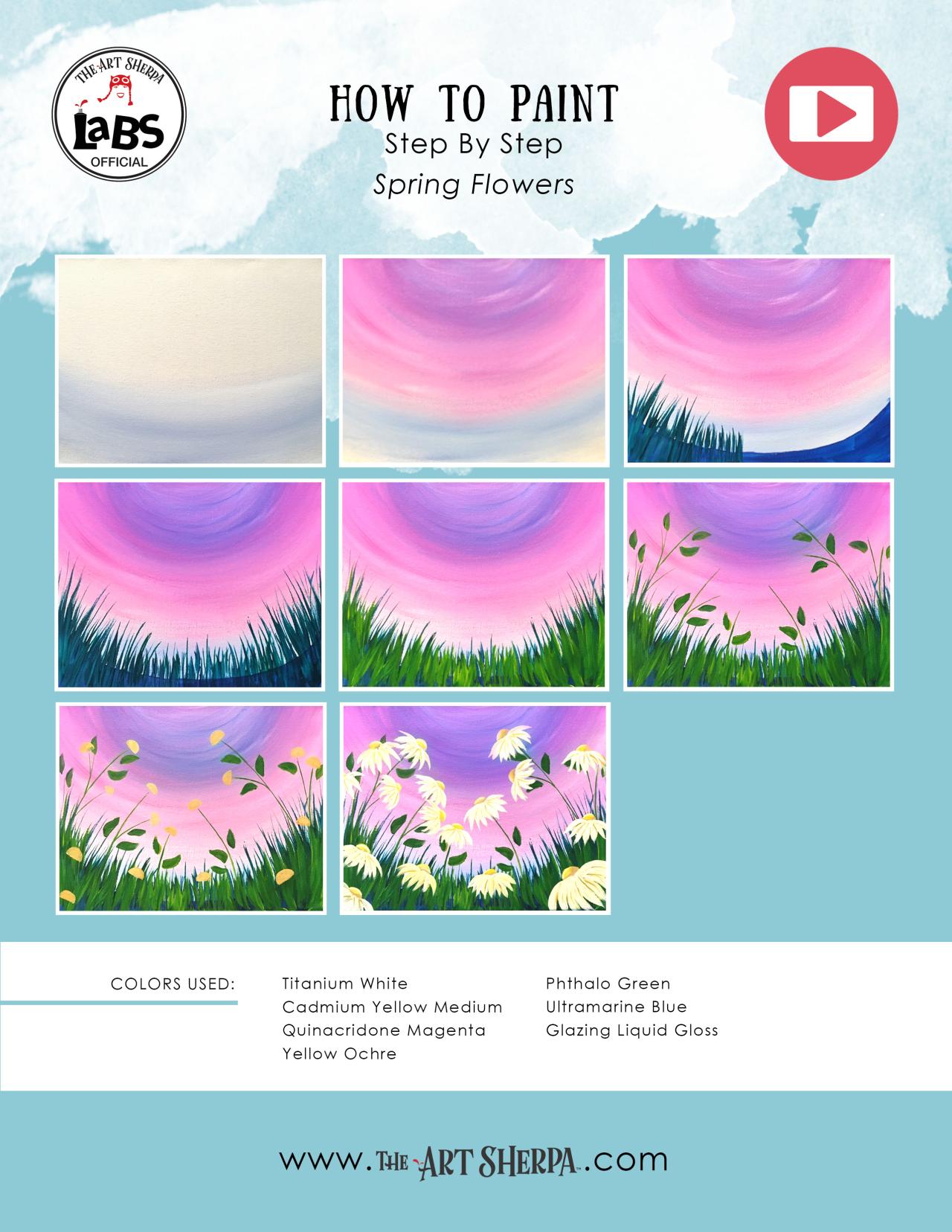
Credit: theartsherpa.com
Inspiration And Motivation
Every artist has a unique style. Discovering yours is important. Experimenting with different techniques helps. Try abstract designs, or focus on nature themes. Look at other artists’ work. What do you like? What speaks to you? Your style will grow over time.
Art communities are great for support. Connect with other artists. Share your work and ideas. Learn from their experiences. Find groups online or locally. Feedback is helpful. It can improve your skills. Collaboration can spark new ideas. You are never alone in art.
Stay inspired by visiting galleries. Books and movies also help. Nature is a wonderful source of inspiration. Colors and shapes are everywhere. Music can change your mood and spark creativity. Keep a sketchbook. Write or draw whenever you have ideas. Inspiration is all around us.
Frequently Asked Questions
What Is The Easiest Thing To Paint In Acrylic?
Beginners find painting flowers or landscapes in acrylic easiest. Simple shapes and vibrant colors make these subjects ideal. Acrylic paint dries quickly, allowing easy layering and corrections. Experimenting with abstract forms can also be fun for novices. Focus on creativity and enjoy the process.
What Happens When You Mix Baking Soda And Acrylic Paint?
Mixing baking soda with acrylic paint creates a textured, matte finish. This combination thickens the paint, enhancing its durability and providing a unique, chalk-like appearance. Ideal for crafting and decorative projects, it offers a budget-friendly alternative to store-bought textured paints.
Always test small amounts before full application.
What Are The Mistakes A Beginner Makes When Painting With Acrylics?
Beginners often use too much water, causing thin layers. They may not prep the canvas properly. Over-mixing colors leads to dull results. Ignoring drying times can cause unwanted blending. Skipping varnish might leave the painting unprotected.
Should I Wet The Brush Before Painting Acrylic?
Wet the brush slightly before using acrylic paint to improve flow and blending. This helps achieve smoother strokes and prevents paint from drying too quickly. Ensure the brush is not too wet, as excessive water can dilute the paint and affect its opacity.
Conclusion
Exploring acrylic painting is a fun journey. Try different techniques and styles. Don’t fear mistakes; they’re part of learning. Practice regularly, even if just for a few minutes. Gather inspiration from everyday surroundings. Let your imagination guide the brush. Celebrate each painting, no matter how small.
Progress might seem slow, but it’s steady. Share your art with friends or online communities. They can offer encouragement and tips. Remember, every artist started as a beginner. Keep creating and enjoy the process. Your artistic skills will naturally improve over time.
Happy painting!