Alder vs Birch: Hardness, Cost & Best Uses Compared
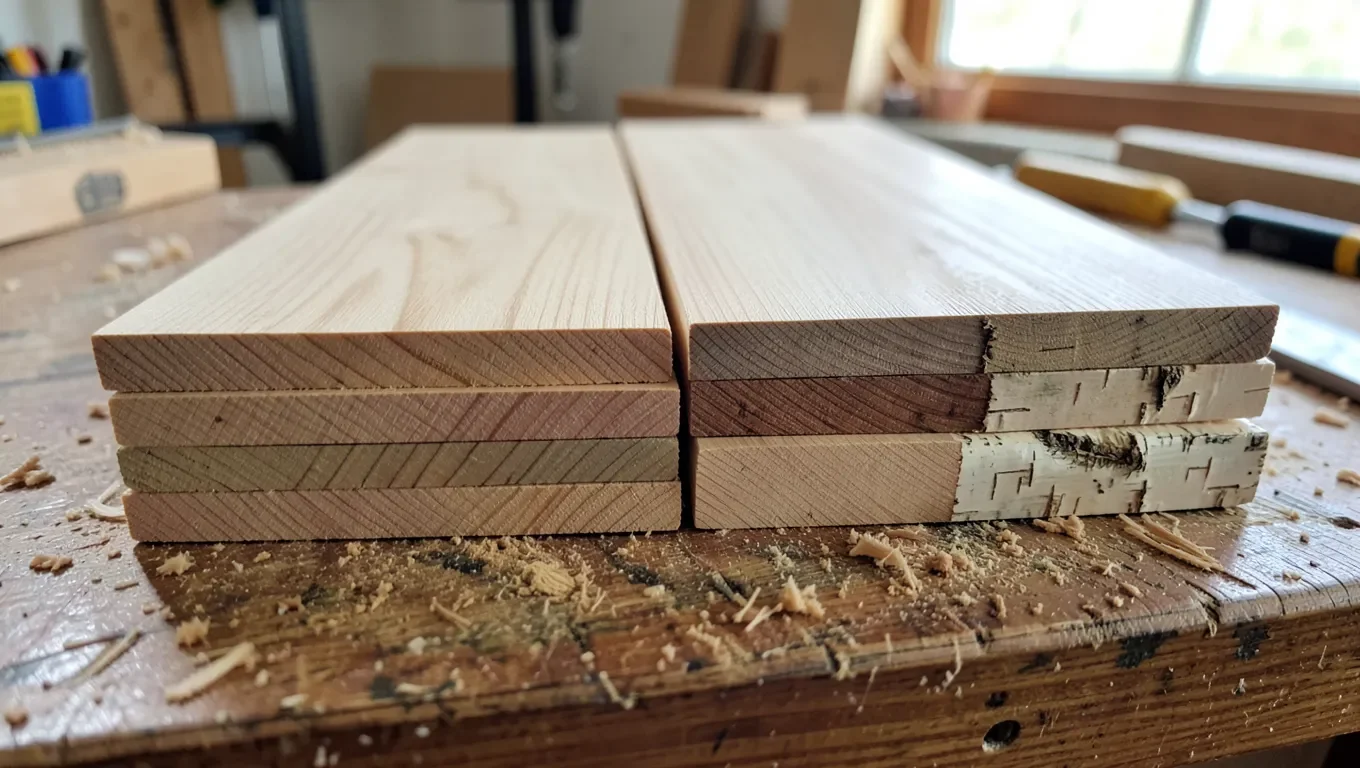
Alder is a soft, light hardwood (590 lbf on the Janka scale) that’s easy to cut and carve, while birch is significantly harder (910-1,260 lbf depending on species) and about 40-50% heavier by volume. That single difference drives almost every other decision in this comparison: alder is the better pick for guitar bodies, cabinet doors, and carvings where weight and easy shaping matter; birch wins for flooring, plywood, and furniture that needs to survive decades of daily wear.
Below is the actual hardness, weight, and cost data side by side, plus what it means for the project you’re planning.
Alder vs Birch at a Glance
Before the breakdown, one practical note: whichever wood you end up buying, kiln-dried lumber can still pick up moisture sitting in a garage or unheated shop. A cheap pin-type moisture meter takes ten seconds to check a board before you glue up a panel or run it through a planer, and it’s the single easiest way to avoid the cupping and glue-joint failures that ruin an otherwise good piece of alder or birch.
Handy Pick For Checking Either Wood
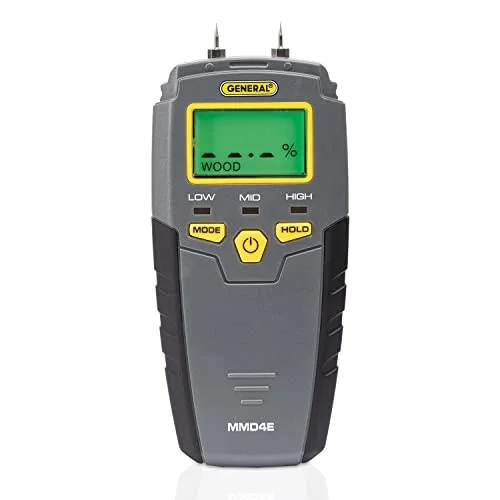 |
General Tools MMD4E Pin-Type Wood Moisture Meter – $36 Whether you go with alder or birch, this checks a board’s moisture content in seconds before you glue up a panel or start a build.
|
Here’s how the two woods actually compare, using real Janka hardness and density figures rather than vague “soft” or “hard” labels:
| Property | Red Alder | Yellow Birch | Paper (White) Birch |
|---|---|---|---|
| Janka Hardness | 590 lbf | 1,260 lbf | 910 lbf |
| Dry Density | ~28 lb/ft³ | ~42-43 lb/ft³ | ~38.6 lb/ft³ |
| Grain | Straight, fine, subtle figure | Straight, occasionally wavy | Straight, tight, fine |
| Color | Light tan to pale reddish-brown | Cream sapwood, reddish-brown heartwood | Creamy white to pale yellow |
| Workability | Very easy with hand or power tools | Harder on blades, more tear-out risk | Moderate, sands and turns well |
| Typical Cost | Lower – one of the more affordable hardwoods | Higher – often 1.5-2x alder per board foot | Mid-range |
| Best For | Guitar/bass bodies, cabinet doors, carving | Flooring, plywood, cabinetry, furniture | Plywood veneer, turning, craft work |
Janka Hardness: How Much Harder Is Birch?
The Janka hardness test measures how much force it takes to embed a small steel ball halfway into a piece of wood – it’s the standard way to compare dent and wear resistance between species. Red alder comes in at 590 lbf, which puts it closer to soft domestic woods like poplar than to true hardwoods like oak (1,290 lbf) or maple (1,450 lbf).
Birch varies more by species. Yellow birch, the type most commonly sold as hardwood lumber and used in birch plywood, rates 1,260 lbf – more than double alder’s hardness. Paper birch (also called white or canoe birch) is softer at 910 lbf, but it’s still noticeably more dent-resistant than alder. In practical terms: a dropped tool or a dragged chair leg will mark an alder tabletop far more easily than a birch one.
Weight and Density
Dry red alder weighs roughly 28 pounds per cubic foot, making it one of the lighter hardwoods available. Yellow birch is considerably denser at 42-43 lb/ft³, and paper birch sits in between at about 38.6 lb/ft³. That 40-50% weight difference matters more than most buying guides mention: a solid alder guitar body or a stack of alder cabinet doors is noticeably easier to handle and ship than the birch equivalent, which is part of why alder became the standard body wood on instruments like the classic Fender Stratocaster.
Grain, Color, and Appearance
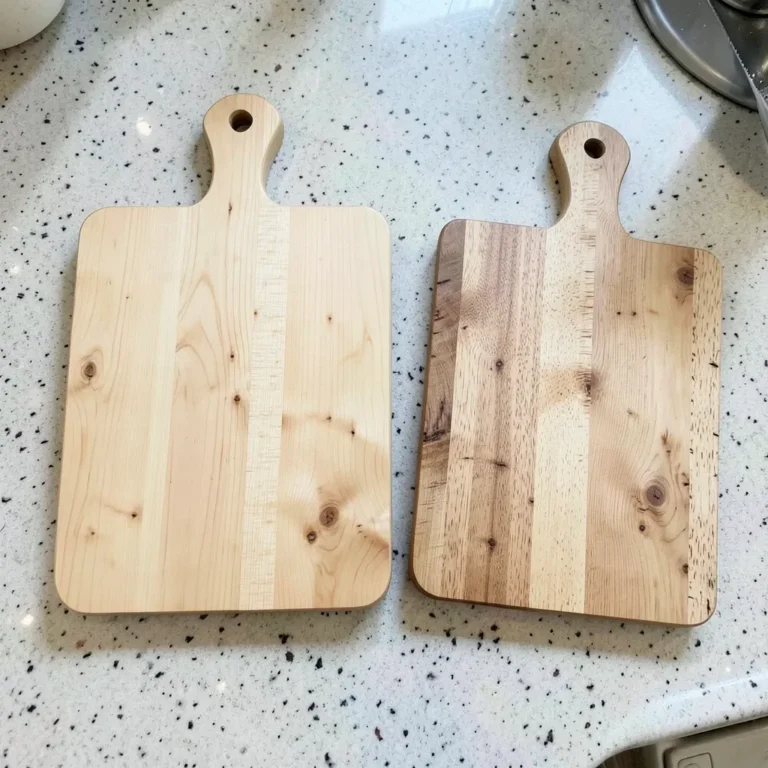
Alder has a straight, fine, fairly uniform grain with subtle figure and a light tan to pale reddish-brown color that darkens slightly with age and UV exposure. It takes stain evenly, which is exactly why it’s a popular substitute for pricier woods like cherry or walnut when a project calls for a stained (rather than natural) finish.
Birch’s appearance depends on which part of the tree the board comes from. Sapwood is nearly white to pale cream, while the heartwood runs reddish-brown – the same board can show both colors, which is why birch plywood and flooring are sometimes sorted into “select white” (sapwood only) and “natural” (mixed) grades. Birch’s tighter, sometimes slightly wavy grain gives it a bit more visual interest than alder, but it can also blotch when stained unless you use a pre-stain conditioner first.
Workability: Cutting, Sanding, and Finishing
Alder’s low Janka rating makes it one of the easier hardwoods to work by hand – it cuts cleanly with hand tools, carves without much fighting, and sands quickly. The tradeoff is that it dents and scratches just as easily during construction as it does after, so clamps, sharp tools, and light sanding pressure matter more than they would with a denser wood.
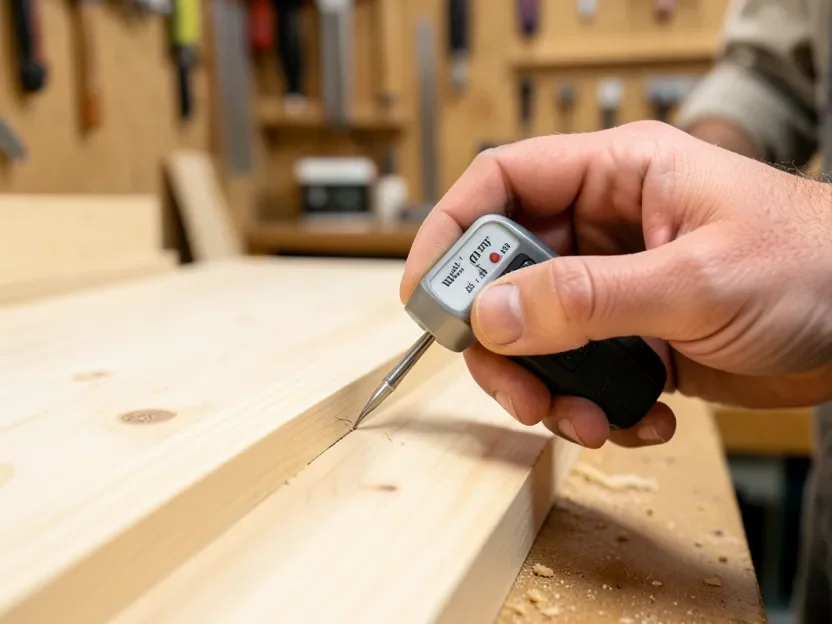
Birch is harder on blades and bits, and its density means more tear-out risk when hand-planing or routing against the grain – climb cuts and a sharp edge help. It holds screws and glue joints noticeably better than alder because the denser fibers grip more tightly, which is one reason it’s the standard face veneer for cabinet-grade plywood. Before gluing up any panel in either wood, checking the board’s moisture content with a meter (like the one above) takes the guesswork out of whether it’s actually ready to work.
Cost Comparison: Which Is Cheaper?
Alder is typically one of the more affordable domestic hardwoods, largely because red alder grows fast and is widely available from Pacific Northwest suppliers. Birch, particularly yellow birch sold as solid lumber, usually runs higher – often in the range of 1.5 to 2 times alder’s price per board foot, depending on region and grade. Birch plywood is the exception: because it’s manufactured from thin veneers rather than solid stock, cabinet-grade birch plywood can actually be more cost-effective per square foot than solid alder lumber for large flat panels like cabinet carcasses.
Exact pricing swings with lumber market conditions, so it’s worth checking a local supplier’s current board-foot price before budgeting a project down to the dollar.
Best Uses for Alder vs Birch
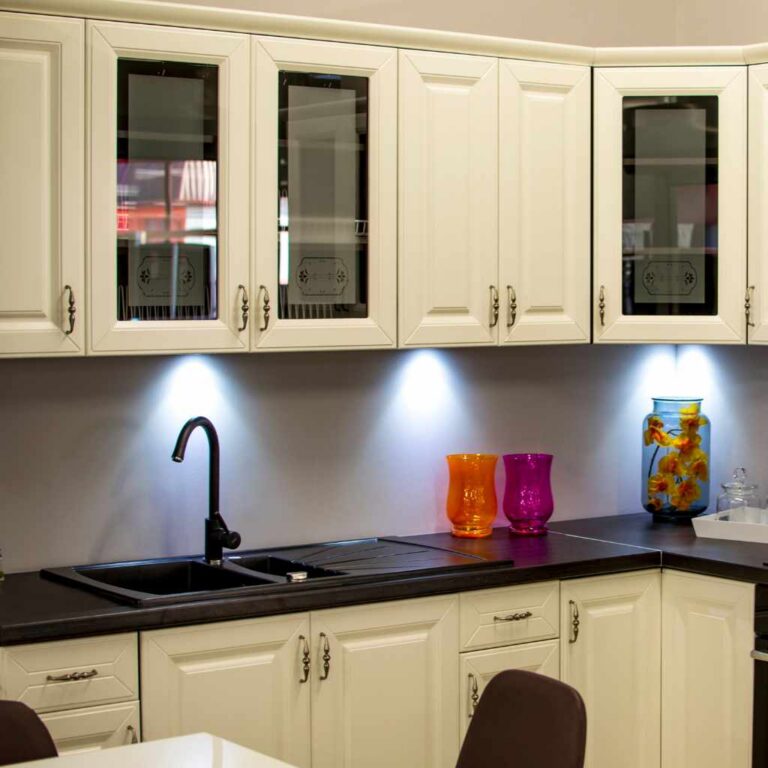
Alder is the better choice when weight and easy shaping matter more than durability: solid-body electric guitars and basses, cabinet doors and face frames, interior trim, carvings, and furniture that will be painted or stained rather than left to take heavy daily abuse.
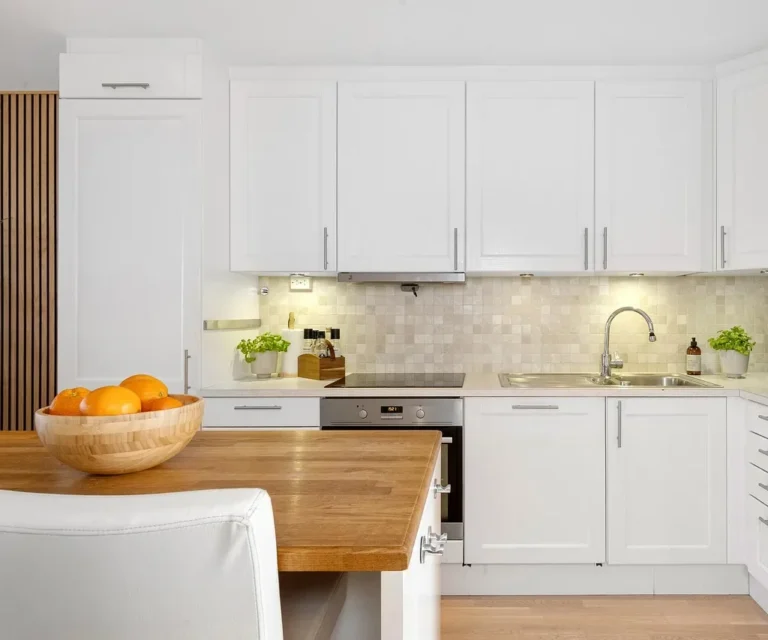
Birch is the better choice anywhere the surface needs to survive real wear: hardwood flooring, cabinet-grade plywood, butcher blocks, kitchen cabinetry, and furniture pieces like tabletops and dressers that get used daily. For a deeper look at exactly how birch performs under load, see our full breakdown of birch’s Janka rating and what it means in practice.
Sustainability Notes
Red alder is a pioneer species – it grows quickly on disturbed or cleared land and is often one of the first trees to reestablish after logging, which keeps supply relatively renewable. Birch species grow more slowly and take longer to reach harvestable size, so responsibly sourced birch (look for FSC certification) tends to carry a higher sustainability premium alongside its higher price. Both species support healthy forest ecosystems: alder fixes nitrogen in the soil through root nodules, improving conditions for neighboring trees, while birch’s early leaf drop and seed production feed a wide range of birds and insects.
Frequently Asked Questions
What Is The Difference Between Alder And Birch?
The biggest difference is hardness and weight: alder rates 590 lbf on the Janka scale and weighs about 28 lb/ft³, while birch ranges from 910-1,260 lbf and weighs 38-43 lb/ft³ depending on species. Alder is easier to cut, carve, and shape; birch is more durable and resists dents and wear far better, which is why it’s the standard choice for flooring and plywood.
Is Alder Better Than Birch?
Neither wood is universally “better” – it depends on the project. Alder is better for guitar bodies, cabinet doors, and carved or painted pieces where light weight and easy shaping matter. Birch is better for flooring, plywood, and furniture that needs to hold up to daily wear, since it’s roughly twice as hard as alder.
Is Birch Or Alder More Expensive?
Birch is generally more expensive than alder as solid lumber, often running 1.5-2x the price per board foot. The exception is birch plywood, which can be more cost-effective than solid alder for large flat panels since it’s manufactured from thin veneers. Always check current pricing with a local supplier, since lumber costs shift with market conditions.
Is Alder A Type Of Birch?
No. Alder and birch are different genera within the same family, Betulaceae. Alder belongs to the Alnus genus, while birch belongs to the Betula genus. They’re botanical relatives, not the same wood, and they have measurably different hardness, density, and grain characteristics as shown in the comparison table above.
Conclusion
The choice comes down to what the piece needs to survive. Pick alder for guitar and bass bodies, cabinet doors, trim, and carvings where light weight and easy shaping outweigh durability – and where the lower cost helps the budget. Pick birch for flooring, cabinet-grade plywood, and furniture that will see daily use, since its 910-1,260 lbf Janka rating gives it roughly double alder’s resistance to dents and wear.
Whichever you choose, check the board’s moisture content before you build – it’s a five-dollar habit that prevents the warping and glue failures that ruin far more projects than picking the “wrong” species ever does.
Sponsored / affiliate links. As an Amazon Associate I earn from qualifying purchases. I may earn additional commission from eligible campaigns.