Alta Circular Saw: History (1927) + Best Modern Equivalents
The “Alta” circular saw was a real power handsaw made by Fred W. Wappat starting in 1927 — not a product you can buy new today. Searching for one to purchase leads nowhere, because Wappat’s company was absorbed by Simonds Saw & Steel in 1929 and the Alta line stopped decades ago. This guide covers the saw’s real history, what changed in circular saw design since 1927, and which modern 7-1/4-inch saw to buy instead.
The Real Alta Circular Saw: A 1927 Original, Not a Current Product
Best Modern Alta-Style Circular Saw Pick
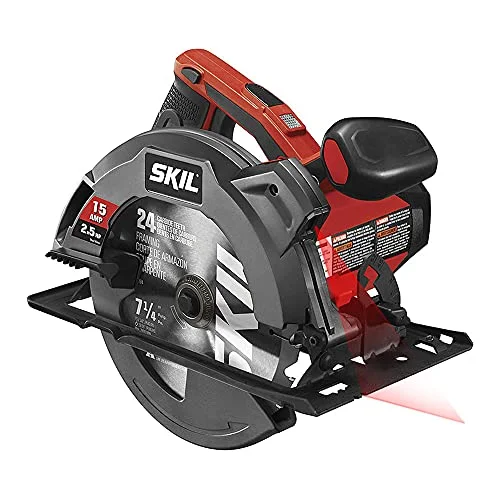 |
SKIL 15 Amp 7-1/4″ Circular Saw with Laser Guide (5280-01) – $69.00 A 15-amp corded 7-1/4-inch saw with a built-in laser guide – the same emphasis on visible-cut accuracy the original Alta’s spinning-blade design was built around, updated with a spindle lock for fast blade changes.
|
Fred W. Wappat introduced the Alta line of power handsaws in 1927 — among the earliest handheld circular saws made. Early Alta saws carried 8- to 10-inch blades and a then-novel automatically retracting blade guard, and were built rugged enough for cutting stone and concrete; they saw use resurfacing roadways and reportedly during renovation work at the Washington Monument. Later Alta models shifted toward woodworking, aimed at carpenters rather than masonry crews.
📊 In 1929, Wappat Gear Works was acquired by Simonds Saw & Steel Co., which ran it as a subsidiary (Wappat, Inc.) until Fred Wappat bought the business back in 1941 — the Alta name did not continue as an independent product line after that. — Source: VintageMachinery.org, Fred W. Wappat manufacturer history
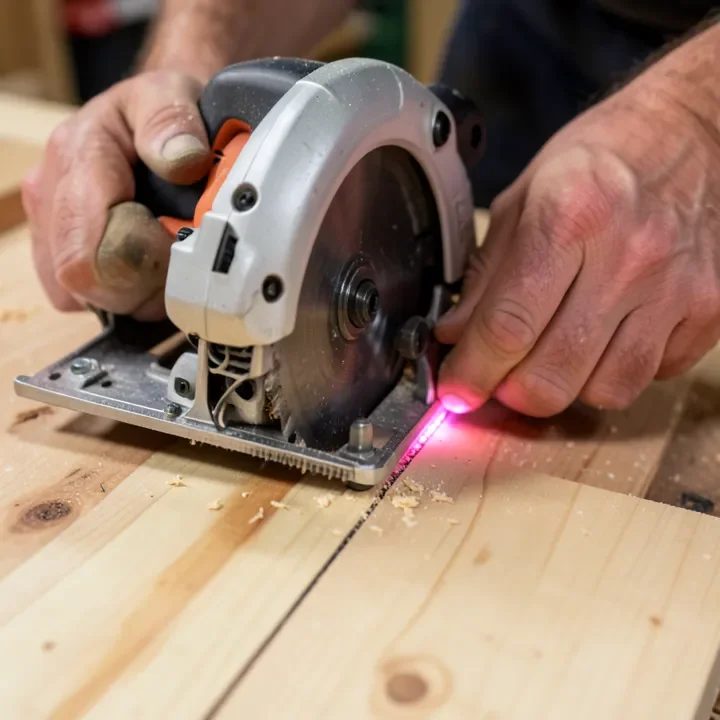
That history is also why an “Alta circular saw” doesn’t show up for sale on Amazon or at any hardware store today — there’s no current manufacturer making one. Collectors do occasionally sell working antique units, but for an actual project saw, a modern 7-1/4-inch saw with a laser guide is the closest equivalent to what Wappat’s design was going for — visible, accurate cuts.
For a full lineup with more options at different price points and battery platforms, see our complete best circular saw comparison, which tests seven current models by spec and review data.
What Changed Between 1927 and Today’s Circular Saws
The core idea — a spinning circular blade guided along a straight line — hasn’t changed. Almost everything around it has.
| Feature | 1927 Alta | Modern Circular Saw |
|---|---|---|
| Blade size | 8–10 inches | Typically 6-1/2 or 7-1/4 inches |
| Power source | Corded only (early electric) | Corded or cordless (18V/20V/40V battery) |
| Blade guard | Automatically retracting (novel for its time) | Standard on virtually every model |
| Cut guidance | None built in | Laser guides and cut-line notches common |
| Primary use | Stone/concrete cutting, then carpentry | Wood framing, sheet goods, trim |
Choosing a Modern Circular Saw
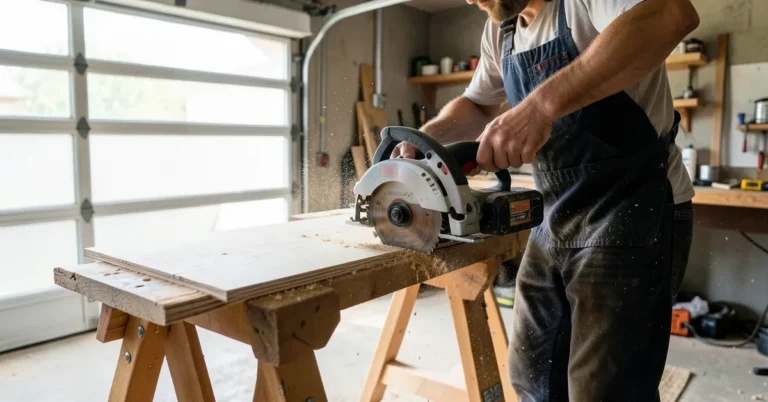
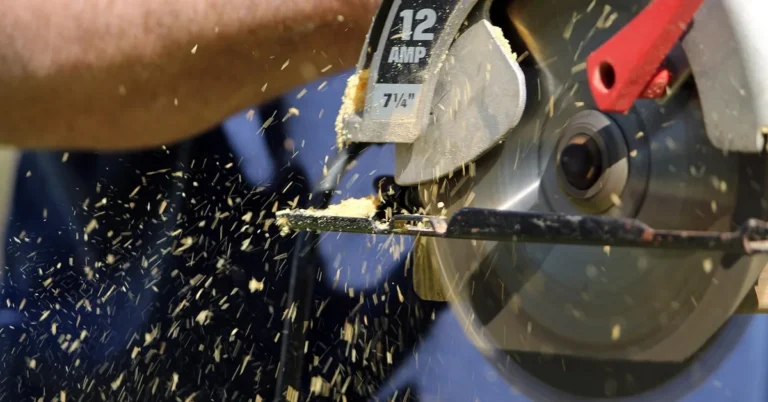
Picking the right modern saw comes down to three things: blade size, motor power, and corded vs. cordless. A 7-1/4-inch blade is the standard size for full-depth cuts through 2x lumber at any bevel angle; 6-1/2-inch saws are lighter but can’t bevel-cut through 2x stock at steeper angles. For corded saws, look for at least a 13- to 15-amp motor; for cordless, an 18V/20V or 40V battery platform with a brushless motor holds up better under repeated cuts.
Blade Types Explained
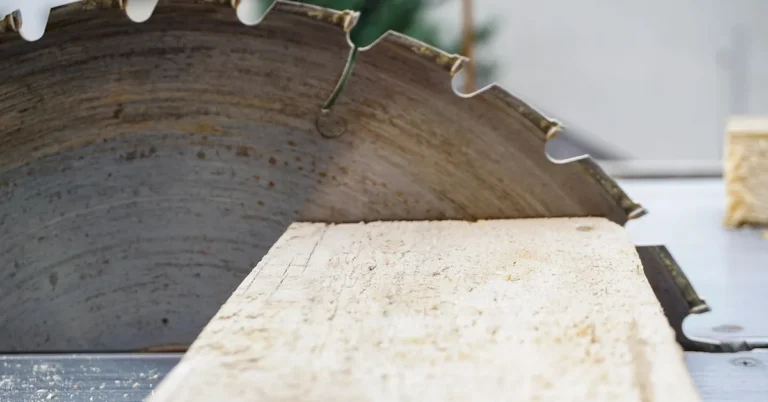
The blade determines the cut quality more than the saw itself does. Match the blade to the material and finish you need:
- General-purpose blades (24 tooth): good for fast crosscuts and rip cuts in framing lumber.
- Fine-tooth blades (40+ tooth): leave a smoother edge on plywood and finish-grade cuts.
- Ripping blades (16–24 tooth): fewer, larger teeth cut faster along the wood grain.
- Specialty blades: abrasive or carbide-tipped blades exist for metal, tile, and fiber-cement siding — never use a wood blade on those materials.
Operating a Circular Saw Safely
Circular saw injuries are almost always preventable with basic setup and technique:
- Wear eye and ear protection: safety glasses and hearing protection are non-negotiable, every cut.
- Inspect the saw and blade: check for a sharp, undamaged blade and a functioning retracting guard before plugging in.
- Clear and secure the workpiece: clamp the material down so it can’t shift mid-cut.
- Keep both hands on the saw: never reach under the workpiece or across the blade’s path.
- Let the blade reach full speed before contact: starting the cut before the blade spins up causes kickback.
- Unplug or remove the battery after use: before changing blades or clearing jams.
Precision Cutting Techniques
Straight cuts: use a clamped guide rail (or a straight board as a fence) rather than freehanding along a pencil line — this is the single biggest accuracy improvement available. Set the blade depth so it only extends about a quarter-inch past the material thickness; a deeper setting increases kickback risk without improving cut quality.
Bevel cuts: set the bevel angle on the saw’s base plate before clamping the workpiece, and cut slower than you would for a square cut — the blade is engaging more material at an angle, which increases resistance and heat.
Maintenance and Troubleshooting
Most circular saw problems trace back to one of three things: a dull or damaged blade, a dirty base plate, or a loose bevel/rip-fence adjustment.
| Symptom | Likely Cause | Fix |
|---|---|---|
| Burning or binding mid-cut | Dull blade or blade rubbing in the kerf | Replace the blade; check the workpiece isn’t pinching the cut closed |
| Cut drifts off the line | Base plate not square to the blade | Check and re-square the base plate against the blade with a combination square |
| Motor won’t start | Dead battery, tripped breaker, or worn brushes (corded) | Check power source first; have brushes inspected if the saw is several years old |
| Excess vibration | Bent blade or loose arbor nut | Swap the blade and confirm the arbor nut is torqued to spec |
Unplug the saw (or remove the battery) before any blade change or adjustment. Locate the blade lock button, press it while turning the arbor nut with the included wrench, and swap the blade with the teeth facing the correct rotation direction printed on the saw’s housing.
Frequently Asked Questions
Is Alta still a circular saw brand today?
No. Alta was Fred W. Wappat’s power handsaw line starting in 1927; Wappat’s company was acquired by Simonds Saw & Steel in 1929, and the Alta name did not continue as an independent product afterward. There is no current manufacturer selling new “Alta” circular saws.
What blade size should I buy on a modern circular saw?
7-1/4 inches is the standard choice — it cuts fully through 2x lumber at any bevel angle. 6-1/2-inch saws are lighter and fine for square cuts, but can’t bevel through thicker stock as deep.
Corded or cordless circular saw — which is better?
Corded saws deliver consistent power at a lower price and never run out of charge, making them a solid choice for a fixed workshop. Cordless saws trade some runtime for mobility, which matters more for jobsite or outdoor work away from an outlet.
How often should a circular saw blade be replaced?
A carbide-tipped blade used regularly on framing lumber typically stays sharp for 40 to 60 linear feet of cutting before it needs replacing or sharpening — sooner if it hits a nail or engineered material with glue lines.
Alta was a real, historically significant circular saw brand — but it stopped being a product you can buy new decades ago. For an actual project today, a 7-1/4-inch corded or cordless saw with the right amperage and a sharp, task-matched blade will outperform anything from 1927, safely and accurately.
Sponsored / affiliate links. As an Amazon Associate I earn from qualifying purchases. I may earn additional commission from eligible campaigns.