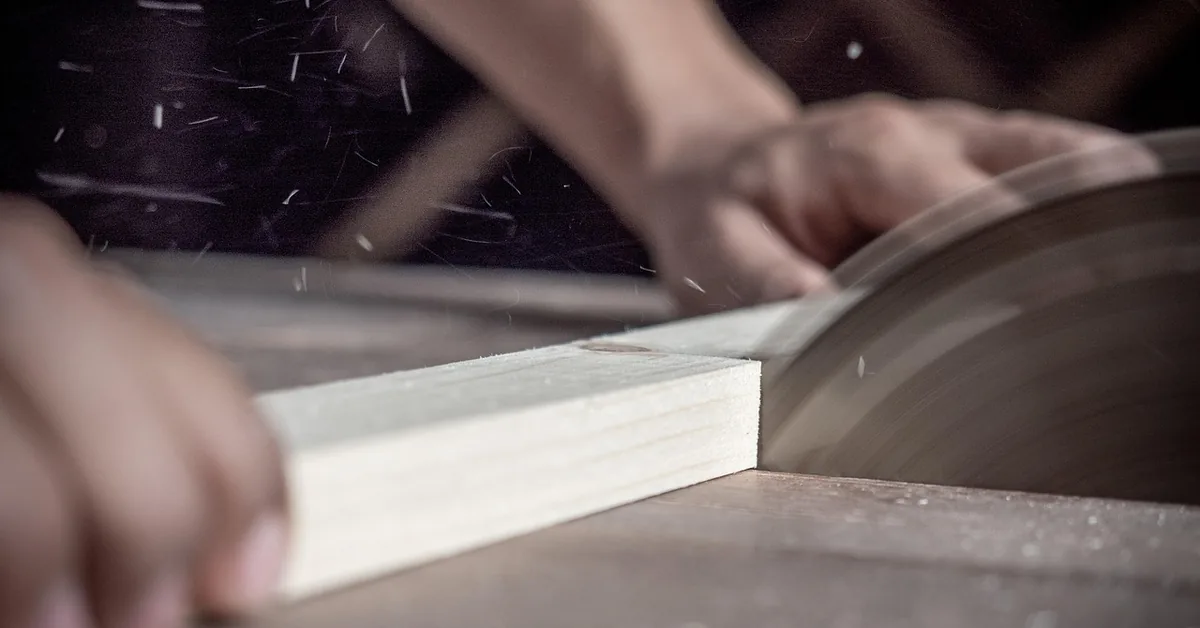
Circular Saw Size Guide: Depth-of-Cut Chart by Blade Diameter
Most circular saws use a 7-1/4-inch blade — the industry standard, cutting 2-1/2 inches deep at 90 degrees, enough for a single pass through any 2x lumber. Go smaller (5-3/8″ to 6-1/2″) for lighter, one-handed cordless work; go bigger (8-1/4″ to 10-1/4″) only for timber framing or 4x material. This guide covers the exact depth-of-cut chart by blade size, which size fits sheet goods versus framing, and how arbor size affects blade compatibility.
Quick Answer
For most DIY and framing work, a 7-1/4-inch circular saw is the right size — it clears a 2×8 in one pass at 90 degrees and every accessory blade is sold for it. Pick 5-3/8″ or 6-1/2″ only if you need a lighter saw for overhead or one-handed cuts, and step up to 8-1/4″ or larger only for beams and 4x lumber.
Circular Saw Size Chart: Depth of Cut by Blade Diameter
Best All-Around Circular Saw Size Pick
DEWALT 7-1/4-Inch Circular Saw, Corded (DWE575)
The standard blade size in a lightweight, 8.8 lb corded body — clears a 2×8 in one pass and every 7-1/4″ blade on the market fits it.
- Best for: Framing, decking, and general DIY where cut depth and blade availability matter most
- Why we picked it: 7-1/4″ is the industry-standard size covered in the chart above — widest accessory support of any diameter
- Main drawback: Heavier than a 6-1/2″ saw for all-day overhead or one-handed work
Compare more circular saw size options
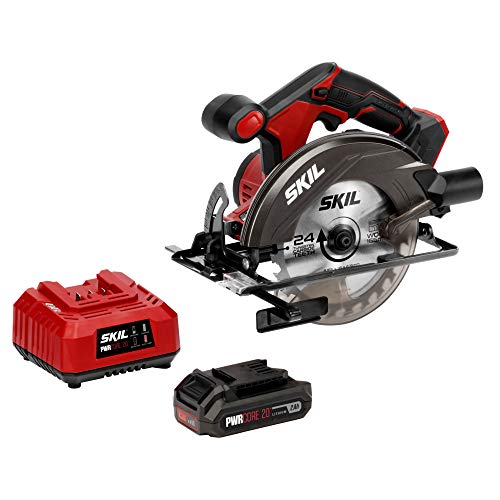
 Best Budget 6-1/2″ SKIL 20V 6-1/2″ Cordless Circular Saw Kit
|
 Best Cordless 6-1/2″ DEWALT 20V MAX 6-1/2″ Circular Saw Kit
|
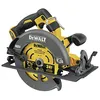 Best Heavy-Duty 7-1/4″ DEWALT FLEXVOLT 60V 7-1/4″ Circular Saw
|
As an Amazon Associate we earn from qualifying purchases.
Blade diameter, not the saw’s body size, is what actually limits how deep you can cut. The table below compiles the real maximum depth of cut at both 90° and a full 45° bevel for every common blade size, plus the largest dimensional lumber each one clears in a single pass — the comparison most retail spec sheets don’t put side by side.
| Blade Size | Max Depth @ 90° | Max Depth @ 45° | Clears in One Pass |
|---|---|---|---|
| 4-1/2″ | 1-1/2″ | 1-1/8″ | 1x material, trim |
| 5-3/8″ | 1-7/8″ | 1-3/8″ | 2×4 (one pass) |
| 6-1/2″ | 2-1/8″ | 1-7/8″ | 2×4, 3/4″ plywood |
| 7-1/4″ (standard) | 2-1/2″ | 1-7/8″ | 2×8 (one pass) |
| 8-1/4″ | 2-3/4″ | 2-1/8″ | 2×10, doubled 2x lumber |
| 10-1/4″ | 3-1/2″ | 2-5/8″ | 4×4 posts, beams |
Note the 45° column: tilting the blade for a bevel cut always loses depth versus a straight 90° cut, because the blade meets the material at an angle instead of straight down. A 7-1/4″ saw that clears 2-1/2″ square only manages 1-7/8″ on a full 45° bevel — the same as a 6-1/2″ saw cutting flat. Check the bevel depth, not just the straight-cut spec, before assuming a blade size will handle an angled deck or fascia cut.
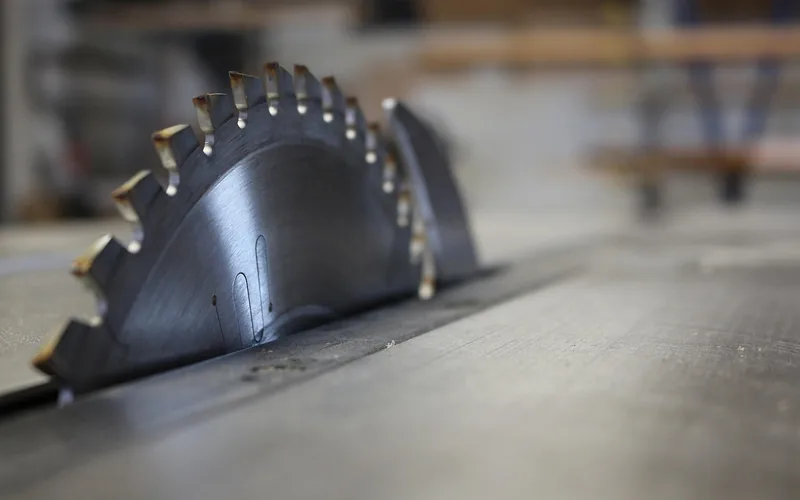
What Size Circular Saw Do You Need for Your Project?
Match the saw to the job, not the other way around. Here’s what actually determines the right size, drawn from the full woodworking saw guide on blade selection:
- Trim, crafts, small boxes: 4-1/2″ or 5-3/8″ compact saw — lighter, more control, but limited to 1x material and thin plywood in one pass.
- General DIY, furniture, cabinets: 6-1/2″ — handles 2x4s and 3/4″ plywood, noticeably lighter than a full 7-1/4″ for overhead or one-handed work.
- Framing, decking, remodeling: 7-1/4″ — the standard for a reason: clears a 2×8 in one pass, and blades for it are sold everywhere.
- Timber framing, beams, 4x posts: 8-1/4″ to 10-1/4″ — heavier and less common, but the only sizes that clear thick dimensional lumber without flipping the board.
7-1/4″ vs 6-1/2″ vs 5-3/8″: Which Circular Saw Size Wins?
These three sizes cover almost every consumer circular saw sold today, and each wins a different job.
| Size | Typical Weight | Best For |
|---|---|---|
| 7-1/4″ | 8–11 lbs | Widest blade selection, deepest single-pass cut, most power for framing |
| 6-1/2″ | 6–8 lbs | Cordless kits, overhead cuts, sheet goods — the best balance for most DIYers |
| 5-3/8″ | 4–5 lbs | One-handed trim work, tight spaces, second saw for a job site |
The 6-1/2″ size has grown fastest in cordless kits over the past few years — it clears a 2×4 and 3/4″ plywood, which covers most DIY projects, while shaving a couple of pounds off an all-day framing saw. If you’re deciding between a corded or cordless model, the size decision and the power-source decision are separate: both are sold in every blade diameter above.
Best Circular Saw Sizes by Category
Blade Diameter and Arbor Size: Why Both Matter
Blade diameter is the distance across the blade, tip to tip through the center, and it sets the saw’s maximum depth of cut. Arbor size is the diameter of the center hole the blade mounts on — a completely separate spec that must match your saw’s spindle exactly. Most 7-1/4″ saws use a 5/8″ arbor; many compact 5-3/8″/6″ cordless saws use a 10mm or 20mm arbor instead. A blade with the wrong arbor size either won’t mount at all or won’t seat true, which causes wobble and an unsafe cut — always check both numbers before buying a replacement blade, not diameter alone.
In the shop, this trips up more people than blade diameter does: a 6-1/2″ blade with a 20mm arbor simply will not go on a saw built for a 5/8″ arbor, even though the diameter looks close enough to “probably fit.” Reduction rings exist for some size mismatches, but they’re not universal — match the arbor spec on the box to your saw’s manual first.
Matching Blade Size to the Material You’re Cutting
Size determines depth capacity, but the material determines tooth count and blade type — both matter for a clean cut.
- Wood framing lumber: 7-1/4″ blade, 24-tooth carbide for fast rip cuts, or 40-tooth for cleaner crosscuts.
- Plywood and sheet goods: 6-1/2″ or 7-1/4″ blade with a high tooth count (60+) to reduce splintering on the good face.
- Metal (thin stock, studs): a smaller-diameter blade rated specifically for metal, low tooth count, run at reduced speed — never a standard wood blade.
- Masonry (brick, concrete board): a diamond-tipped blade rated for masonry; diameter alone doesn’t make a wood blade safe for this material.
Always match the blade to the material first, size second — a correctly-sized blade with the wrong tooth geometry for the material still produces a rough, unsafe cut. See our 7-1/4″ blade buying guide for tooth-count recommendations by project.
Safety Notes Specific to Blade Size
Bigger blades carry more stored energy and a longer exposed edge below the shoe, which raises the stakes on kickback if the blade binds. On any size, keep both hands on the saw, stand to the side of the cutline (never directly behind it), and never adjust the depth so the blade extends more than about 1/4″ below the material — a fully exposed blade at max depth is more dangerous and doesn’t cut any faster.
- Set cutting depth to the material thickness plus about 1/4″, not deeper — excess blade below the shoe increases kickback risk on every blade size.
- Confirm the blade guard retracts and springs back freely before every use, especially after swapping to a different-diameter blade.
- Wear safety glasses, hearing protection, and a dust mask — larger blades at higher RPM throw more debris.
Recognizing When a Blade Needs Replacing
Regardless of diameter, swap the blade when cuts start burning the wood, the saw vibrates more than usual, teeth are visibly chipped, or the saw bogs down in material it used to cut cleanly. A dull blade forces the motor to work harder at any size, which is a bigger safety and performance issue than blade diameter itself.
Frequently Asked Questions
What size circular saw is best for DIY?
A 7-1/4″ circular saw is the best all-around size for DIY: it’s the industry standard, clears a 2×8 in one pass at 90 degrees, and blades are sold everywhere. If weight or one-handed control matters more than depth, a 6-1/2″ saw handles 2x4s and 3/4″ plywood in a noticeably lighter body.
How deep will a 7-1/4″ circular saw cut?
A 7-1/4″ circular saw cuts up to 2-1/2″ deep at a 90-degree straight cut, dropping to about 1-7/8″ at a full 45-degree bevel. That’s enough to clear a 2×8 in a single pass at 90 degrees; thicker material needs a larger blade or a second pass from the other face.
How deep can a 6-1/2″ circular saw cut?
A 6-1/2″ circular saw cuts about 2-1/8″ deep at 90 degrees and roughly 1-7/8″ at a 45-degree bevel — enough for a 2×4 or 3/4″ plywood in one pass, but it won’t clear a 2×8 the way a 7-1/4″ blade does.
Can a 5-3/8″ circular saw cut a 2×4?
Yes. A 5-3/8″ blade cuts about 1-7/8″ deep at 90 degrees, which clears a standard 2×4 (1-1/2″ actual thickness) in one pass. It won’t clear a 2×6 or larger without flipping the board for a second cut.
How do I determine the size of a circular saw blade?
Measure the blade’s diameter — the straight-line distance from one tooth tip, through the center, to the opposite tooth tip — in inches. That number is the blade size printed on the box (e.g., 7-1/4″). Separately, measure the center mounting hole to confirm the arbor size matches your saw.
Blade diameter sets your maximum depth of cut; arbor size determines what will physically mount on your saw. Get both right, match the tooth type to your material, and the size chart above covers the rest for nearly any project.
Sponsored / affiliate links. As an Amazon Associate I earn from qualifying purchases. I may earn additional commission from eligible campaigns.