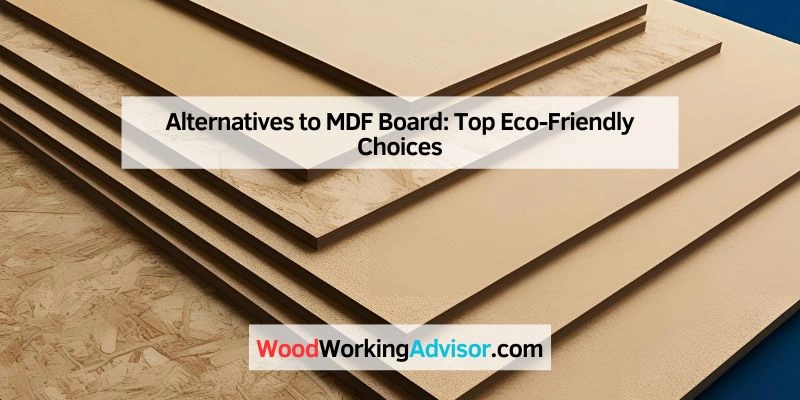
Alternatives to MDF Board: Top Eco-Friendly Choices
Medium-density fiberboard (MDF) is common in furniture and construction. But it’s not always the best choice.
Some projects need different materials. Many people look for alternatives to MDF for various reasons. MDF can be heavy, and it doesn’t handle moisture well. Some alternatives are lighter, more durable, or even eco-friendly. Choosing the right material can make a big difference in the quality and longevity of your projects.
So, let’s explore some popular alternatives to MDF board that might be better suited to your needs.
Introduction To MDF Board
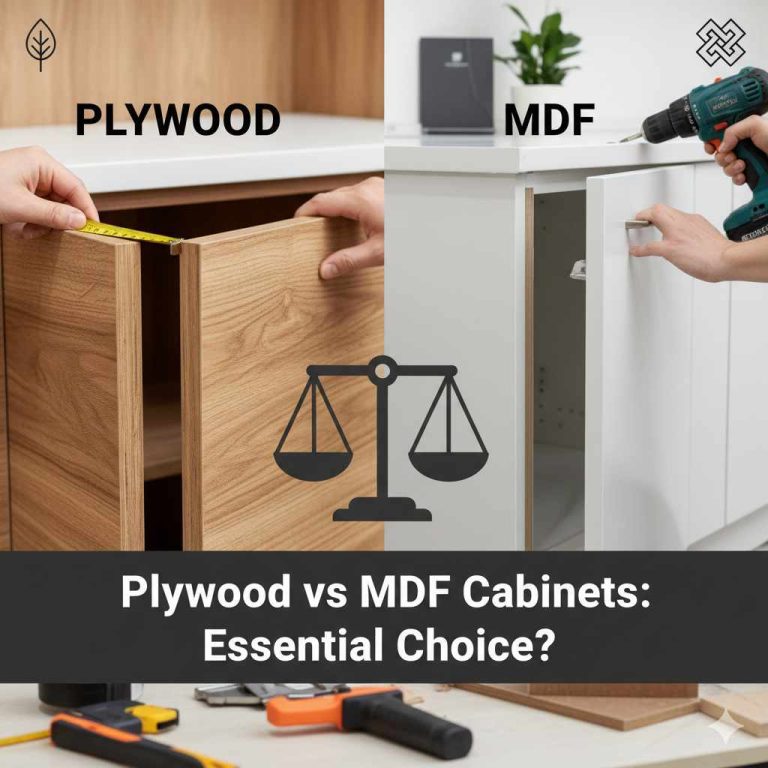
Exploring alternatives to MDF board? Consider plywood, which offers greater strength and durability. Particle board, though less strong, is more affordable and easier to work with.
Medium Density Fiberboard, or MDF, is a popular material in the woodworking world. Known for its smooth surface and versatility, it is a staple in many carpentry and furniture-making projects. But what exactly is MDF, and why is it so widely used? Let’s dive into its definition and common uses.
What Is MDF?
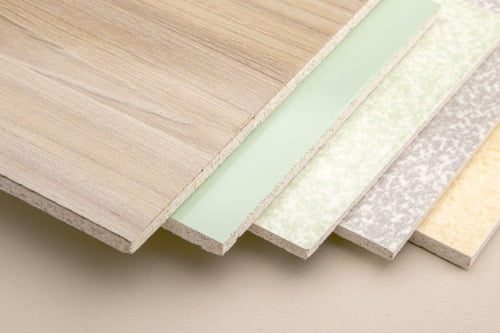
MDF stands for Medium Density Fiberboard. It is made by breaking down hardwood or softwood residuals into wood fibers. These fibers are then combined with wax and resin. The mixture is pressed into flat panels under high temperature and pressure. MDF is denser than plywood and particle board. It has a uniform texture and a smooth surface, making it ideal for painting or veneering.
Common Uses Of MDF
MDF is used in many applications. One common use is in furniture making. Its smooth surface is perfect for creating sleek, modern designs. Cabinets, shelves, and tables often feature MDF. It is also used for decorative purposes. MDF can be easily cut and shaped into intricate designs. This makes it a favorite for molding and trim work. Additionally, MDF is used in the construction of doors, especially interior ones. Its density provides good insulation and soundproofing qualities.
With its versatility and ease of use, MDF remains a go-to material in woodworking.
Why Seek Alternatives?
If you’re a DIY enthusiast, professional carpenter, or simply someone who loves working with wood, you’ve probably encountered MDF (Medium Density Fiberboard). It’s cheap, readily available, and easy to work with. So why on earth would you seek alternatives? Well, let’s dive into some compelling reasons that might make you think twice before reaching for that MDF board.
Environmental Concerns
We’re all becoming more aware of our environmental footprint. MDF is made from wood fibers and resin. While it does use recycled wood, the process isn’t exactly green. The manufacturing process releases formaldehyde and other harmful chemicals into the atmosphere. Plus, MDF boards often end up in landfills where they can take years to decompose.
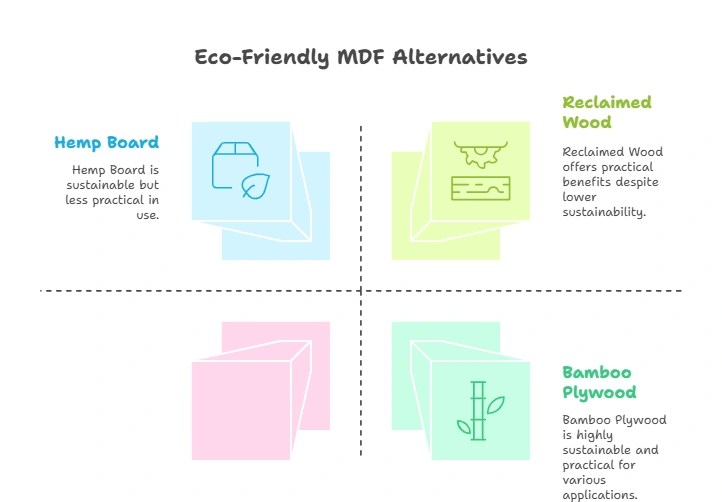
Want to do your bit for the planet? Consider using more sustainable materials. For example, bamboo grows quickly and can be harvested without killing the plant. Reclaimed wood is another fantastic option. It not only reduces waste but also gives your projects a unique, rustic charm.
Health Implications
Ever wonder why your nose tingles or your eyes water when cutting MDF? That’s because MDF contains formaldehyde, a known carcinogen. When you cut or sand MDF, tiny particles and fumes are released into the air, making it hazardous to breathe in. Long-term exposure can lead to serious health issues.
Choosing alternatives can help you breathe easier—literally. Opt for solid wood or plywood which don’t emit harmful chemicals. And let’s be honest, who wouldn’t prefer the natural beauty and grain of real wood over a synthetic board?
So, next time you’re planning a project, think about these alternatives. They are better for the environment and safer for your health. Plus, they often offer a more aesthetically pleasing result. Win-win!
Bamboo Plywood
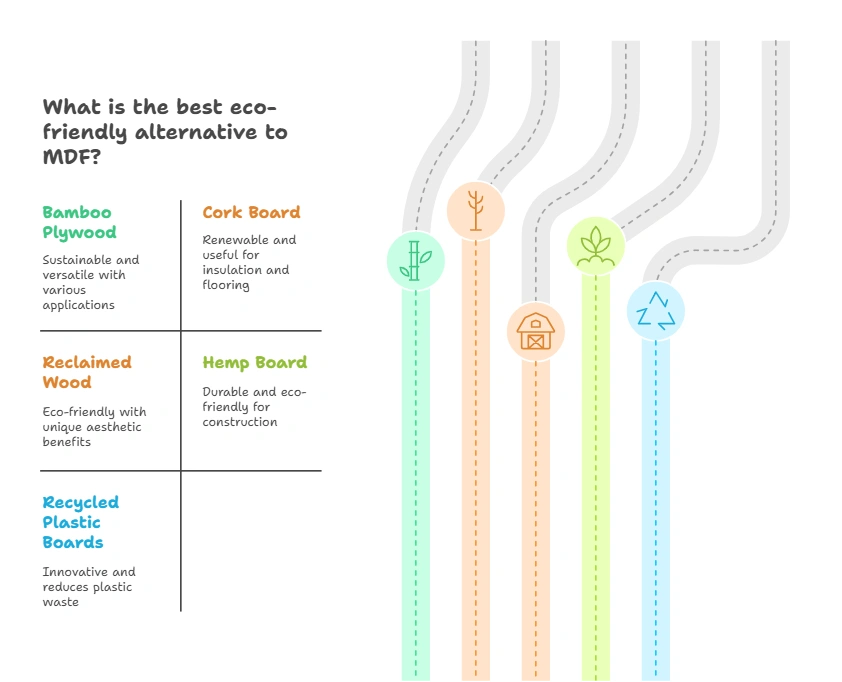
Bamboo plywood is gaining popularity as an alternative to MDF board. This eco-friendly material offers a unique look and high durability. It is made from layers of bamboo strips, glued together under high pressure. Its natural appearance and strength make it a great choice for various applications.
Sustainability Of Bamboo
Bamboo grows faster than most trees, making it a renewable resource. A bamboo plant can reach maturity in just 3 to 5 years. This rapid growth rate means less time between harvests and more sustainable harvesting practices. Bamboo also requires fewer pesticides and fertilizers. It can thrive on marginal land, reducing the impact on forests and other ecosystems.
Applications Of Bamboo Plywood
Bamboo plywood is versatile and can be used in many ways. It is ideal for making furniture, such as tables, chairs, and shelves. Its strength and durability also make it suitable for flooring. Bamboo plywood can be used for wall panels, adding a natural touch to interiors. It is also used in cabinetry, providing a stylish and eco-friendly option for kitchens and bathrooms.
Craftsmen appreciate its ease of use and workability. It can be cut, sanded, and finished like other types of wood. This makes it a favorite among DIY enthusiasts and professionals alike.
Cork Board
Cork board is an excellent alternative to MDF board. It offers a unique texture and natural appearance. Cork is harvested from the bark of cork oak trees. This material is lightweight, durable, and eco-friendly. It’s perfect for various applications around the home or office.
Renewable Properties
Cork is a renewable resource. Cork oak trees are not cut down during harvest. Only the bark is stripped away. This process does not harm the tree. It regrows its bark over time. This makes cork a sustainable choice. Additionally, cork is biodegradable. It decomposes naturally, reducing waste.
Uses Of Cork Board
Cork board is versatile. It can be used for bulletin boards. Pin notes, photos, and reminders. It’s perfect for organizing your thoughts. Cork board is also used for flooring. It provides a soft, comfortable surface. Cork tiles are easy to install and maintain.
Another use is in soundproofing. Cork absorbs sound, reducing noise levels. It’s ideal for recording studios and quiet rooms. Cork board can also serve as a decorative element. Its natural look adds warmth to any space. Use it in crafts and DIY projects for a unique touch.
Reclaimed Wood
Reclaimed wood is a great alternative to MDF board. It is environmentally friendly and adds a unique charm to any project. This wood comes from old buildings, barns, and factories. Instead of being discarded, it gets a new life in your home. Reclaimed wood has character and history that new wood lacks. It has been weathered and aged, giving it a rustic look. Plus, using it helps reduce waste and saves trees.
Benefits Of Reclaimed Wood
Reclaimed wood is eco-friendly. It helps reduce deforestation. By using old wood, you help preserve forests. Reclaimed wood is also durable. It has already aged and stood the test of time. This makes it stronger and more stable than new wood. Another benefit is its unique appearance. Every piece has a story. It has marks, knots, and color variations that add character. Reclaimed wood also increases your home’s value. It is a sought-after material in home design.
Projects Using Reclaimed Wood
Reclaimed wood is versatile. You can use it for many projects. Create a beautiful dining table with it. The rustic look will make it a centerpiece. Build shelves for your living room. They will add warmth and charm. Use reclaimed wood for flooring. It gives your home a cozy feel. Make a headboard for your bed. The unique wood will make your bedroom stand out. You can even use it for small projects like picture frames. The possibilities are endless.
Hemp Board
When it comes to alternatives to MDF (Medium Density Fiberboard), hemp board is becoming a popular choice among eco-conscious consumers. Not only is it an environmentally friendly option, but it also offers numerous practical benefits. Let’s delve into why hemp board might be the perfect fit for your next project.
Eco-friendly Nature
Hemp board is celebrated for its eco-friendly nature. Why, you ask? Because hemp grows rapidly and requires minimal pesticides and water. Unlike traditional wood, which can take decades to mature, hemp can be harvested in just a few months. Think of it as the speedy Gonzales of the plant world!
Moreover, hemp absorbs carbon dioxide while it grows, helping to reduce greenhouse gases. So, by choosing hemp board, you’re not just making a smart choice for your projects, but also contributing to a healthier planet. Pretty cool, right?
Durability And Uses
Now, let’s talk about durability. You might be wondering, “Is hemp board as strong as MDF?” The answer is a resounding yes! Hemp board is known for its impressive strength and durability. It’s resistant to moisture, which means it won’t warp or swell easily. This makes it perfect for areas like kitchens or bathrooms where moisture is a constant companion.
What about uses? Well, hemp board is incredibly versatile. Here are some common applications:
- Furniture making
- Cabinetry
- Wall panels
- Flooring
Whether you’re crafting a sleek new table or installing new shelves, hemp board has got your back. It’s like the Swiss Army knife of building materials!
In conclusion, hemp board offers a fantastic alternative to MDF, combining sustainability with durability. So, why not give it a try and see the difference for yourself?
Recycled Plastic Boards
Recycled plastic boards are an eco-friendly alternative to MDF boards. They are made from recycled plastic waste, helping reduce environmental pollution. These boards offer durability and versatility in various applications. Let’s explore how they are produced and their benefits.
Production Process
The production of recycled plastic boards begins with collecting plastic waste. This plastic waste is then cleaned and shredded into small pieces. The shredded plastic is melted and combined with other additives. This mixture is then molded into boards of various sizes. The boards are cooled and cut to the desired dimensions.
Advantages Of Recycled Plastic Boards
Recycled plastic boards have many benefits. They are resistant to moisture, making them ideal for outdoor use. These boards do not warp or crack easily, ensuring long-lasting performance. They require little maintenance and can be cleaned easily. Using recycled plastic helps reduce landfill waste and conserves natural resources.
These boards are also versatile. They can be used in building furniture, decking, and fencing. They are available in various colors and finishes, offering design flexibility. Recycled plastic boards are a sustainable choice for eco-conscious consumers.
Comparing Costs And Availability
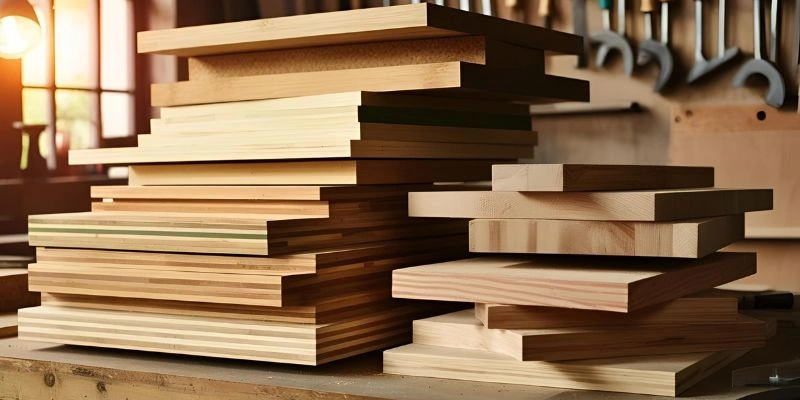
When it comes to home improvement or DIY projects, MDF (Medium Density Fiberboard) is often a go-to material. But what if you want to explore other options? There are plenty! In this section, we will compare the costs and availability of some popular alternatives to MDF board. This will help you make an informed decision for your next project.
Cost Analysis
Cost is a significant factor when choosing building materials. Let’s look at how some alternatives stack up against MDF in terms of price.
| Material | Cost per Sheet (4×8 ft) |
|---|---|
| MDF | $25 – $40 |
| Plywood | $30 – $50 |
| Particle Board | $20 – $35 |
| OSB (Oriented Strand Board) | $15 – $30 |
| Solid Wood | $50 – $100 |
From the table, you can see that MDF is relatively affordable, but there are cheaper options like OSB and Particle Board. Solid wood, on the other hand, is pricier but offers a premium feel and durability.
Availability In Markets
Now, let’s talk about how easy it is to find these materials in the market. After all, a material is no good if you can’t get your hands on it!
- MDF: Widely available in almost all hardware stores and big-box retailers.
- Plywood: Easily found in various grades and thicknesses, making it a versatile choice.
- Particle Board: Commonly available but often used for specific purposes like furniture and cabinets.
- OSB: Readily available and frequently used in construction and flooring.
- Solid Wood: Available but may require visits to specialty lumber yards for specific types and sizes.
In my experience, finding MDF and Plywood is a walk in the park. They are stocked in abundance at most stores. However, if you’re looking for a particular type of solid wood, you might need to do a bit of searching. Specialty stores or lumber yards can be treasure troves for unique wood types and sizes.
So, there you have it! Comparing costs and availability can help you choose the best material for your project. Whether you go with the budget-friendly OSB or splurge on solid wood, knowing your options can make all the difference.
Frequently Asked Questions
What Can You Use Instead Of MDF?
You can use plywood, particle board, or solid wood as alternatives to MDF. These materials offer durability and versatility.
What Is Better Than MDF Board?
Plywood is better than MDF board. It offers greater strength, durability, and moisture resistance, making it ideal for various applications.
What Is A Sustainable Alternative To MDF?
Bamboo plywood is a sustainable alternative to MDF. It is eco-friendly, durable, and renewable, making it an excellent choice.
What Is The Closest Wood To MDF?
Plywood is the closest wood to MDF. Both are engineered wood products. Plywood offers similar versatility and strength.
Conclusion
Choosing the right alternative to MDF board can be simple. Consider plywood for its strength and versatility. Opt for particle board if cost is a concern. Solid wood offers natural beauty and durability. Bamboo panels provide an eco-friendly option. Each choice has unique benefits.
Evaluate your needs and project requirements. Make an informed decision for the best results. Explore these options for a successful project.