1/2 Bamboo Plywood: Cost, Grain Types & Best Uses Explained
1/2-inch bamboo plywood is an engineered panel made from laminated bamboo strips, sold in vertical, horizontal, and strand-woven grain patterns that affect both looks and hardness. A 4×8 sheet typically costs $180-$230 from specialty suppliers – well above standard hardwood plywood – so picking the wrong grain or skipping CARB Phase 2 certification wastes that investment. This guide covers grain types, real pricing, formaldehyde safety, and where 1/2″ bamboo plywood actually performs best.
Insert your Affiliate Disclosure reusable block here.
What Is 1/2 Bamboo Plywood?
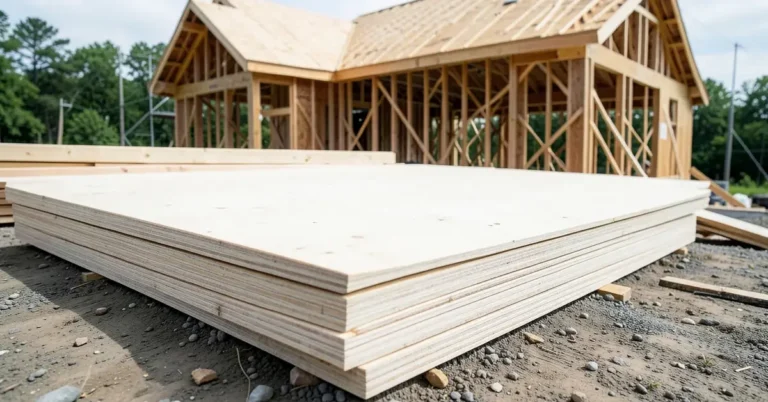
1/2-inch bamboo plywood is a panel built by slicing mature bamboo culms into strips, then laminating those strips under heat and pressure into a 1/2-inch-thick sheet. It is not a solid board – it is a composite, the same way standard plywood layers wood veneers, except the raw material is bamboo grass rather than tree lumber.
Because bamboo reaches harvest maturity in 3-5 years instead of the decades a hardwood tree needs, manufacturers can replant and recut the same plot repeatedly without deforesting old growth. That’s the sustainability case; the practical case is that laminated bamboo strips resist warping better than solid wood of the same thickness, which is why it shows up in cabinetry, furniture panels, and skateboard decks as often as flooring.
Bamboo Plywood Grain Types: Vertical, Horizontal & Strand-Woven Compared
Bamboo plywood is sold in three grain orientations, and the choice affects hardness, appearance, and price – something most sellers of 1/2-inch stock don’t spell out clearly.
| Grain Type | Appearance | Relative Hardness | Best For |
|---|---|---|---|
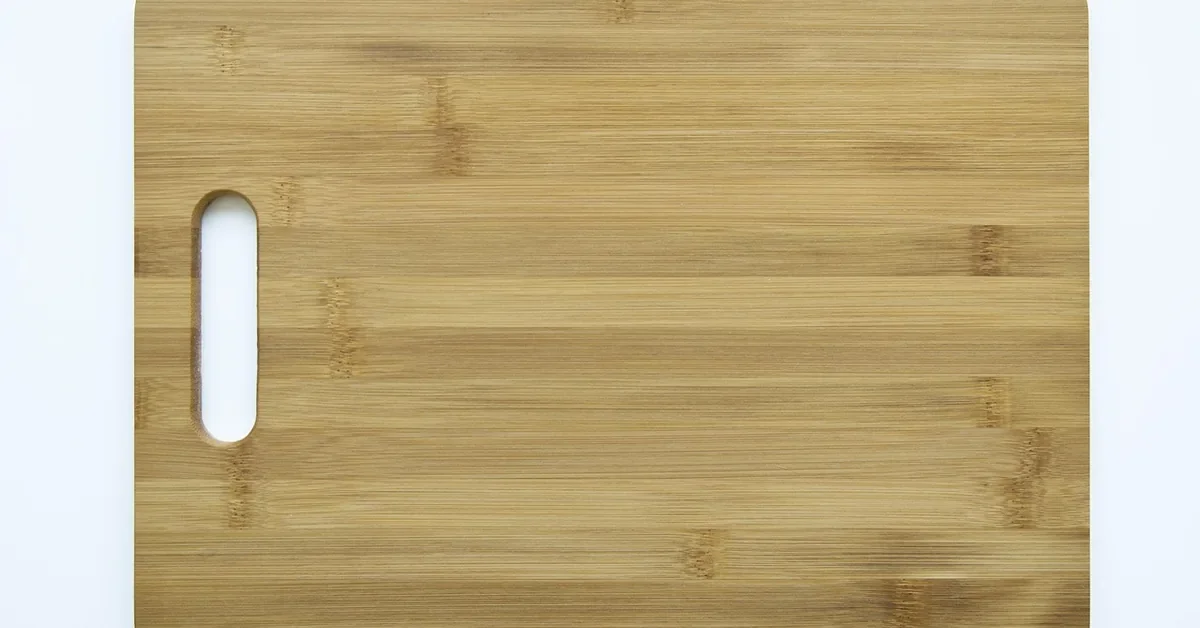
| Horizontal | Visible bamboo “knuckle” nodes, traditional look | Softest of the three, dents more easily | Decorative panels, cabinet faces |
| Vertical | Tight, uniform straight lines, few visible nodes | Moderately durable | Furniture, shelving, most general projects |
| Strand-Woven | Dense, wood-grain-like, fewer visible strips | About 3x harder than vertical or horizontal grain | Countertops, worktops, high-traffic surfaces |
If you’re building something that takes daily wear – a countertop or a workbench top – strand-woven is worth the extra cost. For cabinet doors or furniture panels where looks matter more than abrasion resistance, vertical grain gives the cleanest, most uniform surface to finish.
Best Bamboo Board For Small Projects
 |
Bamboo Lumber by the Piece (8″ x 30″ x 3/4″) – $39.99 A solid laminated bamboo board sized for exactly the kind of small projects this guide covers – cutting boards, shelving, and cabinet inserts – without having to special-order a full 4×8 sheet from a specialty supplier.
|
As an Amazon Associate we earn from qualifying purchases.
How 1/2 Bamboo Plywood Is Manufactured
Turning raw bamboo culms into a finished 1/2-inch sheet takes five stages, and skipping any of them is what produces the cheap, unstable bamboo plywood that warps within a year.
- Harvesting: Only mature stalks (3-5 years old) are cut at ground level, which lets the root system regenerate without replanting.
- Boiling: Stalks are boiled to remove natural sugars – skipping this step leaves sugar behind that attracts insects and mold later.
- Drying: Moisture content is brought down before stranding; wet bamboo strips laminate poorly and delaminate over time.
- Stranding: Dried bamboo is cut into strips or shredded into strands, depending on whether the final grain is vertical/horizontal or strand-woven.
- Pressing: Strips are layered cross-grain (like standard plywood) and pressed with adhesive under heat, which is also where CARB Phase 2 or NAUF (no-added-urea-formaldehyde) binders get used on higher-grade sheets.
Is Bamboo Plywood Safe? Formaldehyde and CARB Phase 2 Ratings
Adhesive is the real safety question with any laminated panel, bamboo included. Cheaper bamboo plywood can use urea-formaldehyde binders that off-gas noticeably indoors. Panels certified to CARB Phase 2 – the stricter of California’s two formaldehyde emission standards, capped at 0.05 ppm – keep emissions low enough that quality bamboo panels test at roughly 0.02 ppm, below many household paints and new furniture.
📊 CARB Phase 2 caps formaldehyde emissions at 0.05 ppm; quality-grade bamboo plywood typically tests around 0.02 ppm. – Source: Ambient Bamboo Floors
The practical takeaway: check the product listing or spec sheet for a CARB Phase 2 or NAUF label before buying, especially for cabinetry or furniture that will sit in a bedroom or closed room. A sheet with no formaldehyde rating listed anywhere is a sign to look elsewhere.
“Bamboo plywood is one of the most eco-friendly building materials on the market today.”
– Ambient Bamboo Floors
1/2″ Bamboo Plywood Cost: What You’ll Actually Pay
Full 4×8 sheets of 1/2-inch bamboo plywood run $180-$230 per panel from specialty suppliers, priced by grain type rather than a flat rate – noticeably more than standard birch or oak plywood at the same thickness.
| Grain Type | Typical Price (4×8 sheet) |
|---|---|
| Carbonized Horizontal | ~$203 |
| Carbonized Vertical | ~$219 |
| Carbonized Strand-Woven | ~$226 |
Pricing sourced from Ambient Bamboo Floors panel listings; expect variation by supplier and order volume. For a small project – a single shelf, a cutting board, a cabinet insert – buying a pre-cut craft-sized bamboo board instead of a full sheet avoids paying $200+ for material you’ll mostly cut into scrap.
Bamboo Plywood vs Traditional Hardwood: Strength and Sustainability
Raw bamboo fiber has a tensile strength up to 28,000 psi and is roughly 25% harder than red oak. Once cross-laminated into plywood under heat and pressure, that stiffness carries over: bamboo plywood is commonly cited as 3-4 times more dimensionally stable than oak plywood of the same thickness, meaning it resists cupping and warping better across humidity swings. For a deeper look at how bamboo’s raw strength numbers hold up, see our breakdown of how strong bamboo actually is.
The sustainability gap is just as wide. A bamboo stand reaches harvest maturity in 3-5 years and regenerates from the same root system after cutting; an oak tree takes 40-60 years to reach comparable maturity and doesn’t regrow once felled. That turnover is why bamboo plywood keeps showing up as the “eco” alternative in cabinetry and flooring lines, even though it costs more per sheet than the hardwood plywood it’s replacing.
Best Uses for 1/2″ Bamboo Plywood
At 1/2-inch thickness, bamboo plywood sits in a sweet spot – thick enough to be structural for cabinet sides and shelving, thin enough to still be workable by hand.
- Cabinetry: Cabinet sides, backs, and shelving where the panel needs to hold screws and hardware without splitting.
- Furniture panels: Tabletops, drawer fronts, and bookcase sides – vertical grain gives the most uniform look for finished furniture.
- Wall panels: Horizontal-grain sheets show off the natural bamboo nodes for an accent wall look.
- Skateboard decks and cutting boards: Strand-woven grain’s extra hardness holds up to repeated impact and knife contact better than vertical or horizontal grain.
One place bamboo plywood is not a great fit: engineered bamboo flooring has its own known issues with moisture and finish wear, which is a separate product from the sheet plywood covered here – worth reading before you assume “bamboo” behaves the same way in every form.
Installation and Care Tips
Bamboo plywood cuts and sands like a dense hardwood plywood, with a few things worth doing differently:
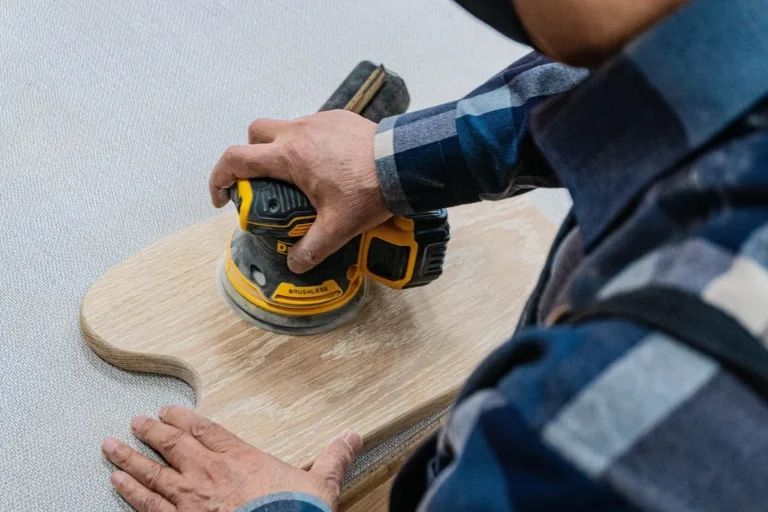
- Use a sharp, fine-tooth or carbide blade. A dull blade tears the surface strips instead of slicing them, leaving a fuzzy edge that’s harder to sand smooth.
- Leave expansion gaps. Like any laminated panel, bamboo plywood moves slightly with humidity – leave a small gap at fixed edges rather than fastening it bank-tight.
- Match the adhesive to the job. A quality, low-VOC wood glue works for interior joinery; outdoor use needs a weather-resistant sealant reapplied every few years, since 1/2″ bamboo plywood is built for interior use by default.
- Clean with a damp cloth only. Bleach and ammonia-based cleaners can break down the adhesive bond between laminated layers over time.
Inspect finished bamboo plywood pieces every year or two for surface scratches or edge separation, and refresh the finish coat if it’s showing wear – the plywood core holds up far longer than most finish coats do.
Frequently Asked Questions
What is 1/2 bamboo plywood?
1/2 bamboo plywood is an engineered panel made by laminating bamboo strips under heat and pressure into a 1/2-inch-thick sheet. It’s sold in vertical, horizontal, and strand-woven grain patterns and is used for cabinetry, furniture panels, and wall paneling where a lighter, renewable alternative to hardwood plywood is wanted.
How is bamboo plywood manufactured?
Mature bamboo stalks are harvested, boiled to remove natural sugars, dried, and cut into strips or strands. Those strips are layered cross-grain and pressed together with adhesive under heat, the same cross-lamination method used in standard plywood, which is what gives the finished sheet its dimensional stability.
What’s the difference between vertical, horizontal, and strand-woven bamboo plywood?
Horizontal grain shows the bamboo’s natural node pattern and is the softest of the three. Vertical grain looks more uniform with fewer visible nodes and is moderately durable. Strand-woven grain is roughly three times harder than either, making it the choice for countertops and other high-wear surfaces.
Is bamboo plywood safe from formaldehyde off-gassing?
Yes, when it’s certified to CARB Phase 2 or built with NAUF (no-added-urea-formaldehyde) adhesive. CARB Phase 2 caps formaldehyde emissions at 0.05 ppm, and quality bamboo plywood typically tests around 0.02 ppm. Uncertified budget sheets may use urea-formaldehyde binders that off-gas more noticeably indoors, so check for a CARB rating before buying for an enclosed space.
How much does 1/2 inch bamboo plywood cost?
A full 4×8 sheet runs roughly $180 to $230 depending on grain type, with strand-woven the most expensive. For small projects, a pre-cut bamboo lumber board sized for the specific project is usually cheaper than buying and cutting down a full sheet.
Can 1/2 bamboo plywood be used outdoors?
It’s built for indoor use by default. Applying a weather-resistant sealant and reapplying it every couple of years can extend outdoor use, but prolonged sun and moisture exposure will still shorten its lifespan compared to lumber actually rated for exterior use.
Conclusion
1/2-inch bamboo plywood earns its higher price with faster regrowth, better dimensional stability than oak, and – when CARB Phase 2 certified – formaldehyde levels below many household products. Match the grain to the job (vertical for general furniture, strand-woven for hard-wear surfaces), confirm the CARB rating before buying, and budget $180-$230 for a full sheet or less for a project-sized board.
Sponsored / affiliate links. As an Amazon Associate I earn from qualifying purchases. I may earn additional commission from eligible campaigns.