Best Finish for a Charcuterie Board (Food-Safe Picks)
Food-safe mineral oil, a mineral oil-and-beeswax blend, or fully cured pure tung oil are the only finishes recommended for a charcuterie board — never polyurethane or standard varnish, since knife use cracks the film finish and traps bacteria in food-contact areas (FDA 21 CFR 178.3570). Pure tung oil lasts 3–4 months per coat but needs several days to cure; mineral oil reapplies in minutes but wears off faster. This guide covers application steps, a food-safe finish comparison table, and a reapplication schedule.
Quick Answer
Use food-safe mineral oil, a mineral-oil-and-beeswax blend, or fully cured pure tung oil on a charcuterie board. Avoid polyurethane, varnish, and shellac — their film finish cracks under knife use and can trap bacteria against the food-contact surface. Reoil monthly with mineral oil, or every 3–4 months with cured tung oil.

Choosing The Right Finish
Best Charcuterie Board Finish Pick
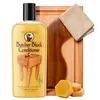
Howard Products Butcher Block Conditioner (12 fl oz, $9.98)
A ready-mixed food-grade mineral oil and beeswax blend — no double-boiler mixing required.
- Best for: Owners who want beeswax’s extra water resistance without mixing their own blend.
- Why we picked it: One bottle covers both the initial finish and monthly touch-ups — matches the mineral-oil-and-beeswax finish this guide recommends.
- Main drawback: Costs more per ounce than plain mineral oil; not as water-resistant as fully cured tung oil.
Compare more food-safe finish options
 Option 1 Kate Naturals Food-Grade Mineral Oil ($6.49)
|
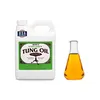 Option 2 Hope’s 100% Pure Tung Oil ($29.99)
|
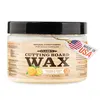 Option 3 CLARK’S Cutting Board Wax ($17.98)
|
As an Amazon Associate we earn from qualifying purchases.
Note that a finish and a wood stain are not the same thing — the picks below protect and nourish the wood without changing its color. If you specifically want to add color, see our guide on whether you can stain a charcuterie board for the food-safe way to do it.
Charcuterie board finishes fall into two categories: penetrating oils that soak into the wood, and film finishes that sit on top. Only the first category belongs on a food-contact surface a knife will touch.
Types Of Finishes:
- Mineral Oil: Natural oil that enhances the wood grain and is food-safe. Reapply monthly with regular use.
- Beeswax Blend: A mineral-oil-and-beeswax “board butter” adds a low-sheen finish, a warm glow, and slightly more water resistance than oil alone.
- Food-Grade Tung Oil: Penetrates and hardens as it cures, giving the most durable, water-resistant food-safe finish once fully cured — but it needs several days between coats.
📊 Refined mineral oil is listed by the FDA as a food-contact substance safe for incidental food contact under 21 CFR 178.3570 — look for “food grade” or “USP grade” on the label; crude mineral oil sold for industrial use is not the same product. Standard “tung oil finish” blends often contain solvents or varnish, so only 100% pure tung oil cures food-safe. — Source: eCFR Title 21 §178.3570, 2026
Visual Appeal
Food-safe mineral oil or a mineral-oil-and-beeswax blend enhances the natural beauty of the wood grain while providing a protective layer against moisture and stains, without the plastic-like sheen a film finish leaves behind.
Enhancing The Natural Beauty
Using food-safe finishes like oil finishes or a beeswax blend can highlight the rich tones of the wood and bring out its natural grain patterns. Applying a high-quality finish can protect the wood from moisture and stains, while also giving it a smooth and polished appearance.
Creating A Unique Aesthetic
Skip epoxy resin and tinted varnish for the food-contact surface — both form a hard film that behaves the same way polyurethane does under a knife. For a distinctive look that stays food-safe, pair contrasting wood species (walnut and maple, for example), add a routed juice groove, or dull a glossy finish down to a soft matte sheen with a hand-rubbed beeswax blend. You can also personalize the board with custom engravings on the non-food-contact edges or handle.
Functional Benefits
Beyond looks, the finish determines how well the board actually holds up to daily use.
Protection From Moisture And Stains
The finish on a charcuterie board plays a pivotal role in safeguarding it from moisture and stains. The right finish creates a protective barrier, preventing liquids from seeping into the wood and causing warping or staining. In turn, this helps preserve the integrity of the board, ensuring it remains in optimal condition for an extended period.
Maintenance And Durability
Selecting the best finish not only shields the charcuterie board but also influences its overall maintenance and durability. Some finishes require minimal upkeep, making it easier to clean and maintain the board’s appearance. Additionally, a durable finish can contribute to the overall longevity of the board, reducing the need for frequent refinishing or replacements — and a good penetrating finish also makes it easier to get dents out of finished wood if the board takes a hard knock.
Application Techniques
Here is the correct way to apply an oil finish, and why film finishes like varnish and polyurethane are left out entirely.
Applying Oil Finishes
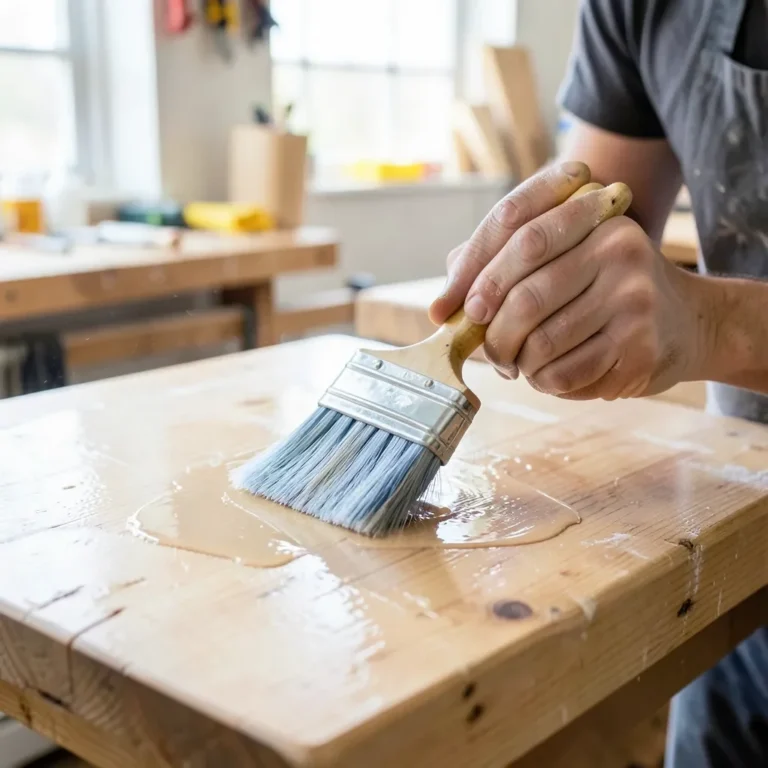
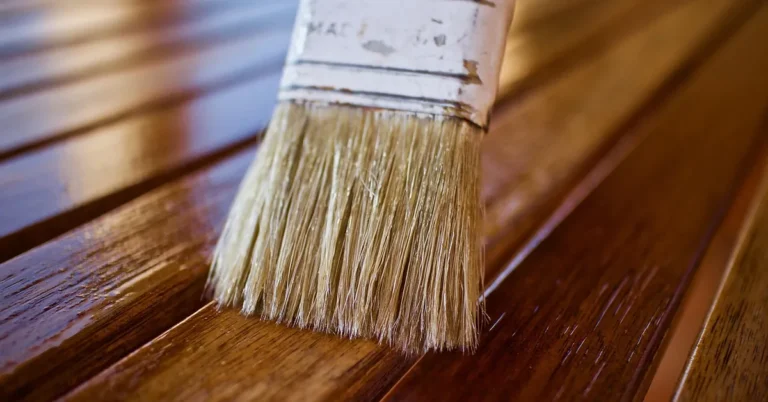
Applying oil finishes is one of the most preferred and traditional methods for treating a charcuterie board. Not only does it enhance the wood’s natural tones and grain patterns, but it also provides protection against moisture and stains. Here are a few key steps to follow when applying oil finishes:
- Prepare the surface: Begin by sanding the board using fine-grit sandpaper to create a smooth and even surface.
- Choose the right oil: Opt for a food-safe oil such as mineral oil, walnut oil, or food-grade cutting board oil. These oils are non-toxic and won’t alter the taste of your food.
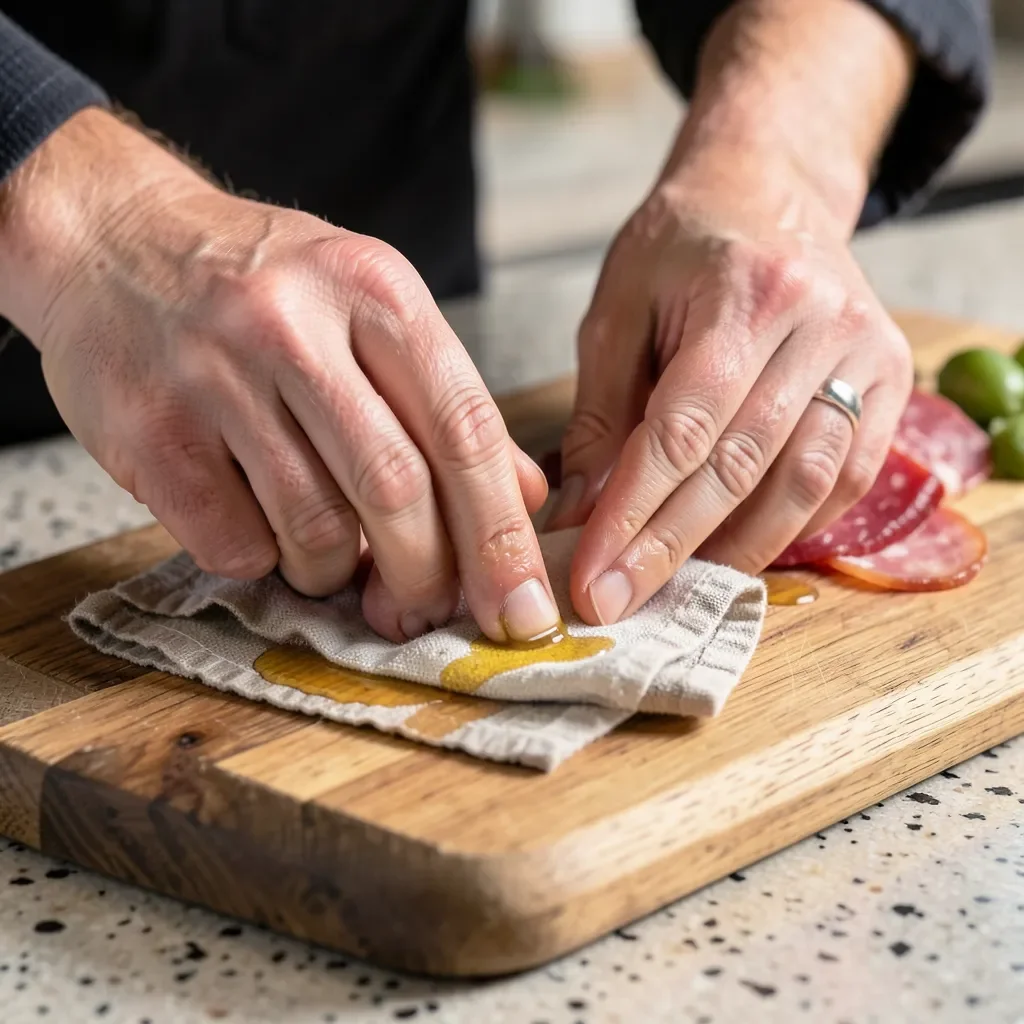
- Apply the oil: Pour a small amount of oil onto the board and use a clean cloth or brush to spread it evenly. Make sure to cover the entire surface, including the edges.
- Let it absorb: Allow the oil to penetrate the wood for about 10–15 minutes, then wipe off any excess oil with a dry cloth.
- Repeat the process: If desired, repeat the oil application and absorption process for multiple coats, ensuring each coat dries completely before applying the next.
- Buff and polish: Finally, use a soft cloth to buff the surface of the board, enhancing its natural luster.

Here’s how the three food-safe options compare once cured:
| Finish | Cure / Dry Time | Water Resistance | Reapply Every |
|---|---|---|---|
| Mineral Oil | 10–15 min absorb, no true cure | Low – wears off with washing | 2–4 weeks |
| Mineral Oil + Beeswax Blend | Same-day absorb | Medium | 4–6 weeks |
| Pure Tung Oil | 2–5 days per coat | High once fully cured | 3–4 months |
Why Polyurethane And Varnish Are Not Recommended
Cured polyurethane is FDA-recognized as food-safe for general contact surfaces once fully dried — but a charcuterie board isn’t a general surface. Slicing cheese or meat with a knife eventually cuts into and chips the film finish, and those chips are a food-safety hazard since they’re likely to be ingested. Knife scratches in the film also create small openings where bacteria can grow. The same logic rules out standard varnish, shellac, and epoxy resin on the food-contact surface: any hard film finish that a knife can breach is the wrong choice here, no matter how “food safe” the fully-cured product is rated in general use.
Penetrating finishes like mineral oil, a beeswax blend, or pure tung oil don’t have this problem — there’s no surface film to chip, so a knife mark just cuts wood, not a coating.
Special Considerations For Food Safety
Food safety comes down to two things: which finish you pick, and how you handle the board once it’s on it.
“New boards get a beeswax-and-mineral-oil blend first for the extra water resistance, then I switch to straight mineral oil for the monthly touch-ups — it’s faster than waiting out a full tung oil cure, and it keeps the board food-safe between deeper treatments.”
Ensuring Safety Of Food Contact Surfaces
The surfaces of your charcuterie board that come into direct contact with food should be safe and free from any harmful substances. This means choosing a finish that is non-toxic, food-safe, and resistant to bacteria growth. It’s essential to select finishes that have been specifically formulated for food contact surfaces.
Additionally, when preparing and serving food on your charcuterie board, it’s crucial to follow proper food handling practices. Keep raw and cooked meats separate, wash your hands thoroughly before and after handling food, and regularly clean and sanitize your charcuterie board to prevent cross-contamination.
It’s important to note that finishes like varnishes or polyurethane are not recommended for charcuterie boards, as their film finish can crack under knife use and may leach harmful chemicals into your food. By considering the safety of food contact surfaces and selecting non-toxic finishes, you can enjoy your charcuterie board with peace of mind, knowing that it not only looks great but also prioritizes the health and safety of your culinary creations.
Frequently Asked Questions For Best Finish For Charcuterie Board
What Is The Best Finish For A Charcuterie Board?
The best finish for a charcuterie board is food-safe oil, such as mineral oil, a mineral oil and beeswax blend, or fully cured pure tung oil. These finishes protect the wood and enhance its natural beauty. Avoid using varnish or polyurethane, as their film coating can crack under knife use and is not food safe for a direct food-contact surface.
How Do I Apply A Food-safe Oil Finish To A Charcuterie Board?
To apply a food-safe oil finish to a charcuterie board, start by sanding the wood smooth. Then, apply a thin coat of food-safe oil using a clean cloth, rubbing it into the wood in the direction of the grain. Let it absorb for 10–15 minutes, wipe off the excess, then repeat the process until the desired finish is achieved.
Can I Use Olive Oil To Finish A Charcuterie Board?
It is not recommended to use olive oil to finish a charcuterie board. Olive oil can go rancid over time and leave an unpleasant taste on the food. Instead, opt for food-safe oils like mineral oil or pure tung oil, which will not spoil and are specifically designed for wood finishing.
How Often Should I Reapply The Finish On A Charcuterie Board?
The frequency depends on the finish. Straight mineral oil generally needs reapplying every 2–4 weeks, a beeswax blend every 4–6 weeks, and fully cured pure tung oil every 3–4 months. If the board starts to look dry or the finish is wearing off, it’s time to reapply.
Is Beeswax Safe For A Charcuterie Board?
Yes. Beeswax is on the FDA’s list of substances safe for food contact and is commonly blended with mineral oil to make a “board butter” that adds water resistance beyond what oil alone provides.
Can You Use Regular Polyurethane On A Charcuterie Board?
No. Even food-safe-rated cured polyurethane isn’t recommended for a charcuterie board, because knives eventually cut into and chip the film finish, and those chips are a food-safety hazard. Use a penetrating oil finish instead, which has no film for a knife to breach.
Conclusion
In sum, choosing the right finish for your charcuterie board is essential for both function and food safety. From the ease of mineral oil to the long-lasting durability of fully cured pure tung oil, food-safe penetrating finishes protect the board without risking chipped film in your food. Skip polyurethane, varnish, shellac, and epoxy resin on the food-contact surface, weigh the reapplication schedule against your usage, and your charcuterie board will look great and stay safe for years of use.
Sponsored / affiliate links. As an Amazon Associate I earn from qualifying purchases. I may earn additional commission from eligible campaigns.
 Wood Butter Cutting Board Wax 3 oz - Food-Safe Butcher Block Cutting Board Utensil Conditioner - Food Grade Mineral Oil and Beeswax - Restore and Protect all Wood - Bamboo, Walnut, Maple
 Virginia Boys Kitchens Coconut Cutting Board Oil - NO Mineral Oil - Food Safe Wood Seasoning for Kitchen Countertops, Cutting Boards, and Butcher Blocks - Made in USA