Aluminum Studs vs Wood: Fire, Weight and What to Use Instead
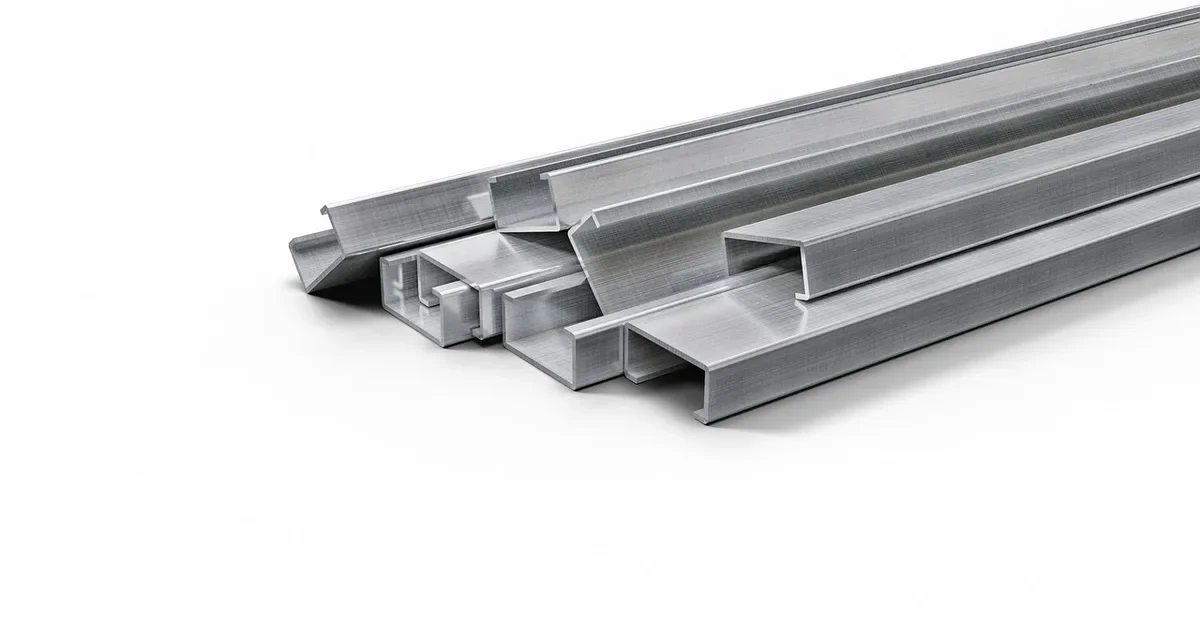
Aluminum studs are non-combustible, but they are not the fire-safe upgrade over wood that most articles claim. Aluminum alloys start losing strength above roughly 300 F, and the metal stud most builders mean when they say “metal framing” is galvanized steel. This guide compares aluminum, steel and wood studs on fire, weight, heat loss, cost and DIY difficulty so you can pick the right one.
Most comparison pages online treat aluminum and steel as the same thing. They are not, and the difference matters most when you look at fire behavior, so we start there.
Aluminum Studs vs Wood: The Short Answer
Best Metal Stud Screw Pick
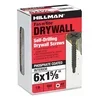 |
Hillman 47113 #6 x 1-5/8 in. Self-Drilling Drywall Screws (180 count) If you end up framing a non-load-bearing wall in metal, the drywall on it goes up with self-drilling fine-thread screws like these, not wood screws.
|
As an Amazon Associate we earn from qualifying purchases.
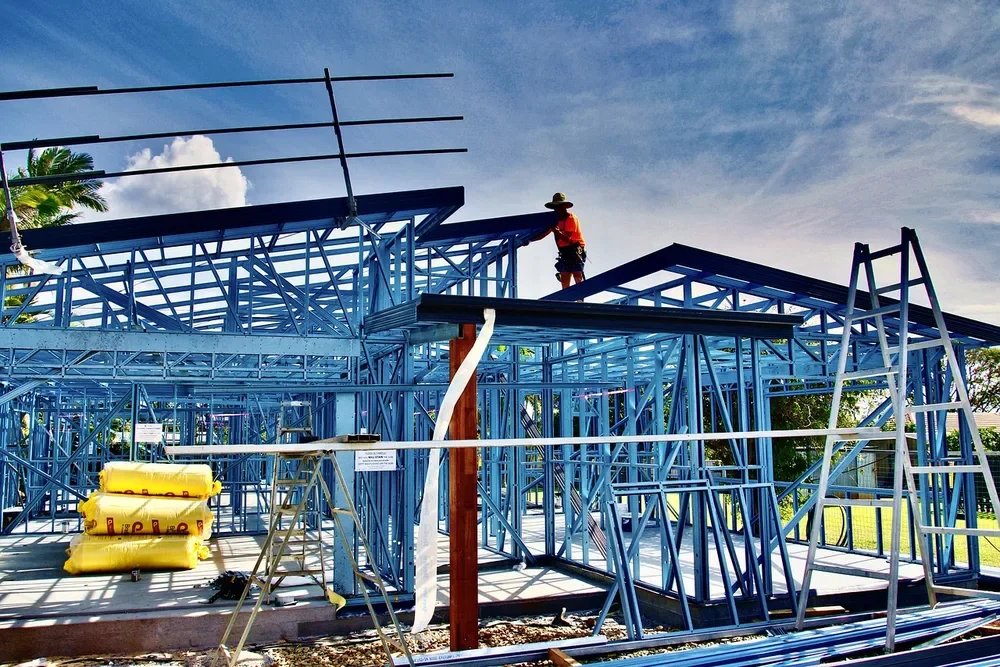
For a typical house wall, wood studs (2×4 or 2×6 at 16 or 24 inches on center) are the default because they are cheap, familiar and easy for a DIYer to cut and fasten. If you want metal framing, the standard product is cold-formed galvanized steel, which BuildSteel.org describes as non-combustible and typically installed at 16 or 24 inches on center. Aluminum studs are the rare option: they exist, but they are specialty framing, not something you can count on finding on the shelf.
Use wood for most home framing. Consider steel where fire, termites or moisture dominate the decision. Consider aluminum only if a specific project or spec calls for it, and confirm the product’s load tables before you build anything structural.
The Fire Myth: Non-Combustible Is Not the Same as Fireproof
The claim that aluminum “resists fire” is half right. The Aluminum Association fire safety paper reports that tested aluminum alloys pass ASTM E136, the standard test for non-combustible building materials, which heats a sample to 750 C (1,382 F) and looks for flaming. So aluminum will not feed a fire the way a wood stud does.
The catch is what happens to the metal itself. The same paper states that unalloyed aluminum melts at about 660 C (1,220 F), and most alloys begin losing strength above 150 C (300 F). A wall can reach those temperatures in a structure fire long before the framing is consumed. Steel also softens in a fire, but at much higher temperatures. One structural engineering article notes that steel loses about half its strength and stiffness after roughly 20 minutes at 1,300 F.
| Fire property | Aluminum alloys | Steel | Wood |
|---|---|---|---|
| Burns or feeds a fire | No (passes ASTM E136) | No (non-combustible) | Yes |
| Melting point | About 660 C / 1,220 F | Far higher than aluminum | Chars instead of melting |
| Strength loss begins | Above about 150 C / 300 F | About 50% loss after 20 min at 1,300 F | Loses section as it chars |
| Heat-up speed | Slower than steel per pound (specific heat about 2x) | Baseline | Slow |
Aluminum does have real fire-side advantages. The Aluminum Association notes its specific heat is about twice that of steel and its thermal conductivity runs 3 to 6 times higher, so it spreads heat away instead of concentrating it. That helps, but it does not change the low temperature at which the alloys weaken. For actual fire ratings, look at the tested wall assembly (studs, drywall layers and insulation together), not the stud material alone, and check with your local building department.
Aluminum Studs vs Wood Studs: Side-by-Side
| Factor | Wood studs | Steel studs | Aluminum studs |
|---|---|---|---|
| Availability | Every lumber yard and big-box store | Common at building-supply stores | Specialty, often special-order |
| Material cost | Usually lowest | Usually higher than wood | Usually highest of the three |
| Weight | Heaviest | Light | Lightest |
| Rot and termites | Vulnerable | Immune | Immune |
| Shrink, warp, twist | Yes, as it dries | No | No |
| Heat loss through the stud | Low (wood insulates) | High (thermal bridge) | Higher still (conducts 3-6x steel) |
| DIY cutting and fastening | Easy with common tools | Snips or metal blade, self-drilling screws | Metal-cutting tools, needs the right fasteners |
| Hanging cabinets and shelves | Screw into the stud anywhere | Need blocking or anchors | Need blocking or anchors |
For a price-focused breakdown of steel against lumber, see our metal studs vs wood studs cost guide, and for the strength question see are metal studs stronger than wood.
Thermal Bridging: Why Metal Studs Cost You Energy
Every stud is a path for heat to cross the wall. Wood is a fairly poor conductor, so the stud costs you little. Metal is the opposite, and the Aluminum Association puts aluminum alloys at 88 to 251 W/(m K), which is 3 to 6 times normal steel. In a cold climate a metal-framed exterior wall loses more heat at every stud.
The usual fixes are continuous rigid foam insulation over the outside of the framing, or spray foam that also covers the stud face. Cavity batts alone underperform their labeled R-value in metal framing. If you are framing an interior partition that never touches the outdoors, thermal bridging is a non-issue and you can skip this step.
When Each Stud Makes Sense
Choose Wood Studs When
- You are building a shed, workbench wall, garage partition or standard house wall.
- You want to hang cabinets, shelves and TVs by screwing straight into the frame.
- Budget is the main constraint and you already own a saw, drill and nailer.
- You need exterior walls with good thermal performance without extra foam.
Choose Steel or Aluminum Studs When
- Termites, wet basements or high humidity make wood a repeat repair problem.
- The wall is a non-load-bearing interior partition, where metal framing goes together quickly.
- You need straight, non-shrinking framing behind tile or a long drywall run.
- A spec, inspector or commercial project specifically calls for non-combustible framing.
If you are weighing lumber species for framing instead, our guide on using cedar for framing covers how it compares with the usual framing woods.
Installing Metal Studs: What Changes for a Woodworker
- Cutting: Use aviation snips for light-gauge track and studs, or a metal-cutting blade. Wear safety glasses and gloves, because cut edges are sharp.
- Fastening: Use self-drilling or self-tapping screws made for metal. Ordinary wood screws will not bite reliably.
- Drywall screws: For light-gauge metal, use fine-thread bugle-head screws, and use the self-drilling type so you do not need pilot holes.
- Blocking: Plan wood or metal backing behind anywhere you will mount cabinets, grab bars or a TV, because a thin stud flange will not hold weight on its own.
- Electrical: Punchouts in metal studs need plastic grommets so the sharp edge does not damage cable sheathing.
Common Mistakes When Choosing Between Metal and Wood Framing
- Assuming metal means fireproof. Non-combustible only means the stud will not burn. The wall’s fire rating comes from the full assembly.
- Assuming metal is always cheaper or stronger. Light-gauge studs are made for non-load-bearing partitions, and structural framing is a different product with its own engineering.
- Skipping the thermal break on exterior walls. Metal studs on an outside wall without continuous insulation lose more heat than the same wall framed in wood.
- Forgetting backing. Cabinets, handrails and TV mounts need blocking added during framing, when it is cheap to do.
- Mixing up steel and aluminum. Fire, cost and load numbers for one do not carry over to the other, so read the spec sheet for the exact product you plan to buy.
Whichever material you pick, check your local building code before you start. Framing rules for spacing, fire blocking and load paths vary by jurisdiction, and a permit inspector or licensed engineer has the final word on anything structural.
Frequently Asked Questions
Are aluminum studs used in houses?
Rarely. The metal stud used in residential and light commercial framing is galvanized cold-formed steel. Aluminum is more common in specialty framing, so check availability and load tables before you plan a wall around it.
Are aluminum studs fireproof?
No. They are non-combustible, meaning they pass ASTM E136, but the Aluminum Association reports that unalloyed aluminum melts near 1,220 F and most alloys start losing strength above about 300 F. Fire rating comes from the whole tested wall assembly, so check with your local building department.
Are aluminum studs cheaper than wood?
Generally no. Wood framing lumber is usually the cheapest of the three options, and metal framing usually costs more per stud, especially aluminum. Prices change by region and season, so compare current quotes.
Can I mix wood and metal studs in the same wall?
One common mix is wood blocking inside a metal stud wall to give cabinets and fixtures something solid to screw into. Mixing them as the primary structural studs in one wall is not something to improvise, so ask an engineer or your building department.
Can aluminum studs be used in load-bearing walls?
Only if the manufacturer’s published load tables and your local code allow it for your span and loads. Load-bearing framing decisions belong to a structural engineer or your building department, not a general guide like this one.
Bottom Line
Wood is the right answer for most home framing. Metal makes sense where termites, moisture or a non-combustible requirement drives the choice, and the product you will realistically buy is steel, not aluminum. Do not rely on aluminum for fire performance without looking at the assembly test, and leave load-bearing calls to an engineer.
Sponsored / affiliate links. As an Amazon Associate I earn from qualifying purchases. I may earn additional commission from eligible campaigns.
 Stainless Steel Wood Screws #14 x 1 Inch Self Tapping Screws 50pcs, Flat Head Phillips 18/8 Stainless Steel Sheet Metal Screws for Cabinet, Wooden, Indoor and Outdoor Use by IMSCREWS
 MR SCREWS #8 x 3 Drywall Screws 100PCS Coarse Thread Wood Screws 1 LBS Flat Truss Head Self Tapping Screws Black Phosphate Coated Stainless Fast Self Tapping LZDRY-009