Is a Steel Frame Cheaper Than Wood? Real Cost Breakdown
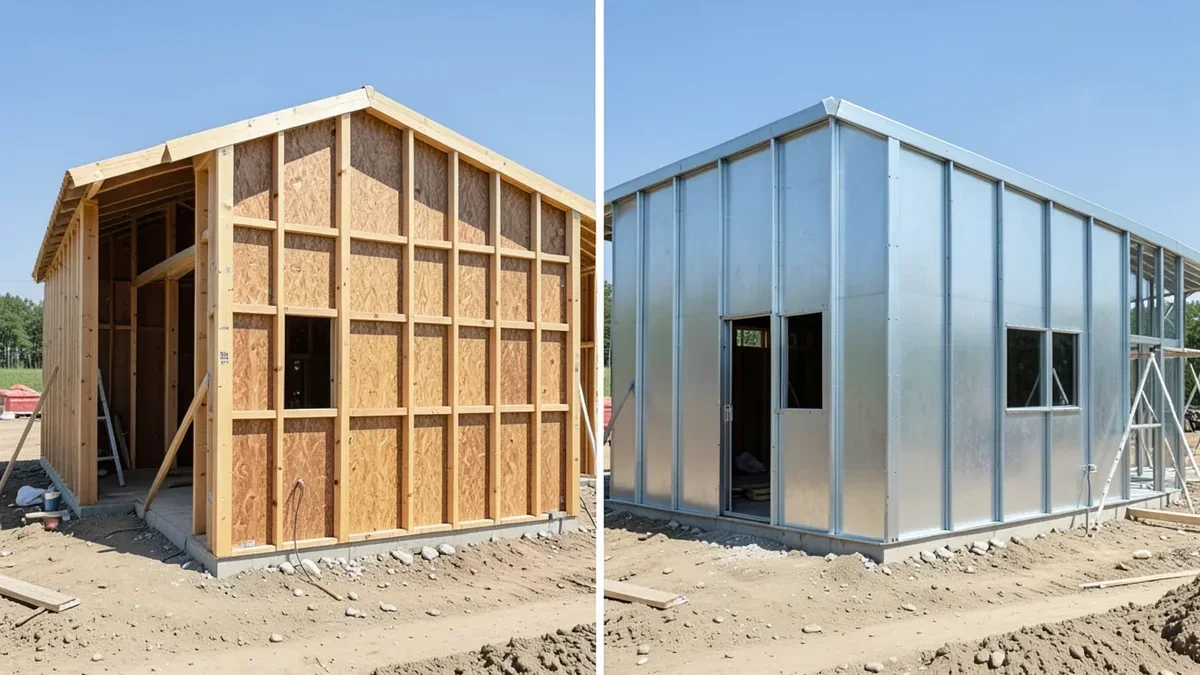
A full steel-frame structure runs roughly $15 to $30 per square foot installed, against about $12 to $25 for wood framing, according to 2026 contractor pricing data. That gap narrows or flips depending on lumber prices in your area, the size and shape of what you’re building, and whether you’re framing a whole house or a smaller structure like a garage or workshop. Below is a real breakdown of where that money actually goes, and when a steel-frame build is worth the extra upfront cost.
Steel Frame vs. Wood Frame: The Short Answer
For a typical residential build, wood framing is still cheaper up front in most of the country. Wood framing materials and labor together run about $12 to $25 per square foot as of 2026, while a full light-gauge steel frame runs $15 to $30 per square foot once you account for the specialized fasteners, cutting tools, and installers steel requires. Lumber prices swing hard with tariffs and mill closures, and steel prices track scrap and recycled-content markets, so those ranges move year to year – treat them as a starting point for your own quotes, not a fixed number.
Best Moisture Check Before You Frame
 |
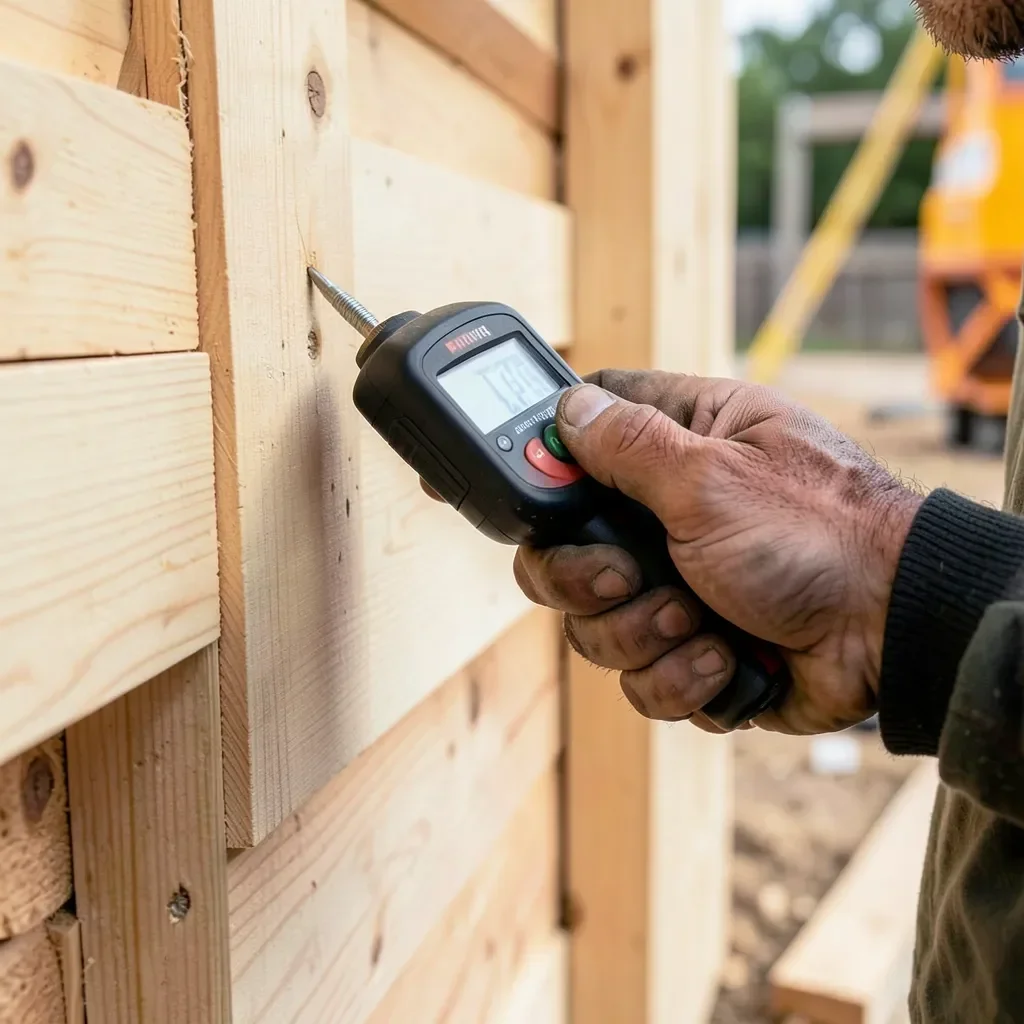
General Tools MMD4E Wood Moisture Meter – $39.98 Whichever framing material you choose, this pin-type meter checks lumber moisture in seconds before you close up a wall.
|
Where the Cost Difference Actually Comes From
Material Costs
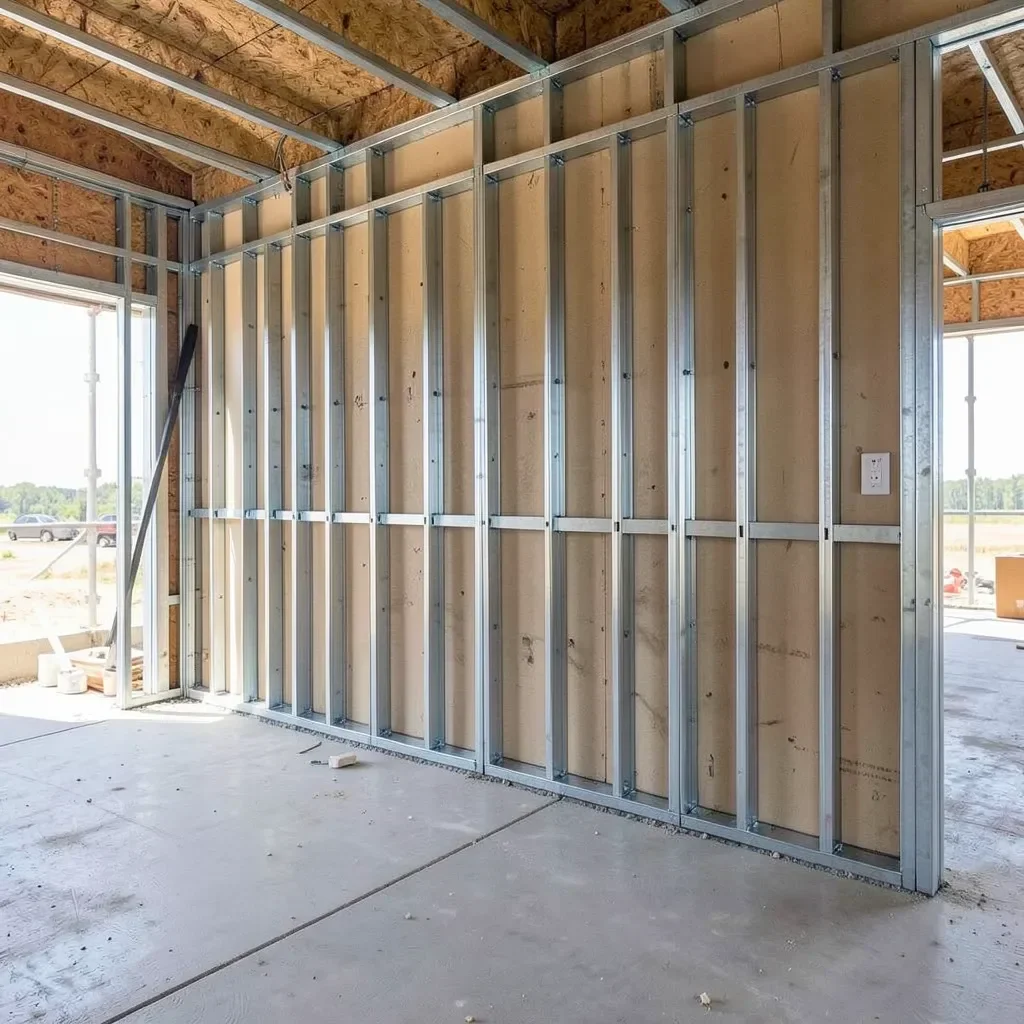
Dimensional lumber (2x4s and 2x6s) is a commodity product sold at nearly every lumberyard, which keeps material costs predictable and easy to shop around for. Light-gauge steel studs and track are priced by gauge (thickness) and coating, and because fewer suppliers stock them, pricing is less competitive in most regions outside major metro areas. On a per-piece basis steel studs often cost close to what a comparable wood stud costs, but a steel-framed wall also needs more fasteners (self-tapping screws instead of nails), track at top and bottom plates, and sometimes stiffeners – all of which add up faster than the stud price alone suggests.
Labor Costs
This is where steel loses the most ground. Wood framing is a skill nearly every general contractor and framing crew already has, so you’re not paying a premium to find someone qualified. Steel framing requires crews who know how to cut studs with an aviation snip or chop saw, screw rather than nail every connection, and brace walls differently for lateral loads. In areas without an established steel-framing trade, that specialized labor can add several dollars per square foot on top of the material cost, which is the single biggest reason steel rarely undercuts wood on a standard home.
Design and Engineering
Standard wood-frame designs are so common that most residential plans need little custom engineering. Steel’s higher strength-to-weight ratio lets it span farther without interior support walls, which is genuinely useful for open floor plans or a workshop that needs a clear-span bay for equipment – but that same design freedom usually means a structural engineer has to run the numbers instead of following a standard framing table, and that adds a real line item to the budget.
When a Full Steel-Frame Build Actually Costs Less
Steel comes out ahead of wood on total project cost in a handful of specific situations:
- Local lumber prices are unusually high. When mill closures or tariffs spike lumber pricing in your region, steel’s flatter, more stable pricing can close or erase the gap.
- Long clear spans with few interior walls. A workshop, garage, or pole-barn-style structure that needs one open bay can use fewer, larger steel members instead of a dense grid of wood posts, which can offset steel’s higher per-piece cost.
- You’re building somewhere termites or rot are a serious, recurring cost. Steel doesn’t feed pests and doesn’t rot, so in high-humidity or heavy-termite regions the maintenance and repair savings over 15-20 years can offset a higher framing bid.
- Fire-rated construction is required. Steel is non-combustible, which can reduce the fire-rated assembly costs some jurisdictions and insurers require for certain occupancies.
When Wood Framing Wins on Total Cost
For most homeowners and DIY builders, wood still wins, and not by a small margin:
- Standard residential framing. A typical house or addition with normal room sizes and standard spans doesn’t benefit from steel’s long-span advantage, so you’re paying steel’s labor premium for no real gain.
- You’re doing some or all of the framing yourself. Wood only needs a circular saw, a nail gun or hammer, and a square. Steel framing needs metal-cutting tools, screw guns, and a different bracing approach – if you’re planning to frame a shed or workshop yourself, wood keeps the tool list and the learning curve small.
- You’re in a region with cheap, plentiful local lumber. Framing crews and material are both easy to find, which keeps bids competitive.
The Durability and Insulation Tradeoffs You’re Actually Paying For
The upfront price tag only tells part of the story. Steel doesn’t warp, rot, or attract termites and carpenter ants, which is a real, well-documented durability advantage – wood framing that gets wet during construction or exposed to moisture afterward can warp, decay, or need replacement years down the line. That’s a genuine long-term-cost point in steel’s favor in humid or pest-heavy climates.
Steel gives some of that advantage back on energy performance, though. Steel conducts heat far more readily than wood, a problem called thermal bridging: heat (or cooling) can travel straight through a steel stud and bypass the insulation between studs, unless the wall assembly adds a continuous rigid-foam thermal break. Wood studs don’t have this problem to nearly the same degree. Skip the thermal break on a steel-framed wall and you can end up paying the difference back in higher heating and cooling bills for as long as you own the building.
For a wood-framed structure, moisture is the thing actually worth tracking – both during construction and for years afterward. Framing lumber should read at or below roughly 19% moisture content before you close up walls with sheathing or drywall; framing over wet lumber is one of the more common causes of warping, nail pops, and mold complaints in wood-framed builds. A basic pin-type moisture meter takes a few seconds to check a stud before you commit to closing in a wall, which is cheap insurance compared to tearing out drywall later.
A Note If You’re Building the Frame Yourself
If you’re a DIY builder putting up a workshop, garage, or shed rather than hiring a full framing crew, the cost math tilts even further toward wood. Beyond the tool difference covered above, wood framing forgives small mistakes – a stud that’s slightly out of square can be shimmed or trimmed with tools most woodworkers already own. Steel framing is less forgiving of field adjustments and generally expects factory-straight, pre-punched studs installed to tighter tolerances, which is part of why most owner-builders who compare the two end up framing in wood even when a contractor’s steel quote looks competitive on paper.
If your own comparison is really about framing components rather than a whole structure – stud-by-stud material pricing, for example – our metal studs versus wood studs price breakdown covers that narrower comparison in more detail. For a broader look at which material fits different project types beyond just cost, see our metal framing vs. wood framing cost guide.
Frequently Asked Questions
Is a steel frame cheaper than a wood frame for a full house?
Usually not. For a standard house with typical spans, wood framing runs about $12 to $25 per square foot installed versus $15 to $30 for steel, mainly because steel needs specialized labor and fasteners wood framing doesn’t. Steel can close the gap or come out ahead when local lumber prices spike or the design needs long clear spans.
Why is steel framing labor more expensive than wood?
Steel framing crews need metal-cutting tools, screw guns instead of nail guns, and training on steel-specific bracing methods. Because far more framing crews already know wood, wood labor is easier to source and typically bids lower, especially outside major metro markets where steel-framing trades are established.
Does steel framing really have worse insulation performance than wood?
Steel conducts heat much faster than wood, which causes thermal bridging through the studs. Left unaddressed, this can make a steel-framed wall lose more heat than an equivalent wood-framed wall. Adding a continuous rigid-foam thermal break on the exterior largely solves the problem, but it’s an extra cost that wood framing doesn’t require.
Is it cheaper to frame a workshop or garage in steel or wood?
Wood is almost always cheaper for a DIY-built workshop, garage, or shed, since it only requires common carpentry tools and forgives minor field adjustments. Steel becomes more competitive for a pre-engineered, contractor-built structure that needs a wide clear span with no interior support posts.
What moisture content should framing lumber be before you close up the walls?
Framing lumber should generally read at or below about 19% moisture content before sheathing or drywall goes up. Framing over wet lumber is a common cause of warping, nail pops, and mold issues once walls are closed in, which is why checking studs with a moisture meter before closing them in is worth the few minutes it takes.
Bottom Line
For most standard builds, wood framing is still the cheaper choice by a real margin, driven mostly by labor availability rather than raw material cost. Steel earns its higher price in specific situations: long clear spans, high local lumber prices, heavy termite or moisture exposure, or fire-rating requirements. Get quotes for both on your actual project rather than assuming either material automatically wins – and whichever you choose, check your lumber’s moisture content before you close up the walls, since that’s a cheap step that prevents an expensive problem later.
Sponsored / affiliate links. As an Amazon Associate I earn from qualifying purchases. I may earn additional commission from eligible campaigns.