Are Butcher Block Countertops Food Safe
Many homeowners love the warm, natural look of butcher block countertops. However, a common question pops up, especially for those new to kitchen design: Are Butcher Block Countertops Food Safe? It can feel a bit tricky to get a straight answer, leaving many wondering if these beautiful surfaces are truly safe for preparing meals. Don’t worry!
This guide breaks down everything you need to know in a simple, step-by-step way, so you can confidently enjoy your kitchen. We’ll cover how to keep them clean and safe for everyday use.
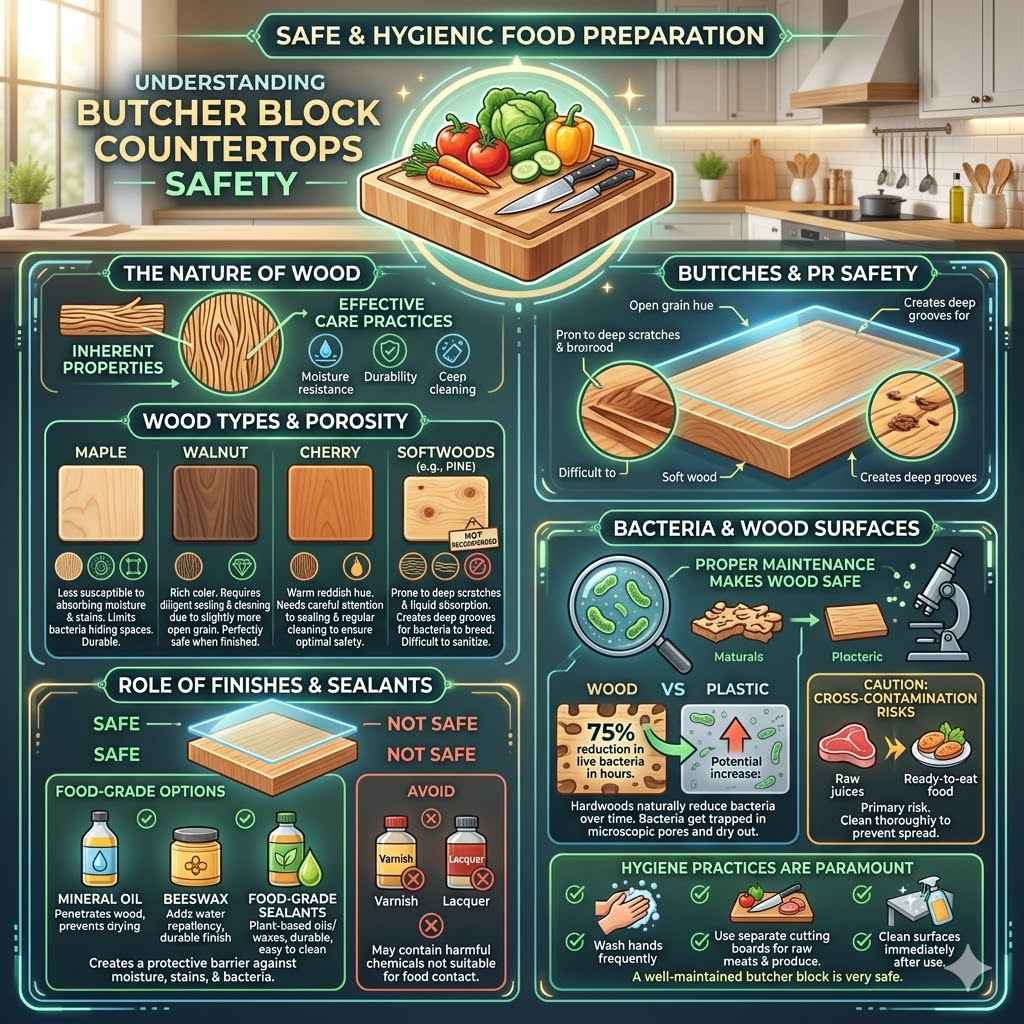
Understanding Butcher Block Countertops Safety
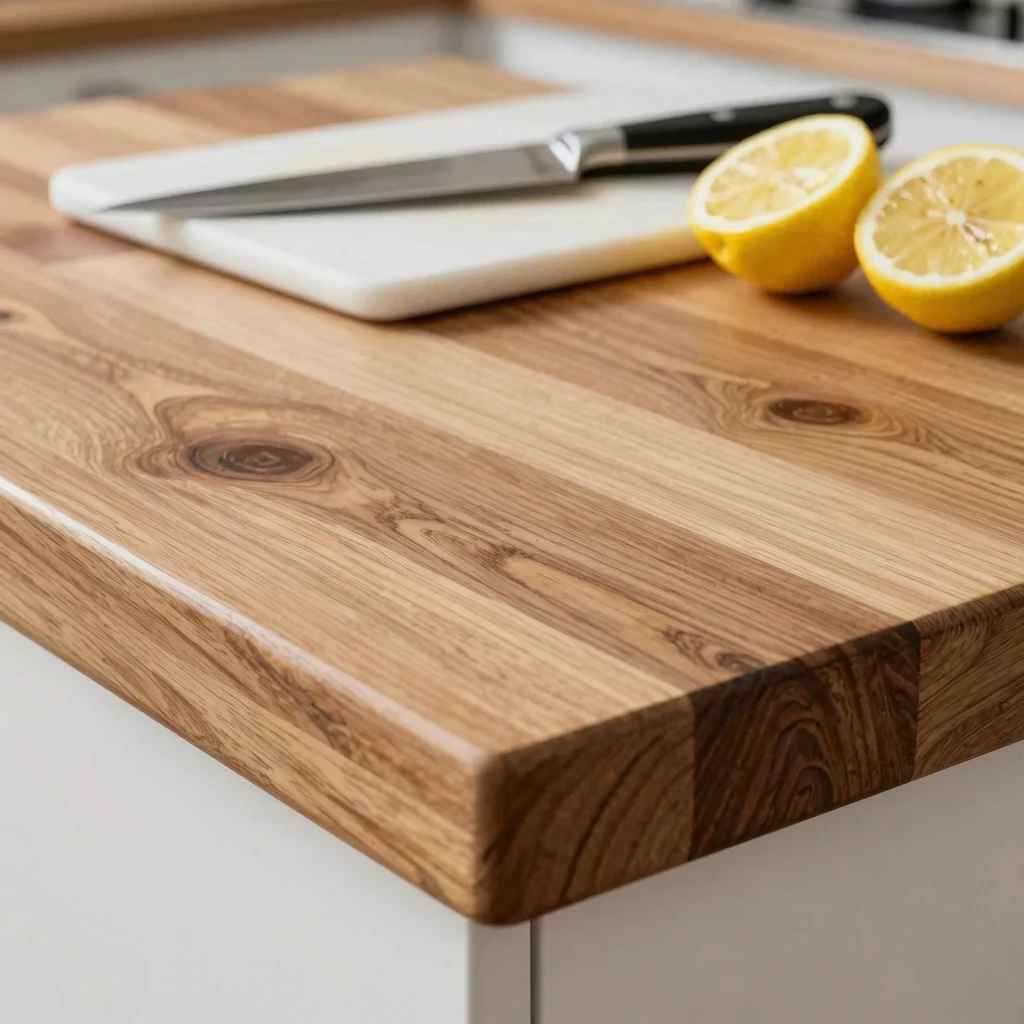
Butcher block countertops are made from strips of wood glued together. They offer a unique, warm aesthetic to any kitchen. For many, the visual appeal is a major draw.
However, when it comes to food preparation, concerns about hygiene and safety naturally arise. People want to know if these wooden surfaces can harbor bacteria or if they pose any risks to health. It’s a valid concern, as kitchens are central to our well-being.
The good news is that butcher block can be very safe for food prep when properly maintained. The key lies in understanding the material and implementing simple, effective care practices. This section will explore the inherent properties of wood and how they interact with food safety standards.
We will look at the types of wood commonly used and any specific considerations for each. This will help paint a clear picture of what to expect.
Wood Types and Their Porosity
Different types of wood have varying characteristics that affect their suitability for countertops, especially concerning food safety. The density and grain structure of the wood play a significant role in how easily liquids and bacteria can penetrate the surface. Understanding these differences helps in choosing the right wood and knowing how to care for it.
Hardwoods are generally preferred for butcher block countertops due to their durability and lower porosity compared to softwoods. Woods like maple, walnut, and cherry are popular choices. Maple, for instance, is known for its fine, closed grain, making it less susceptible to absorbing moisture and stains.
- Maple: This is a very popular choice for butcher block. Its hardness and dense, tight grain make it resistant to scratching and absorption. This closed-grain structure is a significant advantage for food safety as it limits the spaces where bacteria can hide and grow. Maple is also relatively easy to clean and maintain, contributing to its good reputation in kitchens.
- Walnut: Walnut offers a rich, dark color and is also quite hard. While beautiful, its grain can sometimes be a bit more open than maple, which might require more diligent sealing and cleaning. However, when properly finished, walnut butcher block is perfectly safe for food preparation.
- Cherry: Cherry wood has a lovely reddish hue that darkens with age. It is moderately hard and can be a good option for countertops. Like walnut, its grain structure might be slightly more porous than maple, necessitating careful attention to sealing and regular cleaning to ensure optimal food safety.
Softwoods like pine are generally not recommended for butcher block countertops intended for direct food preparation. Pine is much softer and has a more open grain, making it prone to deep scratches and absorption of liquids. These deep grooves can become breeding grounds for bacteria, making it difficult to sanitize effectively.
The Role of Finishes and Sealants
The finish applied to butcher block countertops is crucial for both their appearance and their food safety. A good finish acts as a barrier, protecting the wood from moisture, stains, and bacteria. Without a proper finish, even dense hardwoods can become problematic for food preparation.
There are various types of finishes available, each with its own pros and cons regarding food safety and durability. Some finishes are specifically designed for food-contact surfaces, while others are primarily for decorative purposes.
- Mineral Oil: This is one of the most common and recommended finishes for butcher block that will be used for food prep. Mineral oil is food-grade, meaning it is safe for consumption in small amounts. It penetrates the wood, providing a degree of moisture resistance and helping to prevent drying and cracking. Regular reapplication is key to maintaining the protective barrier.
- Beeswax: Often used in conjunction with mineral oil, beeswax adds an extra layer of water repellency to the surface. It creates a slightly more durable and smoother finish than mineral oil alone. Beeswax is also food-safe, making this combination an excellent choice for butcher block countertops.
- Food-Grade Sealants: Several commercial food-grade sealants are available. These are typically plant-based oils or waxes that form a protective, non-toxic layer on the wood. They are designed to be durable and easy to clean, making them practical for kitchen use. Always ensure the product explicitly states it is food-grade and safe for countertops.
It is important to avoid finishes that are not food-safe. Some varnishes or lacquers might contain chemicals that are not suitable for direct contact with food. If you are unsure about a finish, it is best to research its ingredients or opt for a known food-safe option like mineral oil and beeswax.
Bacteria and Wood Surfaces
A common concern is whether wood itself can harbor bacteria and lead to foodborne illnesses. It’s true that any porous surface can potentially host bacteria. However, wood has some natural properties that can actually help in managing bacteria.
Studies have shown that certain types of wood, particularly hardwoods, can naturally kill some bacteria over time. The wood fibers themselves can absorb and trap bacteria, and the natural compounds within the wood can be antimicrobial. This doesn’t mean wood is self-sanitizing, but it does suggest that properly maintained wood surfaces are not inherently more dangerous than other kitchen surfaces.
For example, a study published in the Journal of Applied Microbiology found that wood surfaces could reduce the number of live bacteria by up to 75% in a few hours, while plastic surfaces sometimes showed an increase in bacteria. This is partly because bacteria get trapped in the microscopic pores of the wood, making them less accessible and drying them out.
- Bacterial Survival: While wood can trap bacteria, it’s crucial to understand that this doesn’t eliminate the risk. Bacteria can still survive and potentially cross-contaminate food if proper cleaning and sanitation practices are not followed. The key is to minimize the opportunity for bacteria to thrive.
- Cross-Contamination: The primary risk with any countertop surface, including butcher block, is cross-contamination. This happens when raw meat juices or other contaminants spread to ready-to-eat foods. Regular, thorough cleaning is the best defense against this.
- Hygiene Practices: Practicing good kitchen hygiene is paramount. This includes washing hands frequently, using separate cutting boards for raw meats and produce, and cleaning surfaces immediately after use. These habits are more critical than the specific material of your countertop.
When discussing food safety on butcher block, it’s essential to differentiate between the material itself and the cleanliness of its surface. A well-maintained butcher block can be as safe, if not safer in some aspects due to wood’s natural properties, as other countertop materials.
Maintaining Your Butcher Block for Food Safety
Keeping your butcher block countertops in top condition is essential for both their longevity and your peace of mind regarding food safety. Regular maintenance isn’t just about aesthetics; it’s a critical part of ensuring a hygienic kitchen environment.
The process involves a few key steps: cleaning, conditioning, and protecting. By incorporating these practices into your routine, you can confidently use your butcher block for all your food preparation needs. This isn’t complicated and can become a quick part of your kitchen cleanup.
Daily Cleaning Procedures
Everyday cleaning of your butcher block countertops should be simple and effective. The goal is to remove food particles and spills promptly to prevent them from soaking into the wood or leaving stains.
Immediately wipe up any spills, especially those involving liquids like water, juice, or oil. Use a damp cloth or sponge for this. For general cleaning after preparing meals, a soft cloth or sponge with mild dish soap and warm water is usually sufficient.
- Wipe Spills Immediately: This is the most critical step. Allowing liquids to sit on the surface increases the risk of staining and water damage. A quick wipe with a cloth is all it takes.
- Gentle Soap and Water: For routine cleaning, a small amount of mild dish soap mixed with warm water works well. Avoid harsh chemicals or abrasive cleaners, as these can damage the finish and the wood itself.
- Dry Thoroughly: After washing, always dry the countertop completely with a clean, soft towel. Standing water can lead to warping and damage over time.
Avoid using excessive amounts of water, as this can be detrimental to the wood. Also, refrain from using scouring pads or steel wool, which can scratch the surface and remove the protective finish.
Deep Cleaning and Sanitizing
While daily cleaning handles everyday messes, occasional deep cleaning and sanitizing are necessary, especially if you’ve prepared raw meat or poultry. This ensures that any lingering bacteria are eliminated.
For sanitizing, a mild solution of white vinegar and water can be effective. Vinegar is a natural disinfectant and is safe for wood. Another option is a very diluted bleach solution, but this should be used sparingly and rinsed thoroughly, as bleach can dry out and damage the wood if used too frequently or in high concentrations.
- Vinegar Solution: Mix equal parts white vinegar and water in a spray bottle. Spray the surface lightly and let it sit for a few minutes before wiping clean with a damp cloth. This is a safe and effective way to sanitize.
- Baking Soda Paste: For tougher stains or stuck-on food, a paste made of baking soda and water can be gently scrubbed onto the affected area. Let it sit for a short while, then wipe clean and dry.
- Commercial Sanitizers: If you opt for a commercial kitchen sanitizer, ensure it is safe for wood surfaces and follow the product’s instructions carefully. Some sanitizers might require rinsing, while others are no-rinse.
It’s important to remember that even with sanitizing, the effectiveness depends on the finish and how well it seals the wood. A well-maintained, sealed surface will be much easier to sanitize effectively.
Re-oiling and Conditioning
Regular conditioning is vital to keep your butcher block hydrated, prevent cracking, and maintain its protective finish. This process replenishes the oil that the wood naturally loses over time, especially with frequent cleaning.
The frequency of re-oiling depends on how heavily the countertops are used and how often they are cleaned. As a general guideline, it’s recommended to re-oil butcher block countertops at least once a month, or whenever the wood appears dry or lighter in color.
- Choosing the Right Oil: Use only food-grade mineral oil or a food-grade butcher block conditioner. These oils are specifically designed to penetrate wood and are safe for food contact. Avoid vegetable oils like olive oil, as they can become rancid over time.
- Application Process: Apply a generous amount of oil to the clean, dry countertop using a clean cloth or paper towel. Spread it evenly over the entire surface, ensuring all areas are covered. Let the oil soak in for at least 15-20 minutes, or even overnight if possible.
- Buffing and Excess Removal: After the oil has soaked in, use a clean, dry cloth to buff the surface and remove any excess oil. The wood should feel smooth and have a slight sheen.
Consistent re-oiling not only keeps the wood looking good but also strengthens its resistance to stains and moisture, directly contributing to its food safety by preventing deep contamination.
Protecting Against Damage
Beyond regular cleaning and conditioning, taking steps to protect your butcher block from damage will help maintain its integrity and food-safe qualities over the long term.
This includes being mindful of heat, moisture, and sharp objects. Using trivets for hot pots and pans, avoiding prolonged exposure to standing water, and using cutting boards for chopping are simple yet effective protective measures.
- Use Cutting Boards: Always use a cutting board for chopping, slicing, and dicing. While butcher block is designed to be cut on, repeated deep cuts can create grooves that are difficult to clean and can harbor bacteria.
- Trivets for Hot Items: Never place hot pots, pans, or dishes directly on the butcher block surface. Use trivets or hot pads to prevent heat damage, which can cause scorching and discoloration.
- Manage Moisture: Try to minimize prolonged contact with water. Wipe up spills immediately and dry the surface thoroughly after cleaning. Avoid letting wet sponges or dishcloths sit on the countertop for extended periods.
By being proactive in protecting your butcher block, you ensure it remains a safe and beautiful surface for years to come. This care routine directly translates into a more hygienic and enjoyable kitchen experience.
Are Butcher Block Countertops Truly Food Safe
The question of Are Butcher Block Countertops Food Safe? often leads to a lot of discussion. The answer, in short, is yes, they can be, but with the right knowledge and care. The natural beauty of wood countertops is undeniable, and many people are drawn to their warmth and unique character.
However, the porous nature of wood naturally raises questions about hygiene and potential health risks, especially when compared to less porous materials like granite or quartz.
Many homeowners worry about bacteria hiding in the wood grain or the possibility of food contamination. This is a valid concern, and it’s essential to address it directly. Understanding how wood interacts with food and what steps are necessary to maintain a safe surface is key to enjoying butcher block countertops without worry.
The following sections will break down the science and practical applications.
Comparing Butcher Block to Other Countertop Materials
When considering the food safety of butcher block, it’s helpful to compare it to other popular countertop materials. Each material has its own set of advantages and disadvantages when it comes to hygiene and durability.
Non-porous materials like granite, quartz, and solid surface countertops are often cited for their superior hygiene. They don’t absorb liquids, which makes them more resistant to staining and less likely to harbor bacteria. This can make them seem like the obvious choice for a food-safe kitchen.
However, this comparison often overlooks the unique properties of wood and the importance of proper maintenance. While it’s true that wood is porous, it also has natural antimicrobial qualities that can help combat bacteria. The critical factor for all countertop materials, including butcher block, is how well they are cleaned and maintained.
Porosity and Bacteria Growth
Porosity refers to the presence of small pores or openings in a material that can absorb liquids. Materials with high porosity are more susceptible to staining and can provide a breeding ground for bacteria.
- Butcher Block: As a natural wood product, butcher block is inherently porous. This means it can absorb liquids and potentially trap bacteria if not properly sealed and maintained. However, the wood’s natural properties can also help.
- Granite and Quartz: These materials are generally considered non-porous or very low porosity, especially when properly sealed. This makes them highly resistant to staining and bacterial growth. They are generally easier to sanitize.
- Laminate: Laminate countertops are made of layers of plastic and particleboard. While the surface is relatively smooth, seams and edges can be vulnerable to moisture and bacteria.
- Stainless Steel: This is another non-porous option that is very hygienic and easy to clean. It’s a common choice in professional kitchens.
The key takeaway is that while non-porous materials offer an initial advantage in terms of hygiene, the daily practices of cleaning and sanitation are what truly determine the food safety of any countertop.
Maintenance and Longevity
The longevity and maintenance requirements of butcher block countertops differ significantly from other materials. While they may require more frequent attention, this care directly contributes to their food safety and aesthetic appeal.
For example, granite and quartz countertops are very durable and low maintenance. They typically require sealing only every few years. Laminate is also relatively easy to clean but can be prone to damage from heat and scratches.
Butcher block countertops, on the other hand, need regular oiling and conditioning. This ongoing care is essential for preventing drying, cracking, and staining, and it also reinforces the protective barrier against bacteria. A well-maintained butcher block can last for decades, often outperforming other materials in terms of its natural warmth and charm.
Real-Life Scenarios and User Experiences
Many people successfully use butcher block countertops in their homes without any issues related to food safety. Their experiences highlight the importance of consistent care and good kitchen hygiene.
Consider a family that has had butcher block countertops for over ten years. They have always treated them with care, wiping spills immediately, using cutting boards for heavy chopping, and re-oiling them every few months. They report no problems with stains or hygiene and love the way the countertops have aged.
Another scenario involves a busy home cook who uses their butcher block extensively for preparing all sorts of meals, from raw chicken to fresh vegetables. They follow a strict cleaning routine, sanitizing the surface after preparing raw meats and ensuring it’s always dry. This diligent approach ensures their butcher block remains a safe and enjoyable workspace.
In contrast, negative experiences usually stem from a lack of proper maintenance. Someone might complain about stains or difficulty keeping the surface clean, but upon investigation, it’s often found that the countertops were not regularly oiled or were subjected to excessive moisture. These issues are not inherent flaws of butcher block but rather consequences of inadequate care.
These real-life examples underscore that butcher block countertops are a viable and safe option for food preparation when treated with the respect and attention they deserve. The key is understanding their needs and fulfilling them consistently.
Is Butcher Block Safe for Direct Food Contact
When referring to “food safe,” it’s important to distinguish between the countertop surface itself and direct food contact. While butcher block is often used for chopping, it’s generally recommended to use a separate cutting board for raw meats and other items that could cause deep cuts or harbor significant bacteria.
However, for placing prepared foods temporarily, like a finished dish or a platter of cheeses, a properly maintained butcher block surface is perfectly safe. The key is that the surface is clean, sealed, and free of any harsh chemical residues.
- Prepared Foods: Placing a clean platter of bread or cheese directly onto a clean, well-oiled butcher block is generally considered safe. The wood’s finish provides a protective barrier.
- Chopping Raw Meats: While some people do chop directly on butcher block, it is best practice to use a dedicated cutting board for raw meats. This makes sanitization easier and prevents deep grooves that can harbor bacteria.
- Cross-Contamination Prevention: The most significant risk is cross-contamination. If you prepare raw chicken on your butcher block and then immediately place bread on it without thorough cleaning, you create a risk.
The decision to chop directly on butcher block is a personal one, but understanding the risks and employing proper sanitization techniques is crucial if you choose to do so. For most users, designating a separate cutting board is the simplest way to ensure maximum food safety.
Are Butcher Block Countertops Hygienic
The question of whether butcher block countertops are hygienic is central to their adoption in home kitchens. Hygiene in a kitchen environment is paramount, as it directly impacts the health and safety of everyone in the household. While wood’s porous nature might initially seem concerning, a closer look reveals that, with proper care, butcher block can indeed be a hygienic choice.
It’s important to clarify that no countertop material is entirely impervious to bacteria. The key lies in understanding how to manage and minimize bacterial presence on any surface. This section will delve into the factors that contribute to the hygiene of butcher block and the best practices for maintaining a clean and safe kitchen workspace.
The Antimicrobial Properties of Wood
Surprisingly, wood possesses natural properties that can help in the fight against bacteria. While not a sterilization method, these properties contribute to a less hospitable environment for microbial growth compared to some other materials.
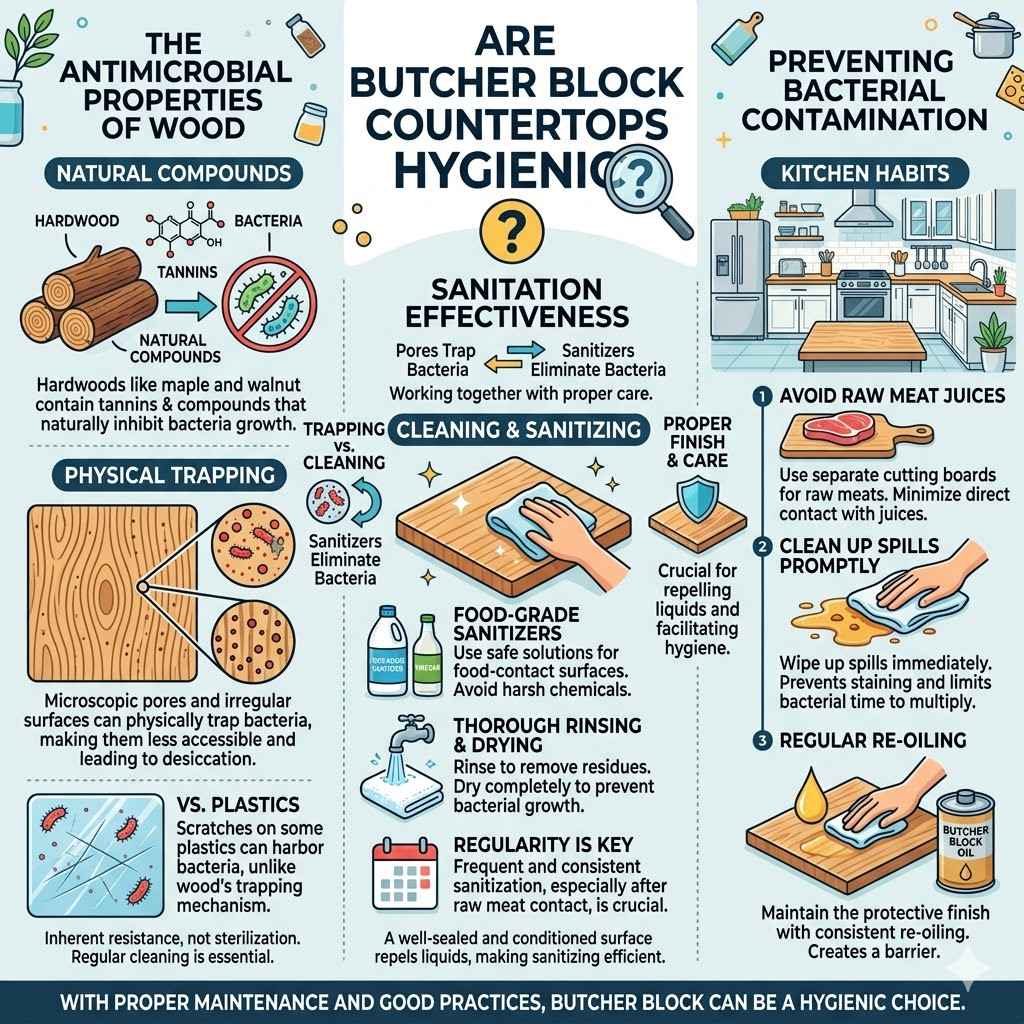
Certain types of wood, particularly hardwoods like maple and walnut, contain natural compounds that can inhibit the growth of bacteria. Additionally, the structure of wood can trap bacteria within its pores, effectively preventing them from spreading. This trapping mechanism can lead to a reduction in the number of live bacteria over time.
- Natural Compounds: Some hardwoods contain tannins and other compounds that have antimicrobial effects, naturally reducing bacterial viability.
- Physical Trapping: The microscopic pores and irregular surface of wood can physically trap bacteria, making them less accessible and potentially leading to desiccation.
- Comparison to Plastics: Unlike some plastics which can develop microscopic scratches that harbor bacteria, wood’s ability to trap microbes can sometimes offer an advantage.
These natural properties do not eliminate the need for cleaning, but they do offer a level of inherent resistance that is often overlooked. It means that under proper maintenance, wood surfaces can be surprisingly resilient.
Sanitation Effectiveness on Wood
The effectiveness of sanitizing butcher block countertops depends heavily on the type of finish applied and the cleaning methods used. When properly sealed and maintained, wood surfaces can be effectively cleaned and sanitized.
Using food-grade sanitizers and following recommended cleaning procedures are crucial. The goal is to eliminate any harmful bacteria that might be present, ensuring the surface is safe for food preparation.
- Food-Grade Sanitizers: Always use sanitizing solutions that are safe for food-contact surfaces. Vinegar, diluted bleach solutions (used sparingly), or commercial food-grade sanitizers are common options.
- Thorough Rinsing and Drying: After sanitizing, it’s important to rinse the surface thoroughly to remove any chemical residue, especially if using bleach. Always dry the countertop completely afterward.
- Regularity is Key: Frequent and consistent sanitization, particularly after contact with raw meats or poultry, is more important than the specific sanitizer used.
A well-sealed and regularly conditioned butcher block will repel liquids and stains more effectively, making the sanitizing process more efficient and the surface easier to keep hygienic.
Preventing Bacterial Contamination
Preventing bacterial contamination on butcher block countertops involves a combination of proper maintenance and good kitchen habits. It’s about creating an environment where bacteria have minimal opportunity to thrive.
This includes being mindful of what comes into contact with the countertop and how quickly spills and messes are cleaned up. Simple practices can make a significant difference in maintaining a hygienic surface.
- Avoid Raw Meat Juices: While butcher block can be cleaned, it’s best to minimize direct contact with raw meat juices. Use cutting boards for preparing raw meats and clean them thoroughly afterward.
- Clean Up Spills Promptly: Don’t let food or liquid spills sit on the surface. Wipe them up immediately with a damp cloth. This prevents staining and limits the time bacteria have to multiply.
- Regular Re-oiling: Consistent re-oiling helps maintain the protective barrier of the finish, making it harder for liquids and bacteria to penetrate the wood.
By implementing these preventative measures, you can ensure that your butcher block countertops remain a hygienic and safe part of your kitchen for years to come.
Frequently Asked Questions
Question: Are butcher block countertops safe for cutting directly on
Answer: While butcher block is designed to be durable, it is best practice to use a separate cutting board for chopping, especially for raw meats. This helps prevent deep grooves that can harbor bacteria and makes sanitizing easier.
Question: How often should I oil my butcher block countertops
Answer: It’s generally recommended to oil your butcher block countertops at least once a month. You should re-oil them whenever the wood looks dry or feels rough to the touch.
Question: Can I use bleach to sanitize butcher block
Answer: A very diluted bleach solution can be used for sanitizing in emergencies, but it should be used sparingly and rinsed thoroughly, as bleach can dry out and damage the wood over time. Vinegar and water is a gentler, more frequent option.
Question: What is the best wood for a food safe butcher block
Answer: Hardwoods like maple, walnut, and cherry are excellent choices. Maple is often preferred due to its dense, closed grain, which makes it less porous and easier to maintain.
Question: How do I remove stains from butcher block
Answer: For minor stains, a paste of baking soda and water can often lift them. For tougher stains, you might need to lightly sand the affected area and then re-oil the countertop.
Conclusion
Butcher block countertops are indeed food safe when properly cared for. The natural beauty of wood can enhance your kitchen, and with regular cleaning, conditioning, and mindful use, they provide a hygienic surface for meal preparation. Consistent maintenance is key to enjoying their warmth and durability safely.