Ash Wood Mantel Ideas: Design, Finishes, and Safe Clearances
Ash has quietly become one of the most requested woods for fireplace mantels in new builds and remodels, and it is not because of any special fire-resistant reputation attached to the species. It is because of how the wood actually looks and behaves once it is milled and finished: a pale, straight, linear grain that reads clean and contemporary in a minimalist room, yet takes a warm stain just as well for a more traditional look. Before you commit to ash for your own mantel, it helps to separate the real reasons to choose it from a safety myth that shows up on almost every generic “best mantel wood” list – the idea that some species are meaningfully more fire-safe near an open flame than others. They are not, and that distinction actually matters for how you plan the installation.
Why Choose Ash Wood for Your Mantel?
Ash is a ring-porous hardwood in the same general strength class as oak, but with a lighter, more uniform color that ranges from a creamy near-white sapwood to a light tan-brown heartwood. That pale base is a big part of its appeal for a mantel specifically: it takes clear topcoats without looking flat, it takes a gray or whitewash stain cleanly for a Scandinavian look, and it also accepts a darker walnut-toned stain if you want contrast against a light wall. Few hardwoods are this flexible across styles without a change in species.
Best Topcoat For A Mantel Finish
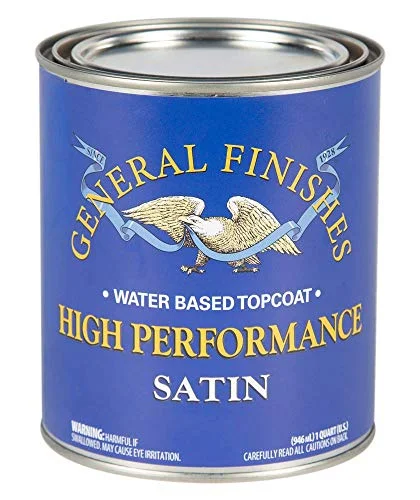 |
General Finishes High Performance Topcoat, Satin – $51.17 A durable, water-based film finish that protects a light ash mantel from daily handling, dusting, and heat exposure near the hearth without yellowing the pale wood tone.
|
Grain, Color, and Workability
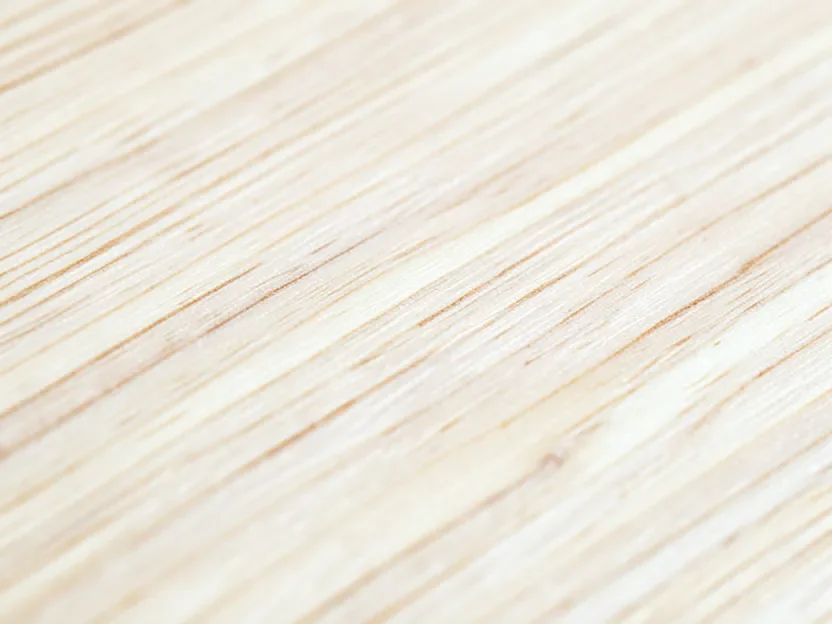
Ash’s grain is straight and open, running in long, mostly parallel lines with occasional gentle waves – the same structural trait that makes it a traditional choice for tool handles and baseball bats, because that fiber pattern absorbs shock without splitting. On a mantel shelf, the same straight grain reads as calm, linear elegance rather than the busy figuring you get from woods like tiger maple or heavily burled walnut. It machines and sands cleanly, holds a crisp routed edge profile, and accepts stain, paint, and clear finish evenly, which is exactly why it shows up so often in custom mantel shops.
Durability for a High-Traffic Room
A mantel shelf takes more abuse than most furniture in the house – picture frames sliding on and off, candles set down and picked up, kids occasionally using it as a handhold. Ash’s Janka hardness rating sits around 1,320 lbf, close to red oak and noticeably harder than walnut or cherry, so it resists dents and scuffs better than many of the “warmer” species people default to for mantels. Combined with a durable topcoat, that hardness is what actually keeps a mantel looking new after years of daily use – not the species’ name, and not any claim about heat resistance.
No Wood Mantel Is “Fireproof” – Ash Included
This is worth stating plainly because it gets glossed over on most mantel buying guides: ash is not more fire-resistant than oak, walnut, pine, or any other ordinary hardwood used for mantels. Wood is wood – it is a combustible material regardless of species, and no untreated solid-wood mantel should be described as fireproof or fire-safe on its own. What actually protects a wood mantel from heat damage or ignition risk is not the species you pick, it is the physical clearance between the mantel and the firebox opening, plus the type of fireplace you have (wood-burning masonry, factory-built zero-clearance, or gas insert all have different rules).
Minimum clearance distances are set by your local building code and by the specific fireplace or insert manufacturer’s installation instructions, and they genuinely vary – there is no single universal “safe” number of inches that applies to every fireplace, so treat any guide (including this one) that gives you one flat figure for every situation with caution. Before you install or replace a mantel, check your local code and the fireplace manufacturer’s spec sheet, and when in doubt, have a licensed contractor or your local fire marshal confirm the clearance for your specific setup. This step matters more to your family’s actual safety than which hardwood you choose.
Design Possibilities with an Ash Wood Mantel
Ash’s neutral, pale color is what makes it adapt across so many interior styles without looking out of place. Here is how it tends to get used in each one.
Modern and Minimalist Designs
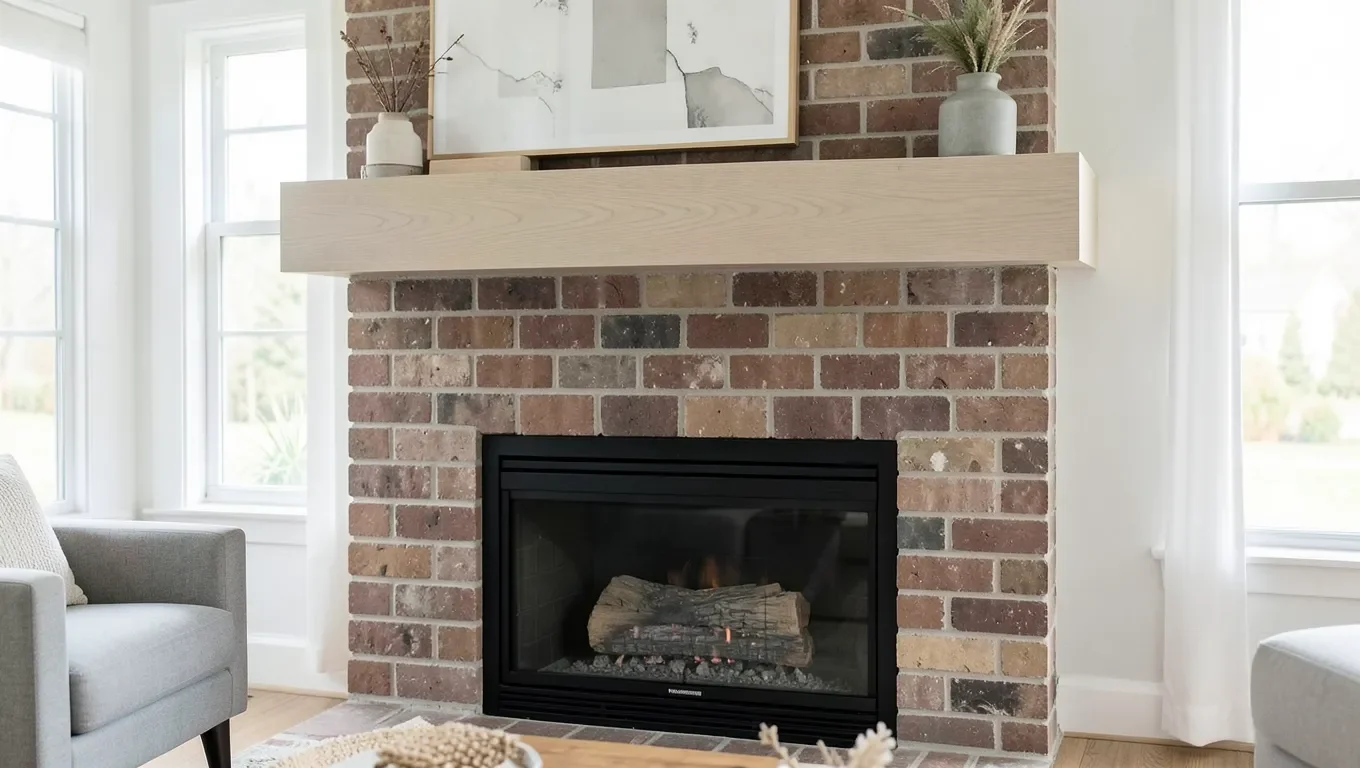
A clean-lined ash beam mantel, left close to its natural pale tone with only a clear topcoat, is a staple in contemporary builds right now – it reads as warm without competing with a stark stone or tile surround. Square edges and a thick, chunky profile (4 to 6 inches deep is common) reinforce the minimalist look better than a traditionally molded edge would.
Rustic and Farmhouse Charm
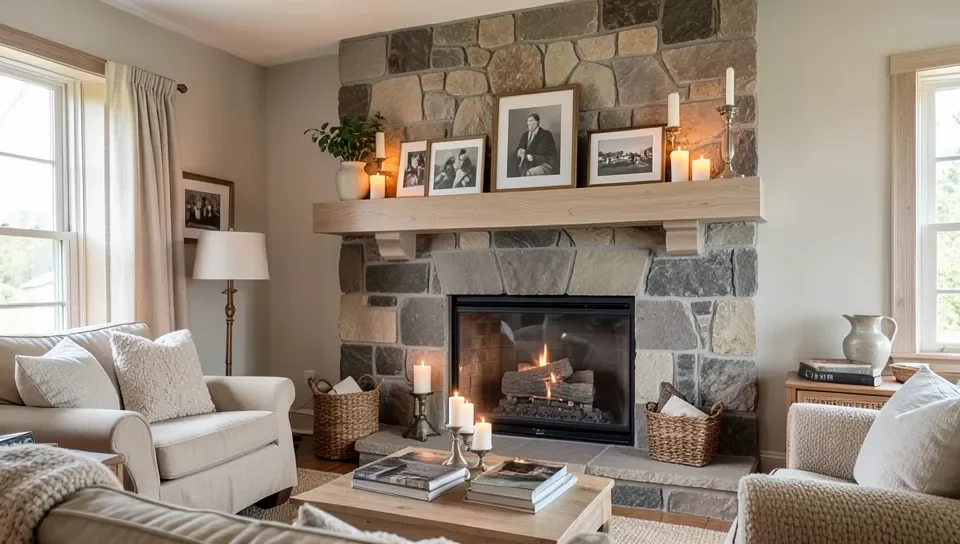
For a farmhouse look, ash gets whitewashed or lightly limed and paired with visible corbels or exposed mounting brackets, often over a stacked-stone or brick surround. The straight grain still shows through a light wash, which keeps it from looking like a plain painted board the way a less distinct-grained wood sometimes does.
Traditional and Classic Elegance
Ash also stains convincingly into a deeper honey or walnut tone for a more traditional room, and it holds a fuller decorative profile – a fluted face, dentil detail, or a built-up crown – better than softer woods because it does not chip out as easily during the router pass.
A raw or lightly white-oiled ash mantel is one of the closest domestic-species matches to the bleached oak look that dominates Scandinavian interiors, at a lower material cost than actual white oak in most regions.
Choosing the Right Finish for Your Ash Wood Mantel
Because ash takes finish so evenly, the choice mostly comes down to the look you want rather than fighting the wood’s tendencies.
- Natural/clear finish: A wipe-on water-based topcoat lets the pale color and straight grain show through with almost no color shift or yellowing over time, which oil-based finishes are prone to.
- Stains: Ash accepts both light gray/whitewash tones and deep walnut-brown stains evenly because its open grain takes pigment consistently – test on an offcut first, since ash can occasionally blotch with certain gel stains.
- Paint and washes: A thinned “wash” coat lets some grain telegraph through, which most solid-color paints on tighter-grained woods cannot replicate as well.
- Oils and waxes: Hardwax oil finishes give a low-sheen, hand-rubbed look but need more frequent reapplication near a heat source than a film-forming topcoat.
Whatever finish you choose, plan on a durable topcoat as the final layer – a mantel gets handled and dusted constantly, and a film-forming finish is what actually resists that wear, not the species underneath it.
Practical Considerations for Installation and Maintenance
Installation and Clearance
Beyond the fire-clearance point covered above, make sure the mantel is anchored into wall studs or masonry anchors rated for its weight plus whatever you plan to display on it – a solid ash beam mantel is considerably heavier than an MDF or veneer alternative. If you are unsure about structural attachment or clearance requirements for your specific fireplace, bring in a licensed contractor rather than guessing; this is one area where a mistake has real consequences, not just a cosmetic one.
Maintenance
Day to day, ash mantels need very little: a soft dry cloth for dust, and a barely damp cloth for spills, dried immediately afterward. Avoid ammonia-based or abrasive cleaners, which can dull a topcoat over time. If the finish starts to look tired after a few years, a light scuff-sand and a fresh coat of topcoat will bring it back without needing to strip the whole piece.
Comparing Ash Wood to Other Mantel Materials
If you are also weighing ash against other structural lumber for a build – beams, shelving, or trim elsewhere in the room – the same strength and workability that make it a good mantel choice carry over to other applications; see our guide to ash wood beams for how it performs in load-bearing use. For the mantel itself, here is how ash stacks up against the other common options.
| Material | Pros | Cons | Aesthetic |
|---|---|---|---|
| Ash Wood | Pale versatile color, distinct straight grain, hard and durable, takes any finish evenly | Can gap/move seasonally if not well-acclimated; less common at big box stores than oak or pine | Modern, farmhouse, coastal, or traditional |
| Oak | Very durable, widely available, strong grain figure | Heavier, more open pores need filling for a smooth clear finish | Traditional, craftsman |
| Walnut | Rich dark color needs no stain | Expensive, softer than ash or oak | Upscale traditional or modern |
| Pine | Inexpensive, easy to work | Soft, dents and scratches easily, resinous knots can bleed through paint | Rustic, cottage |
| MDF (painted) | Cheapest option, perfectly smooth for paint | Not real wood, can swell if it gets damp, no real grain | Painted farmhouse or modern |
Frequently Asked Questions
Question: Is ash wood a good choice for a fireplace mantel?
Yes. Ash is hard, takes stain and clear finish evenly, and has a pale, straight grain that works across modern, farmhouse, traditional, and coastal interiors. It is a good choice for looks and durability, not because it offers any extra fire safety over other hardwoods – that comes down to installation clearance and fireplace type, not species.
Question: What is the typical color of ash wood?
Ash ranges from a near-white to light tan sapwood to a slightly darker, light brown heartwood, generally paler and more uniform than oak or walnut. It can be left natural, whitewashed, or stained darker depending on the look you want.
Question: How should I clean an ash wood mantel?
Dust with a soft, dry cloth and wipe spills with a barely damp cloth, drying immediately. Avoid ammonia-based or abrasive cleaners, which can dull the topcoat over time.
Question: Can I install an ash wood mantel myself?
A DIY installation is possible if you can securely anchor the mantel into studs or masonry rated for its weight, but the fire-safety clearance from the firebox is set by your local building code and the fireplace manufacturer’s instructions, and it varies by fireplace type. Check both before you mount anything, and bring in a licensed contractor if you are unsure.
Question: Does ash wood have a strong grain pattern?
Yes. Ash has a distinct, mostly straight, open grain, similar in character to oak but paler in color, which shows through clearly under both stain and clear finish.
Final Thoughts
Ash earns its place on a mantel shortlist honestly: it is hard, evenly grained, and takes almost any finish you throw at it, which is why it shows up across such a wide range of interior styles. Just do not let a species choice stand in for the safety step that actually matters – confirm your fireplace’s required clearance with your local code and the manufacturer’s spec sheet before you install anything, wood mantel or otherwise.
Sponsored / affiliate links. As an Amazon Associate I earn from qualifying purchases. I may earn additional commission from eligible campaigns.