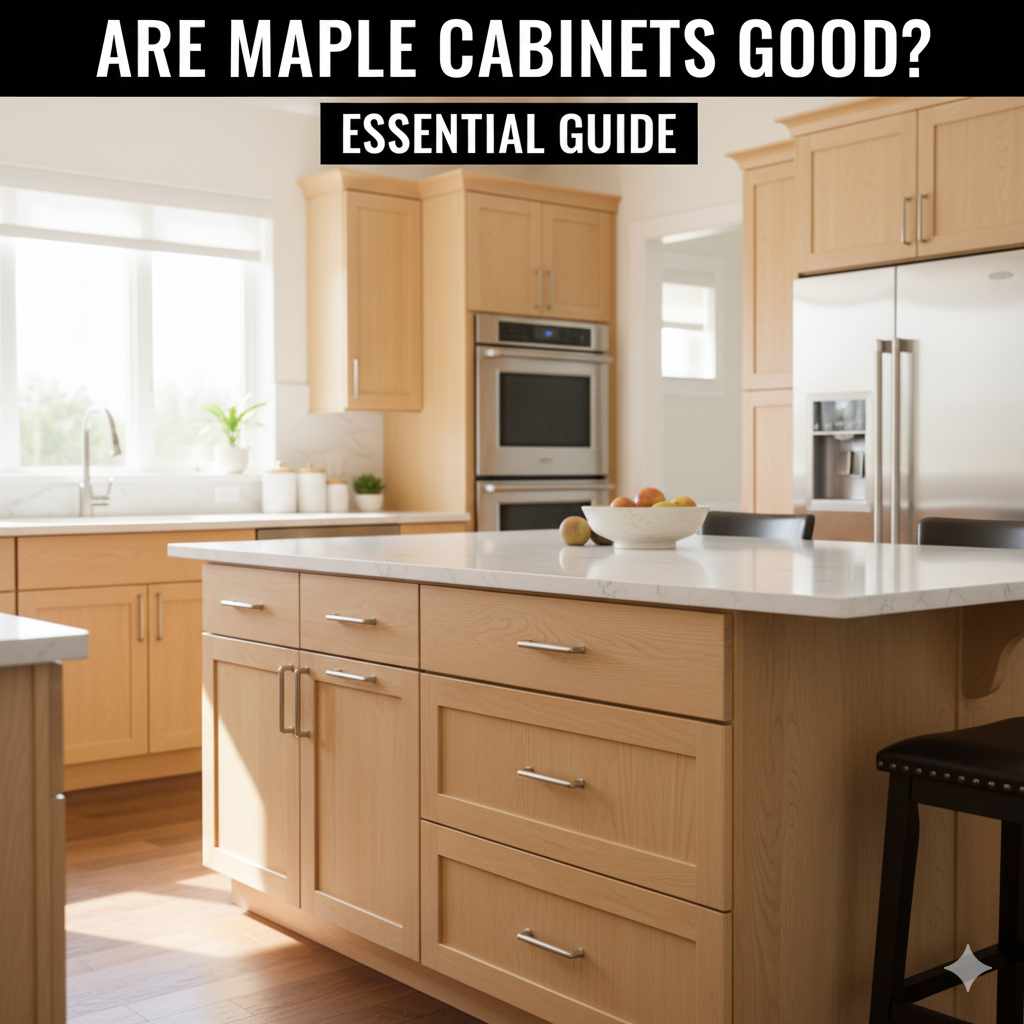
Are Maple Cabinets Good? Essential Guide
Yes, maple cabinets are an excellent choice for kitchens and bathrooms. They are highly durable, resistant to dents and scratches, and offer a smooth, uniform surface that takes paint and stains beautifully. Their natural light, creamy color provides a bright and airy feel, making them a versatile and long-lasting option for many homeowners.
Choosing cabinets can feel like a big decision, can’t it? You want something that looks great, lasts for years, and doesn’t break the bank. If you’re wondering if maple cabinets are the right fit for your home, you’re in the right place! Many homeowners find themselves looking at different wood types and feeling a bit overwhelmed. Maple is a popular choice, and for good reason! We’re going to break down exactly why maple cabinets are a strong contender for your kitchen or bath remodel.
We’ll explore what makes maple wood special, its advantages and potential downsides, how it compares to other woods, and what to look for when you’re shopping. By the end of this guide, you’ll feel much more confident in deciding if maple cabinets are the perfect match for your home project. Let’s get building!
Why Choose Maple Cabinets? Maple Wood Explained
When we talk about cabinets, the type of wood is super important. It affects how they look, how strong they are, and even how easy they are to care for. Maple is a hardwood, and that’s a big clue to its strength and durability. It comes from maple trees, like the ones that give us delicious maple syrup! But don’t worry, the wood used for cabinets is perfectly safe and incredibly practical.
Maple wood is known for its fine, even grain pattern. This isn’t usually a super swirly or knotty wood, which gives it a smooth, clean look. It’s naturally quite hard, making it very resistant to everyday wear and tear. Think about your kitchen – it’s a busy place! Cabinets here need to stand up to bumps, spills, and constant use. Maple is built for that kind of life.
Plus, maple has a beautiful natural color. It’s typically a light, creamy white or a pale beige. This light tone makes kitchens feel brighter and more spacious. It’s also a fantastic canvas for finishes. Whether you want a light, natural look, a vibrant paint color, or a darker stain, maple wood takes these finishes really well.
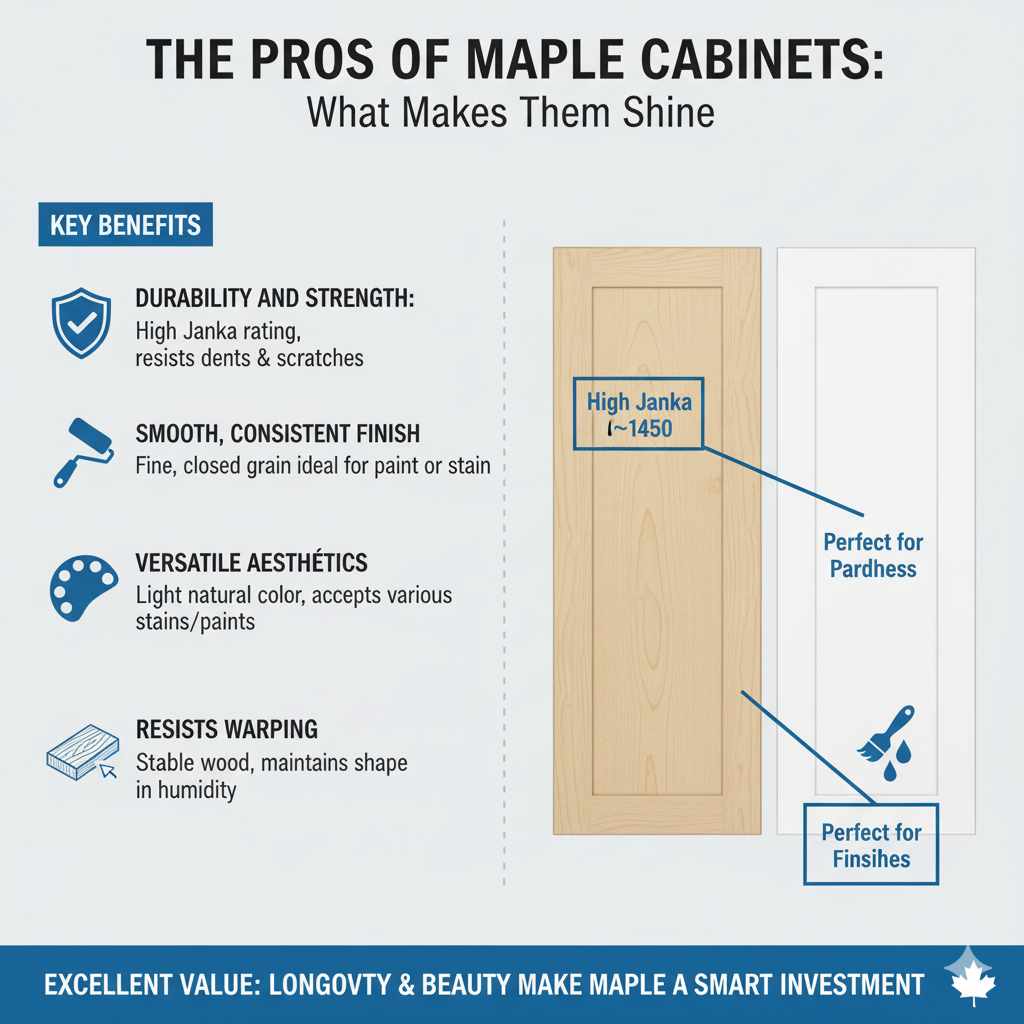
The Pros of Maple Cabinets: What Makes Them Shine
Let’s dive into why so many people love maple cabinets. They have a lot going for them, making them a smart choice for many homes.
Durability and Strength
This is one of the biggest wins for maple. As a hardwood, it’s significantly harder than softer woods like pine. This means it’s much less likely to get dents, scratches, or dings from everyday life. For a busy kitchen or a bathroom frequented by kids, this toughness is a real lifesaver. You can trust maple cabinets to keep looking good for a long time.
According to the Wood Database, hard maple has a Janka hardness rating of around 1,450, which is quite high and indicates excellent resistance to indentation.
Smooth, Consistent Finish
Maple has a very fine, closed grain pattern. This means it feels smooth to the touch and, more importantly, it creates a smooth surface for finishes. If you plan to paint your cabinets, maple is an ideal choice. The smooth canvas allows for a sleek, uniform paint job without the grain showing through too much. Even with stains, the fine grain provides a consistent look rather than a busy, irregular pattern.
Versatile Aesthetics
The natural light color of maple is a big plus. It brings a bright, airy feel to a room. This neutral base allows you to play with other design elements in your kitchen or bathroom. However, maple isn’t limited to light finishes. It’s also a great wood for staining. Whether you’re aiming for a classic cherry look, a rich walnut tone, or a painted finish in white, gray, or a bold color, maple is highly adaptable. This means your maple cabinets can evolve with your style over the years.
Resists Warping
Good quality maple lumber is generally stable. This means it’s less prone to expanding or contracting significantly with changes in humidity, which can cause other woods to warp or crack over time. This stability is crucial for cabinet doors and frames, ensuring they maintain their shape and function.
Value for Money
While not the absolute cheapest option, maple cabinets offer excellent value. Considering their durability, longevity, and the beautiful finishes they accept, they are a wise investment. They can last for decades, meaning you won’t need to replace them nearly as often as cabinets made from less robust materials.
The Cons of Maple Cabinets: Things to Consider
No material is perfect, and maple is no exception. Understanding the potential downsides can help you make a well-rounded decision.
Cost
Maple is a hardwood, and hardwoods are generally more expensive than softwoods. While they offer great value in the long run due to their durability, the initial purchase price of maple cabinets can be higher than options like thermofoil or laminate. However, it’s often comparable to or less expensive than premium hardwoods like cherry or walnut, making it a good mid-range option.
Can Be Dense and Harder to Work With
For DIYers looking to build their own cabinets or modify existing ones, maple’s density can be a challenge. It’s harder and denser than woods like pine, meaning it can be tougher on tools. Drilling, routing, and sanding can require sharper blades and more effort. If you’re planning a DIY project, be prepared with good quality tools.
Potential for Yellowing
Some types of maple, especially hard maple, can yellow or darken slightly over time, particularly when exposed to UV light (sunlight). This isn’t necessarily a bad thing, as it can deepen the color and add character. However, if you’ve chosen a specific light-colored finish, it’s something to be aware of. Using finishes with UV inhibitors can help mitigate this effect.
Stain Variation
While maple takes stain beautifully, the fine, uniform grain can sometimes lead to blotchiness if the wood isn’t prepared properly before staining. This is more common with certain types of stains, especially darker or richer colors. Using a pre-stain wood conditioner is highly recommended to ensure an even stain application. This is a common woodworking technique; you can learn more about proper wood preparation on resources like This Old House.
Maple Cabinet Finishes: How to Achieve Your Dream Look
The beauty of maple cabinets really shines through when you consider the finishes. Because of its smooth, non-porous surface, maple is incredibly versatile.
Painted Finishes
Maple is arguably one of the best woods for painted cabinets. The fine, uniform grain means you don’t get a lot of texture showing through the paint, giving you a smooth, furniture-like finish. Whites, grays, blues, greens – almost any color you can dream up looks fantastic on maple. This allows for a huge range of design possibilities, from classic farmhouse to modern sleek.
Stained Finishes
Maple can be stained to mimic the look of more expensive woods or to achieve a specific color. Whether you prefer a light, natural honey tone, a warm cherry, a deep espresso, or even a gray wash, maple can handle it. Remember that for consistent results, especially with darker stains, using a pre-stain conditioner is a must. This helps to even out the absorption of the stain across the wood.
Glazed Finishes
A glaze is a secondary finish applied over a base coat (paint or stain) and then partially wiped off. This technique adds depth, highlights details, and creates an aged or antique look. Maple’s smooth surface is perfect for holding a glaze, accentuating the details of cabinet doors and frames without the glaze getting lost in a coarse grain.
Natural/Clear Finishes
If you love the natural look of maple, a clear coat is a great option. This protects the wood while allowing its natural creamy color and subtle grain to show through. It provides a clean, bright, and timeless aesthetic. As mentioned, some clear coats contain UV protection to help maintain the original color longer.
Maple Cabinets vs. Other Popular Cabinet Woods
Understanding how maple stacks up against other common cabinet woods can help solidify your choice. Here’s a quick comparison:
| Wood Type | Average Janka Hardness (lbs) | Grain Pattern | Common Finishes | Cost Range (Relative) | Pros | Cons |
|---|---|---|---|---|---|---|
| Maple | 1450 (Hard Maple) | Fine, uniform, subtle | Paint, Stain, Glaze, Natural | $$ (Mid-Range) | Durable, smooth finish, bright look, stable | Can be pricier than softwoods, can yellow, stain needs care |
| Oak | 1290 (Red Oak) | Prominent, open, wavy | Stain, Natural | $ (Budget-Friendly to Mid-Range) | Durable, readily available, traditional look | Grain is very noticeable, can look dated to some, harder to paint smoothly |
| Cherry | 950 | Fine, smooth, can have wavy patterns | Stain, Natural | $$$ (Higher End) | Rich color that deepens beautifully, luxurious feel | More expensive, softer than maple/oak, sensitive to light changes (darkens significantly) |
| Hickory | 1820 | Varied, can be uniform or very wild with knots/color streaks | Stain, Natural | $$ (Mid-Range to Higher End) | Extremely durable (hardest common wood), unique character | Can be too rustic for some styles, highly variable appearance |
| Birch | 1260 | Fine, uniform, similar to maple but slightly more figure | Paint, Stain, Natural | $ (Budget-Friendly to Mid-Range) | Good hardness for price, smooth surface for paint, affordable | Can be prone to blotching with stain (needs conditioner), less dense than maple |
| Pine | 390-870 | Knotty, prominent grain | Paint, Stain (often with a tinted glaze) | $ (Budget-Friendly) | Affordable, classic rustic look | Very soft, easily dented/scratched, knots can bleed through paint |
A Note on Maple Varieties: Hard vs. Soft
When shopping, you might see “hard maple” (often referred to as sugar maple) and “soft maple.” Don’t let the name “soft maple” fool you completely – it’s still a hardwood and quite durable! However, hard maple is significantly denser and harder. For kitchen cabinets where maximum durability is desired, hard maple is usually the preferred choice. It offers the best resistance to dents and wear.
What to Look for When Buying Maple Cabinets
Once you’ve decided maple is the wood for you, here’s what to check to ensure you’re getting quality cabinets:
Construction Quality
Look at how the cabinets are put together. Are the joints dovetailed for drawers? This is a sign of quality construction and durability. Are the cabinet boxes made from solid wood or sturdy plywood, not particleboard? For doors and drawer fronts, check for solid maple or high-quality maple veneer. Ensure hinges are sturdy and adjustable.
Finish Application
Inspect the finish carefully. Is it smooth and even? Are there any drips, runs, or uneven patches? If it’s a painted finish, is the color consistent? If it’s stained, does it look blotchy or streaky? A good finish is crucial for both the appearance and the longevity of the cabinets. A professional finish will feel smooth to the touch and look flawless.
Door Style and Construction
Maple is used for a wide variety of door styles, from flat-panel (slab) for a modern look to raised-panel or Shaker styles for a more traditional feel. Ensure the style you choose complements your overall kitchen or bathroom design. For Shaker or paneled doors, ensure the center panel is solid maple or a well-matched veneer, and that it’s installed in a way that allows for natural wood movement.
Hardware
While not part of the cabinet wood itself, the hardware (knobs, pulls, hinges) significantly impacts functionality and aesthetics. Ensure the cabinets come with durable hardware or that you can easily replace it with your preferred style and finish.
Certifications and Warranties
Reputable manufacturers often have certifications related to quality or environmental standards. A good warranty can also offer peace of mind, protecting you against manufacturing defects. A warranty of 5-10 years is common and indicates the manufacturer stands behind their product.
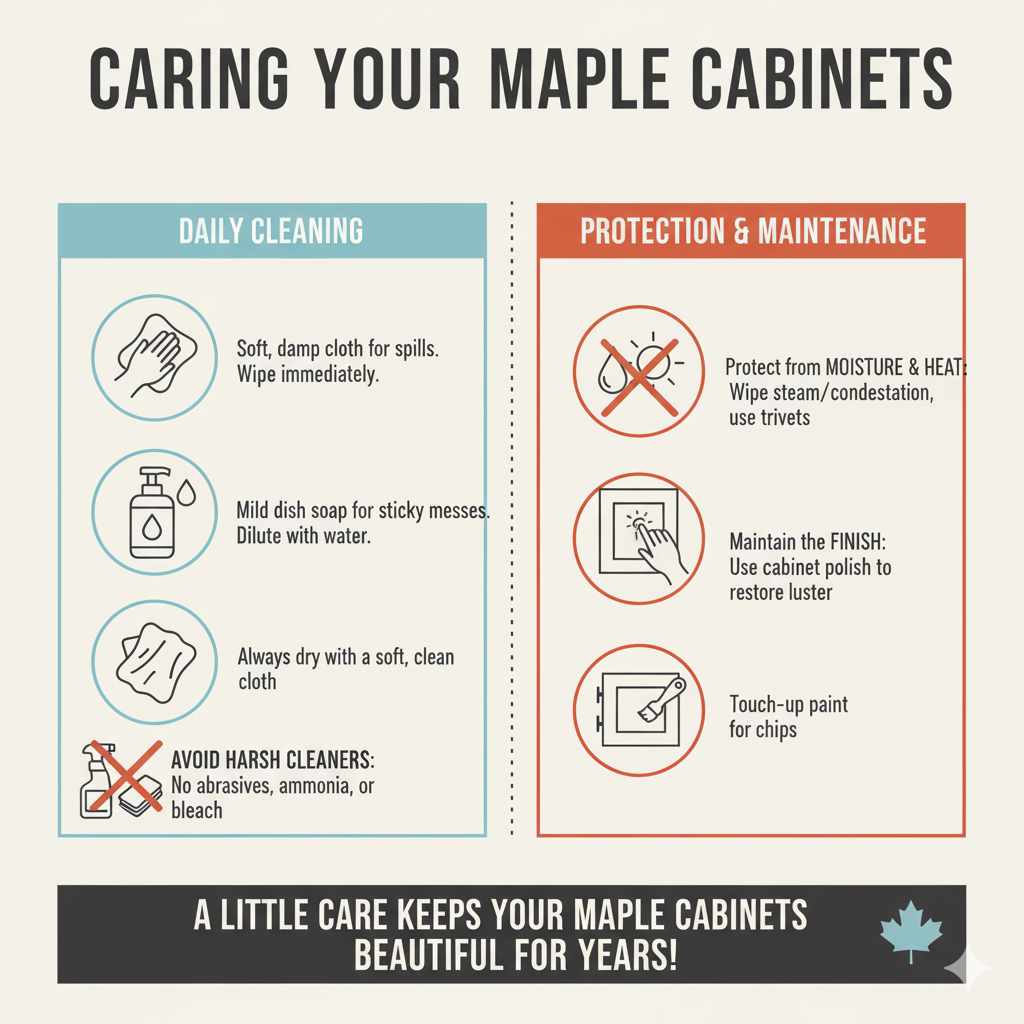
Caring for Your Maple Cabinets
Maple cabinets are relatively easy to care for, but a little attention will keep them looking beautiful for years.
Daily Cleaning
For everyday messes, a soft, damp cloth is usually all you need. Wipe up spills immediately, especially acidic ones like lemon juice or vinegar, as they can dull the finish over time. For sticky residues, a mild dish soap diluted in water can be used. Always wipe down with a clean, damp cloth afterward to remove any soap residue and then dry with a soft, dry cloth.
Avoid Harsh Cleaners
Never use abrasive cleaners, scouring pads, or harsh chemicals like ammonia or bleach on your maple cabinets. These can damage the finish, strip the color, or even etch the wood itself. Stick to gentle, pH-neutral cleaners specifically designed for wood or cabinet surfaces.
Protect from Moisture and Heat
While durable, excessive moisture and extreme heat can still be damaging. Be mindful of steam from the dishwasher or prolonged heavy moisture in bathrooms. Ensure your dishwasher is properly vented. Avoid placing heat-generating appliances directly against cabinet doors or drawers, and use trivets or pot holders for hot items. Wipe up any condensation promptly.
Maintain the Finish
Over time, the finish might lose a little bit of its sheen. You can use a recommended cabinet polish or cleaner-polish product to restore its luster. For painted cabinets, touch-up paint can be useful for minor chips or scratches.
Frequently Asked Questions About Maple Cabinets
Are maple cabinets a good investment?
Yes, maple cabinets are generally considered a good investment. Their durability, resistance to wear and tear, and timeless appeal mean they can last for decades, providing excellent value for money over time.
Are maple cabinets more expensive than oak?
Maple cabinets are often in a similar price range to oak, or slightly higher, depending on the specific grade, construction, and finish. Both are mid-range hardwoods. Oak might appear less expensive for basic stained finishes, but maple’s smoothest surfaces can make painted finishes more cost-effective to achieve a premium look.
Can maple cabinets be painted?
Absolutely! Maple is one of the best woods for painted cabinets. Its fine, uniform grain creates a smooth surface that provides a flawless, furniture-like finish when painted, without the grain texture showing through prominently.
Do maple cabinets stain well?
Maple takes stain very well, but it’s important to prepare the wood properly with a pre-stain wood conditioner. This helps to ensure the stain is absorbed evenly, preventing blotchiness and achieving a consistent color, especially with darker stains.
Are maple cabinets good for kitchens?
Yes, maple cabinets are excellent for kitchens. Their hard, dense nature makes them very durable and resistant to dents and scratches, which are common in busy kitchen environments. They also offer a bright, clean look that can make a kitchen feel more spacious.
What is the main drawback of maple cabinets?
One of the main drawbacks can be the initial cost, as hardwoods are generally more expensive than softer woods. Additionally, some types of maple can yellow or darken over time with exposure to UV light, though this is often considered a natural aging process that enhances the wood’s beauty.
How do maple cabinets compare to birch cabinets?
Both maple and birch are fine-grained hardwoods that take paint well and are relatively durable. Maple is typically harder and slightly more expensive than birch. Birch can sometimes be prone to blotching when stained if not conditioned. Both are great affordable hardwood options.