How Much Does a Black Walnut Tree Cost to Buy?
A larger black walnut container tree may cost roughly $150 to $600 or more. Mixing those up can mean overpaying for a yard tree or mispricing timber by thousands of dollars. This guide breaks down nursery prices, planting costs, and standing-timber value so you can compare the right kind of black walnut tree.
What you’re actually paying


Black walnut pricing splits into three very different markets: nursery stock, yard trees, and standing timber. A young tree bought to plant is priced for root quality, size, and transport. A mature tree in the ground may be priced for its appearance and transplantability. A standing tree is priced for wood volume and log grade.
Black walnut (Juglans nigra) is a native North American hardwood prized for durable, close-grained wood. Cabinet and furniture makers use it heavily. That wood value is why the same species can sell as a sapling, a yard tree, or a timber asset. The buyer sets the market.
What the price classes mean
- Nursery sapling: A small tree sold in a pot or bare-root bundle for planting.
- Yard tree: A larger container or balled-and-burlapped tree bought for immediate yard impact.
- Standing timber: A tree sold on the stump, usually priced through a timber buyer or forester.
How much does it cost to buy a black walnut tree?
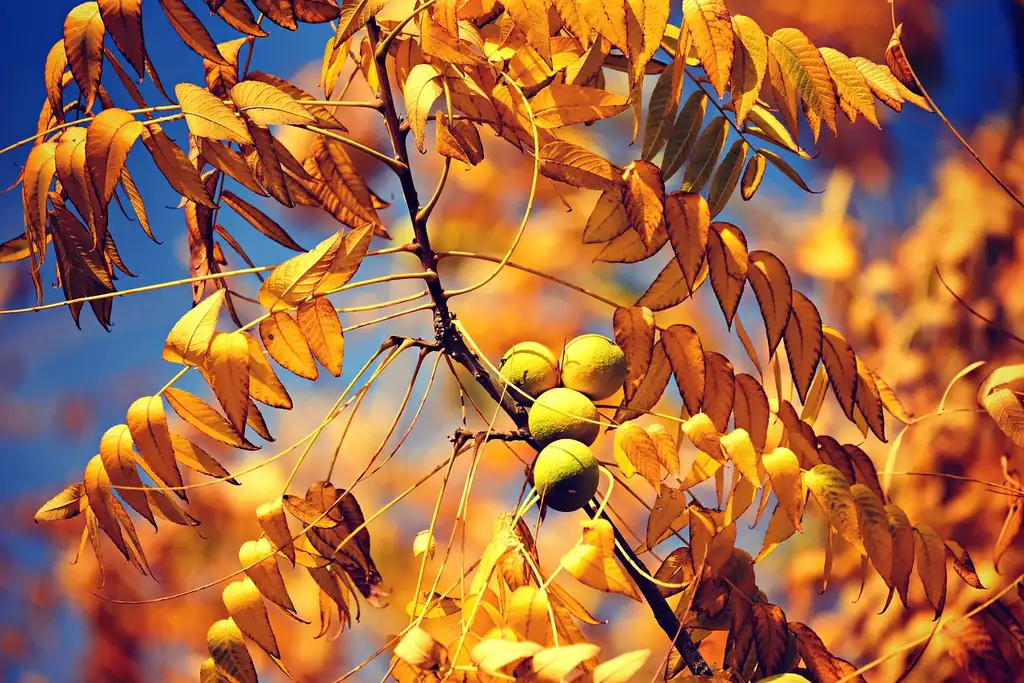
For planting, a small black walnut sapling often falls in the $25 to $150 range, while larger container or balled-and-burlapped trees can run $150 to $600 or more. Delivery, planting, staking, and watering usually add to the total. The bigger the tree, the more you pay for root mass, handling, and transplant risk.
Nursery stock and yard tree pricing
Smaller trees usually cost less because they are easier to produce, ship, and establish. Caliper, container size, root-ball size, and local delivery all affect price. A bare-root sapling costs less than a container-grown tree of the same species, but it also has a smaller transplant window and needs careful aftercare.
Larger yard trees cost more because moving them takes equipment and labor. The price is tied to trunk caliper, root-ball diameter, and whether the tree is grown in a container or field-dug for balled-and-burlapped sale. Nearby supply matters too. A larger tree may cost more simply because it is harder to source close to you.
Planting and establishment costs
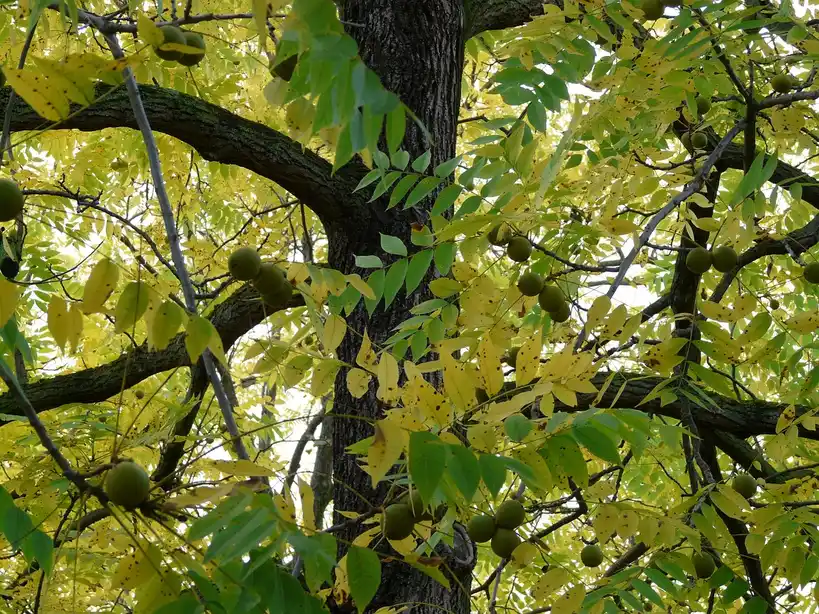
Buying the tree is only part of the bill. You may also need soil preparation, mulch, a stake set, irrigation, and follow-up watering through the first growing season. Black walnut fruits are about the size of a baseball, so placement matters if you are planting near patios, driveways, or areas where fallen fruit will be a nuisance.
Black walnut makes a good shade tree for larger properties, but it should be planted with long-term space in mind. Its roots can extend 50 feet or more from the trunk. That spread can matter near lawns, hardscape, septic areas, and utility corridors.
Why black walnut is priced by size and quality
Tree size matters, but the market does not reward height alone. Diameter at breast height, or DBH, is the key timber measure. Straightness, clear trunk length, and defect-free wood usually matter more than overall height. A tall tree with a short clear bole can be worth less than a shorter tree with a straighter, cleaner trunk.
DBH and caliper
DBH is measured at chest height and is the standard starting point for timber valuation. For nursery trees, caliper is often the more useful measure because buyers are comparing trunk thickness at the nursery sale stage. Larger diameter usually means higher value, but only if the trunk is straight and the wood is sound.
Clear trunk length and bole quality
The clear merchantable trunk, or bole, is the straight, knot-free section of the stem. For black walnut, the first 8 to 16 feet of the trunk often matters most. That length can determine whether the tree becomes veneer material, a better sawlog, or a lower grade log. Limbs, forks, and sweep shorten the usable section quickly.
Suppose a 24-inch DBH walnut has 14 feet of straight, clear bole. That tree may draw far more interest than a taller 24-inch tree that branches low at 6 feet. The second tree has more height, but less merchantable wood.
Why taller is not always better
Height helps only when the stem stays straight and clear. A black walnut can commonly grow to 50 feet or taller, and some black walnuts can exceed 100 feet in height. Yet a tree’s usable wood depends on the stem quality inside that height. A tall crown does not fix a forked trunk or low branch stubs.
How much is a full grown black walnut tree worth?
A full grown black walnut tree can be worth very different amounts depending on whether you mean stumpage or delivered log value. A typical yard or lawn walnut may be worth $50 to $300 standing. A straight, clear forest walnut can be worth a few hundred to about $1,000 to $1,500. An exceptional veneer tree may be worth $2,000 or more standing.
Stumpage versus delivered log price
Standing-tree value, or stumpage, is what a landowner receives for the tree on the stump. Delivered log price is what logs bring after felling, bucking, hauling, and milling. Those numbers are not the same. A veneer walnut log listed at $3,125 to $8,000 per MBF is a delivered-log figure, not a stumpage payment.
Log grades and price gaps
Log grade controls price. Veneer logs bring the most because they need long, clean faces and minimal defects. F1, F2, and F3 grades cover progressively lower quality sawlogs. Knots, sweep, rot, and short clear faces reduce grade fast. A tree can drop from veneer potential to a far lower class with one defect in the wrong place.
Picture a 30-inch DBH walnut on a farm edge with a straight 16-foot bole and no visible defects. That tree may attract a very different offer than a 30-inch walnut in a yard with low branches, a split leader, and a short clear stem. Same species. Different buyer.
What makes a black walnut tree valuable?
Black walnut is valuable because the wood is prized for furniture and veneer, and because quality logs are scarce. Value rises with DBH, straightness, clear trunk length, and sound wood. It falls when the trunk has forks, sweep, knots, rot, or hidden metal. Site conditions also affect what buyers will pay.
Yard trees versus forest-grown trees
Yard trees and lawn trees often branch low and carry more defects from pruning, impact, or lawn equipment. Forest-grown trees often self-prune higher and develop straighter boles. That difference matters. A yard tree can still be valuable, but it often has a shorter clear merchantable section and a higher chance of contamination or decay.
A giant black walnut tree in Ontario was estimated at about 150 years old. That tree stretched over 100 feet across the front yard and was about 70 feet tall. A tree like that can be impressive as a yard feature, but size alone does not guarantee a high timber offer.
When a full grown tree is a liability
A mature walnut can become a removal candidate instead of an asset if it is too close to a house, driveway, septic system, or overhead lines. A large tree may also drop heavy fruit, shed limbs, or interfere with mowing and access. In those cases, the owner may face removal cost instead of sale value.
Black walnut tree comparison table
Use this table to separate the three markets. Nursery prices apply when you are buying a tree to plant. Yard tree prices apply when you want a larger tree installed for immediate effect. Standing-tree value applies when you are pricing timber on the stump, usually by DBH, bole quality, and grade.
| Price class | What you are paying for |
|---|---|
| Nursery sapling: about $25 to $150 | Small container or bare-root planting stock; applies to a buyer planting a young tree with limited trunk size and lower handling cost. |
| Balled-and-burlapped yard tree: about $150 to $600 or more | Larger transplanted tree with more caliper and root mass; applies to a buyer wanting a developed yard tree, plus delivery, planting, staking, and watering. |
| Standing-tree stumpage: about $50 to $300 for a typical yard walnut; a few hundred to $1,000 to $1,500 for a straight, clear forest walnut; $2,000 or more for exceptional veneer trees | Timber value on the stump; applies to a landowner selling a standing tree for sawlogs or veneer, where DBH, clear bole length, and grade control the offer. |
What can lower the price or block a sale?
Hidden metal can reduce or wipe out mill interest. Nails, fence staples, swing hardware, and other embedded items are common risks in yard trees. Many buyers avoid trees with contamination because metal can damage saws and ruin veneer potential. Other defects such as forks, seams, rot, and heavy sweep can also push the tree into a lower grade.
Metal and defect checks
- Look for old fence lines, nails, wire, hooks, and playground hardware.
- Check the trunk for forks, ribs, cracks, and obvious decay.
- Estimate the straight, clear bole from ground level to the first major limb.
- Ask whether the tree has ever been trimmed with hardware left in place.
- Confirm whether access allows logging equipment to reach the tree safely.
Site history and access
A tree in a tight backyard may be less saleable than a similar tree in a field because felling, skidding, and hauling are harder. Access limits can erase timber interest even when the species and diameter look good on paper. A buyer will discount for risk, cleanup, and the extra work needed to remove the tree without damage.
How to decide whether you should buy, plant, or sell
If you are shopping at a nursery, focus on root condition, caliper, and aftercare costs. If you are looking at a yard tree, compare delivery and planting costs against the time saved. If you are assessing a standing tree, ignore nursery pricing and look at DBH, clear bole length, grade, and possible defects.
For timber, a tree with a clean first 8 to 16 feet and few defects deserves a different look than a yard tree with low branches and hardware in the stem. For planting, a smaller tree can be the smarter purchase because establishment is easier and failure risk is lower. The right answer depends on the market and the buyer, not just the species.
Frequently asked questions
How much do black walnut trees cost?
That depends on the market. Nursery trees are priced as planting stock. Yard trees cost more because they are larger and harder to move. Standing timber is priced by DBH, bole quality, and grade. The same black walnut can fall into any of those categories.
How much is a black walnut tree worth?
A typical yard or lawn walnut may be worth $50 to $300 standing. A straight, clear forest walnut can be worth a few hundred to about $1,000 to $1,500. Exceptional veneer trees can be worth $2,000 or more standing. Those figures apply to timber value, not nursery price.
Are yard-grown black walnut trees worth less than forest-grown trees?
Often yes. Yard trees usually branch low and may have shorter clear trunks, more pruning scars, and a higher chance of hidden metal. Forest-grown trees more often self-prune and keep straighter boles. That difference can move a tree from veneer interest to ordinary sawlog value or less.
Yes. Metal contamination, forks, sweep, rot, and short clear faces can lower value sharply or stop a sale altogether. Mills may reject a tree or discount it heavily if they suspect nails, fence staples, or other embedded hardware. Defects affect grade, and grade affects price.
Sponsored / affiliate links. As an Amazon Associate I earn from qualifying purchases. I may earn additional commission from eligible campaigns.