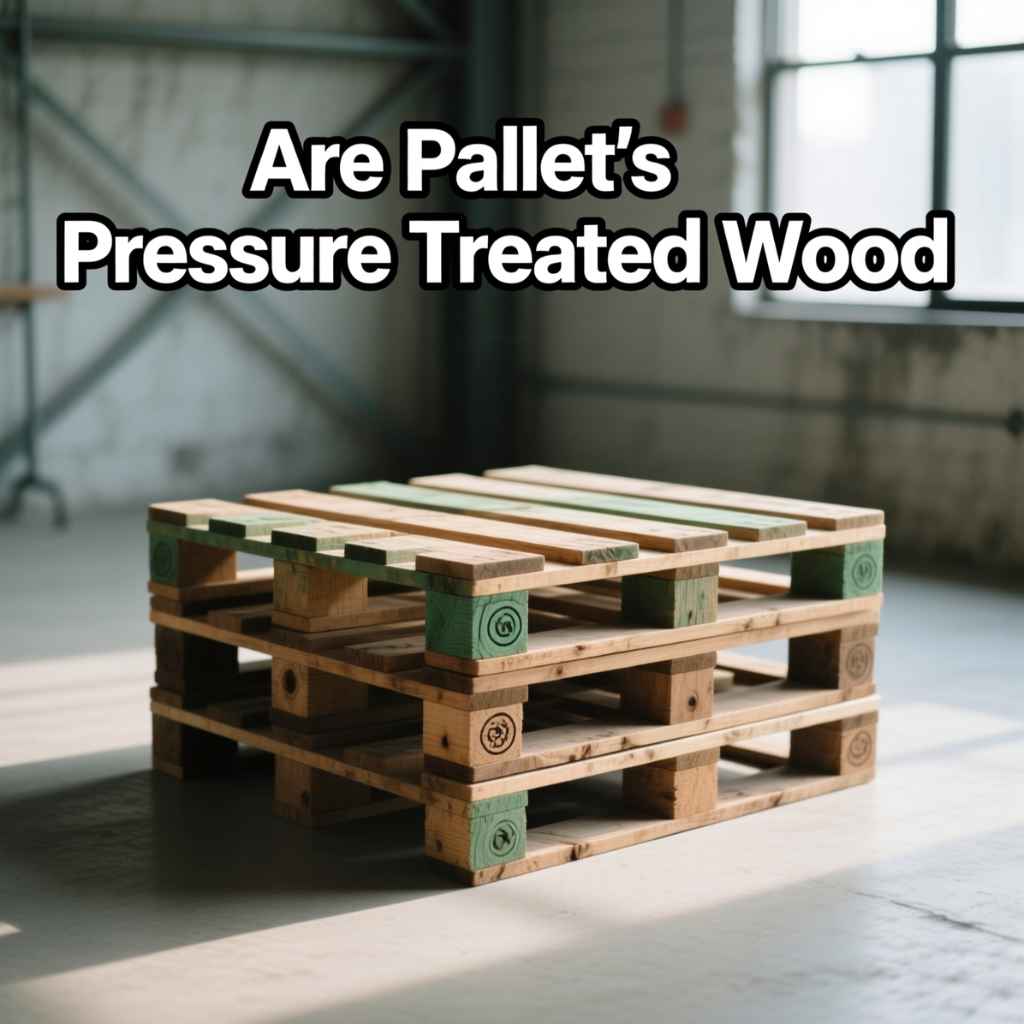
Are Pallets Pressure Treated Wood?
People often wonder, Are Pallets Pressure Treated Wood? This is a common question, especially when you’re new to DIY projects or looking to reuse materials. It can be a bit confusing because not all pallets are the same, and knowing the difference is key to using them safely.
Don’t worry, we’ll make it simple and easy to figure out. We’ll go step-by-step to help you understand this clearly so you can use your pallets with confidence. Let’s get started!
Understanding Pallet Wood Treatment
Pallets are the workhorses of shipping and logistics. They’re designed to carry heavy loads efficiently. Because of this, how they are treated is important for their durability and safety.
Understanding pallet treatments helps you choose the right ones for your projects and avoid potential issues. This section breaks down what pressure treating means for wood and why it’s used.
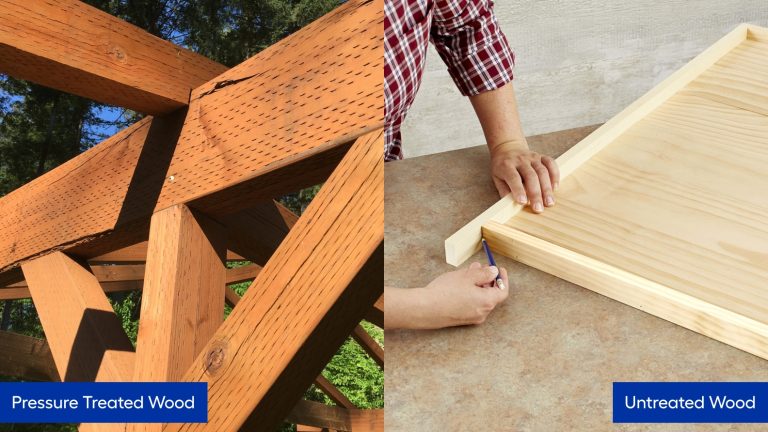
What is Pressure Treated Wood?
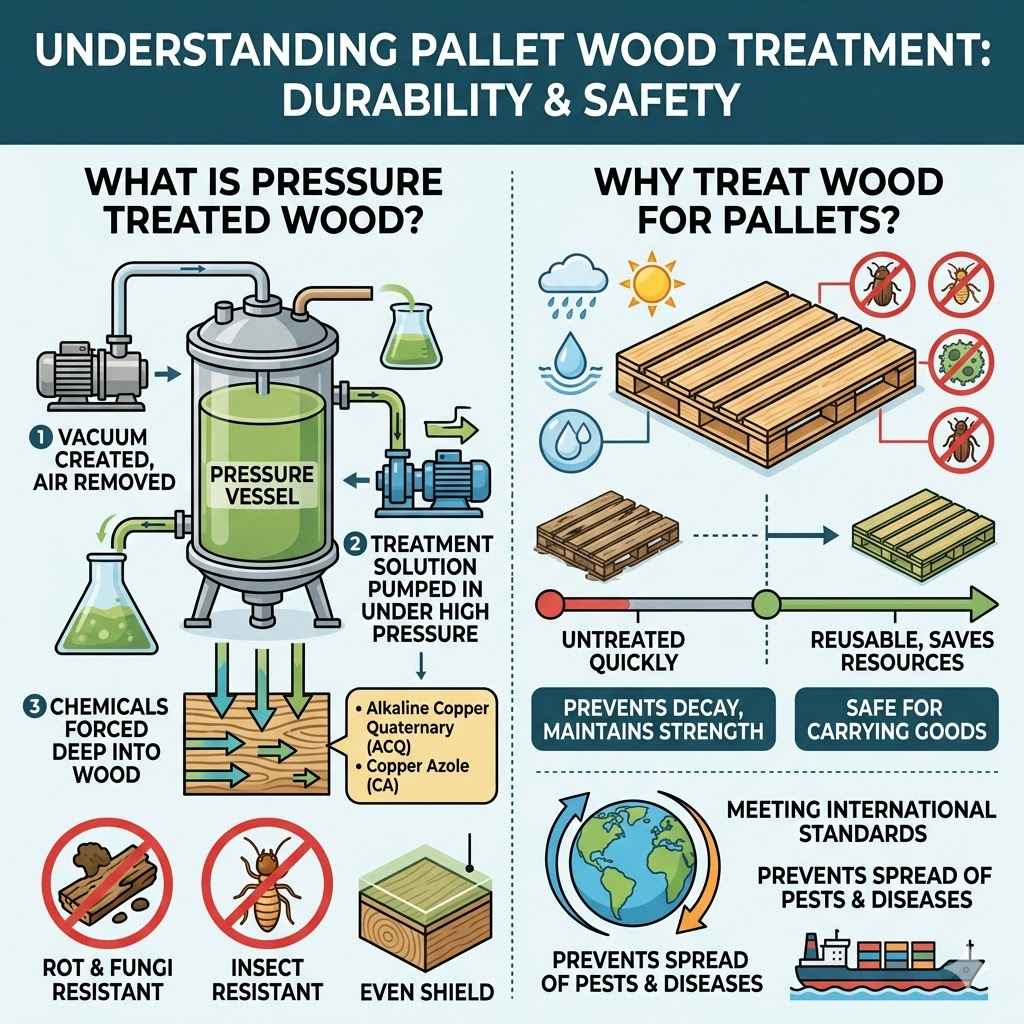
Pressure treating wood is a process that forces chemicals deep into the wood fibers. This is done in a special large container called a cylinder. Air is pumped out of the cylinder first, creating a vacuum.
Then, the treatment solution is pumped in under high pressure. This pressure pushes the chemicals further into the wood than regular soaking could.
These chemicals protect the wood from things like rot, fungi, and insects. This makes the wood last much longer, especially when it’s used outdoors or in damp environments. Common chemicals used include alkaline copper quaternary (ACQ) and copper azole (CA).
The process ensures even protection throughout the wood, not just on the surface. This is crucial for structural integrity and longevity. Think of it like giving the wood a super shield against nature’s attackers.
Why Treat Wood for Pallets?
Pallets often travel long distances and are exposed to various weather conditions. They can also be stored in places where pests or moisture are a problem. Without treatment, wood can quickly start to decay.
This would make the pallets unsafe for carrying goods and reduce their lifespan significantly.
Treating wood helps prevent these issues. It keeps the wood strong and reliable. This is important for businesses that depend on pallets for their supply chains.
It also means pallets can be reused more times, saving resources.
The treatment also helps to meet certain standards for shipping and handling. Some regulations require wood to be treated to prevent the spread of pests or diseases. This is especially true for wood being shipped internationally.
Are Pallets Pressure Treated Wood Yes Or No
This is the big question for many! To answer directly, some pallets are pressure treated, but many are not. The type of treatment a pallet receives depends on its intended use and origin.
Learning to identify treated pallets is a key skill for anyone working with them. We will explore how to tell the difference.
Identifying Pressure Treated Pallets
One of the easiest ways to tell if a pallet is pressure treated is to look for a stamp. This stamp is usually burned or printed onto the wood. It often contains codes that tell you about the pallet’s treatment.
For example, the “HT” stamp means the pallet was heat treated, not chemically treated.
Pallets stamped with “MB” indicate they were treated with methyl bromide, a fumigant. This is less common now due to environmental concerns. If you see a pallet with the letters “PT” on it, it’s a strong sign that it has been pressure treated with chemicals.
You can also sometimes tell by the appearance or smell. Pressure treated wood often has a greenish tint, though this can fade over time. Some people notice a distinct chemical smell, but this is not always reliable.
Always look for official stamps first.
Common Pallet Treatments Explained
There are several ways pallets are treated. The most common are heat treatment and chemical treatment. Heat treatment (HT) involves baking the wood in an oven to kill pests and diseases.
This is a safe and environmentally friendly method.
Chemical treatment can involve fumigation, like with methyl bromide (MB). However, this is being phased out. Pressure treating (PT) is another chemical method that forces preservatives into the wood under high pressure.
This provides long-lasting protection against decay and insects.
Untreated pallets are also common. These are often used for domestic shipping where the risk of pest spread is lower. They are generally safe for many indoor projects but may not last as long outdoors.
The Importance of Pallet Markings
Pallet markings are crucial for understanding their history and treatment. International standards, like those set by the International Plant Protection Convention (IPPC), require certain markings for wooden packaging materials. These markings help ensure that wood is safe for international trade and doesn’t spread pests.
The IPPC mark, often called the “wheat stamp,” signifies compliance with international phytosanitary measures. It usually includes a country code, a producer’s registration number, and a treatment method code. Knowing these codes helps you understand if a pallet has undergone specific treatments.
For example, “HT” indicates heat treatment, and “MB” indicates methyl bromide fumigation. If a pallet lacks any markings or has a stamp that seems unclear, it’s best to err on the side of caution. You might want to assume it’s untreated or inquire about its origin if possible.
Safety And Usage Considerations For Treated Pallets
When you’re thinking about using pallets, especially for projects where people or food might come into contact with them, safety is paramount. Pressure treated wood contains chemicals that are designed to preserve the wood. However, these chemicals can pose risks if not handled properly.
Understanding these risks helps you make informed decisions.
Potential Health Risks
Historically, some wood treatments, like those using chromated copper arsenate (CCA), contained arsenic. Arsenic is a toxic substance. While CCA is no longer used for most residential lumber, it might still be found in older treated wood.
Exposure to arsenic can be harmful.
Modern pressure treatments, like ACQ and CA, use copper-based chemicals. These are generally considered safer than older arsenic-based treatments. However, direct contact with the chemicals or inhaling dust from sawdust from treated wood can still cause skin irritation or respiratory issues for some people.
It’s important to avoid burning pressure treated wood, as this can release toxic fumes into the air. Also, be cautious about using treated wood in vegetable gardens or children’s play areas where direct contact and ingestion of soil are more likely.
Best Practices for Handling
When handling any pallet, it’s a good idea to wear gloves. This protects your hands from splinters and potential chemical residues. If you are cutting or sanding pressure treated wood, wear a dust mask.
This prevents you from inhaling the treated sawdust.
Wash your hands thoroughly after handling treated wood, especially before eating or drinking. If you plan to use treated wood for indoor furniture or items that will have a lot of contact with people, consider sealing it with a non-toxic finish. This creates a barrier between the wood and your skin.
Always dispose of treated wood scraps responsibly. Do not burn them in open fires or home fi
When To Avoid Pressure Treated Pallets
There are specific situations where you should avoid using pressure treated pallets. If you plan to grow edible plants, like vegetables or herbs, it’s best to use untreated wood or specifically designated food-safe materials. The chemicals in treated wood can leach into the soil and then into your plants.
For children’s play structures, such as sandboxes or wooden playhouses, untreated wood is also the safer choice. While modern treatments are less toxic, it’s still wise to minimize children’s exposure to any chemicals. Direct, prolonged contact should be avoided.
If you are creating furniture that will be used for sleeping or prolonged contact, especially for children or those with sensitivities, opting for untreated or safely sealed wood is recommended. Always consider the end use and potential exposure levels.
Alternatives To Pressure Treated Pallets
If pressure treated pallets aren’t the right fit for your project, or if you want to be extra cautious, there are several alternatives. These options offer different benefits depending on your needs. You can find pallets that are treated in ways that are considered safer or completely untreated options.
Heat Treated Pallets (HT)
Heat treated pallets are a very popular and safe alternative. These pallets are placed in a kiln or oven and heated to a core temperature of at least 133°F (56°C) for at least 30 minutes. This process effectively kills any insects, larvae, or pathogens that might be present in the wood.
The “HT” stamp on a pallet signifies that it has undergone this heat treatment. This is an environmentally friendly method, as it does not involve any chemicals. Heat treated pallets are widely accepted for international shipping because they meet phytosanitary regulations.
They are excellent for many DIY projects, furniture making, and general use. Since they don’t contain chemical preservatives, they are often preferred for projects where children or pets will be around, or for items that will be in direct contact with food or skin.
Untreated Pallets
Many pallets are used without any form of chemical or heat treatment. These are often referred to as “natural” or “virgin” pallets. They are typically made from wood that is locally sourced and used for domestic shipping.
Untreated pallets are generally safe for many indoor projects. However, they are more susceptible to rot, mold, and insect infestation over time, especially if exposed to moisture or damp conditions. Their lifespan might be shorter compared to treated or heat-treated options.
If you find untreated pallets, they can be a great source of free or low-cost material. Just be mindful of their limitations. For projects that will be outdoors or in humid environments, you might need to apply a protective sealant or finish to extend their life.
Recycled And Reclaimed Pallets
Recycled or reclaimed pallets are those that have been used and then refurbished or repurposed. These can be a sustainable choice, giving old materials new life. They are often inspected and repaired to ensure they are still functional.
The treatment of recycled pallets can vary. Some may have originally been heat-treated or chemically treated. Others might be untreated.
It’s important to try and find out the origin and any previous treatment if possible. Look for the markings discussed earlier.
Using reclaimed pallets can be a fantastic way to be eco-friendly. They often have a rustic charm that many people love for furniture and decor. Just apply the same safety considerations as you would for any pallet based on its known treatment or lack thereof.
DIY Projects With Pallet Wood
Pallet wood is a popular material for DIY projects because it’s often readily available and inexpensive. Its rustic charm makes it perfect for furniture, decor, and various crafts. Knowing whether your pallet wood is pressure treated is crucial for choosing the right projects and ensuring safety.
Choosing Pallets For Your Project
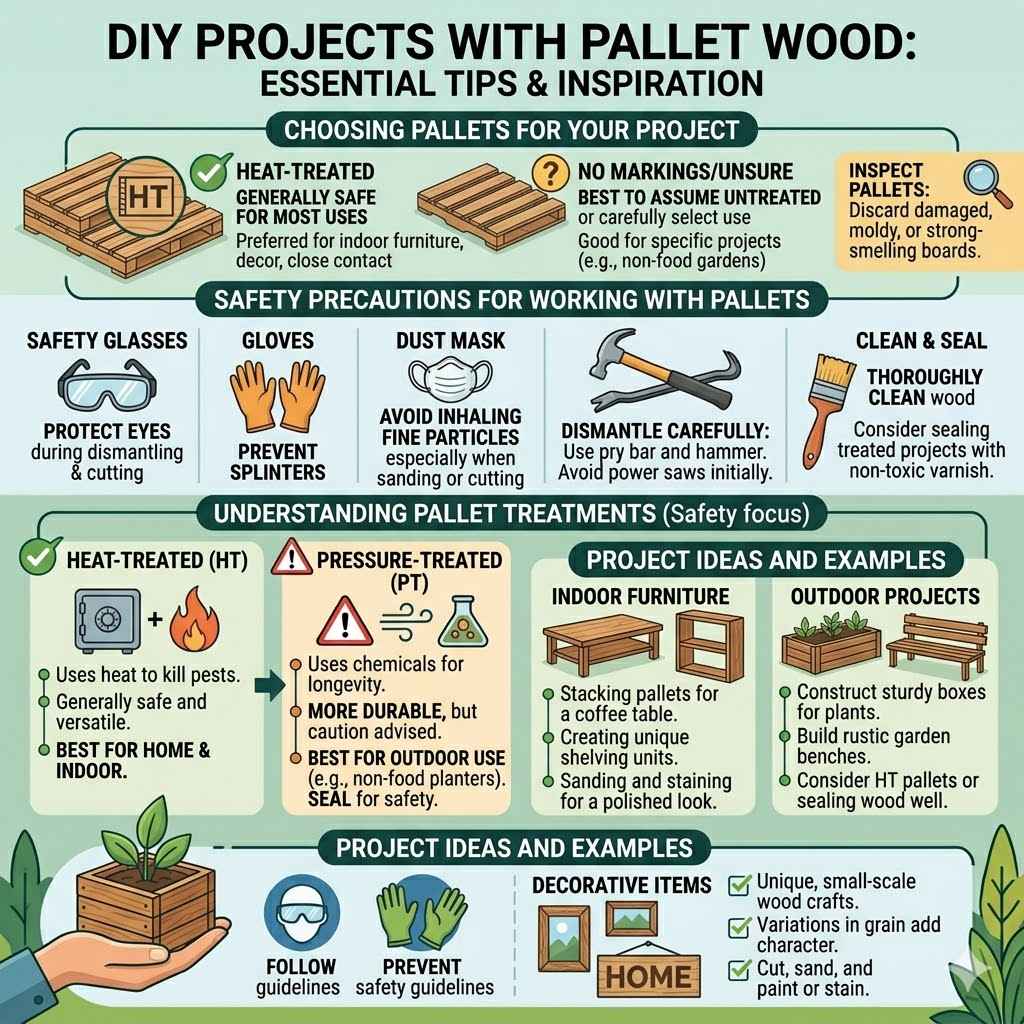
When selecting pallets for a DIY project, always check for markings. If you see “HT,” the pallet is heat-treated and generally safe for most uses. If there are no markings or you’re unsure, it’s best to assume it’s untreated or consider its intended use.
For indoor furniture, decorative items, or anything that will be in close contact with people, heat-treated or untreated pallets are preferred. If you are building something for outdoor use, like a planter box or garden bench, pressure-treated wood might offer better longevity, but you need to be aware of safety guidelines.
Always inspect pallets for damage, like broken boards or rot. Discard any pallets that appear moldy or have a strong, unpleasant chemical smell that you cannot identify.
Safety Precautions For Working With Pallets
Regardless of the pallet’s treatment, always wear safety glasses when dismantling or cutting pallet wood. Gloves are also a good idea to protect your hands from splinters and rough edges. If you are sanding or cutting treated wood, wear a dust mask to avoid inhaling fine particles.
When dismantling pallets, use a pry bar and hammer carefully. Avoid using power saws initially, as nails can be hidden and damage blades. Once the boards are separated, you can remove any remaining nails with pliers.
Clean the pallet wood thoroughly before use. A stiff brush can remove dirt and debris. If you’ve determined the pallet is pressure treated and are concerned about contact, consider sealing the finished project with a non-toxic varnish or paint.
Project Ideas And Examples
Pallet wood is incredibly versatile. You can create coffee tables, shelves, headboards, and even entire accent walls. For instance, a simple coffee table can be made by stacking and securing a few pallet sections.
Sanding and staining can give it a polished look.
Garden planters are another popular project. You can disassemble a pallet and use the boards to construct sturdy boxes for your plants. For outdoor use, consider using HT pallets or sealing untreated wood well.
Another idea is creating a rustic picture frame or a decorative sign. Small pieces of pallet wood can be cut, sanded, and painted or stained to create unique home decor items. The variations in wood grain and color add character.
Frequently Asked Questions
Question: How can I tell if a pallet is safe for my vegetable garden?
Answer: For a vegetable garden, it’s best to use pallets that are marked “HT” for heat-treated or are clearly labeled as untreated. Avoid any pallets with chemical treatment stamps like “MB” or “PT” as the chemicals might leach into the soil and your plants.
Question: What does the “HT” stamp on a pallet mean?
Answer: The “HT” stamp on a pallet means it has been heat-treated. This process involves heating the wood to a specific temperature to kill pests and diseases without using chemicals. It’s considered a safe treatment for most purposes.
Question: Can I burn pallet wood for heat?
Answer: It is not recommended to burn pallet wood, especially if you suspect it is pressure treated. Burning treated wood can release toxic chemicals and harmful fumes into the air. Only burn untreated wood if you are certain of its origin and treatment.
Question: Are all wooden pallets treated with chemicals?
Answer: No, not all wooden pallets are treated with chemicals. Many pallets are heat-treated (HT), and a significant number are left untreated, especially those used for domestic transport. The treatment depends on the pallet’s intended use and shipping regulations.
Question: What should I do if I’m unsure about a pallet’s treatment?
Answer: If you are unsure about a pallet’s treatment, it’s safest to treat it as if it were untreated or chemically treated, depending on the intended use. For projects involving direct contact with food, children, or gardens, it’s best to find a pallet with clear “HT” markings or one confirmed to be untreated.
Summary
Knowing whether pallets are pressure treated wood is essential for safe and successful projects. Most pallets are either heat-treated (HT) or untreated. Pressure-treated (PT) pallets are less common for general reuse due to chemical preservatives.
Always look for the IPPC stamp (HT, MB, or PT) to understand the treatment. For projects involving food, gardens, or children, opt for HT or untreated pallets. Safe handling, including wearing gloves and a mask when needed, protects you from splinters and potential residues.