How Much Does It Cost to Install Ash Hardwood Flooring?
Ash hardwood flooring installation usually costs about $10 to $20 per square foot installed, with many projects landing around $12 to $16 per square foot once materials, labor, prep, and trim are included. Skip prep or miss add-ons, and the final bill can jump by hundreds or even thousands after subfloor fixes, removal, or stair work are added. This guide breaks down a realistic ash-floor quote into material, labor, prep, and hidden line items so you can estimate your own total.
Typical cost range
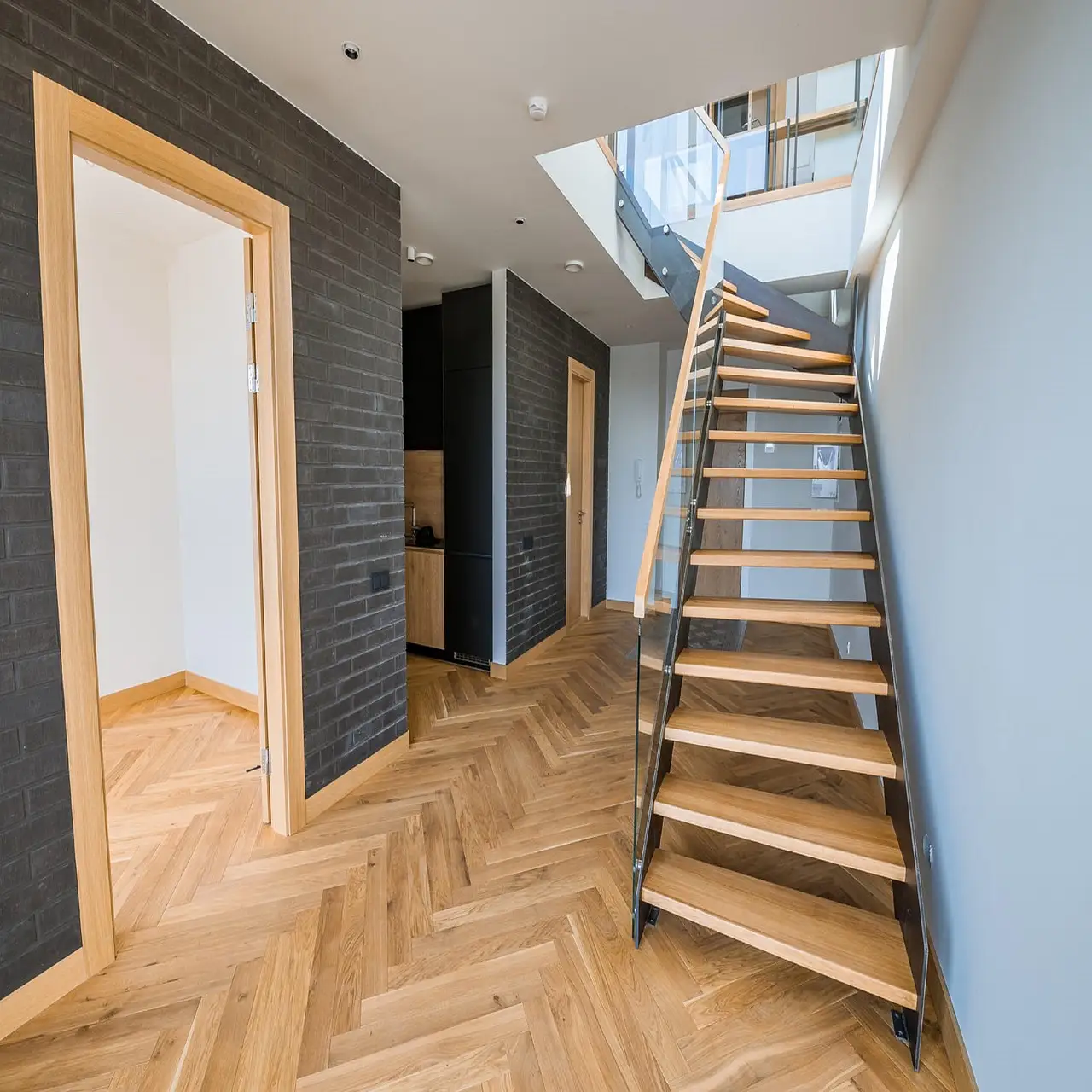
Ash hardwood flooring usually falls in the same broad installed range as other hardwoods, but the quote changes fast once you separate materials from labor and site work. A realistic installed budget is about $10 to $20 per square foot, and some hardwood estimates are reported in a lower range of about $4 to $9 per square foot or a broader installed range of about $6 to $18 per square foot.
For ash itself, one price list puts ash at $5 to $6 per square foot, while white ash is listed at $9 to $13 per square foot. That is why one “installed range” can mislead. A small, prefinished room with a flat subfloor can land near the low end. A humid-room replacement with removal, repairs, and finish work can move far above it.
Most installer quotes should spell out the boards, labor, underlayment, removal, trim, and finish. If they do not, ask for each line item before you compare bids. A quote that looks low can rise quickly once the missing scope is added back in.
Ash flooring cost worksheet
| Line item | Low per sq ft | Typical per sq ft | High per sq ft |
|---|---|---|---|
| Ash planks | $5.00 | $6.00 | $13.00 |
| Underlayment | $0.50 | $1.00 | $1.50 |
| Labor | $3.00 | $6.00 | $12.00 |
| Removal and haul-away | $0.00 | $2.00 | $4.00 |
| Subfloor repairs | $0.00 | $1.00 | $3.00 |
| Trim and transitions | $0.50 | $1.50 | $2.50 |
| Finish | $0.50 | $1.50 | $4.00 |
| Total per sq ft | $9.50 | $19.00 | $40.00 |
This worksheet is meant to show how a quote breaks apart, not to promise one universal price. The low column fits a simple room with prefinished boards and minimal prep. The typical column fits a normal replacement job. The high column fits a difficult project with premium boards, more repair, and a heavier finish scope.
| Room size | Low total | Typical total | High total |
|---|---|---|---|
| 100 sq ft | $950 | $1,900 | $4,000 |
| 250 sq ft | $2,375 | $4,750 | $10,000 |
| 500 sq ft | $4,750 | $9,500 | $20,000 |
| 1,000 sq ft | $9,500 | $19,000 | $40,000 |
For a closer market check, Bob Vila gives a 500-square-foot installation estimate of around $3,000 to $6,000, while also noting that high-end hardwood jobs can run as high as $13 to $25 or more per square foot. That gap is the warning sign: ash can be affordable, but the final bill depends on scope, not just species.
What drives the total install price?
Species, grade, board width, and layout pattern move the price more than many homeowners expect. Solid ash, engineered ash, prefinished boards, unfinished boards, wide planks, herringbone, and parquet all change the labor time and the materials budget. The same room can produce very different quotes if one installer prices a simple straight lay and another prices a patterned floor with field cuts.
Species, grade, and board width
White ash usually sits above basic ash stock and can also sit above some oak bids, depending on grade and source. Home Decor Shop lists white ash at $9 to $13 per square foot, red oak at $8 to $13 per square foot, and hickory at $6 to $13 per square foot. In practice, ash often lands in the middle of the hardwood market rather than at the bottom.
Board grade and plank width move the cost as well. Clearer grades cost more, while wider planks use larger stock and can need more careful installation. Patterned layouts add still more labor. Herringbone and parquet both require extra layout time, more waste, and more cutting, so they rarely price like a straight plank run.
Solid versus engineered ash
Solid ash usually makes sense when you want the longest service life and the option to refinish later. Engineered ash can fit projects where dimensional stability matters more, such as rooms with changing humidity or installs over approved subfloors. The engineered choice may lower some costs tied to movement control and installation prep, but the savings vary by thickness, wear layer, and plank format.
Do not assume engineered always means cheap. A premium engineered ash floor can still price near or above solid ash if the wear layer is thick, the finish is upgraded, or the board width is large.
Prefinished versus unfinished
Prefinished ash usually lowers labor and keeps dust lower because the boards arrive finished. Unfinished ash adds sanding, staining if chosen, and site-applied coating. That extra work can raise labor and material costs, and it also adds cure time before the room is ready.
Suppose your 250-square-foot dining room gets unfinished ash instead of prefinished ash. The boards may still look similar on day one, but the schedule and total will not. You will usually pay more for coating and finish labor, and the room will stay out of service longer.
Is white ash pricier than oak or hickory flooring?
White ash is often priced near the upper half of common hardwood options, and it can be more expensive than many oak or hickory bids. Home Decor Shop lists white ash at $9 to $13 per square foot, compared with red oak at $8 to $13 and hickory at $6 to $13. Exact quotes still depend on grade, width, and supply.
White ash is commonly chosen for floors because it has a clean grain and a lighter tone that takes stain well. It is often used where a homeowner wants a clear, open look without going to maple’s tighter grain or to a darker species. That visual appeal can push it into a higher bid bracket.
When another species costs less, it is often because the supplier has more stock on hand, the grade is lower, or the board format is simpler. Ask for the same thickness, width, and finish level when you compare species. Otherwise the quote comparison is not clean.
How much does labor add to hardwood floor installation?
Labor is a major part of the bill, not a small add-on. Hardwood floor installation labor can range from $6 to $12 per square foot, and Bob Vila says professionals often charge between $6 and $12 per square foot. Some guides split materials and labor differently, with labor listed at $3 to $8 per square foot.
Hourly pricing is common for repair-heavy jobs, but fixed per-square-foot bids are common for open, repeatable spaces. Hourly pricing can help on small or uneven jobs, yet it can also climb if the subfloor needs correction. A fixed bid is easier to budget, but only if the scope is clear.
Region matters too. Labor rates usually rise where housing demand is higher or where installers are in short supply. A flat room on the first floor may price lower than a second-floor install with stair access and more setup time.
Subfloor repairs and site conditions
Subfloor repairs can add meaningful cost before a single plank goes down. Home Decor Shop says subfloor repairs can add $400 to $800 to the project. Moisture problems, rot, soft plywood, uneven seams, and damaged joists can all push that number higher.
Moisture testing can also add to the bill, especially in basements, slab-on-grade homes, or humid climates. A flat, dry subfloor keeps the install closer to the base labor range. A floor that needs flattening or patching does not.
Do removal and extras change the quote?
Yes. Removal, disposal, underlayment, trim, and transitions can all change the total by a lot. Old carpet is usually cheaper to remove than tile, and old hardwood can be cheaper than tile but still costly if fasteners, glue, or subfloor damage are present. Disposal fees matter too, because haul-away is often billed separately.
Removal and haul-away
Carpet removal is usually the lightest scope. Tile removal tends to cost more because of labor, dust, and disposal weight. Old hardwood removal sits between the two in many bids, especially if the installer must also remove adhesive or nails.
A common first-timer mistake is to compare a “new floor only” quote against a “remove and replace everything” quote. Those are not the same job. If the installer is expected to tear out the old floor, level the substrate, and dispose of debris, the price should reflect that full scope.
Underlayment, trim, and transitions
Underlayment may be included in some quotes, but not all. Its role is to smooth minor imperfections, reduce noise, and provide a barrier or cushion depending on the product. If the quote does not say it is included, budget extra per square foot for material and labor.
Trim, transitions, thresholds, and baseboard touch-ups can also add cost. These details are easy to overlook, yet they matter in finished rooms where the new ash floor meets tile, carpet, or another hardwood. If you change floor height, transitions become more than a cosmetic line item.
Is ash a good choice for high-traffic rooms?
Ash is a solid choice for many high-traffic rooms because it has good wear potential and a visible grain that can help disguise small scuffs. It is not the hardest hardwood on the market, so the finish you choose matters. A harder finish system and a durable topcoat help the floor hold up better in busy spaces.
White ash has a lighter, open look that many homeowners want in living rooms, halls, and family spaces. Oak remains a close comparison for traffic and cost. In rooms that see heavy use, the better choice is often the board that balances price, finish durability, and the installer’s ability to manage moisture and movement.
Picture a 500-square-foot main level with dogs, kids, and a kitchen entry. A prefinished ash floor with a simple straight lay can stay close to the middle of the budget. Add herringbone at the entry and tile removal at the kitchen edge, and the total moves fast.
Finish and coating choices
Oil-based polyurethane usually brings longer dry time and stronger odor, while water-based polyurethane tends to cure faster and carries lower odor. Custom stain work adds another charge because it adds labor, material, and drying time. If you want unfinished ash, the finish package is part of the real cost, not an optional afterthought.
For busy rooms, a finish choice should be priced with maintenance in mind. A more durable topcoat can make the floor easier to live with, but it can also push the project higher. Ask whether the quote assumes one coat, two coats, or a full stain-and-topcoat schedule.
How much should I budget for underlayment, trim, and transitions?
Budget a separate line for underlayment, trim, and transitions unless the installer states those items are included. Underlayment is commonly charged per square foot, while trim and transitions may be billed by linear foot or as a lump sum. Those items often add a few hundred dollars on small jobs and more on larger, multi-room installs.
For ash projects, these extras matter most when the floor crosses into tile, carpet, or a different room height. If baseboards must come off and go back on, or if thresholds need matching pieces, the quote should show that work clearly. Otherwise the final bill may arrive higher than expected.
- Measure each room and add a waste factor before you request bids.
- Ask whether the quote includes underlayment, trim, transitions, and cleanup.
- Check whether the bid covers removal, disposal, and subfloor repair.
- Confirm whether the floor is prefinished or unfinished.
- Compare the same board width, species, and layout pattern across quotes.
- Ask if moisture testing or floor flattening is a separate line item.
Frequently asked questions
How much does ash hardwood flooring cost per square foot installed?
Ash hardwood flooring usually costs $10 to $20 per square foot installed, with many normal jobs landing around $12 to $16 per square foot. A simpler room with prefinished boards can come in lower. A harder job with removal, repairs, or finish work can move higher.
What affects the total cost to install ash hardwood flooring?
Species, board width, finish type, room size, and subfloor condition all change the total. Patterned layouts such as herringbone or parquet add labor. Removal, trim, transitions, and moisture testing can also push the quote higher than a plain square-foot number suggests.
Is white ash more expensive than oak or hickory flooring?
Often, yes. Home Decor Shop lists white ash at $9 to $13 per square foot, red oak at $8 to $13, and hickory at $6 to $13. Exact pricing still depends on grade, thickness, width, and whether the boards are solid or engineered.
Do I need to pay extra to remove old flooring before installing ash?
Usually, yes. Carpet, tile, and old hardwood all cost different amounts to remove, and haul-away or disposal fees may be separate. Tile removal and glue cleanup often cost more than carpet, while damaged subfloor areas can create an additional repair bill.
Is ash a good choice for high-traffic flooring compared with oak?
Ash is a good choice for many busy rooms, especially when you want a lighter grain pattern and a floor that takes stain well. Oak is still a strong comparison point for traffic and cost. The better choice usually depends on finish durability, room use, and the installer’s prep work.
How much does unfinished ash floor installation cost versus prefinished?
Unfinished ash usually costs more because it adds sanding, staining if chosen, and site-applied finish labor. Prefinished ash often reduces dust and shortens the schedule. The finished total can differ by several dollars per square foot once coating and extra labor are included.
Sponsored / affiliate links. As an Amazon Associate I earn from qualifying purchases. I may earn additional commission from eligible campaigns.