Can You Eat Cherry Plums? Taste, Safety & How To Enjoy
The short answer is yes, you can eat cherry plums! They are a delicious and safe fruit, offering a unique sweet and tart flavor profile. Many people enjoy them fresh, in jams, or baked goods.
What Exactly Are Cherry Plums?
Cherry plums are a fascinating type of fruit. They sit somewhere between a cherry and a plum. This makes them quite special.
They are not a hybrid, but rather a distinct species or variety. The scientific name often associated with them is Prunus cerasifera. This is the same species that many common plums come from.
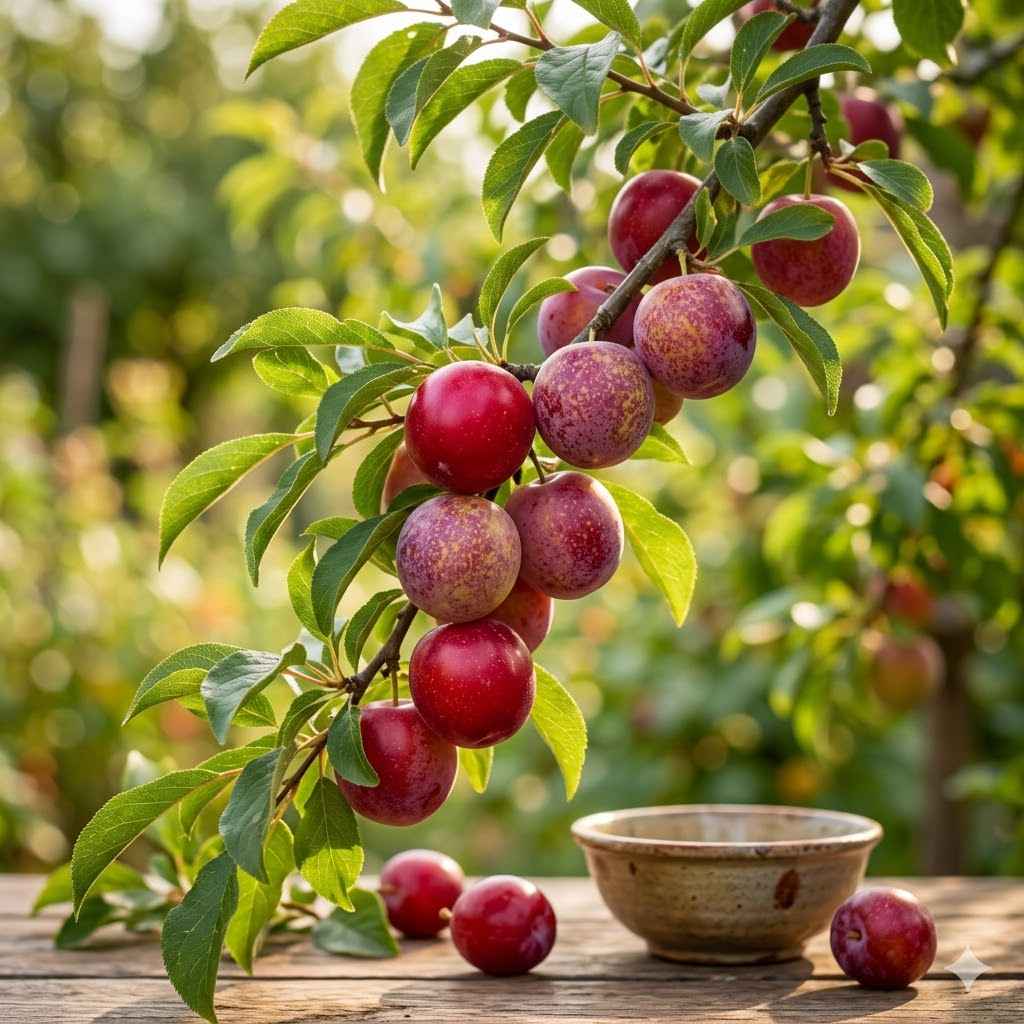
Some call them Myrobalan plums too. They are small, usually round, and come in vibrant colors. Think bright reds, deep purples, and sometimes yellows.
Their size is a big clue. They are often as small as a large cherry. But they have the pit and flesh of a plum.
These fruits are native to Europe and Western Asia. They have been cultivated for a long time. You’ll find them growing wild in many places.
They are also planted as ornamental trees. Their spring blossoms are beautiful. The fruit then follows.
Because they are related to plums, they share many characteristics. This includes their stone fruit nature. The pit inside is hard and large for the fruit’s size.
The flesh can vary in sweetness and tartness. Some are very sweet, others are quite tangy. This depends on the specific variety and how ripe they are.
Many people wonder if there is a difference between cherry plums and sand cherries. While they share similarities in size and appearance, they are usually different species. Sand cherries (Prunus pumila) are native to North America.
They tend to be more tart and are often used for jams and jellies. Cherry plums, or Myrobalan plums, are generally more palatable eaten fresh for many people. Their flavor profile is often richer.
It’s important to know which type you have. But generally, if it looks like a small plum, it likely is a cherry plum.
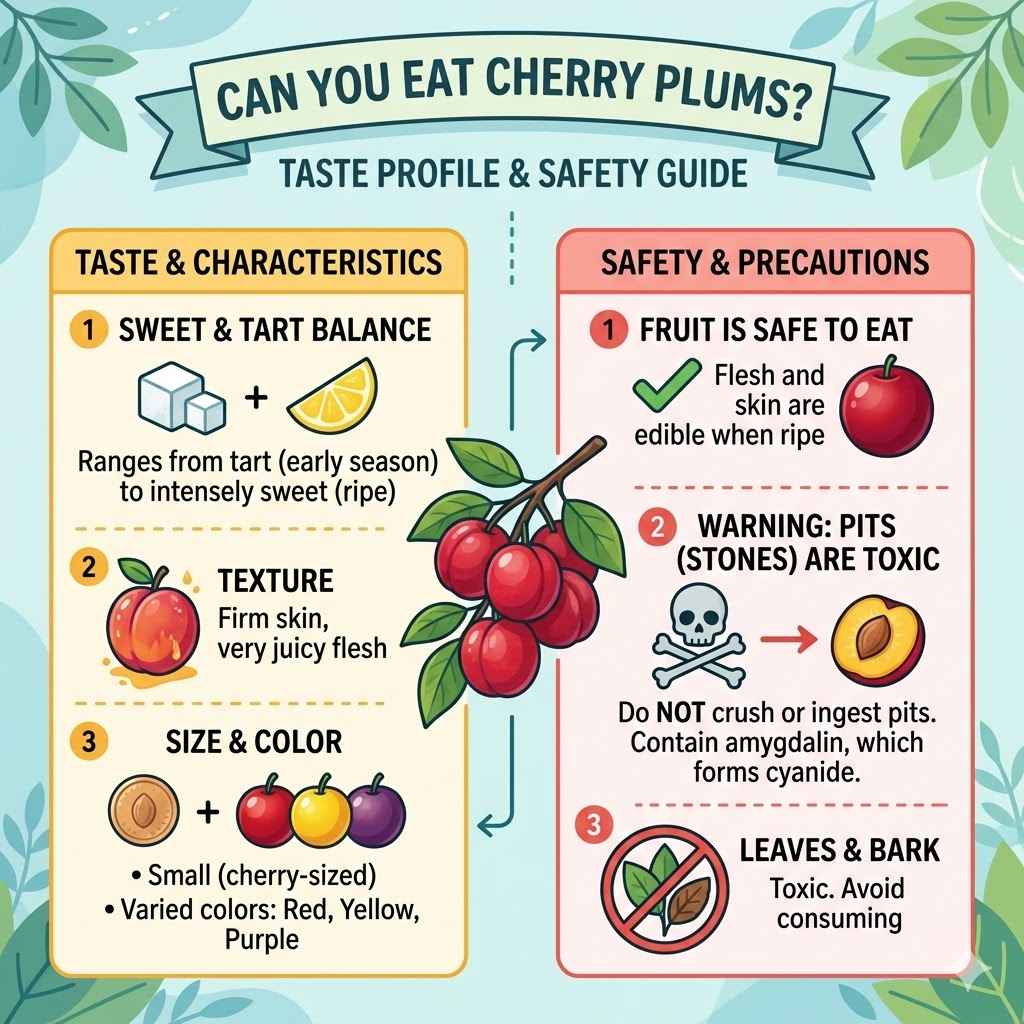
A Taste of Cherry Plums: Sweet, Tart, and Everything In Between
The taste of cherry plums is often the first thing people want to know. And it’s a delightful surprise for many! Imagine the sweetness of a ripe cherry.
Now, mix in a little of the tartness you find in a plum. That’s the essence of a cherry plum’s flavor. Most varieties lean towards being sweet when fully ripe.
But there’s almost always a pleasant tang. This makes them very refreshing. They aren’t usually as intensely sweet as a sugar plum.
Nor are they as sour as some wild cherries can be.
The exact flavor can change a lot. It depends on the specific type of cherry plum. It also depends on how long it has ripened on the tree.
Some might be almost candy-sweet. Others might have a zesty bite. The skin plays a role too.
It can add a touch of tartness. The flesh is usually juicy. It can be firm or a bit softer.
If you bite into one that’s still a bit green, you’ll get more tartness. A perfectly ripe one will have a balance. It’s a taste that’s hard to describe perfectly without trying it.
It’s a bright, fruity flavor that’s very satisfying.
What’s interesting is that the taste can also be influenced by the soil and the weather. Trees growing in full sun might produce sweeter fruit. Rainy weather right before harvest can sometimes make them a bit watery.
But overall, the general flavor profile is consistent. It’s a unique taste that many people grow to love. It’s not overpowering.
It’s just a clean, fruity taste. It makes you want to reach for another one. This is especially true on a warm day.
For those who have tried other stone fruits, think of it this way. It’s not as delicate as some cherries. It’s also not as rich and deep as a dark plum.
It’s in its own category. A delightful, accessible category. People who enjoy fruits that have a bit of a pucker are often big fans.
But even those who prefer very sweet fruits can enjoy them. Especially when they are at their peak ripeness. The combination of sweet and tart makes them complex.
But in a good way. It’s a flavor that makes you pause and savor it.
Are Cherry Plums Safe to Eat?
This is the most important question for many! And the good news is, yes, cherry plums are perfectly safe to eat. They are a type of plum, and plums are a well-known and widely consumed fruit.
There are no inherent toxins in the flesh or skin of ripe cherry plums. They are not poisonous. This is true for all common varieties of Prunus cerasifera.
The same plant family that gives us peaches, apricots, and almonds. These are fruits we trust and eat regularly.
Like any fruit, there are a few small considerations. But they are minor. The pit, or stone, inside the cherry plum is not meant to be eaten.
It’s hard and contains compounds that are not good for you if consumed in large amounts. It’s very similar to peach pits. Most people instinctively don’t eat them.
So, just spit out the pit. Or, when preparing them for recipes, remove the pit. This is standard practice for all stone fruits.
Another point to consider is ripeness. An underripe cherry plum will be very sour and hard. While not unsafe, it won’t be pleasant to eat.
Eating many very unripe fruits can sometimes cause a mild stomach upset for some people. But this is true for most fruits. So, waiting until they are ripe is key.
Ripe cherry plums are soft to the touch. They may have a slight give when gently squeezed. Their color will be deep and rich.
What about the leaves or branches of the tree? Those parts of the plant are not meant for consumption. They contain compounds that can be harmful.
But the fruit itself, the plump, colorful part, is completely fine. People have been eating cherry plums for centuries. They are a staple in some regions.
You don’t need to worry about finding them growing wild. If the fruit looks like a small plum and is ripe, it’s safe to enjoy. This is a big relief for many who might have seen them and wondered.
It’s always a good idea to wash any fruit before eating it, no matter where it comes from. This removes any dirt, dust, or potential residues. A simple rinse under cool water is usually enough.
If you are collecting them from a public place, be mindful of where the tree is located. Avoid trees near busy roads or areas that might have been sprayed with pesticides. But the fruit itself, when properly identified and ripe, poses no safety risk.
Cherry Plum Safety Checklist
- Flesh & Skin: Absolutely safe and edible when ripe.
- Pit: Do NOT eat the pit. Remove it before consuming or cooking.
- Ripeness: Eat when fully ripe for best taste and digestion. Unripe fruit is very tart.
- Washing: Always wash fruit before eating.
- Source: Avoid fruit from polluted areas.
My First Cherry Plum Experience: A Backyard Surprise
I remember one summer quite vividly. I was in my early twenties and had just moved into a small rental house. It had a decent-sized backyard, but it was overgrown.
I spent most of my free time trying to tame it. One afternoon, I was wrestling with some stubborn vines. That’s when I noticed a small tree tucked away in a corner.
It was covered in these tiny, bright red fruits. They looked like miniature plums. I had no idea what they were.
My first thought was, “Are these edible?” They looked so pretty, but I was also a bit scared. I’d heard stories about people eating the wrong berries or fruits and getting sick. My mind immediately went to the worst-case scenario.
Panic started to bubble up just a little. I cautiously picked one. It was smooth and felt firm in my hand.
The color was a deep, inviting red. I held it up to the sunlight. It was so perfect.
But the question of safety loomed large.
I decided to do some quick research online. I snapped a few pictures and started searching for “small red plum-like fruit tree.” After a bit of scrolling and comparing, I found it. Cherry plum!
The pictures matched perfectly. The descriptions mentioned they were edible and quite tasty. A wave of relief washed over me.
But I was still hesitant. My neighbor, Mrs. Gable, was a seasoned gardener.
I decided to ask her. She laughed kindly and said, “Oh, those! Yes, dear, they’re cherry plums.
Very good for jam, or you can eat them fresh if you like them tart.”
That was all the encouragement I needed. I picked a few more. I washed them carefully.
Taking a deep breath, I took a bite. Wow! It was a burst of flavor.
Sweet, but with a definite tartness that made my mouth water. It wasn’t an unpleasant tartness, though. It was bright and refreshing.
It tasted like summer in a bite. I ate a few more right there. I still remember that feeling of discovery.
It was like finding a hidden treasure in my own backyard. From then on, I looked forward to cherry plum season every year. It taught me to be curious, but also to do a little homework before trying new things.
Real-World Context: Where and Why Cherry Plums Grow
Cherry plums are incredibly adaptable trees. This is why you see them in so many different settings. They are native to regions with temperate climates.
This includes parts of Europe and the Middle East. They can handle cold winters. They also do well in warm summers.
This broad climate tolerance means they can grow in many parts of the United States. You’ll find them thriving in places like the Pacific Northwest, the Midwest, and even parts of the South.
In their native lands, they often grow in open woodlands, along riverbanks, or on hillsides. They like to have plenty of sunshine. But they can also tolerate some shade.
This ability to grow in varied conditions makes them common. They are often one of the first Prunus species to bloom in the spring. This is why they are sometimes planted for their flowers.
They offer an early splash of white or pink. Before many other trees have even thought about flowering.
Their fruit is a food source for many wild animals. Birds, small mammals, and even deer enjoy them. This natural role is important.
It helps spread their seeds. It also contributes to the local ecosystem. This is a big reason why they grow so readily in parks and natural areas.
They are hardy. They don’t need a lot of fussing over. Once established, they can pretty much take care of themselves.
In terms of cultivation, they are often used as rootstock. This means other plum varieties are grafted onto cherry plum trees. This gives the desired fruit a strong base to grow on.
But many people also grow them simply for their fruit. Home gardeners appreciate them. They are relatively disease-resistant.
They don’t typically require extensive pruning. This makes them a low-maintenance fruit tree. Especially for those new to fruit growing.
The fruit’s versatility is also a factor in its widespread presence. Because they have a good balance of sugar and acid, they are excellent for cooking. They hold their shape well when heated.
This makes them ideal for jams, jellies, and preserves. Their tartness adds a lovely depth to sweet dishes. Even if you don’t eat them fresh, their fruits are valuable.
This encourages people to plant them. And for those who already have them, they are a familiar and reliable source of fruit.
Cherry Plum Varieties & Their Uses
Common Varieties: Myrobalan Plum (Prunus cerasifera) is the main species. Within this, there are many cultivated forms and wild types.
Flavor Notes:
- ‘Oakville Crimson’: Deep red, tart-sweet. Good for fresh eating and preserves.
- ‘Wren’: Smaller, very tart, excellent for jelly.
- Wild Types: Flavor can vary greatly. Often more sour, great for cooking.
Primary Uses:
- Fresh Eating: When fully ripe, offer a sweet-tart burst.
- Jams & Jellies: Their pectin content and flavor make them ideal.
- Baking: Pies, tarts, crumbles, and sauces.
- Drying: Can be dried into a prune-like fruit.
What This Means for You: When to Enjoy and When to Wait
So, what does knowing all this mean for you? It means you likely have access to a delicious and healthy fruit. If you see a tree with small, plum-like fruits, don’t be afraid!
It’s probably a cherry plum. The most important takeaway is to check for ripeness. This is key to enjoying them.
A ripe cherry plum will feel slightly soft. It will have a rich color. It will detach easily from the stem.
If you find yourself with a basket of them, that’s wonderful! You can pop them straight into your mouth. The sweet and tart combination is incredibly satisfying.
It’s a healthy snack. It’s much better for you than processed treats. Think of them as nature’s candy.
But remember, spit out the pit. It’s not edible.
What if they’re not quite ripe? Don’t toss them! Many cherry plums will continue to ripen after being picked.
You can leave them on your counter for a day or two. They’ll soften up and develop more sweetness. This is a common practice with many fruits.
They just need a little more time. You might find that they are still a bit too tart for eating fresh. That’s perfectly fine.
They are fantastic for cooking.
When should you worry? Honestly, with cherry plums, there’s very little to worry about. The main concern is identifying the fruit correctly.
If you are absolutely unsure if a fruit is a cherry plum, it’s best to err on the side of caution. But if it looks like a small plum and you’ve done some checking, you’re likely in the clear. Also, be aware of your surroundings when foraging.
Avoid areas that might be sprayed with chemicals. Or areas close to pollution.
A simple check for ripeness can save you from a sour experience. Gently squeeze the fruit. Does it give a little?
If yes, it’s likely ripe. Is the color deep and uniform? That’s another good sign.
If the fruit is hard as a rock and looks pale, it needs more time. This careful observation is your best tool. It ensures you get the most enjoyment from these little fruits.
They offer a unique flavor that’s worth waiting for.
Quick Checks for Your Cherry Plums
- Feel: Gently squeeze. A ripe plum will have a slight give.
- Color: Look for deep, rich colors (red, purple, yellow) depending on variety.
- Attachment: A ripe fruit should come off the stem easily.
- Taste Test: If unsure, try a tiny piece first.
Simple Ways to Enjoy Cherry Plums
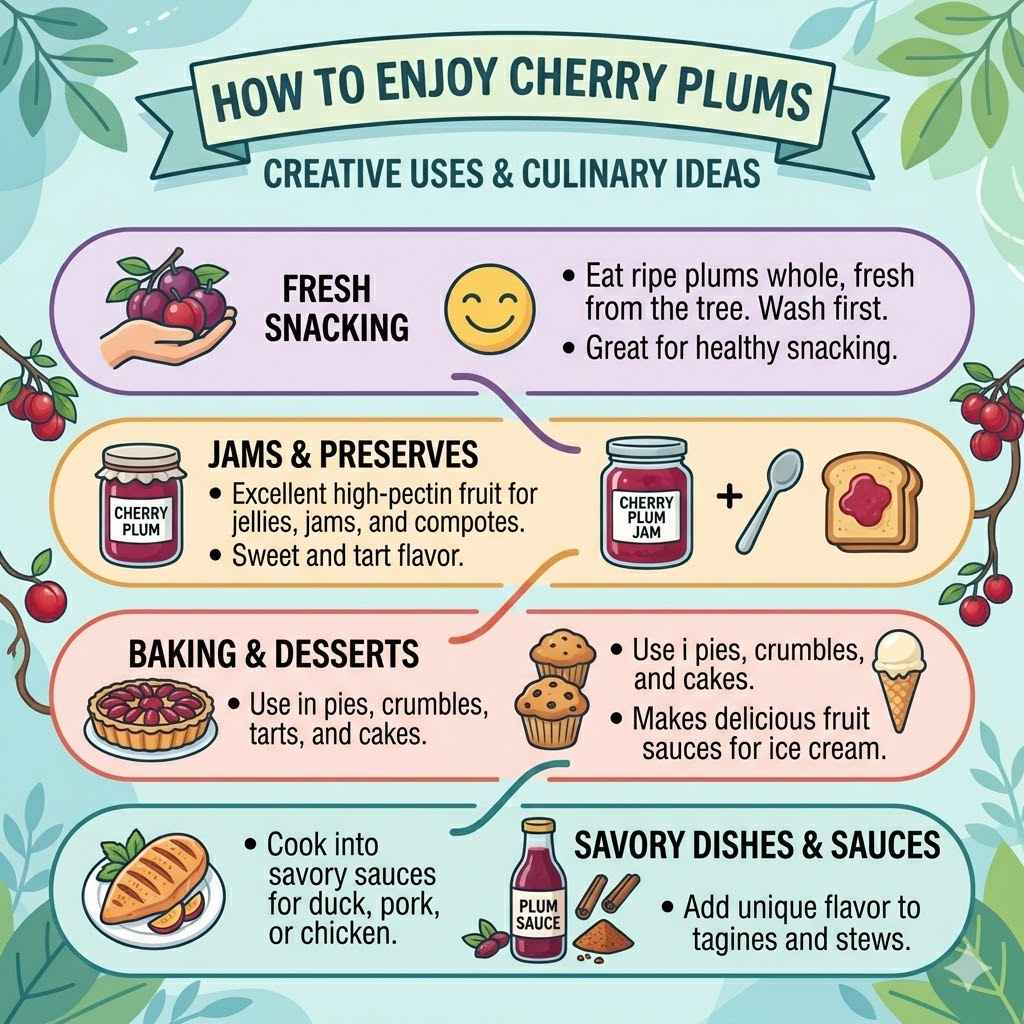
Now for the fun part! How do you eat these delightful fruits? There are so many ways.
The simplest is, of course, eating them fresh. Wash them, pop them in your mouth, enjoy the sweet-tart burst. This is especially good on a warm afternoon.
They are portable and make a great snack for hikes or picnics. Just remember to spit out the pit!
But don’t stop there. Cherry plums are wonderful in the kitchen. Their natural pectin content makes them ideal for making preserves.
You can whip up a batch of homemade cherry plum jam or jelly. The tartness balances the sugar perfectly. It’s a taste of summer you can enjoy all year long.
Many people find they need less added sugar in their jams compared to other fruits because of the plum’s own flavor profile.
Baking is another fantastic option. Chop them up and add them to your favorite pie or crumble recipes. They add a lovely tang and juiciness.
They pair well with cinnamon and other warm spices. Think about making cherry plum muffins or scones. Their small size means you don’t have to chop them up too much.
They can add a burst of flavor in every bite.
You can also cook them down into a sauce. This sauce can be served over pork, chicken, or even ice cream. Simmer them with a little sugar, water, and perhaps some star anise or cinnamon.
They break down beautifully. They create a rich, flavorful sauce. This is a more sophisticated way to use them.
But it’s surprisingly easy to make.
For the adventurous cook, consider drying them. Similar to how regular plums are dried into prunes, cherry plums can be dried too. This concentrates their flavor.
They become chewy and sweet. You’ll get a taste similar to a dried apricot or date. These make a great energy snack.
You can also rehydrate them later for cooking.
Don’t forget about drinks! You can muddle cherry plums to add flavor to cocktails or mocktails. You can also juice them.
This creates a vibrant, flavorful juice. It can be enjoyed on its own or mixed with other fruit juices. A cherry plum slushy on a hot day sounds amazing, doesn’t it?
Here’s a quick tip: If you have more cherry plums than you can use fresh, freeze them! Wash them, remove the pits if you prefer, and spread them on a baking sheet to freeze individually. Once frozen, transfer them to a freezer bag.
This way, you can enjoy them in smoothies or baked goods all year round. It’s a great way to preserve that unique flavor.
Cherry Plum Serving Ideas
- Snack: Eat fresh, right off the tree (after washing!).
- Preserves: Homemade jam, jelly, or fruit butter.
- Baked Goods: Pies, tarts, muffins, crumbles, cobblers.
- Sauces: To serve with meats or desserts.
- Dried Fruit: A chewy, sweet treat.
- Beverages: Juices, smoothies, cocktails, mocktails.
Frequently Asked Questions About Cherry Plums
Are cherry plums poisonous to humans?
No, the flesh and skin of ripe cherry plums are not poisonous to humans. They are safe to eat. The pit inside is not meant to be eaten and should be discarded.
What is the difference between a cherry plum and a regular plum?
Cherry plums are a type of plum. They are generally smaller in size, often resembling large cherries. Their taste is typically a balance of sweet and tart, while some regular plums can be sweeter or more intensely flavored depending on the variety.
Can I eat cherry plums that have fallen on the ground?
It’s generally best to avoid eating fallen fruit, especially if it’s bruised or damaged. Fallen fruit can attract insects and may have started to ferment or spoil, which can cause stomach upset. Always pick ripe fruit directly from the tree.
How do I know when a cherry plum is ripe?
Ripe cherry plums will have a rich, deep color (depending on the variety). They will feel slightly soft when gently squeezed and should detach easily from the stem. If they are hard and pale, they need more time to ripen.
Can cherry plums be used in pies?
Yes, absolutely! Cherry plums are excellent for pies. Their natural tartness adds a wonderful flavor complexity, and they hold their shape well when baked.
They pair beautifully with spices like cinnamon.
Are there any health benefits to eating cherry plums?
Like other fruits, cherry plums contain vitamins, minerals, and fiber. They are a good source of antioxidants. Their fiber content can aid digestion.
They are a healthy, low-calorie snack option.
Can I grow cherry plum trees from the pits?
Yes, you can grow cherry plum trees from their pits. However, the resulting tree may not produce fruit that is the same as the parent fruit. This is because many cultivated varieties are hybrids or are grafted.
Growing from seed is more of an experiment and may result in a wilder, more tart fruit.
Conclusion
So there you have it! Cherry plums are a wonderful fruit that is safe to eat and a joy to discover. Their unique sweet-tart flavor makes them special.
Whether you eat them fresh, bake with them, or make delicious jams, they offer a taste of nature’s goodness. Don’t hesitate to try them if you come across them. They are a fantastic addition to your fruit adventures.
Enjoy exploring their delicious potential!
Sponsored / affiliate links. As an Amazon Associate I earn from qualifying purchases. I may earn additional commission from eligible campaigns.