BCX vs CDX Plywood: What the Grades Actually Mean
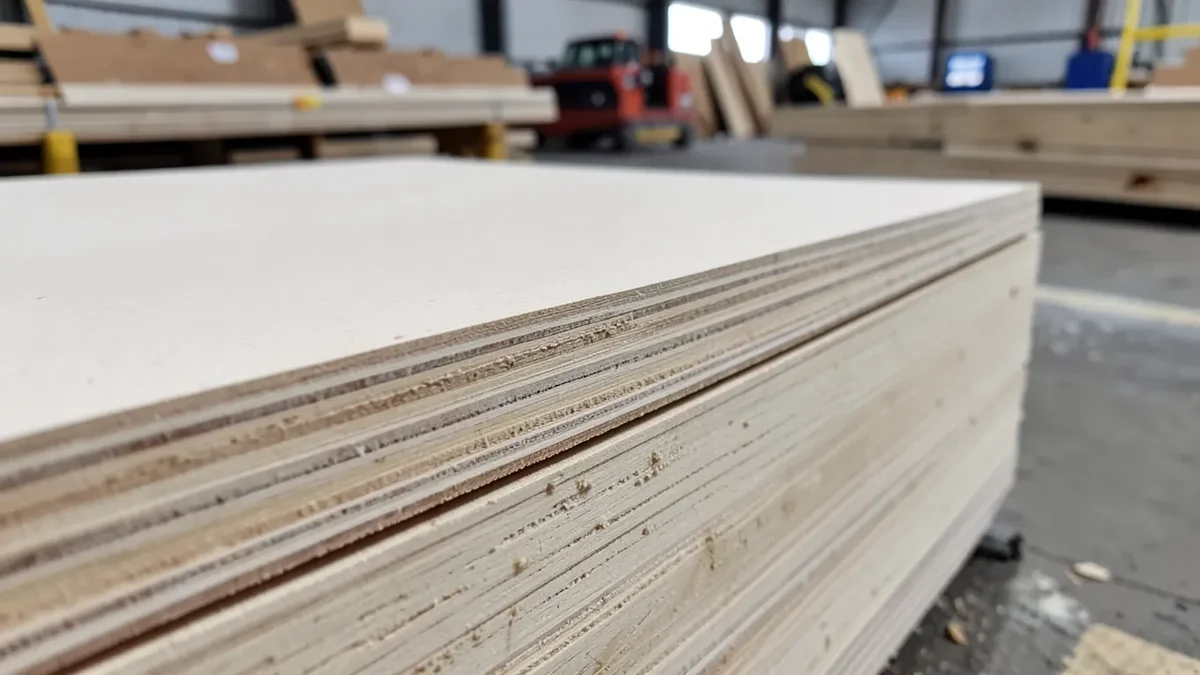
BCX and CDX plywood are both exterior-glue plywoods, but they’re graded for very different jobs: BCX has one smooth, paintable face (the “B” side) and is meant for projects where appearance matters, while CDX is a rougher, unsanded structural panel meant to be covered up — roof decking, wall sheathing, subfloors. Neither one is a permanently weatherproof outdoor surface on its own, despite what the “X” in both names implies.
What the Letters Actually Mean
Best Blade for Clean Plywood Cuts
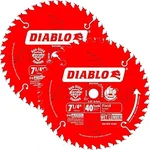 |
Diablo D0740A 7-1/4″ 40T Finish Blade, 2-Pack – $38.60 The right tooth count to cut a BCX good face cleanly instead of chipping the veneer.
|
Plywood grading uses letters A through D for each face, based on the APA (Engineered Wood Association) veneer grading system:
- A: Smooth, sanded, paint-ready. Few if any repairs or knots.
- B: Solid surface. Circular repair plugs and tight knots are allowed, but it’s still smooth enough to paint well.
- C: Knotholes up to 1 inch and some splits are allowed. Unsanded.
- D: The lowest grade — larger knotholes and splits are allowed, unsanded. Only used on inner plies or the backs of Exterior-rated structural panels, never as a finished face.
A sheet is graded with one letter per face — so “BC” means a B-grade face and a C-grade back. The trailing “X” doesn’t grade the wood at all; it means the plies are bonded with exterior-rated (waterproof) glue, the same phenolic adhesive used in true Exterior plywood. That’s the detail that trips people up: the “X” tells you the glue bond won’t fail if it gets wet, but it says nothing about whether the wood veneer itself is protected from weather. A C or D face with knotholes and voids will still absorb water, swell, and eventually rot if it’s left permanently exposed — the exterior glue just means it won’t delaminate into layers the way interior-glue plywood would.
BCX Plywood: What It’s Actually For
BCX pairs a paintable B-grade face with a lower-grade C back, on exterior glue. It’s a middle-ground panel: not as clean as full A-grade cabinet-quality plywood, but smooth enough to prime and paint for a good-looking result. Typical uses include sign faces, exterior soffits, storage bins and tanks, and utility shelving where one side will be seen and the other won’t. It costs more than CDX because face-grade veneer (not the glue) is what drives plywood pricing.
CDX Plywood: What It’s Actually For
CDX is the plywood most people picture when they hear “construction plywood” — a C face and D back, unsanded, on exterior glue, sold by the sheet at every home center. It’s the standard choice for roof decking, wall sheathing, and subfloors, where the panel gets covered by shingles, siding, or flooring shortly after installation and never has to look good on its own.
For structural uses like roofing and subfloors, the number that actually matters more than the C/D letter grade is the span rating stamped on the sheet — a pair of numbers like “32/16” that tells you the maximum recommended support spacing (in inches) for roof/wall use versus floor use. Two CDX sheets with the same C/D grade can have different span ratings depending on thickness and ply count, and building code requires the correct span rating for the framing spacing on your project, not just “CDX” as a label.
Side-by-Side Comparison
| BCX | CDX | |
|---|---|---|
| Face grade | B (smooth, paintable) | C (unsanded, knotholes to 1″) |
| Back grade | C | D (unsanded, larger defects) |
| Glue bond | Exterior (waterproof) | Exterior (waterproof) |
| Typical use | Sign faces, bins, visible utility panels | Roof/wall sheathing, subfloor |
| Relative cost | Higher (face-grade veneer) | Lower |
| Paint-ready? | Yes, with priming | Not without significant filling/sanding |
Cutting Either One Without Tearout
Plywood face veneer is thin, and a standard framing blade’s aggressive tooth pattern will chip and splinter it, especially on the good face of a BCX sheet. A high tooth-count finish blade (40-60 teeth on a 7-1/4″ blade) with a low or negative hook angle shears through the face veneer cleanly instead of tearing it. Score the cut line with a utility knife first for an extra-clean edge on visible plywood, and always cut with the good face up on a table saw (blade cuts up through the material) or good face down on a circular saw (blade cuts up into the material from underneath).

Which One Should You Buy?
If the panel will be seen — furniture backs, shelving, sign blanks, painted utility boxes — buy BCX and budget for priming and a bit of sanding. If the panel is going to be covered by roofing, siding, drywall, or flooring, CDX at the correct span rating is the right call and there’s no reason to pay for face grade nobody will ever see.
Frequently Asked Questions
What is BCX plywood used for?
BCX plywood is used where one side needs to look good and be paintable — sign faces, exterior soffits, storage bins, and utility shelving. Its B-grade face is smooth enough to prime and paint, with a lower-grade C back.
What is CDX plywood good for?
CDX is standard structural sheathing — roof decking, wall sheathing, and subfloors — where the panel gets covered up and doesn’t need to look good. Always match its span rating, not just the C/D grade, to your framing spacing.
Is BCX or CDX better for outdoor use?
Neither is a permanent, fully weatherproof outdoor surface on its own — the exterior glue bond resists water damage to the glue line, but an exposed C or D face will still absorb water over time. BCX at least has a smoother, more paintable face if you plan to seal and finish it.
Can you use CDX plywood indoors?
Yes — CDX is commonly used indoors for subfloors and structural framing where it will be covered by flooring or drywall. It’s not meant to be a visible finished surface indoors or outdoors.
The Bottom Line
BCX and CDX share the same waterproof exterior glue, but that’s where the similarity ends — BCX is a face-grade panel meant to be seen, and CDX is a structural panel meant to be covered. Pick based on whether the surface will be visible, then confirm the span rating on CDX matches your framing before you buy.
Sponsored / affiliate links. As an Amazon Associate I earn from qualifying purchases. I may earn additional commission from eligible campaigns.