How to Cut Bamboo Plywood Without Splintering: Best Blade & Technique
Bamboo plywood cuts differently than the oak or birch plywood most saw blades are built for, and that difference comes down to what bamboo actually is. Technically, bamboo is a grass, not a wood – but the plywood made from it is pressed and laminated the same way hardwood plywood is, so it behaves like a sheet good on your saw table even though the raw material started out as a fast-growing grass stalk. The real challenge is bamboo’s fiber structure: it carries a naturally high silica content, the same mineral that makes glass, and that silica is genuinely abrasive on a blade’s cutting edge. Combine that with a harder, more brittle grain than typical plywood veneer, and you get faster blade dulling and a real risk of splintering on the visible face if you cut it like an ordinary plywood sheet. The fix isn’t complicated once you know the two things that actually matter: the right blade, and a slower, more deliberate cut.
The Best Blade for Cutting Bamboo Plywood
Because bamboo’s silica content wears down blade teeth faster than standard hardwood plywood does, the single biggest factor in a clean, splinter-free cut is starting with a carbide-tipped blade built for fine finish work – not a general-purpose combination blade. Here’s the one we’d put on the saw before touching a sheet of bamboo plywood.
Best Blade for Bamboo Plywood
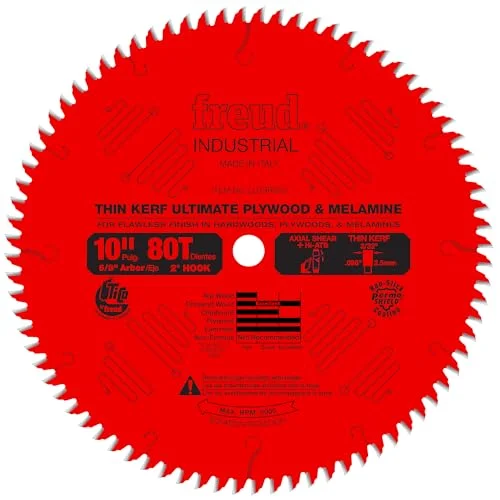 |
Freud LU79R010 10″ 80-Tooth Plywood & Melamine Blade – $94.97 An 80-tooth, high-alternate-top-bevel carbide blade built specifically for veneered plywood, melamine, and laminates – exactly the abrasive, splinter-prone materials bamboo plywood behaves like.
|
If you’re working with a 7¼-inch circular saw instead of a table saw, look for the same profile scaled down – a 40 to 60-tooth carbide blade rated for plywood or laminate. The tooth geometry matters more than the exact count: a Triple Chip Grind (TCG) or Hi-ATB blade alternates a flat-topped tooth with an angled one, which shears through bamboo’s dense strand layers instead of tearing them.
Why Bamboo Wears Down Blades Faster Than Regular Plywood
Most plywood-cutting advice treats bamboo plywood like just another sheet good, but its fiber chemistry is genuinely different. Bamboo stalks accumulate silica in their outer fibers as a natural defense as they grow – it’s the same reason bamboo can feel almost glassy when you run a fingernail across a cut edge. That silica is mineral, not organic, so it acts like fine-grit sandpaper on a spinning carbide edge every time the blade passes through. A blade that stays sharp through a few dozen cuts in birch plywood can visibly dull faster cutting the same number of linear feet in bamboo plywood, which is exactly why carbide-tipped blades – not high-speed steel – are the standard recommendation specifically for bamboo, rather than the generic “any plywood blade will do” advice you’ll see for other sheet goods.
This is also why bamboo plywood is graded and sold differently from hardwood plywood in the first place – it’s a laminated product made from a grass, not a tree, even though woodworkers treat it the same way on the bench. If you want the fuller picture of how bamboo plywood is manufactured and graded before it ever reaches a saw table, that’s worth a read before you buy a sheet.
Cutting Techniques That Prevent Splintering
Two habits do more to prevent splintering than any blade upgrade: slowing your feed rate, and scoring the cut line before you commit to a full-depth pass.
- Slow the feed rate. Bamboo’s harder, more brittle grain structure tears instead of shearing cleanly if you push the material through the blade at a normal plywood pace. Let the blade do the work – a noticeably slower, steadier push reduces the tear-out and splintering that shows up right at the moment the teeth exit the bottom face.
- Score the cut line first. Set the blade depth to just a couple of millimeters and make a shallow first pass along your entire cut line, then raise the blade to full depth and make the real cut on the same line. That shallow scoring pass severs the surface fibers cleanly before the full-depth pass ever reaches them, which is the same reason this technique is standard advice for melamine and veneered plywood – bamboo plywood benefits from it just as much.
- Tape the cut line as a backup. Running a strip of painter’s tape directly over the cut line and cutting through the tape holds down the surface fibers on the visible face, which is especially useful on a jigsaw or handheld circular saw where you can’t easily do a scoring pass.
- Support both sides of the cut. Clamp or otherwise support the plywood on both sides of the blade path so the offcut can’t flex and snap fibers as the cut finishes – unsupported overhang is a common cause of a splintered exit point even with a good blade.
Circular Saw, Table Saw, or Jigsaw: Which Tool Fits the Cut
For long, straight rips and crosscuts, a table saw with the 80-tooth blade above gives the most control and the cleanest edge, since the sheet is guided past a fixed blade rather than the other way around. A handheld circular saw with a 40 to 60-tooth plywood blade is the practical choice for breaking down a full sheet before it goes anywhere near a table saw, or for cutting on-site where a table saw isn’t an option – the same scoring-pass and slow-feed-rate approach applies either way. For curved or intricate shapes, a jigsaw with a fine-tooth, downward-cutting blade is the right call, but expect more tear-out on the top face since a jigsaw cuts on the upstroke; taping the line matters most here.
A hand saw works in a pinch, but it takes real patience – use a fine-toothed panel or dovetail saw and let the tool’s own teeth do the cutting rather than forcing it, since forcing a hand saw through bamboo’s dense fibers is what causes tear-out with hand tools. If you’re setting up repeat crosscuts rather than one-off rips, the technique for guiding a circular saw along a straight reference line is the same one used for cutting a dado with a circular saw, just without the second and third passes.
Safety Precautions
Bamboo’s silica content that dulls blades also means finer, sharper dust than typical wood sawdust, so wear a properly rated dust mask or respirator, not just a paper comfort mask, especially for repeated cuts. Safety glasses and hearing protection are standard for any power saw work, and a well-ventilated space or dust collection setup at the saw will keep that fine dust out of your lungs over a full cutting session. Keep hands well clear of the blade path, use a push stick for narrow rips on a table saw, and make sure the offcut has somewhere to go – a piece that binds between the blade and a fence can kick back.
Finishing the Cut Edge
Even a clean cut leaves a slightly fuzzy edge on bamboo plywood, so a light pass with fine-grit sandpaper (220-grit or finer) along the cut edge knocks down any remaining fibers before finishing. Sand in the direction of the strand pattern rather than across it, wipe away the dust with a slightly damp cloth, and let the edge dry fully before sealing. A clear polyurethane or a penetrating oil finish both work on bamboo plywood edges – oil soaks into the exposed strand ends and tends to even out color better on a cut edge than it does on the factory face.
Common Mistakes to Avoid
- Using a low tooth-count “rip” blade. A 24 or 32-tooth blade built for fast ripping in solid lumber will tear bamboo plywood’s face veneer badly – save it for solid wood, not sheet goods.
- Skipping the scoring pass on visible cuts. On any cut where the edge will show, a single full-depth pass with no scoring cut is the single most common cause of a splintered face, even with the right blade installed.
- Feeding too fast to “get through it.” Bamboo plywood’s abrasive silica content means a dull-feeling blade is often just a blade that’s being pushed too hard, not one that actually needs replacing – slow down before you assume the blade is shot.
- Ignoring dust buildup on the blade. Resin and dust buildup on the teeth increases friction and heat, which accelerates the same wear the silica content is already causing – clean the blade periodically with a dedicated blade cleaner.
Frequently Asked Questions
What blade is best for cutting bamboo plywood?
A carbide-tipped blade with 60 to 80 teeth on a table saw, or 40 to 60 teeth on a circular saw, built for plywood, melamine, or laminate work. A Hi-ATB or Triple Chip Grind tooth profile shears through bamboo’s dense strand layers instead of tearing them, and carbide holds up far better than high-speed steel against bamboo’s naturally high silica content.
Why does bamboo plywood dull blades faster than regular plywood?
Bamboo fibers naturally contain a high concentration of silica, a mineral that acts like fine abrasive grit on a spinning blade edge. Regular hardwood plywood veneers don’t carry nearly as much silica, so a blade that stays sharp for dozens of cuts in birch or oak plywood will dull noticeably faster cutting the same length in bamboo plywood.
How do you stop bamboo plywood from splintering?
Use a fine-tooth carbide blade, slow your feed rate so the teeth shear rather than tear the fibers, and score the cut line with a shallow first pass before cutting to full depth. Running painter’s tape along the cut line and supporting both sides of the cut with clamps also reduces splintering, especially on a jigsaw or handheld circular saw.
Is bamboo plywood actually wood?
No – bamboo is botanically a grass, not a tree, so bamboo plywood isn’t technically wood. It’s a laminated sheet product made by slicing and pressing bamboo strands or strips together, the same general process used to make hardwood plywood, which is why it cuts and behaves like a wood sheet good on a saw table even though the raw material is different.
Conclusion
Bamboo plywood isn’t harder to cut than regular plywood so much as it’s different – its silica content wears down blades faster and its brittle grain splinters more easily under a fast feed. Put a fine-tooth carbide blade on the saw, slow down, score the line before cutting full depth, and you’ll get the same clean edge you’d expect from any quality sheet good.
Sponsored / affiliate links. As an Amazon Associate I earn from qualifying purchases. I may earn additional commission from eligible campaigns.