Beach Oak Flooring: It’s Real Oak, Just Styled for Coastal Homes
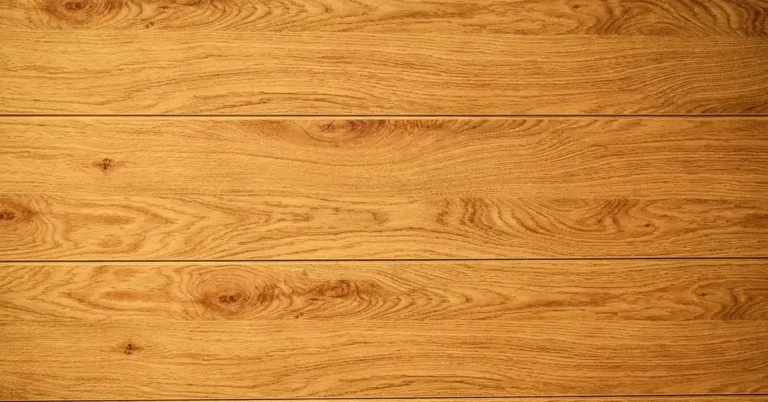
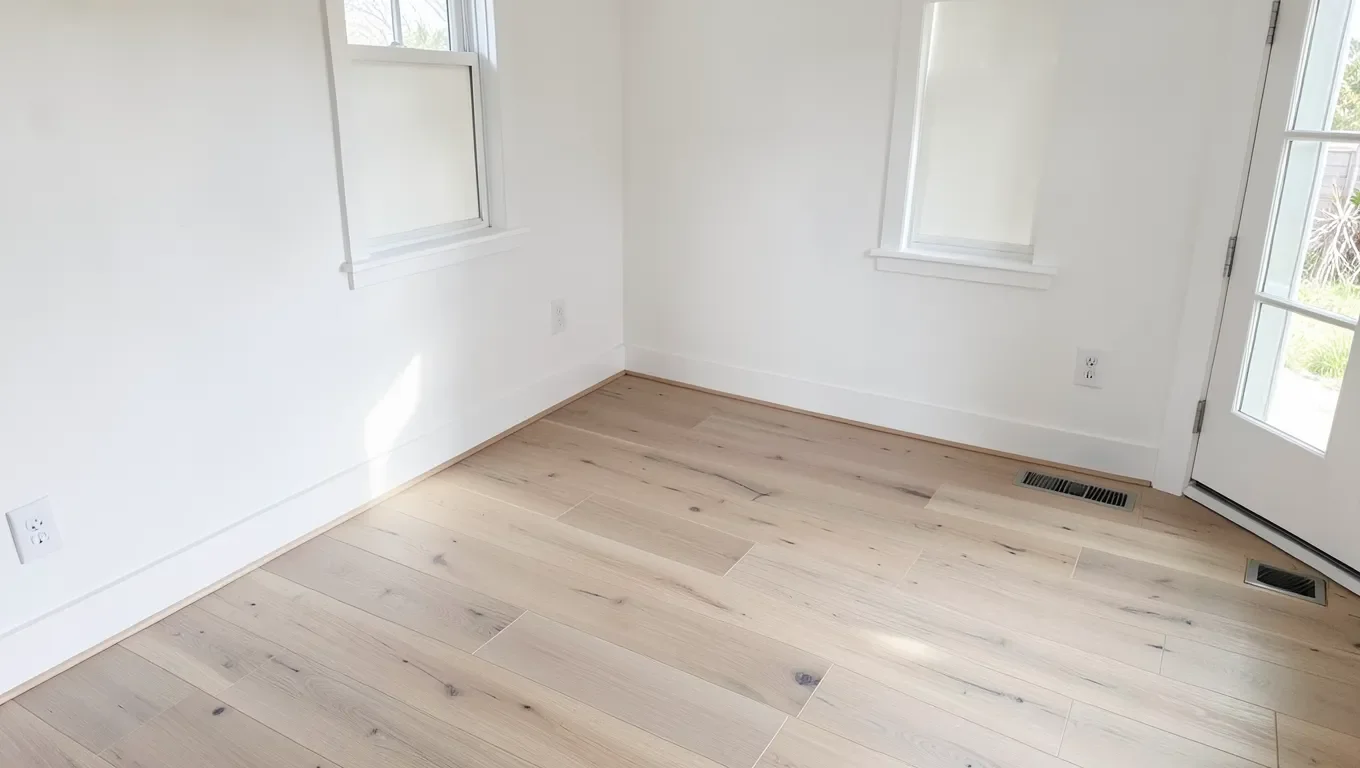
“Beach oak” isn’t a distinct wood species — there’s no tree called beach oak. It’s a collection or product name flooring brands use for oak-based flooring (usually white oak) finished in light, sun-bleached tones meant to evoke a coastal look. Once you know that, shopping for it gets much easier: the real questions are the actual oak grade, construction type, and finish, not the marketing name.
What “Beach Oak” Products Actually Are
A Real, Buyable Coastal-Style Option
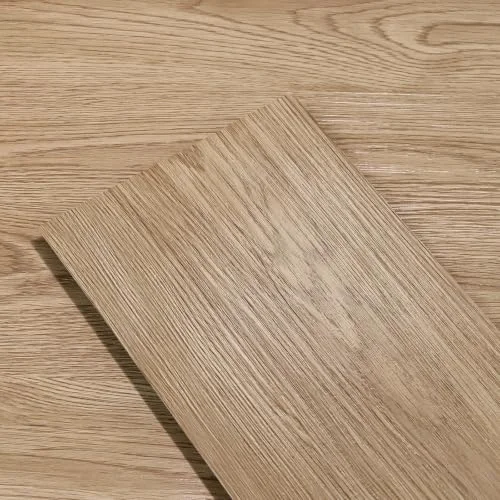 |
Light Oak Waterproof Peel-and-Stick Vinyl Floor Tile, 32-Pack – $59.99 Gets the light coastal-oak look with real waterproofing — a practical DIY option for a bathroom, mudroom, or beach house floor.
|
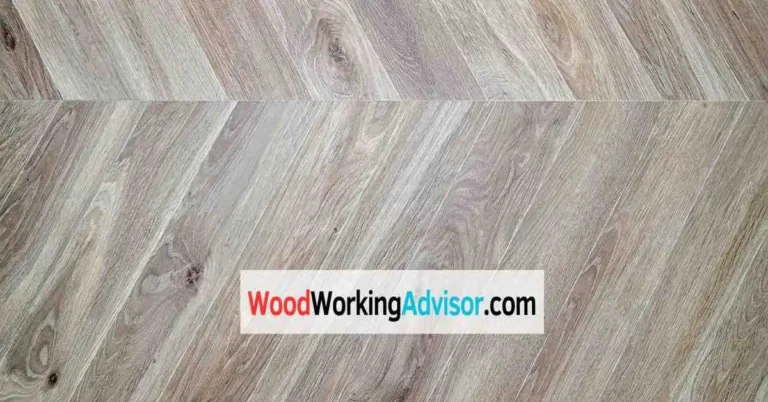
Search major flooring retailers and you’ll find “Beach Oak” as a named finish or collection — for example, laminate and engineered hardwood lines sold under names like “Capistrano Beach Oak” or “Captiva Beach White Oak.” The wood underneath these names is genuine oak (most commonly white oak, sometimes red oak), the “beach” part refers to the light, weathered-look finish color, not a different tree. Knowing this means you can compare a “beach oak” product directly against any other oak flooring using the same real criteria: species, construction, and finish quality.
Solid, Engineered, or Vinyl: The Choice That Actually Matters
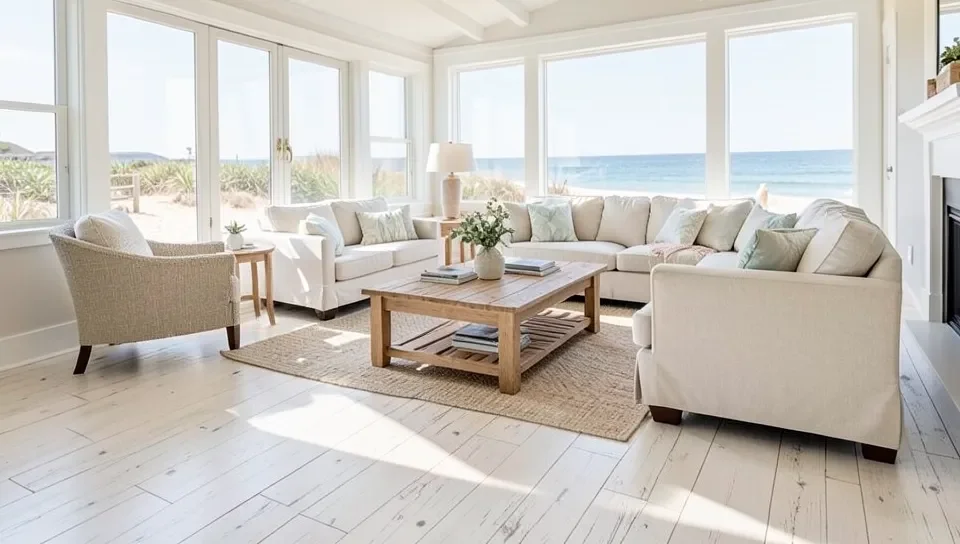
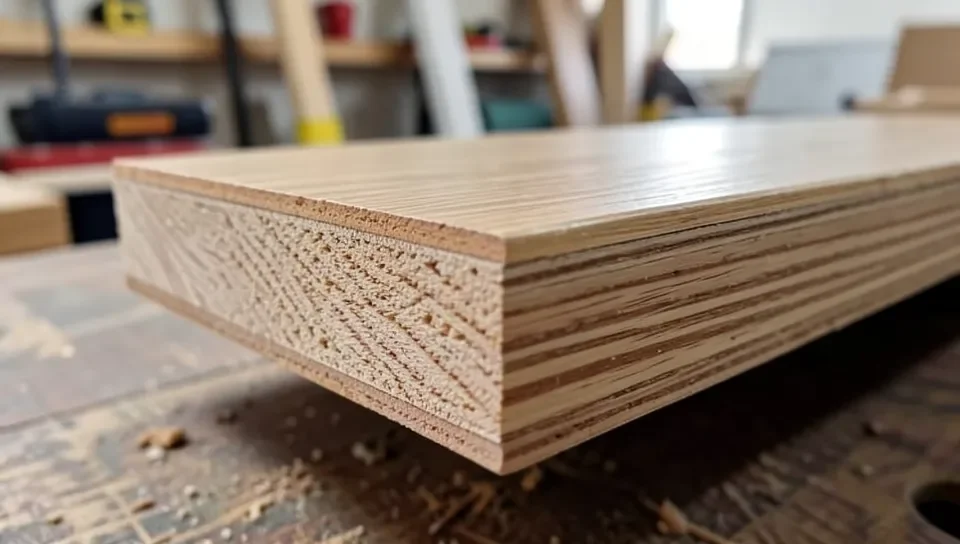
For a genuinely coastal or humid environment, construction type matters more than the finish name. Solid oak flooring expands and contracts with humidity swings and isn’t recommended directly on concrete or in consistently damp spaces. Engineered oak (a real oak veneer over a plywood core) is more dimensionally stable in humidity and is the more common real-wood choice for beach houses. Waterproof vinyl or SPC plank flooring in a light oak look (like the option above) sacrifices being real wood but eliminates the moisture risk entirely — a legitimate trade-off for a mudroom, bathroom, or ground-level beach house floor.
Oak’s Real Durability Numbers
White oak has a Janka hardness rating of about 1,360 lbf, and red oak roughly 1,290 lbf — both solidly durable for residential flooring and harder than walnut (~1,010 lbf) or cherry (~950 lbf). This is real oak’s actual durability, regardless of whether it’s sold under a “beach” collection name or a standard one; the finish name has no bearing on how hard-wearing the floor actually is.
Real Cost Range
Engineered oak flooring in a light “beach” finish typically runs $4-9 per square foot for materials, solid oak somewhat higher at $6-12, and waterproof vinyl plank considerably less at $2-5 per square foot. Installation labor adds roughly $3-8 per square foot depending on the installer and subfloor prep needed. The “beach” name itself doesn’t add a premium beyond what any comparable light-finish oak product would cost — pricing follows construction type and grade, not the collection name.
Maintaining a Light Oak Floor
Light-finished oak shows dirt, scuffs, and UV yellowing more visibly than a dark stain would, so regular sweeping and a UV-protective finish matter more for keeping the light coastal look than they would on a darker floor. Sand and moisture from actual beach visits are the real enemy of a light oak floor near an entryway — a walk-off mat at exterior doors does more to protect the finish long-term than any special “beach” product claim.
Frequently Asked Questions
Is beach oak a real, different type of wood?
No. “Beach oak” is a collection or finish name used by flooring brands for light, coastal-styled oak flooring — the wood itself is standard oak, usually white oak, not a distinct species.
Should I choose solid or engineered oak for a beach house?
Engineered oak is generally the better choice in humid coastal conditions since its plywood core resists the expansion and contraction that solid oak experiences with humidity swings.
How much does light oak flooring cost per square foot?
Engineered oak runs about $4-9 per square foot for materials, solid oak $6-12, and waterproof vinyl plank $2-5, plus $3-8 per square foot for installation labor.
Conclusion
“Beach oak” is real oak wearing a marketing name — once that’s clear, the actual decision comes down to species grade, solid vs. engineered vs. vinyl construction, and finish quality, the same choices you’d weigh for any oak floor. For genuinely damp or high-traffic coastal spaces, prioritize construction type over the collection name on the box.
Sponsored / affiliate links. As an Amazon Associate I earn from qualifying purchases. I may earn additional commission from eligible campaigns.