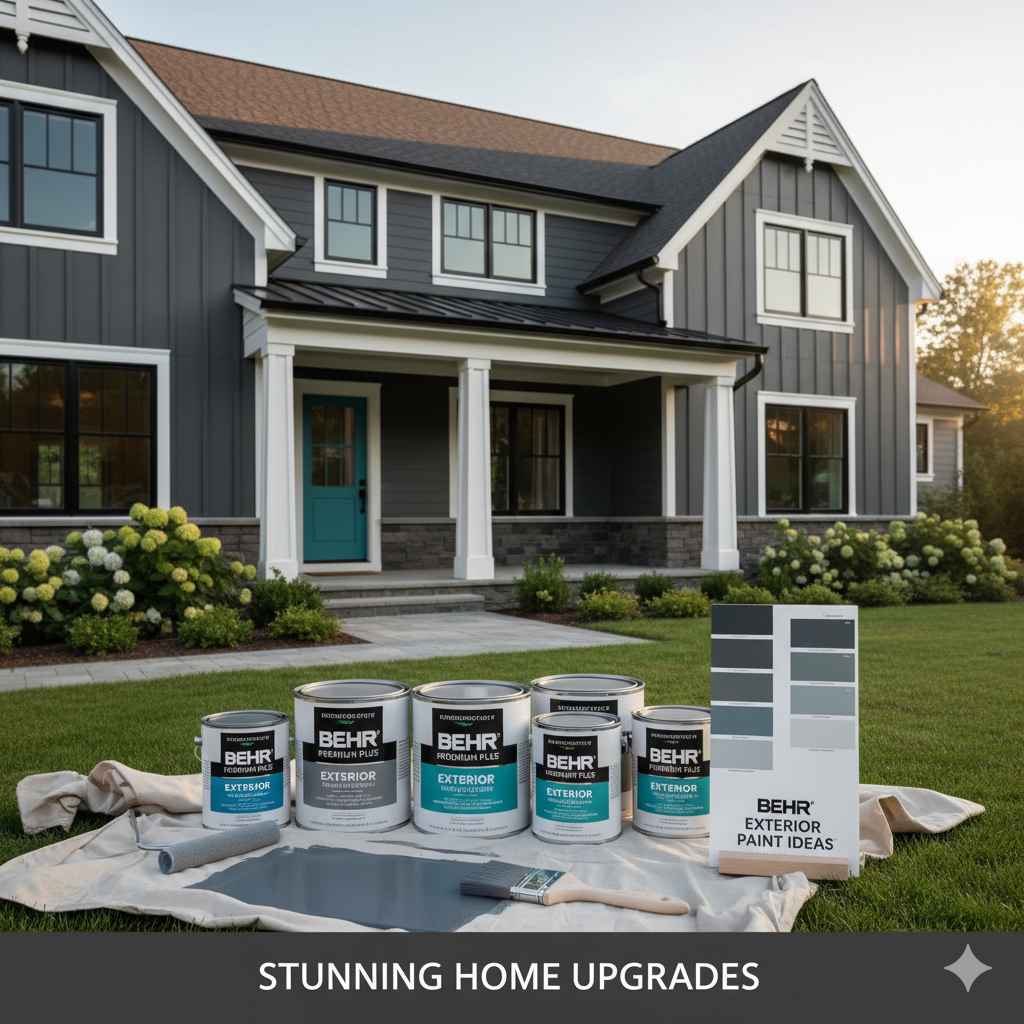
Behr Exterior Paint Ideas: Stunning Home Upgrades
Behr exterior paint ideas can transform your home’s look and value with simple, inspiring color choices. This guide offers beginner-friendly advice on selecting and applying Behr paints for a stunning, durable finish that boosts curb appeal.
Giving your home’s exterior a fresh coat of paint is one of the most impactful ways to update its look. It’s like a facelift for your house, instantly boosting its charm and value. But choosing the right colors and finishes can feel overwhelming, especially when you’re new to DIY projects. You want something that looks great, lasts a long time, and reflects your personal style. Don’t worry, it’s simpler than it seems! Together, we’ll explore fantastic Behr exterior paint ideas that are easy to pick and will make your home stand out.
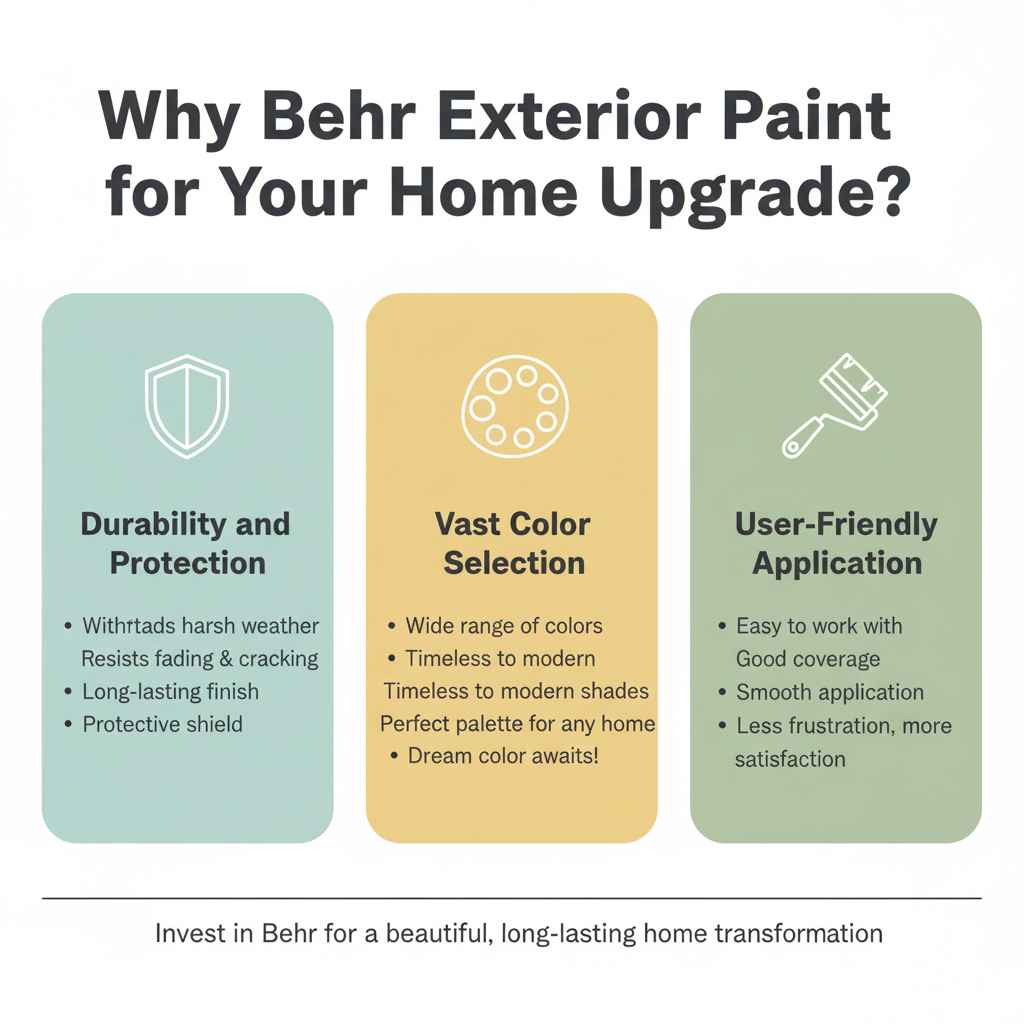
Why Behr Exterior Paint for Your Home Upgrade?
When it comes to protecting your home from the elements and making it look its best, the paint you choose matters a lot. Behr is a brand that many homeowners trust for a reason. They offer a wide range of colors, and their paints are known for being durable and easy to work with, which is perfect for DIYers.
Durability and Protection
Behr exterior paints are formulated to withstand harsh weather. We’re talking about sun, rain, snow, and wind – your paint needs to handle it all! Behr’s advanced technologies help to resist fading, peeling, and cracking. This means your home will look freshly painted for longer, saving you time and money on future touch-ups. It’s about creating a protective shield that also looks beautiful.
Vast Color Selection
One of the biggest joys of choosing Behr is the sheer variety of colors. From timeless neutrals to bold, modern shades, they have something for every taste and home style. Whether you have a traditional farmhouse, a sleek modern ranch, or a cozy cottage, you’ll find the perfect palette. We’ll dive into some popular ideas later, but just know that your dream color is likely waiting for you at Behr.
User-Friendly Application
As a DIY enthusiast, I know we want projects to be as smooth as possible. Behr paints are often praised for their good coverage and smooth application. This means you get an even finish without a ton of struggle. Less frustration and more satisfaction – that’s what we aim for!
Choosing Your Behr Exterior Paint Palette: A Step-by-Step Approach
Picking the right colors for your home’s exterior isn’t just about what looks good on the paint chip; it’s about creating a cohesive and attractive look that complements your home’s architecture and its surroundings. Let’s break down how to make those wise choices.
Step 1: Consider Your Home’s Architecture and Style
The style of your home is the first guiding star. A Victorian home might call for more traditional colors, while a contemporary house can handle bolder, more modern hues. Look at neighboring homes for inspiration, but don’t feel you have to copy them. You want your home to blend in harmoniously while still having its own personality.
- Victorian/Traditional: Often suit softer, richer tones like muted greens, deep blues, and creamy whites or ivories.
- Modern/Contemporary: Can really shine with sharper contrasts, like crisp whites and blacks, or even vibrant accent colors.
- Ranch/Craftsman: Natural, earthy tones such as browns, taupes, beiges, and muted reds or oranges often work beautifully.
Step 2: Understand the “House Color Rule” (Body, Trim, and Accent)
Most homes look best with a three-color scheme: the main body color, the trim color, and an accent color (often for the front door). This creates visual interest and depth.
- Body Color: This is the largest area of your home’s exterior. It should be a color you love looking at every day. Neutrals are popular for a reason – they’re versatile and timeless.
- Trim Color: This frames your house, highlighting its architectural details. It’s often a contrasting color to the body – lighter or darker. White is a classic choice that makes details pop.
- Accent Color: This is where you can have a little fun! The front door is the perfect spot for a bold or welcoming accent color. It’s a small area, so you can be a bit more daring.
Step 3: Test Colors with Your Environment
The colors you see on a paint chip can look very different once they’re on your house. Light plays a huge role. Look at your home at different times of the day – morning, noon, and evening. Also, consider the colors of your roof, landscaping, and any surrounding natural elements like trees or brickwork. A color that looks great in the shade might be too dark in direct sun.
Tip: Behr offers sample pots! Always buy a sample and paint a decent-sized swatch (at least 1ft x 1ft) on an inconspicuous area of your home. Observe it throughout the day before committing to gallons.
Step 4: Consider the Finish (Sheens)
The sheen of the paint affects both the look and the durability. For exteriors, you’ll typically be choosing between:
- Flat/Matte: Hides surface imperfections well but is less washable. Best for siding.
- Satin/Eggshell: Offers a slight sheen, is more durable and easier to clean than flat. A good all-around choice for siding and trim.
- Semi-Gloss: Has a noticeable shine, is very durable and easy to clean. Excellent for trim, doors, and shutters where you want details to stand out.
- Gloss: The highest sheen, very durable but will highlight imperfections. Used sparingly for dramatic accents.
Generally, for exterior walls, satin or eggshell is a popular choice for its balance of appearance and durability. For trim and doors, semi-gloss is often preferred.
Stunning Behr Exterior Paint Ideas for Inspiration
Now for the fun part – looking at some beautiful color combinations that Behr offers! These are just jumping-off points, but they consistently prove to be popular and effective for a reason. We’ll look at some main body colors and then suggest complementary trim and accent colors.
Idea 1: Timeless Greige Elegance
Greige (a blend of gray and beige) is a sophisticated neutral that works with almost any architectural style and any landscape. It’s warm enough to avoid feeling stark but modern enough to feel fresh.
- Body: Behr’s “Silver Drop” (878A-3) or “Nature’s Embrace” (760E-2). These offer a soft, warm gray.
- Trim: Crisp white like Behr’s “Ultra Pure White” (1850) provides a clean contrast and highlights architectural features.
- Accent (Door): A deep navy blue like Behr’s “Bluebird” (PPU15-3) or a classic black adds depth without being overwhelming.
This combination is perfect for creating a welcoming, upscale look that doesn’t demand attention but certainly gets it.
Idea 2: Classic Coastal Charm
Think seaside retreats and breezy aesthetics. This palette is clean, inviting, and evokes a sense of calm.
- Body: A soft, muted blue like Behr’s “Ocean Storm” (MQ3-54) or a light, airy blue-gray like “Lullaby” (500C-2).
- Trim: Clean white (“Ultra Pure White” 1850) is essential here to mimic the feeling of seafoam and bright skies.
- Accent (Door): Consider a cheerful coral like Behr’s “Coral Gables” (M180-7) or a sunny yellow like “Lemon Drop” (300FF-6) to add a pop of coastal cheer.
Ideal for homes in warmer climates or those that want to bring a touch of vacation vibes home.
Idea 3: Modern Monochromatic Drama
For homes with strong, clean lines, a monochromatic scheme can be incredibly impactful. It’s bold, sophisticated, and very contemporary.
- Body: A deep charcoal gray like Behr’s “Black Evergreen” (GR-300) or a strong, near-black shade.
- Trim: Lighter shades of gray, or even a surprising metallic sheen if your home’s design can carry it. Alternatively, stick with a clean white for maximum contrast.
- Accent (Door): A bright, saturated color like a fire-engine red or a vibrant teal can create a stunning focal point against the dark backdrop.
This look is for those who aren’t afraid to make a statement. It works exceptionally well on modern homes with large windows.
Idea 4: Warm Earthy Welcome
This palette brings the natural world to your doorstep. It’s inviting, grounded, and feels incredibly welcoming.
- Body: Warm, inviting neutrals like Behr’s “Nutmeg Cream” (120C-2) – a soft, medium brown – or a deep, earthy olive green like “Forest Canopy” (GR-12).
- Trim: Creamy off-whites or a deeper shade of the body color can provide subtle dimension. For example, if the body is Nutmeg Cream, trim in a slightly lighter or darker beige.
- Accent (Door): A rustic, burnt orange like Behr’s “Mesa Spice” (GR-30) or a deep evergreen would complement these natural tones beautifully.
This is a fantastic choice for homes with natural wood siding elements or those situated in wooded areas.
Idea 5: Cheerful & Bright Suburban Classic
This is your quintessential charming neighborhood home. It’s approachable, clean, and always looks welcoming.
- Body: A soft, welcoming yellow like Behr’s “Delicate White” (PPG1001-1) which has a subtle yellow undertone, or a pale blue like “Sky Wash” (500A-1).
- Trim: A classic crisp white (“Ultra Pure White” 1850) is almost a must for this look. It makes everything pop and look freshly painted.
- Accent (Door): A bright red like Behr’s “Barn Red” (PPU2-03) or a cheerful medium blue like “Mountain Air” (500E-3) offers a friendly greeting.
This palette is widely appealing and offers a timeless, friendly facade.
Popular Behr Exterior Paint Colors & Combinations Table
To help visualize, here’s a table with some popular Behr colors that work wonderfully together for exterior applications. Remember to always test them on your home!
| Color Name & Code | Color Type | Suggested Use | Complementary Body/Trim Colors |
|---|---|---|---|
| Ultra Pure White (1850) | Clean White | Trim, Shutters, Doors, Siding | Pairs with virtually any color. |
| Silver Drop (878A-3) | Soft Greige | Siding (Body) | Pairs with whites, deep blues, charcoal. |
| Nature’s Embrace (760E-2) | Warm Taupe/Greige | Siding (Body) | Pairs with cream, white, muted greens. |
| Black Evergreen (GR-300) | Deep Charcoal/Near Black | Siding (Body), Doors | Pairs with lighter grays, whites, bold accents. |
| Bluebird (PPU15-3) | Deep Navy | Doors, Shutters, Accent | Pairs with whites, grays, beige, even some greens. |
| Mesa Spice (GR-30) | Burnt Orange | Doors, Shutters, Accent | Pairs with earthy browns, creams, dark greens. |
| Ocean Storm (MQ3-54) | Muted Blue-Gray | Siding (Body) | Pairs with white, natural wood tones, sandy beige. |
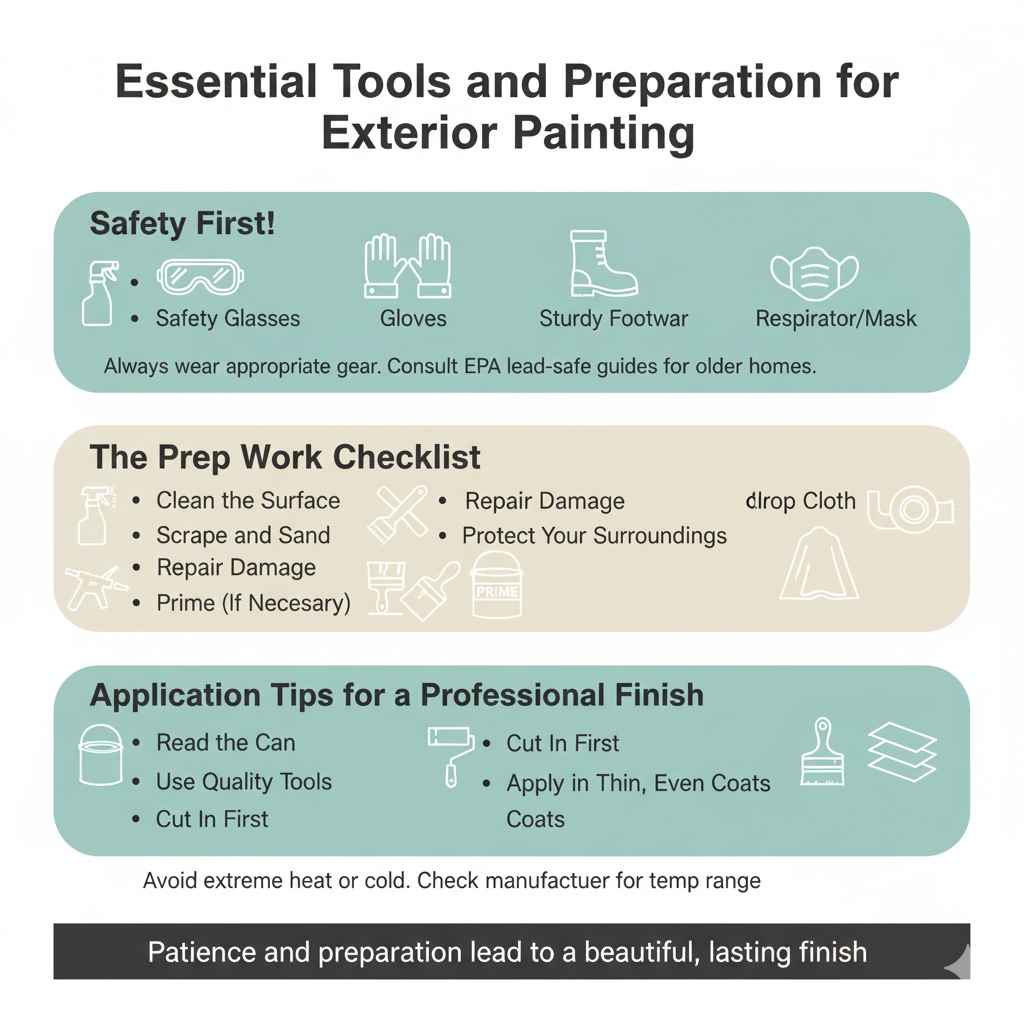
Essential Tools and Preparation for Exterior Painting
Before you even open a can of paint, good preparation is key to a beautiful and long-lasting finish. Think of it as building a strong foundation for your new look. As with any home project, safety comes first. Ensure you have the right safety gear.
Safety First!
Working at heights or with potentially hazardous materials means being prepared. Always wear:
- Safety Glasses: To protect your eyes from dust, debris, and paint splatters.
- Gloves: Protect your hands from paint and cleaning chemicals.
- Sturdy Footwear: Especially if using ladders.
- Respirator/Mask: If working with older paint that might contain lead or if sanding is involved. Check out the EPA’s guide on lead-safe renovation practices if your home was built before 1978.
The Prep Work Checklist
This is where the magic really happens. Skip this, and your beautiful paint job might not last.
- Clean the Surface: Wash away dirt, grime, mildew, and chalking paint. A pressure washer can be useful, but use it on a low setting to avoid damaging your siding. For mildew, use a bleach-to-water solution (1 part bleach to 3 parts water) or a dedicated mildew cleaner. Rinse thoroughly and let dry completely – this can take 24-48 hours depending on humidity.
- Scrape and Sand: Scrape away any loose, peeling, or bubbling paint. Sand down the edges of the remaining paint to create a smooth transition. This helps the new paint adhere better.
- Repair Damage: Fill any cracks or holes with exterior-grade caulk or wood filler. Check for rotten wood and make necessary repairs.
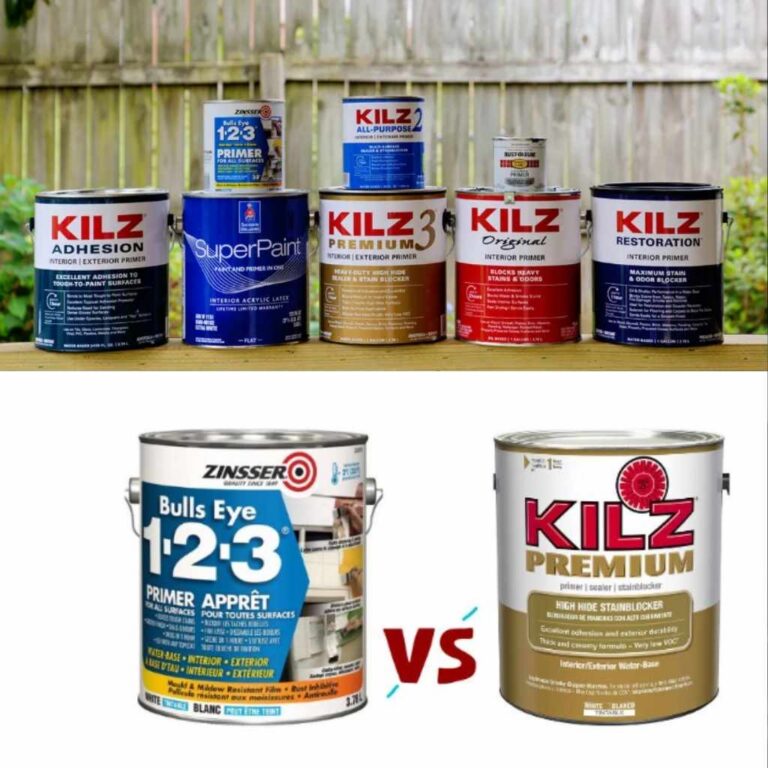
- Prime (If Necessary): If you’re painting over bare wood, a previously dark color with a lighter one, or have done significant repairs, applying a quality exterior primer is crucial. Behr offers excellent primers like their Premium Plus Exterior Paint & Primer, which can sometimes eliminate the need for a separate primer coat.
- Protect Your Surroundings: Cover windows, doors, trim you aren’t painting, landscaping, and concrete with drop cloths and painter’s tape.
Application Tips for a Professional Finish
Once prep is done and you have your beautiful Behr paint, applying it is the final exciting step!
- Read the Can: Always read the instructions on the Behr paint can. It provides specific details for that particular product, including drying times and recoat times.
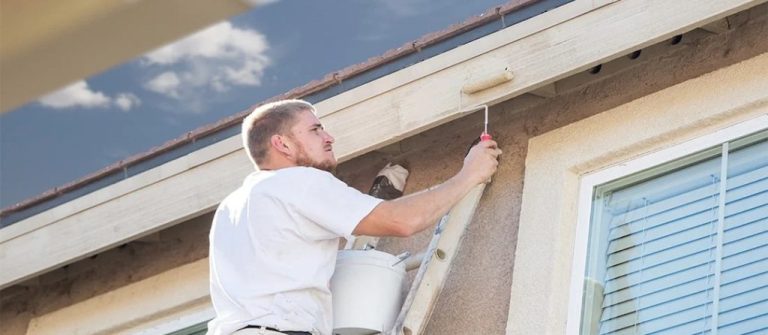
- Use Quality Tools: Invest in good brushes (for cutting in and details) and rollers (for large areas). A good quality roller cover suitable for the surface texture will make a big difference.
- Cut In First: Use a brush to paint the edges of areas, around windows, doors, and where different colors meet. This is called “cutting in.”
- Use Rollers for Large Areas: Load your roller evenly and apply in a “W” or “M” pattern, then fill in the spaces. This ensures even coverage and avoids roller marks.
- Apply in Thin, Even Coats: Two thin coats are almost always better than one thick coat. They dry more evenly and provide better durability.
- Consider Exterior Painting Conditions: Avoid painting in direct, hot sun, as it can cause the paint to dry too quickly, leading to lap marks. Don’t paint when rain is expected or if the temperature is below 50°F (10°C), as most exterior paints won’t cure properly. Check the Paint Quality Institute’s Factors Affecting Paint Performance for more insights.
Frequently Asked Questions About Behr Exterior Paint
Q1: What is the best type of Behr exterior paint for siding?
For most siding materials, Behr Premium Plus or Behr Marquee are excellent choices. They offer great durability and coverage. A satin or eggshell finish is generally recommended for siding as it balances a nice look with good washability and durability.