Can You Paint Latex Over Oil-Based Paint? Yes, With This Primer
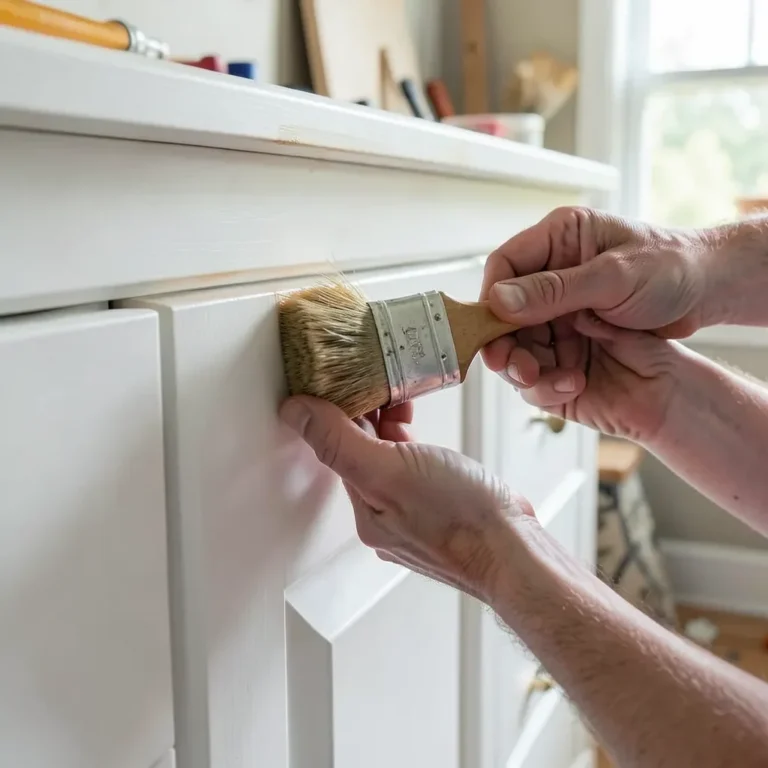
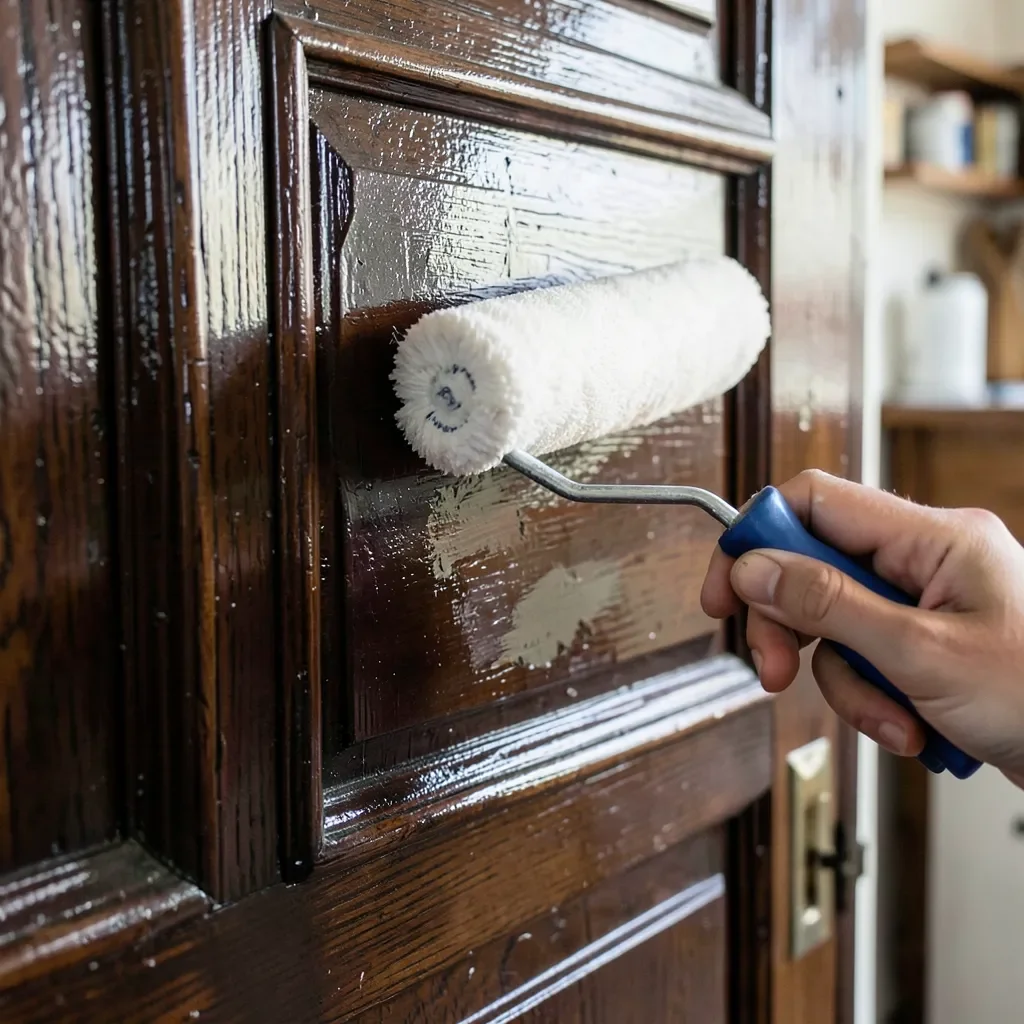
Yes, latex paint bonds fine over oil-based paint, but only with a bonding primer — cured oil paint dries into a hard, low-porosity film that latex can’t grip on its own, which is why skipped-primer jobs peel within a year. Scuff-sanding still helps, but a dedicated bonding primer like INSL-X Stix works on glossy oil paint even without sanding first. This guide covers why plain latex fails here, which primer to use, and the exact prep steps. If you’re repainting furniture or cabinets specifically, see our guide to latex over oil paint on furniture for hardware and drawer-specific prep tips.
Why Latex Won’t Stick to Oil-Based Paint on Its Own
Best No-Sand Bonding Primer
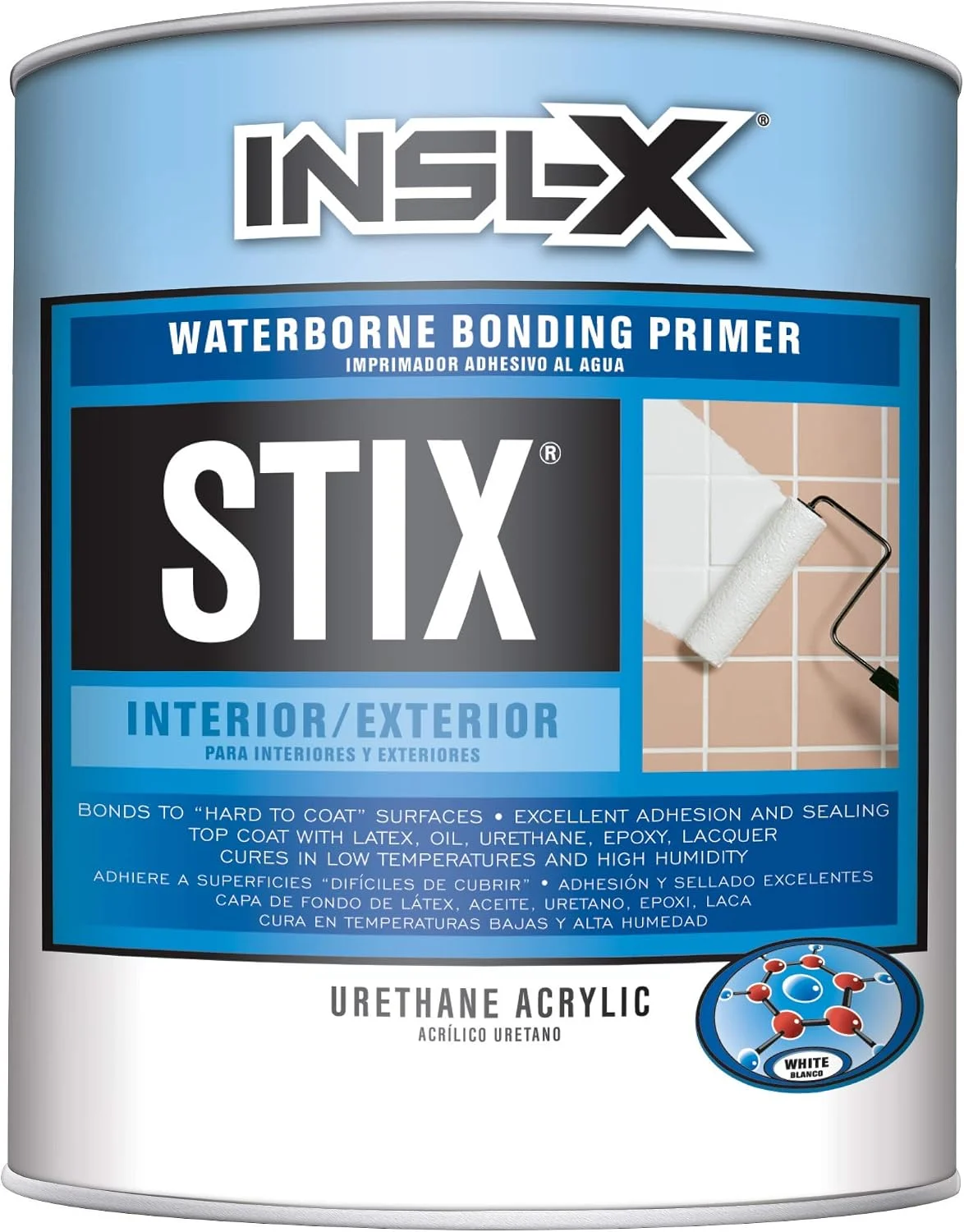 |
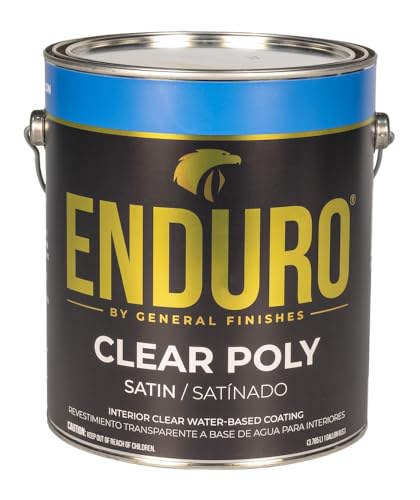
INSL-X Stix Waterborne Bonding Primer (1 Qt) – $26.99 Since cured oil paint won’t let latex grip mechanically, Stix bonds chemically to “hard to coat” glossy surfaces — including old oil-based paint — without requiring you to sand first.
|
Oil-based (alkyd) paint cures into a hard, glossy film with very little surface texture or porosity. Latex paint relies heavily on mechanically keying into a slightly rough, porous surface to form a lasting bond — it doesn’t chemically fuse with cured alkyd resin the way a fresh coat of oil paint would. Roll latex straight over untouched oil paint and you get a coat that looks fine on day one and peels in sheets within months, especially anywhere it gets touched or flexed, like trim, doors, and cabinets.
A bonding primer solves this by giving the latex topcoat something to grip that the bare oil paint can’t provide on its own.
Do You Really Need to Sand First?
Not necessarily. A general latex or oil-based primer benefits a lot from scuff-sanding, since it relies partly on that mechanical texture. A dedicated bonding primer is formulated differently — it’s designed to chemically adhere to “hard to coat” surfaces like glossy oil paint, laminate, and tile without sanding. Manufacturer technical data for this class of product specifically lists application over glossy, hard-to-coat surfaces as an intended use case.
📊 Bonding primers are formulated to adhere to “hard to coat” surfaces without sanding — Source: Benjamin Moore, Insl-X Stix product page
That said, a light scuff-sand still costs you ten minutes and gives extra insurance on surfaces that get a lot of wear, like cabinet doors or handrails. Skip it only if you’re in a hurry and using a true bonding primer, not a standard one.
Step-by-Step: Painting Latex Over Oil-Based Paint
- Wash the surface with a mild detergent or trisodium phosphate (TSP) solution to remove grease, grime, and any residue, then rinse and let it dry completely.
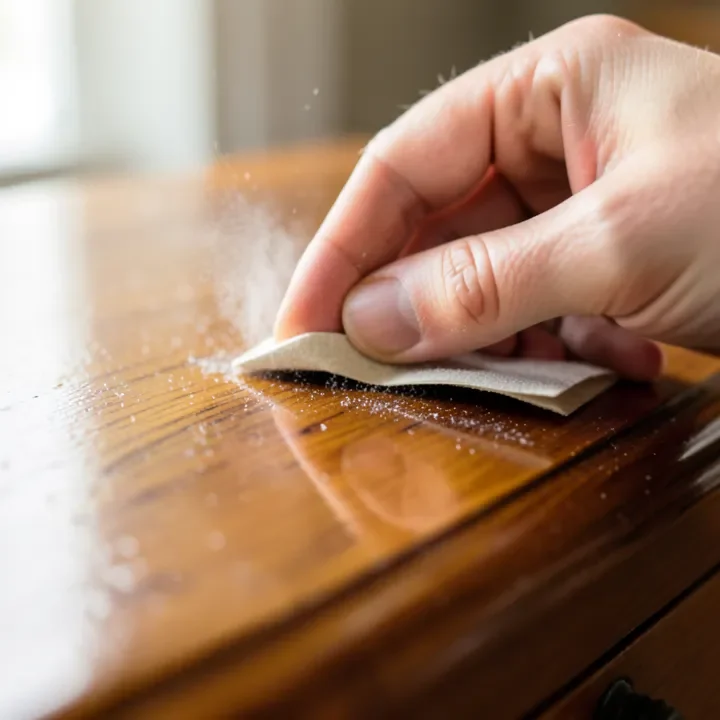
- Lightly scuff-sand with fine-grit sandpaper (220-grit is enough) to knock down the gloss, unless you’re using a dedicated bonding primer and choosing to skip this step.
- Wipe away sanding dust with a tack cloth or damp rag.
- Apply one coat of bonding primer and let it dry fully per the can’s instructions before topcoating.
- Apply two thin coats of latex paint, letting each coat dry before the next, rather than one thick coat that’s more likely to show brush marks or stay soft underneath.
Common Mistakes That Cause Peeling
- Skipping the primer entirely — the single most common cause of latex-over-oil peeling. Latex paint alone is not a substitute for primer on a glossy oil surface.
- Using a plain latex primer instead of a bonding primer — a standard primer still depends on surface texture for grip; it doesn’t solve the same problem a bonding primer does.
- Painting over a surface that’s already flaking — no primer fixes paint that’s failing at the layer underneath. Scrape and sand loose paint back to a sound edge first.
- Not letting the primer cure fully — topcoating too soon can trap solvent and cause the latex to fail even with the right primer.
Oil Over Latex vs. Latex Over Oil: Why Direction Matters
Painting oil-based paint over cured latex is the easier direction — oil paint’s solvents soften and grip the somewhat more porous latex film underneath, and light sanding is usually the only prep needed. Going the other way, latex over oil, is the harder direction precisely because latex can’t do that to a hard alkyd film, which is why the bonding primer step above isn’t optional the way it can feel when you’re in a hurry.
Frequently Asked Questions
What happens if you paint latex over oil paint without primer?
It usually looks fine at first, then peels or flakes within months to a year, since cured oil paint is too smooth and low-porosity for latex to grip on its own. A bonding primer is what actually solves this, not extra coats of latex.
Do you have to sand oil-based paint before painting latex over it?
Not if you use a dedicated bonding primer, which is formulated to adhere to glossy, hard-to-coat surfaces without sanding. A light scuff-sand still adds extra insurance on high-wear surfaces like cabinets and trim, but it’s optional with a true bonding primer.
Can you tell if paint is oil-based or latex before starting?
Rub a small, inconspicuous area with a rag dampened in rubbing alcohol. If paint comes off on the rag, it’s latex; if nothing transfers, it’s almost certainly oil-based. Confirming this first tells you whether you need a bonding primer at all.
Is it better to use oil or latex paint over old oil-based paint?
Either works with the right prep, but latex is more common today for its low odor, easy cleanup, and better color retention in sunlight outdoors. Oil-based topcoats bond somewhat more readily to old oil paint but come with stronger fumes and a much longer cure time.
Conclusion
Latex over oil-based paint works reliably as long as you address the real problem — a smooth, low-porosity oil film that latex can’t grip on its own — with a bonding primer rather than skipping straight to the topcoat. Clean the surface, scuff-sand if you have the time, prime with a true bonding primer, and two thin latex coats will hold up for years instead of peeling within one.
Sponsored / affiliate links. As an Amazon Associate I earn from qualifying purchases. I may earn additional commission from eligible campaigns.