Belt Sander Vs Planer: Which Tool Suits Your Needs?
Are you looking to transform rough wood into a smooth masterpiece? You’ve probably come across two popular tools: belt sanders and planers.
But which one is right for your project? This is where the real decision-making begins. Choosing the right tool isn’t just about buying what’s popular; it’s about understanding your needs and making a choice that will make your work easier and more efficient.
Imagine the satisfaction of watching your woodworking project come to life with precision and ease. You deserve to feel confident in your decision, knowing that you’ve picked the tool that’s perfect for your task. Dive into this article to discover the differences, advantages, and perfect scenarios for using each tool. By the end, you’ll know exactly which tool to choose, ensuring your next project is a success.
Key Differences
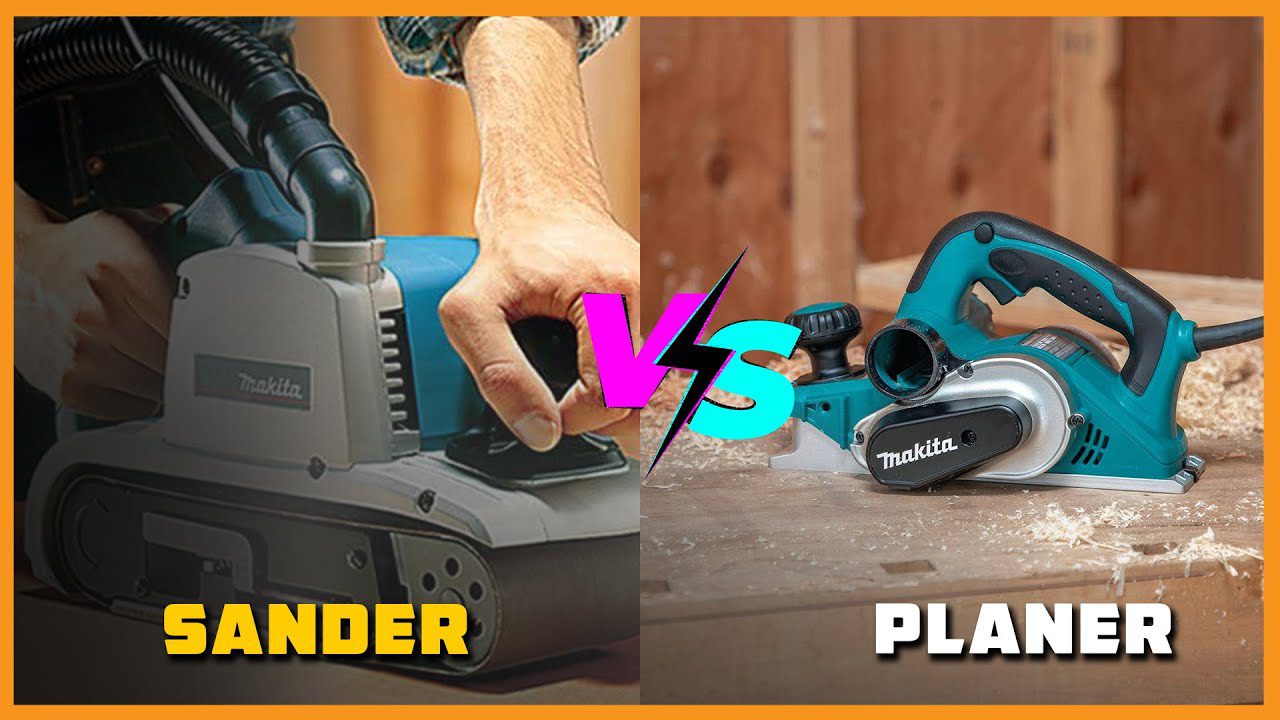
A belt sander and a planer work differently. Belt sanders smooth surfaces. Planers cut wood to size. The belt sander uses a moving belt. It sands wood fast. The planer uses a sharp blade. It makes wood thin. Both tools are useful. But for different jobs.
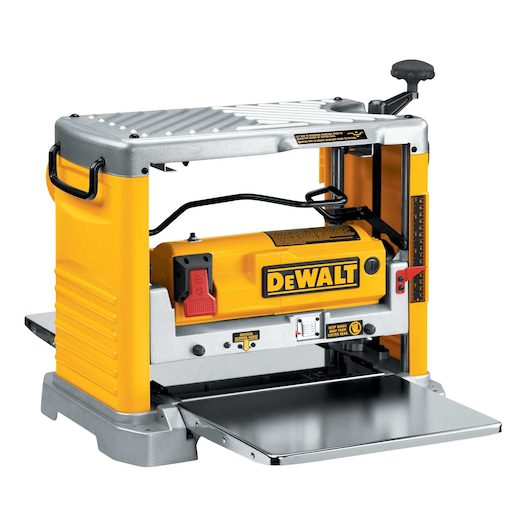
Belt sanders have a simple shape. They are usually handheld. Planers are bigger. They sit on a table. A belt sander has a sanding belt. It moves in a loop. A planer has blades. They spin fast. Belt sanders are lighter. Easy to carry. Planers are heavy. Hard to move.
Advantages Of Belt Sanders
Belt sanders excel at smoothing large wooden surfaces with precision. They ensure even finishes quickly, unlike planers that remove deeper layers. Ideal for shaping and leveling, belt sanders are perfect for crafting detailed work. Their versatility makes them a valuable tool in any workshop.
Efficiency In Material Removal
Belt sanders are great for fast material removal. They can quickly smooth rough surfaces. Woodworkers often use them to prepare surfaces. The powerful motor helps in sanding large areas. Dust collection systems keep work areas clean. This makes the sanding process more efficient.
Versatility In Usage
Belt sanders work on different materials. Wood, metal, and plastic can be sanded. Many tasks can be done with one tool. Furniture makers use them for shaping and finishing. Belt sanders can also remove paint or rust. This makes them a versatile tool in workshops.
Cost Considerations
Belt sanders are often affordable. They come in various price ranges. Many models fit different budgets. High-quality sanders last for years. Buying one is a good investment for DIY projects. This makes them a cost-effective choice for many users.
Advantages Of Planers
Planers ensure exact measurements every time. They cut wood pieces with great precision. Builders trust them for perfect edges.
Planers make surfaces super smooth. No rough spots stay behind. Wood feels silky after planing.
Planers work well with different woods. They handle soft and hard woods. This makes them versatile in many jobs.

Credit: www.kevinszabojrplumbing.net
Ideal Projects For Belt Sanders
A belt sander is great for rough shaping wood. It quickly removes large chunks. This tool makes shaping easy. Even beginners can use it. The sander helps create curves or angles. Its fast-moving belt does most of the work. Always wear safety goggles. Dust can fly everywhere.
Surface leveling is another task for a belt sander. Uneven surfaces become flat. This is helpful for old tables. The sander smooths out bumps fast. Keep your hands steady. The belt is strong and powerful.
Removing paint or finish is easy with this tool. Old layers come off in seconds. This saves time and effort. The belt sander can strip furniture fast. Make sure to check the surface. Sometimes, gentle pressure works best.
Ideal Projects For Planers
Belt sanders and planers serve different woodworking needs. Belt sanders smooth surfaces quickly, ideal for large areas. Planers trim wood to precise thickness, perfect for detailed projects. Understanding their uses helps in choosing the right tool for your project.
Thickness Reduction
A planer is excellent for reducing wood thickness. It shaves off layers smoothly. This helps make boards thinner. Planers work well for making uniform pieces. They ensure each piece is the same size. This is useful for furniture making. Always check the thickness regularly. Keep your fingers clear of the blade. Safety matters.
Edge Smoothing
Planers are great for smoothing rough edges on wood. They help clean up jagged sides. Smooth edges look nice and feel good. Edge smoothing is useful for shelves and tables. It makes them safer to touch. Planers help remove splinters. Splinters can be painful. Smoothing edges is quick and easy with a planer.
Board Flattening
Flattening boards is simpler with a planer. Uneven boards can cause issues. Planers make boards flat and even. This is perfect for building projects. Flat boards stack better. They fit together nicely. Planers ensure the wood is ready to use. Flat boards create stable furniture. They are also easier to paint.

Credit: www.reddit.com
Factors To Consider
Small projects might need a belt sander. It works well on tiny surfaces. Large projects can benefit from a planer. It handles big pieces easily. Think about the size of your woodwork. Choose the tool that fits best.
Belt sanders are often less expensive. A good choice for tight budgets. Planers might cost more. Save money if you’re doing big jobs. Check prices and decide wisely.
Beginners may prefer belt sanders. They are easier to use. Experienced users might like planers. They need more skill. Consider your experience. Pick the tool that matches your skill.
Maintenance And Care Tips
Clean the dust bag regularly. Dust can block the machine. Check the belt for wear and tear. Replace if it looks worn. Keep the motor clean and dust-free. Use a soft brush for this. Lubricate moving parts for smooth operation. Check the power cord for damage. Replace if it is frayed or broken. Tighten any loose screws. Ensure the tool is always unplugged during maintenance.
Always clean the blades after use. Dust can dull them. Sharpen blades if they get dull. Check the depth adjustment knob. Make sure it works smoothly. Lubricate parts to avoid rust. Inspect the power cable for any damage. Replace if necessary. Keep the planer stored in a dry place. This helps prevent rust. Tighten any loose screws or bolts. Always unplug before cleaning.

Credit: www.youtube.com
Frequently Asked Questions
Is A Planer Or Belt Sander Better?
Choose a planer for smooth, even surfaces and precise thickness. Opt for a belt sander for rapid removal of material and smoothing large areas. Both tools excel in different tasks, depending on project needs. Consider your specific requirements to determine which tool suits your woodworking projects best.
Can A Planer Be Used As A Sander?
A planer is not ideal for sanding tasks. It removes wood layers, while a sander smooths surfaces. Use them for their specific purposes to achieve best results. Planers are for thickness adjustments, sanders for finishing touches. Choose the right tool based on your woodworking needs.
Can You Flatten Wood With A Belt Sander?
Yes, you can flatten wood with a belt sander. Use coarse grit sandpaper for best results. Ensure even pressure and consistent motion for a smooth surface. A belt sander is effective for large areas and removes material quickly. Always follow safety precautions while sanding.
Is Planing Or Sanding Better?
Planing removes more material faster, ideal for leveling surfaces. Sanding smooths surfaces and is better for finishing. Choose planing for rough work and sanding for fine finishing.
Conclusion
Choosing between a belt sander and planer depends on your needs. Belt sanders smooth surfaces quickly. They’re great for large, flat areas. Planers remove material evenly. Ideal for shaping wood and creating consistent thickness. Both tools have their strengths. Consider your project type and budget.
Belt sanders are more affordable. Planers offer precision and control. Think about what you value most in your woodworking. Each tool has a unique purpose. The right choice enhances your work and efficiency. Happy woodworking!