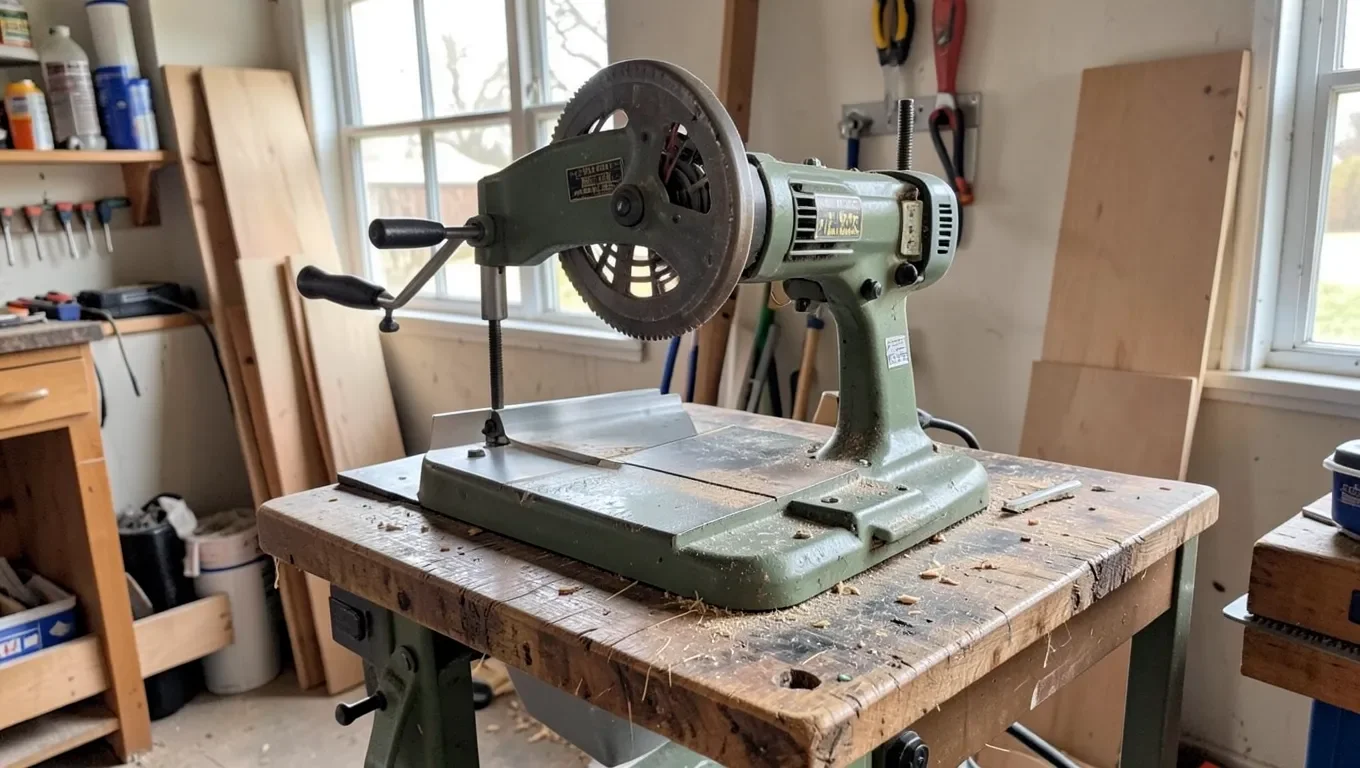
The Legacy of Sears and Roebuck Radial Arm Saws
Sears and Roebuck introduced the radial arm saw under its Craftsman brand decades before power tools became a commodity category, and the machine became a genuine game-changer in home woodworking. From the 1950s through the 1990s, these saws were a staple in home workshops and job sites across the USA, built by the Emerson Tool Company under contract to Sears. Their durability is a big part of why so many are still running today, six or seven decades after they left the factory.
The radial arm saw was designed for versatility, capable of crosscutting, ripping, and cutting dados on a single machine. Before sliding compound miter saws existed, the radial arm saw was the go-to stationary crosscut tool for home woodworkers, and its cast-iron construction gave it the mass and rigidity to cut hardwoods cleanly. It wasn’t perfect, though – the lack of blade guards on older models led to real safety concerns and, eventually, a major recall. Its legacy still lives on: a large number of these saws remain in active use in home shops today.
Why the Craftsman Radial Arm Saw Stood Out
The Upgrade Worth Making
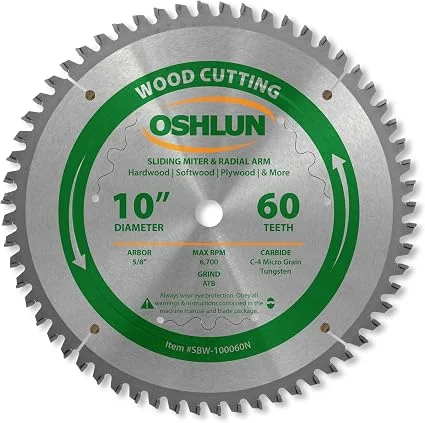 |
Oshlun SBW-100060N 10″ 60-Tooth Negative Hook Blade Purpose-built for radial arm and sliding miter saws – the negative hook angle reduces the self-feeding kickback risk that makes these saws intimidating, while cutting far cleaner than the original steel blade.
|
The Craftsman radial arm saw wasn’t just another tool – its core design set it apart. The blade and motor are mounted on an arm that travels along an overhead track, so the operator pulls the blade through the workpiece rather than pushing the workpiece into the blade. That pull-cut motion, combined with the saw’s weight and rigidity, gives it real precision on long crosscuts that would be awkward to manage on a table saw or a lighter modern miter saw.
Another standout feature was its adjustability. The blade could tilt for bevel cuts, and the arm itself could rotate for miter cuts – some later models even added electronic angle displays, an unusually advanced feature for the era. Sears also sold a wide range of accessories, including dado blade sets and molding-cutter heads, which effectively turned the saw into a multi-tool capable of joinery and decorative profile work well beyond straight crosscuts.
Here’s a quick breakdown of why these saws were so popular:
| Feature | Description |
|---|---|
| Versatility | Crosscuts, rips, miters, bevels, and dados—all in one machine. |
| Durability | Built to last, with many saws from the 1960s still working today. |
| Adjustability | Easy to tweak for precise angles and depths. |
| Affordability | Priced between $100-$700, making it accessible for hobbyists and pros. |
| Brand Trust | Backed by Sears’ reputation for quality woodworking tools. |
The Evolution of the Radial Arm Saw
The Sears and Roebuck radial arm saw evolved considerably over its production run. The first models hit the market in the 1950s – simple but sturdy machines with cast-iron arms and powerful motors. By the 1960s, Sears had introduced larger 10-inch and 12-inch models, such as the Craftsman 113.29411, which were capable of cutting thick lumber with real authority.
In the 1970s, Sears added electronic features to some models, including a digital readout for miter and bevel angles – an unusually advanced feature for a home-shop tool at the time. As the decades passed, competition caught up: sliding compound miter saws took over the market through the 1990s, offering lighter weight, better factory-installed safety guarding, and far easier portability. What miter saws still don’t match, even today, is a radial arm saw’s raw capacity for wide crosscuts on full-size stock.
By the 2000s, Sears had stopped producing new radial arm saws entirely as the company shifted focus and the Craftsman brand eventually changed hands. The older saws, though, are still out there – many still humming away in garages and workshops decades after they were built, a testament to how overbuilt these machines were for their era.
Safety Concerns and Recalls
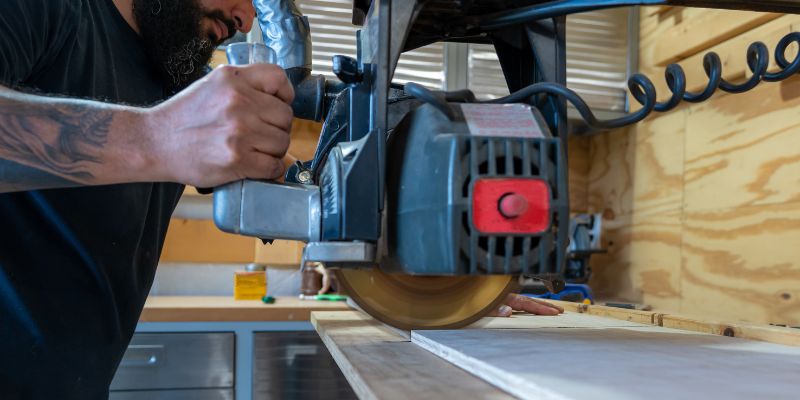
Radial arm saws have a well-earned reputation for being dangerous compared to a modern miter saw. The pull-cut motion means the spinning blade can grab the wood and fling it back toward the operator if the workpiece isn’t held firmly against the fence. Older Sears models, particularly those built between 1958 and 1995, had a significant design gap: many left the factory without an adequate blade guard, and that gap led to serious injuries, including cuts and amputations.
In 2000, the U.S. Consumer Product Safety Commission and Emerson Tool Company announced a recall of roughly 3.7 million Craftsman radial arm saws, offering a free blade guard retrofit kit as the remedy. Owners can still contact Emerson today to check eligibility and request the kit. Model numbers eligible for the recall typically start with 113, stamped on the saw’s base casting – worth checking before using any older unit that lacks a guard.
Basic precautions matter here regardless of the guard: wear eye and ear protection, keep hands well clear of the blade path, and make sure the workpiece is held firmly against the fence before every cut. A quick visual check of the setup before hitting the power switch catches most of the mistakes that lead to kickback.
Restoring a Sears Radial Arm Saw
Restoring an old Craftsman radial arm saw follows a fairly predictable sequence. Start with the motor: a sluggish motor usually just needs the vents cleaned out and the bearings lubricated, since decades of sawdust buildup is the most common cause of a weak-running unit. The table surface is next – most originals are plywood or particleboard and warp over the years, which throws off cut accuracy; replacing it with a flat sheet of high-density fiberboard (HDF) or MDF is a standard, inexpensive fix.
Check that the arm travels smoothly along its track and doesn’t bind or drift out of square. If the stamped model number on the base casting has faded, rubbing a crayon or pencil lightly over the raised digits usually makes it legible again. Parts – rails, blade guards, arm bearings – are still available through Sears PartsDirect for many models, and original manuals turn up regularly on eBay and in vintage-tool forums for the cost of shipping.
Build quality is the main reason these old saws are worth restoring at all – the cast-iron arms are genuinely tough, though they do wear over decades of use. A saw that won’t hold alignment usually needs new bearings or rails rather than a full rebuild. Swapping the original blade for a modern carbide-tipped, negative-hook blade designed for radial arm and sliding miter saws is one of the single biggest upgrades available – it cuts noticeably cleaner than the steel blades these saws originally shipped with, and the negative hook angle specifically reduces the saw’s tendency to self-feed into the cut.
How to Use a Radial Arm Saw Safely
Using a radial arm saw safely starts with the setup, not the cut. A warped or uneven table surface leads directly to inaccurate, wobbly cuts, so a flat table is the foundation everything else depends on. From there, calibrate the arm to the table and use a square to confirm the blade sits perpendicular before making any real cuts.
Always pull the blade toward the fence for crosscuts – pushing it away from you defeats the safety geometry the saw is designed around. For ripping, feed the wood slowly using a push stick, never a bare hand, and never reach over a spinning blade for any reason. Taking the extra few seconds to line up a cut carefully avoids the jagged, torn edges that come from rushing the setup.
For joinery work like tenons, a dado blade set turns the radial arm saw into a genuinely fast tool for cutting shoulders and cheeks in one pass. Whatever blade is mounted, a negative hook angle is the important safety spec to check for – it meaningfully reduces the saw’s tendency to grab and self-feed into the cut, which is the core kickback risk on this type of saw.
Where to Find a Sears Radial Arm Saw Today
Anyone looking for a Sears and Roebuck radial arm saw today has real options – they turn up regularly on eBay, Craigslist, and at Habitat for Humanity ReStores. Prices typically range from around $50 for a fixer-upper needing real work up to $300 for a saw in great running condition, with most usable examples falling somewhere in between.
Check the model number before buying – models starting with 113 are common, and many qualify for the free recall blade guard kit. Look for a saw with minimal wear, all its original parts present, and ideally an intact table surface. Included accessories like dado sets or molding heads add real value, and an original manual (Sears’ vintage “Know How” manuals turn up on eBay) is a genuinely useful bonus for anyone restoring or calibrating the saw for the first time.
Why Woodworkers Still Love These Saws
Even with modern tools widely available, the Craftsman radial arm saw retains a genuinely loyal following. The main reason is versatility – crosscuts, miters, dados, and even shaping with the right attachments are all possible on one machine. Build quality is the other big draw: a well-maintained example from the late 1960s can still cut as accurately today as it did when new.
Nostalgia plays a real role too – for many woodworkers, these saws are directly tied to memories of a father’s or grandfather’s workshop, which keeps demand for well-preserved examples steady on the used market. For hobbyists, restoring one is also simply a rewarding project in its own right, separate from whatever cutting it ends up doing afterward.
Comparing Radial Arm Saws to Modern Alternatives
Radial arm saws and modern miter saws each have their own strengths. A radial arm saw excels at crosscutting long boards and handles heavy-duty tasks like cutting 4×4 lumber with ease. The tradeoff is size and weight – a 12-inch Sears model can weigh well over 200 pounds and needs a dedicated, stationary spot in the shop.
Miter saws, by contrast, are portable and generally safer thanks to modern guarding, which makes them the better choice for quick jobs and trim work on a job site. What they can’t match is a radial arm saw’s versatility for complex, stationary shop work – for anyone doing a mix of crosscuts, dados, and joinery in a fixed workspace, the older Sears saw still holds a real advantage.
Tips for Maintaining Your Sears Radial Arm Saw
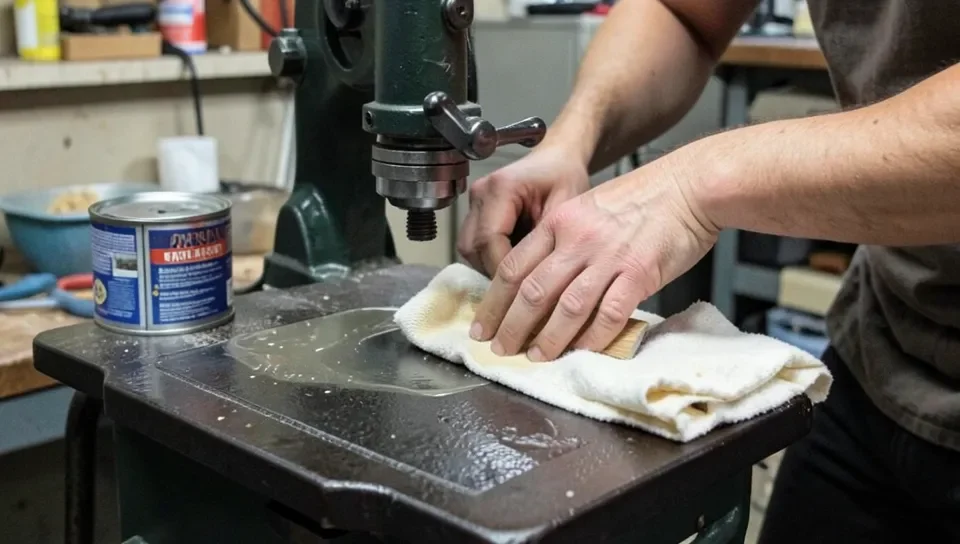
Keeping a radial arm saw in top shape doesn’t take much once a routine is established – checking it every few months is enough for most home-shop use. Clean the motor housing and lubricate the moving parts with machine oil, and wax the table periodically to reduce friction and help stock slide smoothly during a cut; a standard paste wax works as well as anything sold specifically for tool tables. Inspect the blade for dullness regularly, since a dull blade forces the motor to work harder and increases the risk of kickback.
Check the arm’s alignment on a regular schedule – if it drifts out of square, every subsequent cut will be off until it’s corrected, and a machinist’s square is the simplest tool for verifying it. Storage matters just as much as maintenance: rust is the real enemy of cast-iron parts, and a saw left in a damp garage or unheated shed for an extended period can develop surface rust that takes real effort to clean off later.
Conclusion
The Sears and Roebuck radial arm saw is more than a discontinued tool – it’s a genuine piece of woodworking history that, in many cases, still earns its keep in a working shop. From its versatile design to its rock-solid cast-iron build, it’s easy to see why so many woodworkers still hold onto their Craftsman saws. They have real quirks, and safety has to be taken seriously, especially on pre-recall units. With basic care, though, these saws can genuinely last a lifetime.
Whether the goal is restoring a vintage model or putting one to work on a real project, the radial arm saw offers something modern tools rarely match: a reminder of a time when tools were built to be repaired, not replaced. For any woodworker willing to take on a DIY challenge, tracking down one of these classics – and giving it the recall guard and basic maintenance it deserves – is a genuinely worthwhile project.
FAQs
What makes the Sears and Roebuck radial arm saw unique?
It’s a versatile tool that can handle crosscuts, rips, miters, and dados. The Craftsman brand was known for durability, and the saw’s adjustable arm made it a favorite for precise cuts.
Are Sears radial arm saws safe to use?
They can be safe if used correctly. Older models lacked blade guards, leading to a recall. Always use the guard kit, secure your workpiece, and wear protective gear.
Where can I find parts for my Craftsman radial arm saw?
Check Sears PartsDirect or eBay for parts like blades, rails, and manuals. Some aftermarket brands, like Forrest, make compatible blades.
Can I still get a blade guard for my Sears saw?
Yes! Emerson Tool Company offers free blade guard kits for recalled models. Contact them with your model number (usually starting with 113).
How do I restore an old radial arm saw?
Clean the motor, lubricate moving parts, replace the table if warped, and check alignment. Use new blades and source parts from Sears PartsDirect or eBay.
Are radial arm saws better than miter saws?
It depends. Radial arm saws are great for heavy-duty, versatile cuts in a fixed shop. Miter saws are portable and safer for quick jobs.
Sponsored / affiliate links. As an Amazon Associate I earn from qualifying purchases. I may earn additional commission from eligible campaigns.