Best Exterior Cedar Wood Stain Options
Choosing the right stain for your cedar wood can feel tricky, especially when you’re just starting out. There are so many choices, and you want your outdoor wood to look great and last a long time. Don’t worry, finding the Best Exterior Cedar Wood Stain Options doesn’t have to be hard.
We’ll walk through it step by step to make it simple.
Choosing the Best Exterior Cedar Wood Stain Options
Selecting the right stain for your cedar outdoor projects is vital for both beauty and protection. Cedar is a wonderful wood known for its natural beauty and resistance to rot and insects. However, without proper care, it can turn gray and become vulnerable to weather damage.
The market offers a wide array of stains, each promising to enhance and safeguard your wood. This guide will help you understand the different types and make an informed choice for your specific needs.
Understanding Cedar Wood Properties
Cedar wood is a popular choice for outdoor structures like decks, fences, and siding due to its natural beauty and durability. It has a natural resistance to decay and insects, making it a long-lasting material. The aromatic oils present in cedar also contribute to its unique scent and protective qualities.
However, constant exposure to sunlight and moisture can still cause it to weather over time, leading to a grayish hue and potential surface damage if not protected.
Cedar’s cellular structure is also quite stable, meaning it expands and contracts less than other woods when exposed to changing humidity. This stability helps it resist warping and cracking. The wood’s natural oils can sometimes affect how well a stain penetrates, which is an important factor when choosing a product.
Understanding these traits helps you appreciate why specific stains work better for cedar.
Types of Exterior Wood Stains
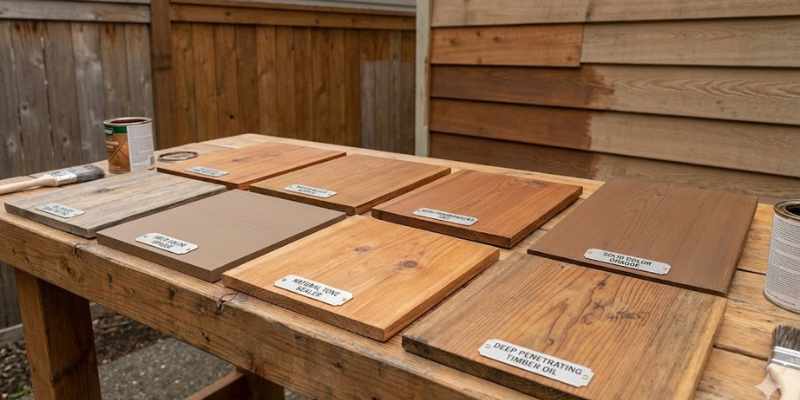
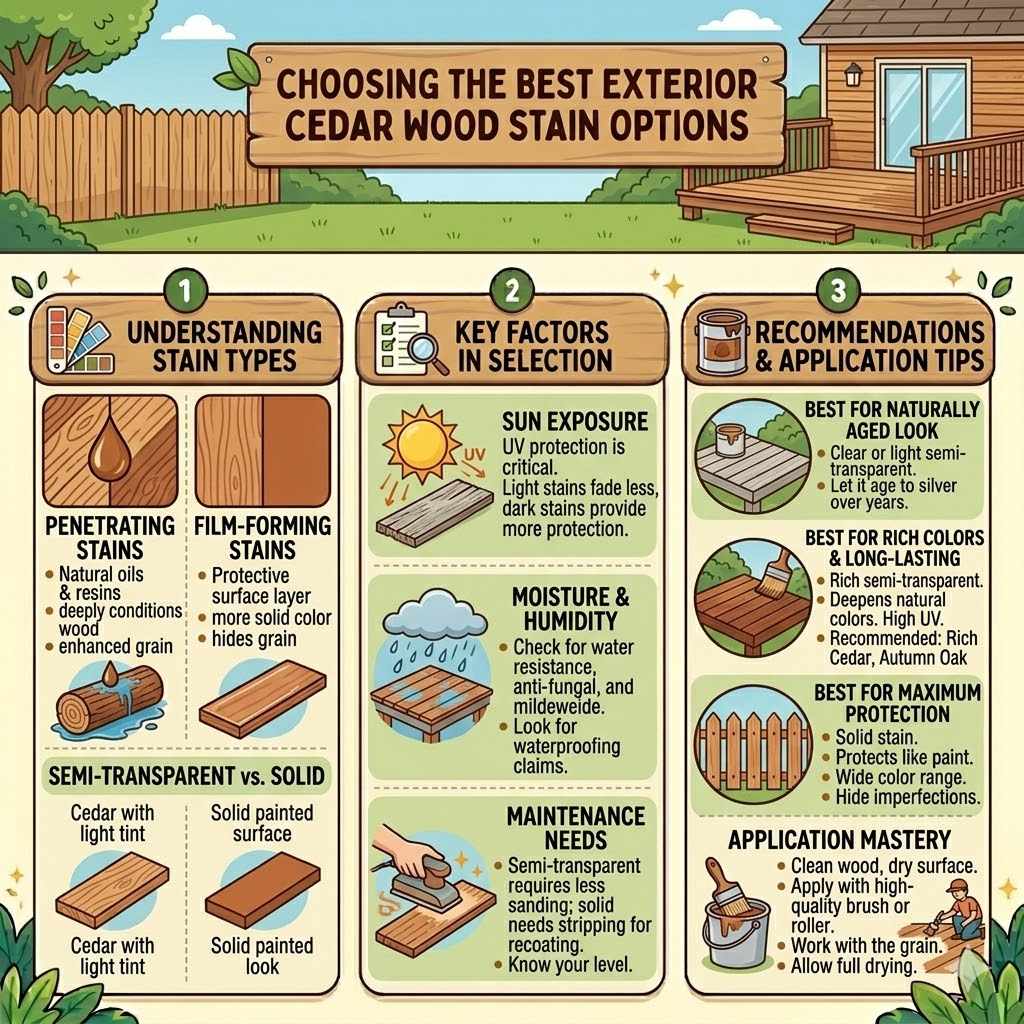
Exterior wood stains come in various forms, each offering different levels of protection and aesthetic appeal. Understanding these types is key to selecting the best option for your cedar wood. They primarily differ in their oil or water base, and the amount of pigment they contain.
Oil-Based Stains
Oil-based stains use mineral spirits or other petroleum distillates as their solvent. They are known for their excellent penetration into the wood, which helps to nourish and protect the cedar from within. This deep penetration can provide a richer, more durable finish.
Oil-based stains are also flexible, allowing the wood to expand and contract naturally without cracking the finish.
These stains typically offer superior protection against moisture and UV rays, extending the life of your cedar. They are often easier to apply and can provide a more natural, lustrous look. However, they can take longer to dry than water-based options and may require specific cleaners for application tools.
Penetration Depth
Oil-based stains excel at soaking deep into the wood fibers. This means they don’t just sit on the surface; they become part of the wood. This deep soak is crucial for cedar as it helps to replenish the natural oils that can be lost over time due to exposure.
It also creates a barrier that helps prevent water from entering the wood, which is a primary cause of rot and damage.
The deep penetration also means that the color is less likely to flake or peel off compared to surface-level finishes. It offers a more integral protection. For cedar, this is particularly beneficial because it helps maintain the wood’s natural look while adding a layer of defense.
Durability and Longevity
Thanks to their deep penetration and flexible nature, oil-based stains are generally very durable. They can withstand harsh weather conditions, including rain, snow, and intense sunlight, for longer periods. This means you won’t have to reapply them as often as some other types of finishes.
This longevity is a significant advantage, saving you time and money in the long run.
Cedar projects treated with quality oil-based stains can maintain their appearance and structural integrity for several years before needing a reapplication. This makes them a cost-effective choice despite their potentially higher upfront cost compared to some water-based alternatives.
Water-Based Stains
Water-based stains use water as their primary solvent. They are generally quicker to dry, easier to clean up with soap and water, and often have lower VOC (volatile organic compound) emissions, making them a more environmentally friendly option. They tend to form a protective film on the surface of the wood rather than penetrating as deeply as oil-based stains.
Water-based stains are available in a wide range of colors and opacities. They are a good choice if you want to achieve a specific look or if you’re working in an area where ventilation is limited. Their faster drying time can also be an advantage for projects where you need to apply multiple coats quickly.
Ease of Application and Cleanup
One of the biggest advantages of water-based stains is how simple they are to use. Cleanup is a breeze; you only need soap and water to wash your brushes and rollers. This saves a lot of time and effort compared to cleaning oil-based stain applicators, which require mineral spirits.
The ease of cleanup makes water-based stains a great option for DIYers or those who prefer less hassle.
These stains also tend to dry much faster than oil-based varieties. This means you can often apply a second coat on the same day, speeding up your project timeline significantly. This is especially helpful if you’re working on a deck or fence and want to get it back into use quickly.
Environmental Impact
Water-based stains are generally considered more eco-friendly. They typically have lower levels of volatile organic compounds (VOCs), which are gases that can be harmful to the environment and your health. This means fewer fumes during application and a reduced impact on air quality.
For those who are sensitive to strong chemical smells or are concerned about their environmental footprint, water-based stains are a compelling choice.
Their production process can also be less energy-intensive, and their disposal is often simpler. Many manufacturers are continually working to improve the performance of water-based stains while maintaining their environmental benefits, making them a sustainable option for protecting your cedar wood.
Understanding Stain Opacity
The opacity of a stain refers to how much of the wood’s natural grain and color it obscures. This is a crucial factor in achieving the desired aesthetic for your cedar wood projects. The opacity ranges from transparent to solid, with each level offering unique benefits and appearances.
Transparent Stains
Transparent stains offer the least amount of pigment. They are designed to highlight the natural beauty of the cedar wood, adding a subtle tone and UV protection without significantly altering its appearance. They allow the wood grain and texture to show through completely.
These stains are ideal when you want to maintain the natural look of your cedar while providing essential protection against the elements. They are often chosen for high-end cedar projects where the wood’s inherent beauty is the primary focus. Because they have so little pigment, they require more frequent reapplication compared to more opaque options.
Appearance and Wood Grain Visibility
Transparent stains are like a clear coat with a hint of color. They enhance the natural color of the cedar, making it appear richer and more vibrant. The wood’s intricate grain patterns, knots, and texture remain fully visible.
This gives your cedar a look that is as close to natural as possible, but with added protection and a slightly deeper hue.
This is perfect for decks, pergolas, or furniture where the beauty of the wood itself is the main attraction. It feels like you’re protecting the wood without covering it up. The slight color added by the stain can help to even out any minor color variations in the cedar planks.
Protection Level and Maintenance
While transparent stains offer UV protection to prevent graying, their protective barrier against moisture and wear is minimal compared to more pigmented stains. Because they have so little pigment, they tend to break down and wear away faster under constant exposure to sunlight and weather. This means you’ll likely need to reapply them more frequently, perhaps every year or two, to maintain optimal protection.
This higher maintenance is the trade-off for preserving the most natural wood look. It’s important to factor this into your decision if you prefer a low-maintenance finish. However, reapplication is usually straightforward, often just requiring a clean surface and a new coat.
Semi-Transparent Stains
Semi-transparent stains contain more pigment than transparent stains but still allow the wood grain to be visible. They add a noticeable color to the cedar while revealing the wood’s texture and natural patterns. These are a very popular choice for exterior wood projects.
They offer a good balance between enhancing the wood’s appearance and providing robust protection. The increased pigment content means better UV resistance and a more durable finish that lasts longer than transparent stains. They are a versatile option for decks, fences, and siding.
Balanced Aesthetics and Protection
Semi-transparent stains strike a wonderful balance. They impart a rich, attractive color to your cedar while still allowing the beautiful wood grain to peek through. This gives your project a warm, inviting look that highlights the natural character of the wood.
It’s a popular choice because it enhances without overwhelming the cedar’s inherent charm.
The added pigment provides superior UV protection, which is essential for preventing the cedar from fading or turning gray. This increased protection means your wood will look good for longer. It’s a great way to add color and style while ensuring the longevity of your cedar structure.
Durability Compared to Transparent Stains
With more pigment, semi-transparent stains offer a significantly more durable finish than transparent ones. The pigment acts as a shield against the sun’s harmful UV rays, slowing down the degradation of the wood fibers. This increased resistance to UV damage means the stain will last longer before showing signs of wear or fading.
This translates to less frequent reapplication. While transparent stains might need attention yearly, semi-transparent stains can often last two to three years or even longer, depending on the specific product and environmental conditions. This makes them a more practical choice for many homeowners seeking a good blend of looks and low maintenance.
Solid Color Stains
Solid color stains, often referred to as stain-and-sealer combinations or deck paints, completely obscure the wood grain. They provide the appearance of paint but with the penetration and protective qualities of a stain. They offer the highest level of UV protection and durability.
These are ideal for older or less attractive cedar projects where the goal is to refresh and protect the wood with a uniform color. They are also a good choice for high-traffic areas like decks where maximum wear protection is needed. However, once applied, they are difficult to remove if you decide you want to see the wood grain again.
Maximum Protection and Hide Grain
Solid color stains offer the ultimate in protection. They create a thick, opaque layer that completely seals the wood from moisture, UV rays, and physical wear. This makes them incredibly durable and long-lasting.
They are an excellent choice for cedar that needs the highest level of defense, such as decks that endure heavy foot traffic and extreme weather.
They completely cover the wood grain, providing a uniform color that can transform the look of your cedar. This is beneficial if your cedar has imperfections or if you want a specific color scheme for your outdoor space that isn’t achievable with less opaque stains. It’s like giving your cedar a brand new painted look, but with the benefits of a stain.
Maintenance and Future Refinishing
Due to their opaque nature, solid color stains can be more challenging to refinish later if you decide to change the color or return to a more natural wood look. Removing a solid stain can be labor-intensive, often requiring aggressive sanding or stripping. This is a key consideration when choosing this type of finish.
However, their durability means you won’t need to refinish them as often. When maintenance is required, it’s typically a cleaning and recoating process, which is simpler than full removal and refinishing. For homeowners who want a low-maintenance, long-lasting solution and are happy with the chosen color, solid stains are a fantastic option.
Key Ingredients to Look For in Cedar Stains
When you’re looking at cans of stain, certain ingredients play a big role in how well the product will protect and beautify your cedar wood. Focusing on these key components can help you make a smarter purchase decision.
UV Inhibitors
UV inhibitors are crucial additives in exterior stains. Their main job is to absorb or reflect the sun’s ultraviolet radiation. Cedar wood, like all wood, is susceptible to damage from UV rays.
Prolonged exposure causes the lignin in the wood to break down, leading to the familiar grayish appearance and making the wood more brittle.
Stains with good UV inhibitors will help maintain the natural color of your cedar for much longer. This means your deck, fence, or siding will look better and require less frequent refinishing. When comparing stains, check if UV inhibitors are specifically mentioned as a key feature.
This is especially important for cedar, which can start to gray relatively quickly without adequate protection.
Mildewcides and Preservatives
Outdoor wood is constantly exposed to moisture, which creates an ideal environment for mold, mildew, and fungi to grow. These organisms can not only make your cedar look unsightly with black spots and green slime but can also degrade the wood itself over time, leading to rot and structural weakening.
Stains that contain mildewcides and preservatives help to prevent the growth of these unwanted organisms. They actively kill or inhibit the development of mold and mildew, keeping your cedar clean and healthy. This is particularly important in damp climates or in shaded areas where moisture tends to linger.
Look for stains that clearly state they offer protection against mildew and rot.
Penetrating Oils (Linseed, Tung Oil)
The type of oil in the stain is very important for cedar. Penetrating oils like linseed oil and tung oil are favored because they soak into the wood fibers. This nourishes the wood, making it more flexible and resistant to drying out and cracking.
Cedar already has natural oils, but these added oils help to reinforce that protection.
These oils help the stain to bond with the wood at a deeper level, offering protection from within. This makes the finish more durable and less prone to peeling or flaking compared to stains that only form a surface film. For cedar, using a stain rich in these penetrating oils is often recommended to maintain its natural beauty and resilience.
Applying Exterior Cedar Wood Stain
Proper application is just as important as choosing the right stain. Even the best product won’t perform well if it’s not applied correctly. Following a few key steps will ensure your cedar wood looks great and stays protected for years to come.
Surface Preparation
Before you apply any stain, preparing the surface of your cedar wood is absolutely essential. This step ensures the stain adheres properly and penetrates the wood evenly, leading to a beautiful and long-lasting finish. Skipping this part can lead to uneven color, poor adhesion, and premature failure of the stain.
Start by cleaning the wood thoroughly. Remove any dirt, debris, mold, or old, peeling stain. You can use a stiff brush and a mild detergent solution for general cleaning.
For tougher grime or old finishes, a pressure washer on a low setting or a dedicated wood cleaner might be necessary. If there’s any gray, weathered wood, you’ll need to use a wood brightener or a light sanding to restore the wood’s natural color and texture.
Cleaning the Wood
Thorough cleaning is the first crucial step. You need to remove all surface contaminants like dirt, dust, pollen, and any mildew or algae growth. Use a good quality exterior wood cleaner.
You can apply it with a garden sprayer or a brush. Let it sit for the time recommended by the cleaner’s instructions, usually 15-20 minutes.
After the cleaner has worked its magic, scrub the wood gently with a stiff bristle brush or a deck brush. This helps to lift away embedded dirt and grime. Rinse the wood thoroughly with a garden hose or a pressure washer on a low setting.
Ensure all cleaning residue is washed away. This step primes the wood for better stain absorption.
Sanding and Stripping
If your cedar wood has old, peeling stain or paint, you’ll need to strip it off completely. Use a chemical stripper designed for wood if the old finish is stubborn. Follow the product instructions carefully and wear appropriate safety gear.
After stripping, or if the wood is just weathered and gray, light sanding is often recommended.
A medium-grit sandpaper (around 80-120 grit) is usually sufficient. Sand in the direction of the wood grain. This not only removes any remaining imperfections but also opens up the wood’s pores, allowing the new stain to penetrate more effectively.
After sanding, be sure to vacuum or wipe away all the dust with a tack cloth or damp rag. A clean surface is key.
Application Techniques
Once your cedar is clean and dry, it’s time to apply the stain. Using the right tools and techniques will ensure an even, attractive finish that offers maximum protection.
Using Brushes, Rollers, or Sprayers
You have a few options for applying stain: brushes, rollers, or sprayers. Brushes are excellent for detailed work and getting into cracks and crevices, especially on detailed surfaces like railings or spindles. Use a high-quality synthetic brush for water-based stains and a natural bristle brush for oil-based stains.
Rollers can speed up the process for large, flat areas like decks. Use a roller with a nap that matches the thickness of the stain. Sprayers offer the fastest application but require careful masking of surrounding areas to prevent overspray.
If you use a sprayer, you’ll likely need to back-brush immediately after to ensure even penetration and avoid lap marks.
Number of Coats and Drying Time
For most semi-transparent and transparent stains, two thin coats are recommended. Apply the first coat evenly, working in manageable sections. Allow it to dry according to the manufacturer’s instructions.
Drying times can vary significantly based on the stain type, temperature, and humidity.
A common mistake is applying a second coat too soon, which can lead to adhesion issues or a gummy finish. For solid stains, one or two coats might be sufficient, depending on the opacity and coverage. Always check the product label for specific recoat times.
Proper drying time between coats is critical for the stain to cure properly and provide maximum protection.
Best Exterior Cedar Wood Stain Brands and Products
When it comes to choosing the Best Exterior Cedar Wood Stain Options, some brands consistently deliver quality and performance. These brands have a reputation for creating durable, effective stains that protect and beautify cedar wood.
Top-Rated Brands for Cedar Stains
Several brands stand out in the market for their commitment to quality and innovation in wood stains. These companies have spent years developing formulas that work exceptionally well on cedar and other exterior woods.
Benjamin Moore
Benjamin Moore is a well-respected name in paints and stains. Their Arborcoat line offers a range of excellent exterior wood stains, including options suitable for cedar. They are known for their durability, color retention, and ease of application.
Their semi-transparent and solid stains provide excellent UV protection, which is vital for keeping cedar looking its best.
Their products often feature advanced mildew resistance and can withstand harsh weather conditions. Benjamin Moore stains are a great choice if you’re looking for a premium product that will deliver long-lasting beauty and protection for your cedar deck, fence, or siding.
Sherwin-Williams
Sherwin-Williams also offers a comprehensive selection of exterior wood stains, with their SuperDeck and WoodScapes lines being particularly popular. These stains are formulated to provide superior protection against moisture, UV rays, and mildew. They come in various opacities, from transparent to solid, allowing you to choose the look that best suits your cedar project.
Sherwin-Williams stains are known for their excellent coverage and ease of application. They are designed to penetrate the wood effectively, offering robust protection that stands up to the elements. Many users report great success with these stains on cedar, appreciating their longevity and rich color.
Cabot
Cabot is a brand that has long been associated with high-quality wood care products, especially stains. Their oil-based stains are particularly renowned for their deep penetration and rich, natural finish on woods like cedar. Cabot offers a wide variety of colors and opacities, including their popular semi-transparent and solid stain options.
These stains are designed to protect against wear, moisture, and UV damage, helping to preserve the natural beauty of cedar. Cabot stains are often chosen by professionals and homeowners alike for their proven performance and ability to enhance the character of wood.
Popular Product Recommendations
Based on performance and user reviews, here are a few specific products that are excellent choices for your cedar wood projects.
Cabot Australian Timber Oil
This is a fantastic option for cedar, especially if you prefer an oil-based stain. Cabot Australian Timber Oil is designed to penetrate deeply into dense woods like cedar, replenishing natural oils and providing exceptional protection. It’s known for its rich, natural look that highlights the wood grain beautifully.
It offers good UV protection and helps prevent drying and cracking.
It comes in a few natural wood tones and is popular for decks, fences, and furniture. Users love its ability to make cedar look rich and well-maintained, while also providing long-lasting defense against weather elements. It’s a favorite for those seeking a more natural, oiled finish rather than a film-forming product.
Sherwin-Williams WoodScapes Semi-Transparent Stain
For a reliable water-based option, Sherwin-Williams WoodScapes Semi-Transparent Stain is a top contender. It offers excellent UV protection and mildew resistance, crucial for maintaining the color and integrity of cedar. This stain allows the wood grain to show through, enhancing the natural beauty of the cedar while adding a rich color.
It’s known for its durability and ease of cleanup. This product is a great all-around choice for cedar decks, fences, and siding, providing a beautiful, protective finish that stands up well to the elements. It’s a good balance of natural look and robust protection.
Benjamin Moore Arborcoat Exterior Stain (Semi-Transparent)
Benjamin Moore’s Arborcoat line is a premium choice for exterior wood care. The semi-transparent version is excellent for cedar, offering superb protection against moisture, UV rays, and mildew. It enhances the natural color of the cedar while allowing the wood grain to remain visible, providing a beautiful and natural finish.
This stain is known for its longevity and excellent color retention, meaning your cedar will look great for longer. It’s a great investment for high-visibility projects where you want a superior, long-lasting appearance and protection for your cedar wood.
Cedar Wood Stain Application Scenarios
Understanding how stains perform in different situations can help you choose the best product for your specific cedar wood project. Here are a few common scenarios and how different stain types might fare.
Deck Staining Scenarios
Decks are arguably the most demanding exterior wood surface. They are constantly exposed to foot traffic, furniture, spills, and all kinds of weather. Choosing the right stain is critical for their longevity and appearance.
Scenario 1: New Cedar Deck in Full Sun
For a new cedar deck that gets intense, direct sunlight all day, you need maximum UV protection. A solid color stain or a high-quality semi-transparent stain with excellent UV inhibitors would be ideal. Solid stains will offer the best defense against fading and graying.
A good semi-transparent stain will still allow some wood grain to show while providing robust protection.
An oil-based solid stain or a high-performance water-based solid stain would be a great choice here. These stains create a durable barrier that shields the wood from the sun’s harsh rays and prevents premature wear. Reapplication might be needed every 3-5 years, depending on the product and the intensity of the sun.
Scenario 2: Older Cedar Deck with Some Wear
If your cedar deck is older and has some wear and tear, or if you want to cover up minor imperfections, a solid color stain is often the best solution. It will completely refresh the look of the deck, providing a uniform color and excellent protection. This is a good way to give an older deck a new lease on life without extensive repair work.
You could also use a semi-solid or a very opaque semi-transparent stain if you want a hint of wood texture to still be visible. The key is to ensure the stain has good hiding power and offers excellent protection against moisture and UV damage. Proper surface preparation, including cleaning and potentially light sanding, is crucial for a smooth finish.
Fence Staining Scenarios
Fences surround your property and are a significant visual element. They need to withstand weather and maintain their appearance to enhance your home’s curb appeal.
Scenario: Cedar Privacy Fence in a Shaded Area
A cedar privacy fence located in a shaded area might be more prone to mildew and moisture retention. In this case, a stain with strong mildewcides and preservatives is essential. A semi-transparent stain that allows the wood to breathe while providing protection would be a good choice.
You want a stain that can handle damp conditions without promoting mold growth.
Look for water-based stains specifically formulated for decks and fences in humid environments. These often contain advanced mildewcides. While UV protection is still important, the primary concern here is preventing the growth of mold and mildew, which can quickly make the fence look dirty and unappealing.
Regular cleaning can also help.
Siding and Trim Staining Scenarios
Cedar siding and trim are vital parts of your home’s exterior, providing both protection and aesthetic appeal. They require stains that offer long-term durability and UV resistance.
Scenario: Cedar Shingle Siding on a House
For cedar shingle siding, you typically want to maintain the natural beauty of the wood while providing protection. A high-quality semi-transparent stain is often preferred, as it enhances the wood grain and adds a subtle color without completely obscuring it. The increased pigment in semi-transparent stains offers good UV protection, preventing the cedar from fading or turning gray over time.
Consider an oil-based stain for deeper penetration and flexibility, or a durable water-based stain if environmental factors or ease of cleanup are a priority. Ensure the stain is rated for siding and trim and offers good resistance to moisture and temperature fluctuations. Proper application, especially around edges and joints, is key to preventing water intrusion.
Maintaining Your Stained Cedar Wood
Once you’ve applied the best exterior cedar wood stain, proper maintenance is key to ensuring its longevity and beauty. Regular care will help your cedar look its best for years to come.
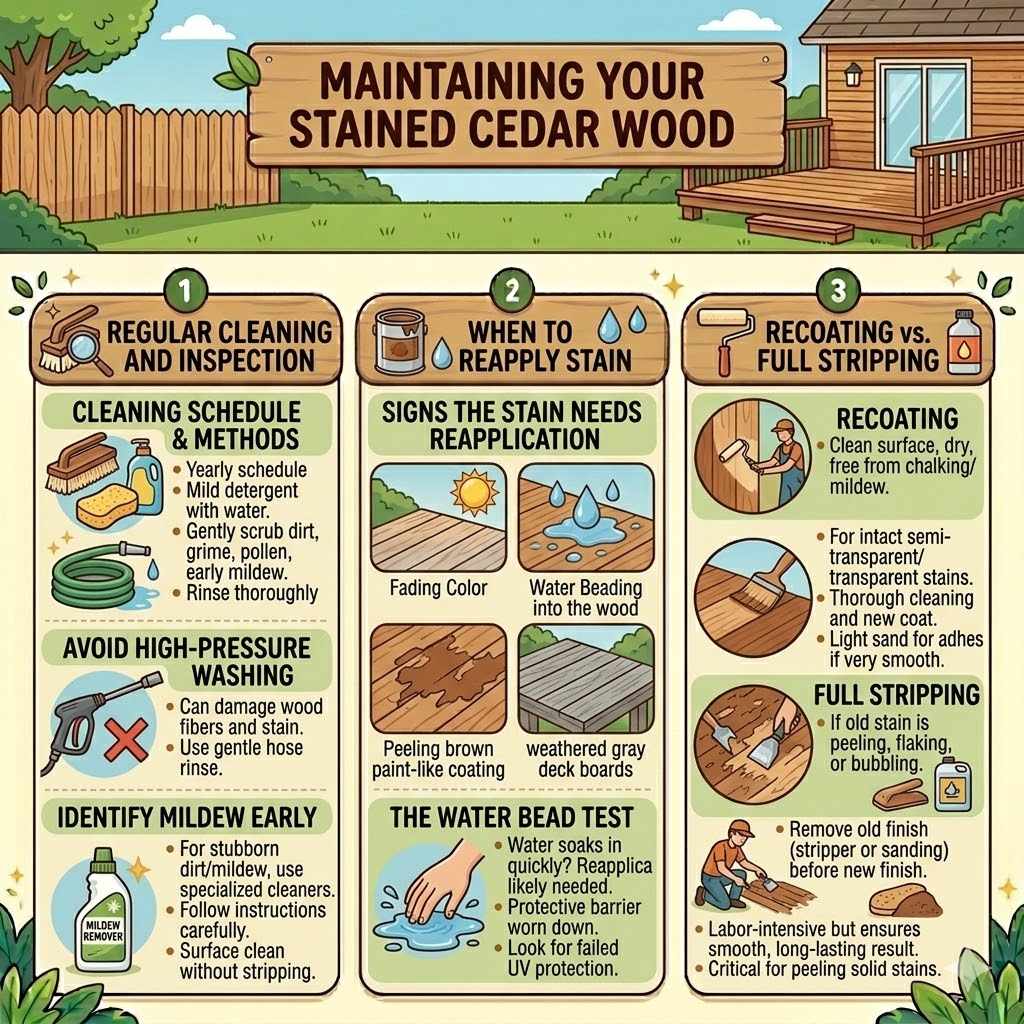
Regular Cleaning and Inspection
The simplest and most effective way to maintain your stained cedar is through regular cleaning and inspection. This helps to catch problems early before they become major issues. Aim to clean your cedar surfaces at least once a year, ideally in the spring.
Cleaning Schedule and Methods
A yearly cleaning schedule is recommended for most stained cedar surfaces. Use a mild detergent mixed with water and a soft-bristle brush or a sponge. Gently scrub the wood to remove dirt, grime, pollen, and any early signs of mildew.
Rinse thoroughly with a garden hose. Avoid high-pressure washing, as it can damage the wood fibers and the stain itself.
If you notice any mildew growth, use a specific mildew remover. For stubborn dirt or stains, a more specialized wood cleaner might be needed. Always follow the product instructions carefully.
The goal is to keep the surface clean without stripping or damaging the stain.
Checking for Wear and Tear
During your cleaning routine, take the opportunity to inspect the stained cedar closely. Look for any areas where the stain might be fading, peeling, or worn away. Pay attention to high-traffic areas on decks or areas exposed to harsh weather.
Check for any signs of cracking, splitting, or warping in the wood itself.
Identifying these issues early allows for timely touch-ups or reapplication of stain. It’s much easier to fix a small worn spot than to refinish an entire deck or fence that has been neglected. Early detection can save you a lot of work and money down the line.
When to Reapply Stain
Knowing when to reapply stain is crucial for maintaining the protection and appearance of your cedar wood. It’s not just about how long ago you last stained it, but about the condition of the existing finish.
Signs the Stain Needs Reapplication
The most obvious sign is fading. If the color has significantly lightened, especially on surfaces exposed to direct sunlight, it’s time to consider reapplication. Another key indicator is water beading.
If water no longer beads up on the surface and instead soaks into the wood, the stain’s protective barrier has likely worn down. You might also see peeling or flaking, particularly with solid color stains.
Look for areas where the wood appears gray or dull. This indicates that the UV protection has failed, and the wood is starting to weather. Sometimes, a simple test is to splash a little water on the surface.
If it soaks in quickly, reapplication is likely needed.
Recoating vs. Full Stripping
In most cases, especially with semi-transparent or transparent stains that haven’t peeled badly, you can simply clean the surface thoroughly and reapply a new coat of stain. This is known as recoating. Ensure the surface is clean, dry, and free from any chalking or mildew.
You might want to do a light scuff sand if the existing surface is very smooth to help with adhesion.
However, if the old stain is peeling, flaking, or bubbling significantly, recoating will not work well. In these situations, you’ll need to remove the old stain completely using a chemical stripper or sanding before applying a new finish. This is more labor-intensive but ensures a smooth, even, and long-lasting result.
For solid stains, it’s especially important to manage peeling by stripping, as recoating over loose paint-like coatings will lead to failure.
Frequently Asked Questions
Question: What is the best type of stain for cedar decks?
Answer: For cedar decks, semi-transparent stains are often recommended. They provide a good balance of enhancing the wood’s natural beauty while offering robust protection against UV rays and moisture. Oil-based semi-transparent stains penetrate well, while high-quality water-based ones offer easier cleanup and faster drying times.
Question: How often should I reapply stain to my cedar fence?
Answer: The frequency of reapplication depends on the type of stain and the environmental exposure. Generally, transparent and semi-transparent stains may need reapplication every 1-3 years. Solid stains can last longer, often 3-5 years or more.
Regular inspection is key to knowing when it’s time.
Question: Can I use a solid stain over a semi-transparent stain on cedar?
Answer: Yes, you can typically apply a solid stain over a semi-transparent stain, provided the old stain is clean, sound, and properly prepared. Solid stains offer complete coverage and are often used to refresh older surfaces or change their appearance entirely. Ensure the surface is free of dirt, mildew, and peeling areas.
Question: Does cedar wood need to be sealed if it’s stained?
Answer: Most exterior wood stains for cedar already contain sealing properties. They are designed to penetrate the wood and offer protection against moisture and UV rays. Adding a separate sealer over a stained cedar surface is usually not necessary and can sometimes interfere with the stain’s performance or adhesion.
Always check the product’s specifications.
Question: Why is my cedar siding turning gray even though it’s stained?
Answer: If your cedar siding is turning gray despite being stained, it likely means the stain’s UV inhibitors have broken down or were insufficient. Cedar naturally weathers to a gray color when exposed to sunlight without adequate protection. It indicates that the stain’s protective layer has worn away and needs reapplication with a product offering better UV resistance.
Summary
Finding the Best Exterior Cedar Wood Stain Options involves understanding stain types and opacity. Look for UV inhibitors and preservatives for maximum protection. Proper preparation and application are key.
Popular brands like Cabot, Sherwin-Williams, and Benjamin Moore offer quality products. Regular cleaning and timely reapplication will keep your cedar looking beautiful and protected for years.