Best Way to Remove Flaking Paint: Expert Tips for Smooth Surfaces
Is your paint peeling and flaking, making your walls look old and worn out? You’re not alone, and the good news is there’s a simple way to fix it.
Removing flaking paint the right way can save you time, money, and frustration. You’ll discover the best method to get smooth, clean surfaces ready for a fresh coat. Keep reading, and you’ll learn easy steps that anyone can follow to make your walls look brand new again.
Causes Of Flaking Paint
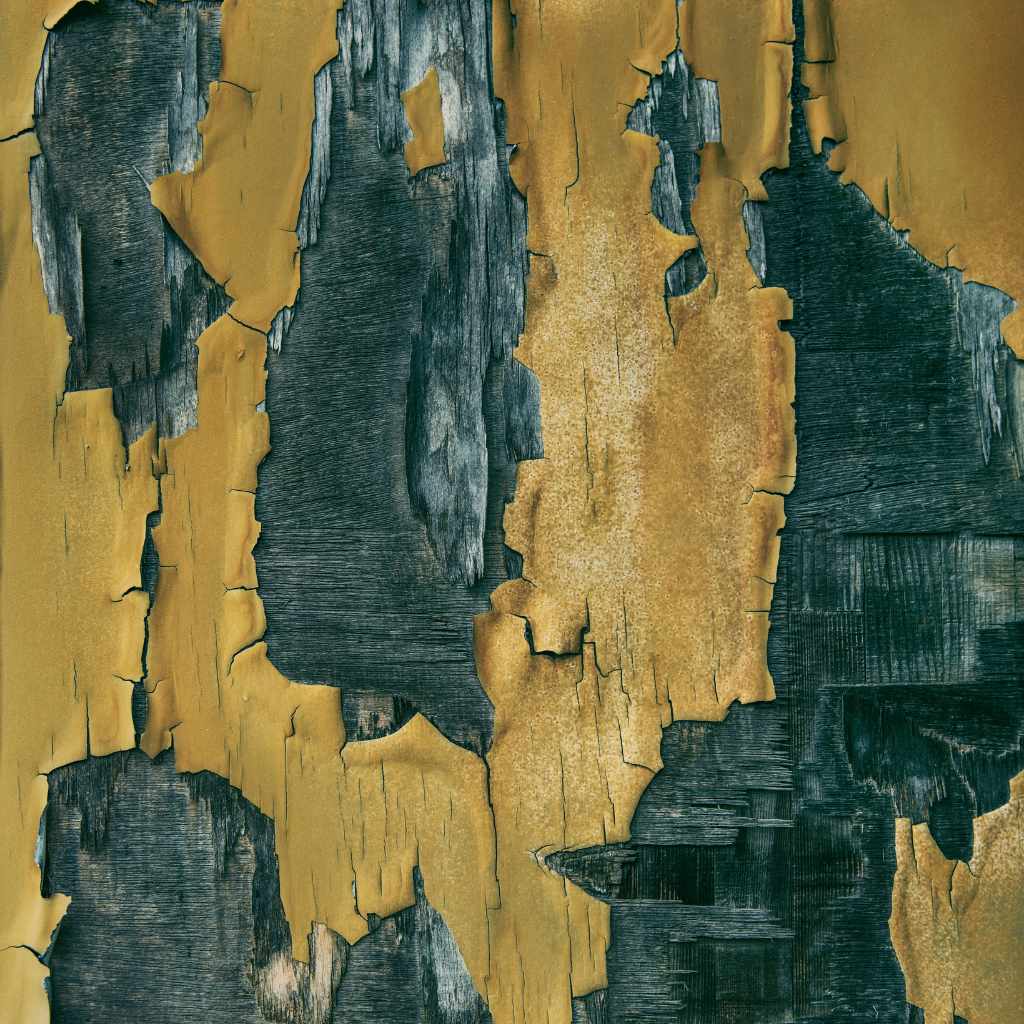
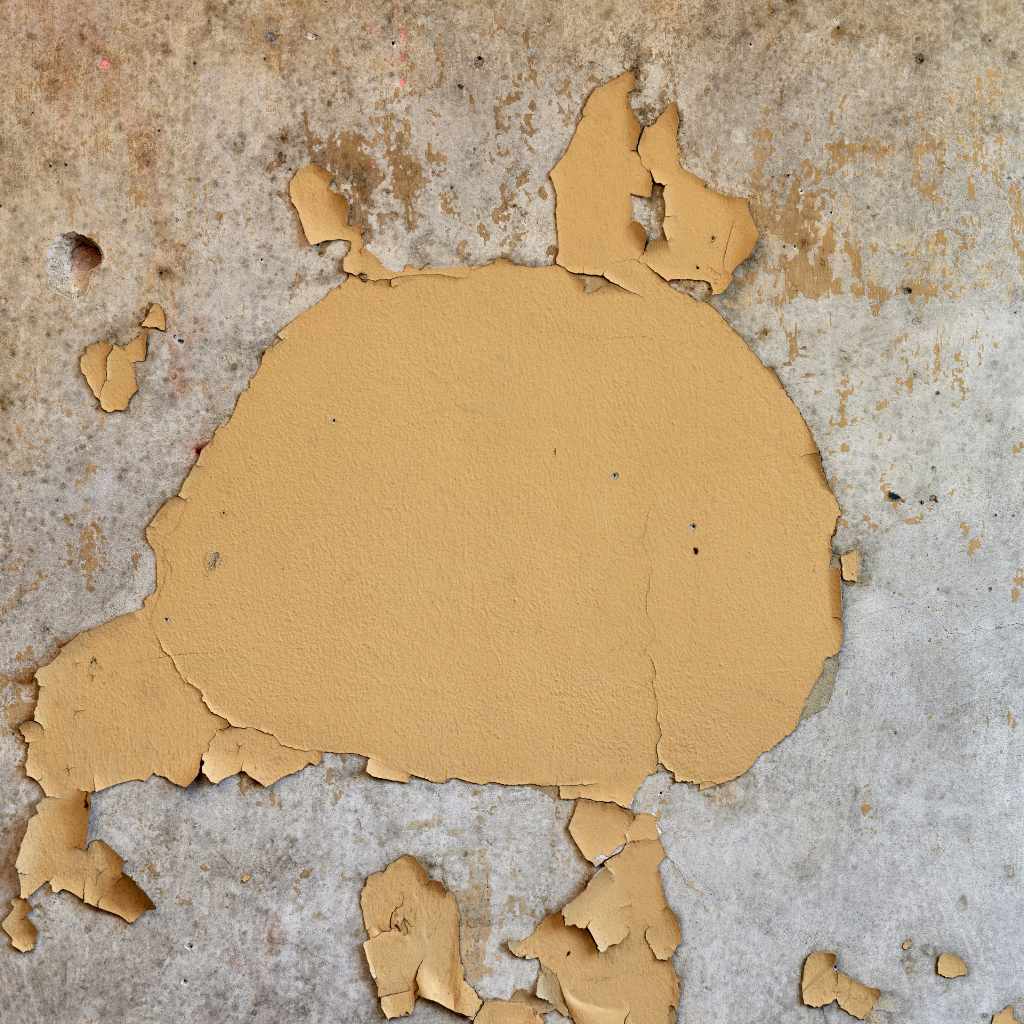
Flaking paint is a common problem that affects many homes. It can make walls look old and damaged. Understanding what causes paint to flake helps to fix it properly. Several factors can lead to paint peeling off surfaces.
Moisture And Humidity
Moisture is one of the main causes of paint flaking. Water seeps into walls from leaks or high humidity. This weakens the paint’s bond with the surface. Damp walls cause paint to bubble and peel away easily.
Poor Surface Preparation
Painting over dirty or rough surfaces causes poor adhesion. Dust, grease, or old paint layers stop new paint from sticking well. Without cleaning and sanding, paint peels quickly. Proper surface preparation is essential for long-lasting paint.
Low-quality Paint
Cheap paint often lacks strong binding ingredients. It dries too fast or cracks under stress. Low-quality paint cannot handle weather changes well. Using better paint ensures a smoother and stronger finish.
Temperature Fluctuations
Extreme changes in temperature cause surfaces to expand and contract. This movement breaks the paint film. Hot days and cold nights create stress on paint layers. Over time, this leads to cracking and flaking paint.
Tools For Paint Removal
Removing flaking paint requires the right tools for a smooth and clean surface. Different tools work best for different paint types and surfaces. Choosing the right tool helps save time and effort. It also prevents damage to the surface beneath the paint.
Scrapers And Putty Knives
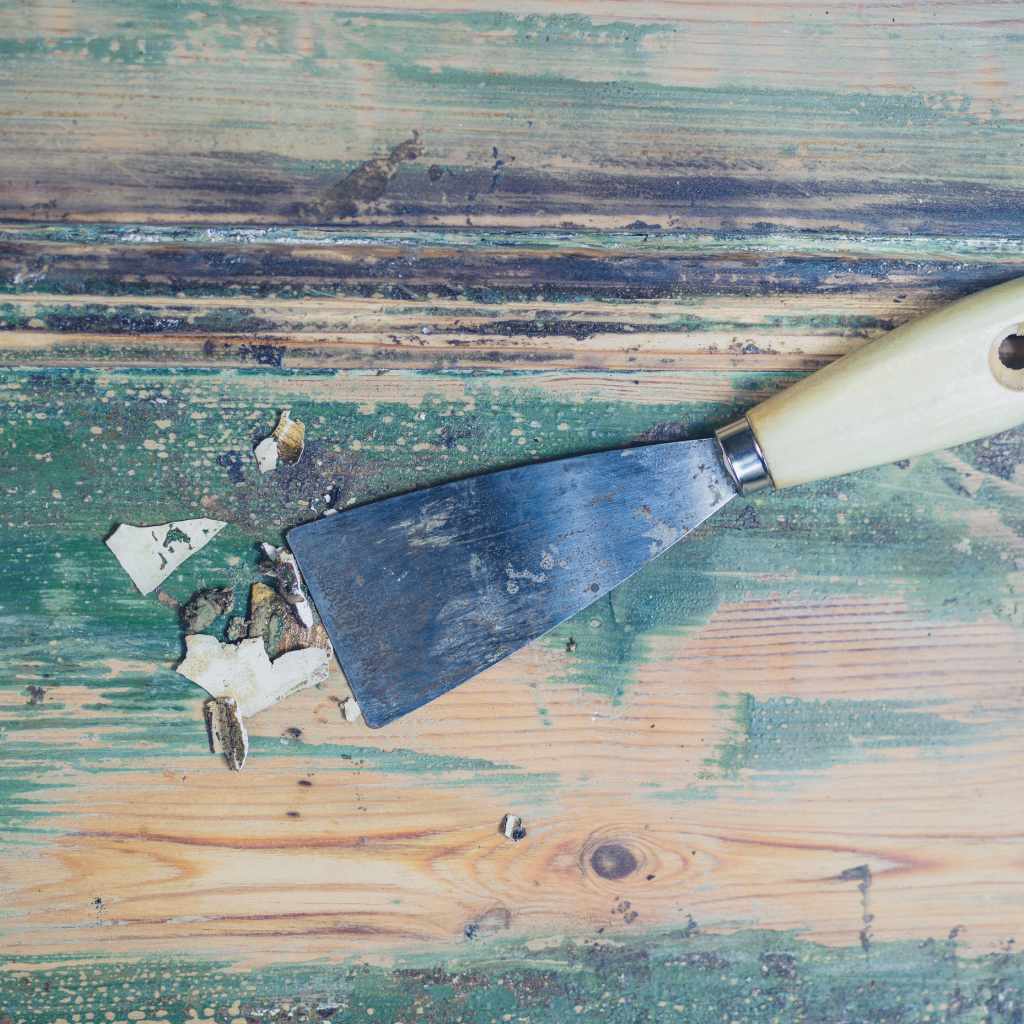
Scrapers and putty knives are basic tools for paint removal. They work well on small areas with loose paint. These tools gently lift the flaking paint without harming the surface. Use a wide blade scraper for large flat areas. A putty knife is good for tight spots and edges. Always scrape at a low angle to avoid gouging the surface.
Heat Guns
Heat guns soften old paint for easier removal. The hot air loosens the paint, making it peel off quickly. Hold the heat gun a few inches from the surface. Move it slowly to avoid burning the wood or wall. Use a scraper right after heating to lift the softened paint. Heat guns are best for thick or multiple layers of paint.
Chemical Strippers
Chemical strippers dissolve paint so you can wipe it away. These work well on stubborn or hard-to-reach areas. Apply the stripper with a brush and wait for it to work. The paint will bubble or peel off after a few minutes. Use gloves and work in a ventilated area for safety. Always follow the product instructions carefully.
Sanding Equipment
Sanding removes leftover paint and smooths the surface. Use sandpaper or electric sanders depending on the job size. Start with coarse grit to remove paint layers. Finish with fine grit for a smooth finish. Sanding helps prepare the surface for new paint. Wear a mask to avoid inhaling dust particles.
Step-by-step Paint Removal
Removing flaking paint is a careful process. Doing it step-by-step helps protect the surface and gets rid of old paint fully. Follow these steps to prepare your space, clear loose paint, smooth the area, and clean it well.
Preparing The Work Area
Clear the area around the surface you will work on. Cover floors and furniture with drop cloths or plastic sheets. Open windows for fresh air. Wear safety goggles and a dust mask. This keeps you safe from dust and paint chips.
Removing Loose Paint
Use a paint scraper or putty knife to lift loose paint. Work gently to avoid damaging the surface underneath. Remove all flakes and peeling spots. Check carefully for any remaining weak paint. Proper removal stops future peeling.
Sanding For Smoothness
Sand the surface with medium-grit sandpaper. Move in a circular motion to even out rough spots. Sand edges where paint was removed to blend with the surface. Finish with fine-grit sandpaper for a smooth feel. This helps new paint stick better.
Cleaning The Surface
Wipe the surface with a damp cloth to remove dust and debris. Use a mild detergent if needed to clear grease or dirt. Let the surface dry completely before painting. A clean surface ensures better paint adhesion and a neat finish.
Safety Measures
Removing flaking paint can be risky without proper safety steps. Taking the right safety measures protects your health and home. Follow these key safety tips to work safely and avoid accidents.
Protective Gear
Wear gloves to protect your hands from sharp edges and chemicals. Use safety goggles to guard your eyes against dust and paint chips. A dust mask or respirator helps prevent inhaling harmful particles. Long sleeves and pants reduce skin contact with paint and chemicals.
Ventilation Tips
Work in a well-ventilated area to avoid breathing in fumes. Open windows and doors to allow fresh air inside. Use fans to improve air circulation. Avoid working in small, closed rooms without airflow. Proper ventilation lowers health risks from dust and chemicals.
Handling Chemicals Safely
Read all labels before using paint removers or solvents. Use only the amount needed for the job. Keep chemicals away from children and pets. Store chemicals in cool, dry places with tight lids. Dispose of leftover chemicals following local rules to protect the environment.
Choosing The Right Paint
Choosing the right paint is key to stopping flaking paint problems. The paint you pick affects how long your walls stay smooth and fresh. Knowing which paint works best helps protect your surfaces and saves time on repairs. Focus on durability, proper priming, and good application for the best results.
Types Of Paint For Durability
Use high-quality paint designed for strong protection. Acrylic latex paint works well for most surfaces. It resists peeling and handles moisture better than others. Oil-based paint offers a tough finish but needs more drying time. Choose paint made for your surface type to avoid future flaking.
Primers To Prevent Flaking
Primers create a strong base for paint to stick. They block stains and seal porous surfaces. Use a primer that matches your paint type. This step prevents paint from peeling off later. Skipping primer often leads to quick flaking and damage.
Application Techniques
Apply paint evenly in thin layers to avoid thick spots. Use quality brushes or rollers for smooth coverage. Allow each coat to dry fully before adding the next. Avoid painting in very hot or cold weather. Proper technique helps paint hold better and last longer.
Maintenance Tips To Prevent Flaking
Preventing paint from flaking saves time and money. Simple maintenance keeps your walls smooth and fresh. Follow these tips to stop peeling before it starts.
Regular Inspections
Check painted surfaces often. Look for small cracks or bubbles. Early signs mean easier fixes. Catch problems before they grow bigger. Use a flashlight for dark corners. Inspect after storms or heavy rain. Fix tiny issues quickly to avoid flaking.
Controlling Moisture
Moisture causes paint to peel fast. Keep walls dry inside and out. Fix leaks in roofs and pipes. Use dehumidifiers in damp rooms. Proper ventilation helps reduce moisture build-up. Seal windows and doors tightly. Dry surfaces before painting for best results.
Touch-up Strategies
Small paint chips need quick attention. Clean the area well before painting. Use matching paint for a smooth look. Apply thin layers and let dry fully. Regular touch-ups keep walls neat. Avoid thick paint coats to prevent cracking. Keep some paint for quick repairs.
Frequently Asked Questions
What Is The Best Tool To Remove Flaking Paint?
A scraper or putty knife is ideal for removing flaking paint. Use gentle pressure to avoid surface damage. Sandpaper can smooth edges after scraping. For large areas, consider a power sander for efficiency. Always wear protective gear during removal.
How Do I Prevent Paint From Flaking Again?
Ensure surfaces are clean, dry, and free from grease before painting. Apply a quality primer suited to the surface. Use high-quality paint with proper drying time between coats. Maintain stable humidity and temperature to avoid paint failure.
Can I Remove Flaking Paint Without Chemicals?
Yes, manual scraping and sanding effectively remove flaking paint without chemicals. Use a scraper and sandpaper to clean the area. This method is safer and eco-friendly, ideal for small to medium projects. Chemicals may be necessary for stubborn paint layers.
Is Sanding Necessary After Removing Flaking Paint?
Yes, sanding smooths rough edges and prepares the surface for repainting. It ensures better paint adhesion and a professional finish. Use fine-grit sandpaper for best results. Always clean dust before applying new paint to avoid imperfections.
Conclusion
Removing flaking paint starts with proper surface preparation. Scrape off loose paint carefully to avoid damage. Sand the area smooth for better paint grip. Clean the surface to remove dust and dirt. Use a good primer to help new paint stick.
Choose quality paint for lasting results. Regular maintenance keeps paint looking fresh longer. These steps ensure a neat, durable finish every time. Simple actions make a big difference in your paint job. Try these tips for a smooth, clean wall.