Birch Vs Beech Wood: Which is Best for Your Furniture Needs?
Birch and beech are both pale, tight-grained hardwoods that look more alike than most wood comparisons you’ll find — the real differences show up in hardness, how each one moves with humidity, and what each is actually built to do. Beech is the harder, denser wood and the classic choice for steam-bent furniture; birch is slightly softer, more dimensionally stable, and the wood behind most quality plywood.
A lot of comparisons online describe beech as “darker” or “reddish-brown” next to a pale birch — that’s not quite right. Both are genuinely light-colored woods, and telling them apart by eye takes a closer look than most guides suggest.
Color: Closer Than You’d Expect
Best Fix For Blotchy Stain
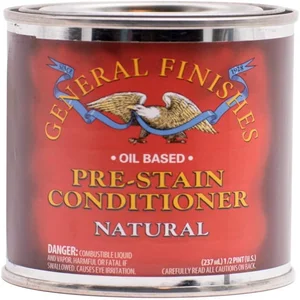 |
General Finishes Oil-Based Pre-Stain Wood Conditioner – $19.99 Evens out absorption in tight-grained woods like birch and beech before staining, so pigment goes on uniform instead of blotchy.
|
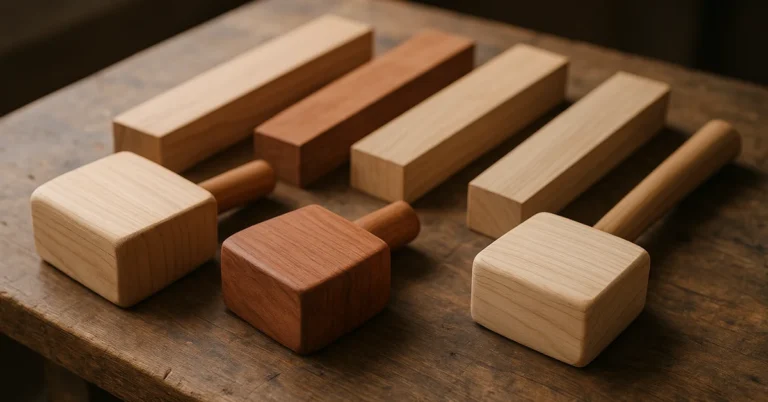
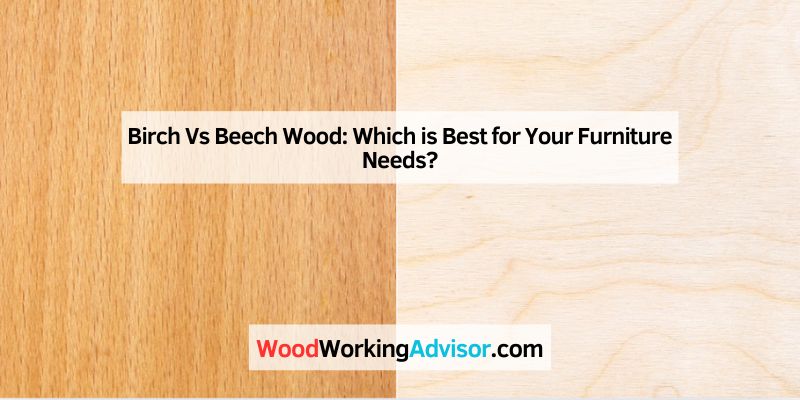
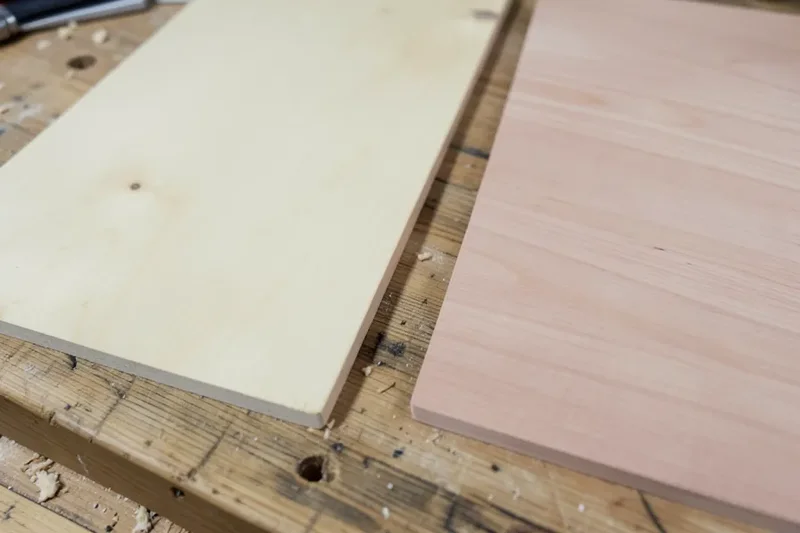
Birch runs pale cream to light yellow, sometimes with subtle reddish-brown streaks, and has a straight, fine, fairly uniform grain with a slight satin sheen. Beech leans pale pinkish-tan to pinkish-beige — the pink undertone is the real tell, not a dramatic color difference. Steamed beech (a common commercial processing step) shifts noticeably pinker, which is part of why some comparisons overstate the color gap; unsteamed beech is much closer to birch’s pale tone than people expect.
Hardness And Durability
| Property | Birch | Beech |
|---|---|---|
| Janka hardness | ~1,260 lbf | ~1,450 lbf |
| Density | Medium | Medium-high |
| Rot resistance (outdoor use) | Poor | Poor |
| Dimensional stability (humidity movement) | Moderate | Higher movement, more prone to warping |
Beech is measurably harder and holds up better to dents and scuffs, which is exactly why it’s the standard choice for butcher blocks, tool handles, and chair frames that take repeated stress. The tradeoff is that beech moves more with seasonal humidity changes than birch does, so it needs to be properly kiln-dried and is a riskier choice for wide, unbraced panels where warping would show. Neither wood tolerates outdoor exposure well — both are strictly interior woods unless heavily treated.
The Use Case Most Comparisons Miss: Bending
Beech’s real claim to fame in furniture history is steam bending. It’s the wood behind classic bentwood chairs (the iconic Thonet No. 14 chair, for one) because its fiber structure tolerates being steamed and curved into shape without cracking better than almost any other common hardwood. If a project involves curved chair backs, bent rims, or similarly shaped parts, beech is the wood woodworkers reach for specifically because of this property — not just because it’s hard.
Birch’s signature use is different: high-quality plywood. Baltic birch plywood is built from many thin birch veneer layers with minimal internal voids, which makes it unusually stable, strong for its thickness, and a favorite for jigs, cabinetry, and anything where sheet-good stability matters more than solid-wood character.
Workability
Birch’s lower density makes it easier on hand tools and less likely to split during nailing or screwing, which is part of why it’s often recommended for beginners. Beech’s extra hardness means it blunts edge tools a bit faster and takes more effort to hand-plane, but it rewards that effort with an exceptionally smooth, tight sanded surface. Both take stain and paint well, though birch’s grain is subtle enough that it reads almost uniform under paint, while beech’s tighter, slightly more figured grain shows a little more texture through a clear finish.
Cost And Availability
Beech is inexpensive for a hardwood mainly because European beech forests are extensive and the tree grows relatively quickly and abundantly — it’s not because the wood is low quality or less durable, which is a common misconception. Birch is similarly affordable and widely available, especially in North America, making both accessible choices next to pricier hardwoods like walnut or cherry.
Best Uses For Each
| Birch | Beech |
|---|---|
| Cabinetry and shelving | Chairs and other bent or curved parts |
| Baltic birch plywood, jigs and fixtures | Butcher blocks and cutting boards |
| Painted furniture | Tool handles |
| Flooring | Turned items and small kitchenware |
Maintenance
Dust both with a dry or barely damp soft cloth; standing water or heavy wet-wiping is the main threat to either wood since neither is naturally moisture-resistant. A wood polish or wax every few months keeps birch’s finish looking fresh. Beech items that see daily wear, like cutting boards, benefit from periodic food-safe mineral oil to keep the surface from drying and to reduce the wood movement that comes with humidity swings.
Frequently Asked Questions
Is Beech Better Than Birch?
Neither is universally better — beech is harder, more durable under wear, and excellent for bending, while birch is more dimensionally stable, easier to work by hand, and the standard choice for high-quality plywood. The right pick depends on the specific project.
What Is The Difference Between A Birch Tree And A Beech Tree?
Birch trees have thin, often white or silvery bark that peels in papery layers, with small, triangular, serrated leaves. Beech trees have smooth, gray, unpeeling bark and oval leaves with a wavy edge.
What Is A Disadvantage Of Beech Wood?
Beech has relatively high wood movement, meaning it expands and contracts more with humidity changes than many hardwoods, making it prone to warping if it isn’t properly kiln-dried or is used in wide, unbraced panels.
Why Is Beech So Cheap For A Hardwood?
Beech is affordable mainly because it’s abundant and fast-growing in European forests, not because it’s low quality — it’s actually one of the harder common hardwoods. Its price reflects supply, not weakness.
Bottom Line
Pick beech when the project needs hardness, wear resistance, or steam-bent curves; pick birch when you want more dimensional stability, easier hand-tool work, or plywood-grade sheet stability. Both are pale, affordable hardwoods that look more similar than most comparisons suggest — the decision comes down to what the piece actually needs to do, not which one looks nicer.
Sponsored / affiliate links. As an Amazon Associate I earn from qualifying purchases. I may earn additional commission from eligible campaigns.