Black and Decker Scroll Saw: Discontinued, Best Alternative
Black and Decker no longer manufactures a scroll saw — both the BT4000 and BDSS100 are discontinued and show as “Currently unavailable” on Amazon with no restock date. Buying a used one means no warranty and often a worn tilting table. This guide covers what those two models offered, why they’re gone, and the closest current alternative for the same hobbyist price range.
The Black & Decker scroll saw offers a good balance of features and affordability for hobbyists and DIYers. It’s known for its ease of use and ability to handle intricate cuts on various materials. Many users praise its lightweight design and quiet operation, making it a pleasant addition to any workshop. It’s a solid choice for smaller projects and detailed woodworking tasks where precision is key.
What is a Black & Decker Scroll Saw?
Best Current Alternative to the Discontinued B&D Scroll Saw
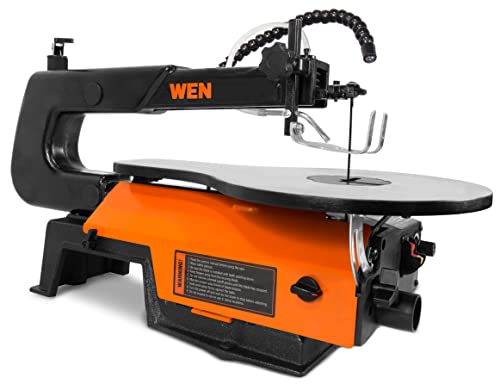 |
WEN Variable Speed Scroll Saw, 16-Inch with Work Light andWEN | Our pick | $158.46
Price as of 20 Oct 2026
|
View |
A Black & Decker scroll saw is a tool for cutting intricate shapes. Think of it like a very fine, powered jigsaw. It uses a thin, up-and-down blade. This blade moves fast. It allows you to make smooth curves and sharp turns in wood, plastic, or even thin metal. Black & Decker designs these saws for home workshops. They are often chosen by crafters and DIY enthusiasts. These users need precision for detailed work.
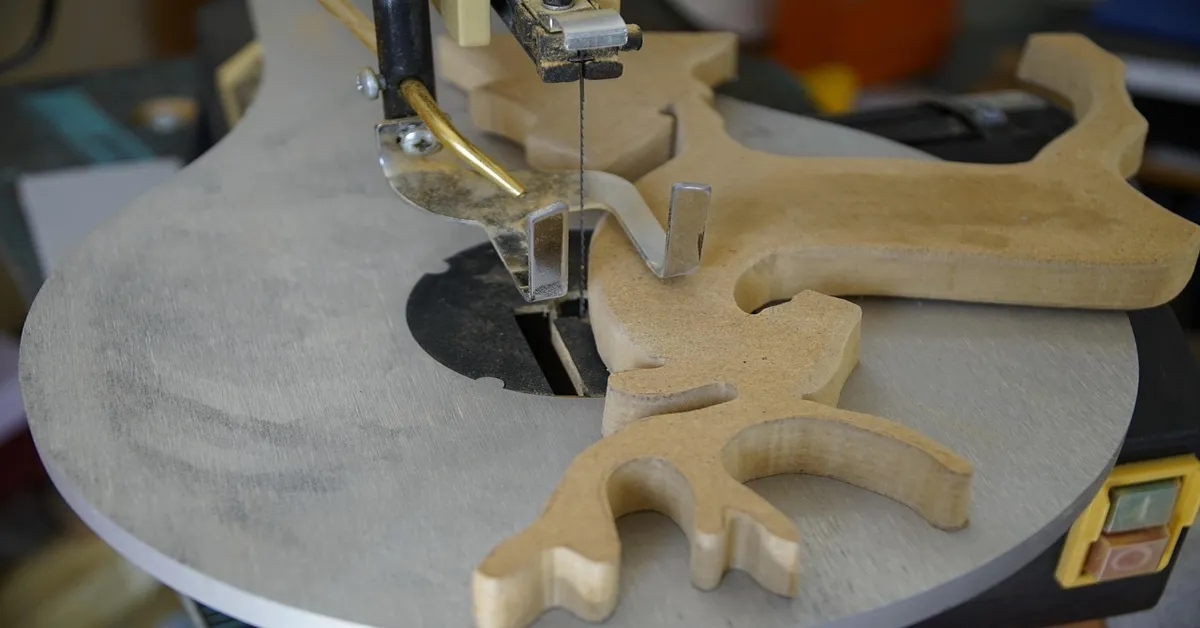
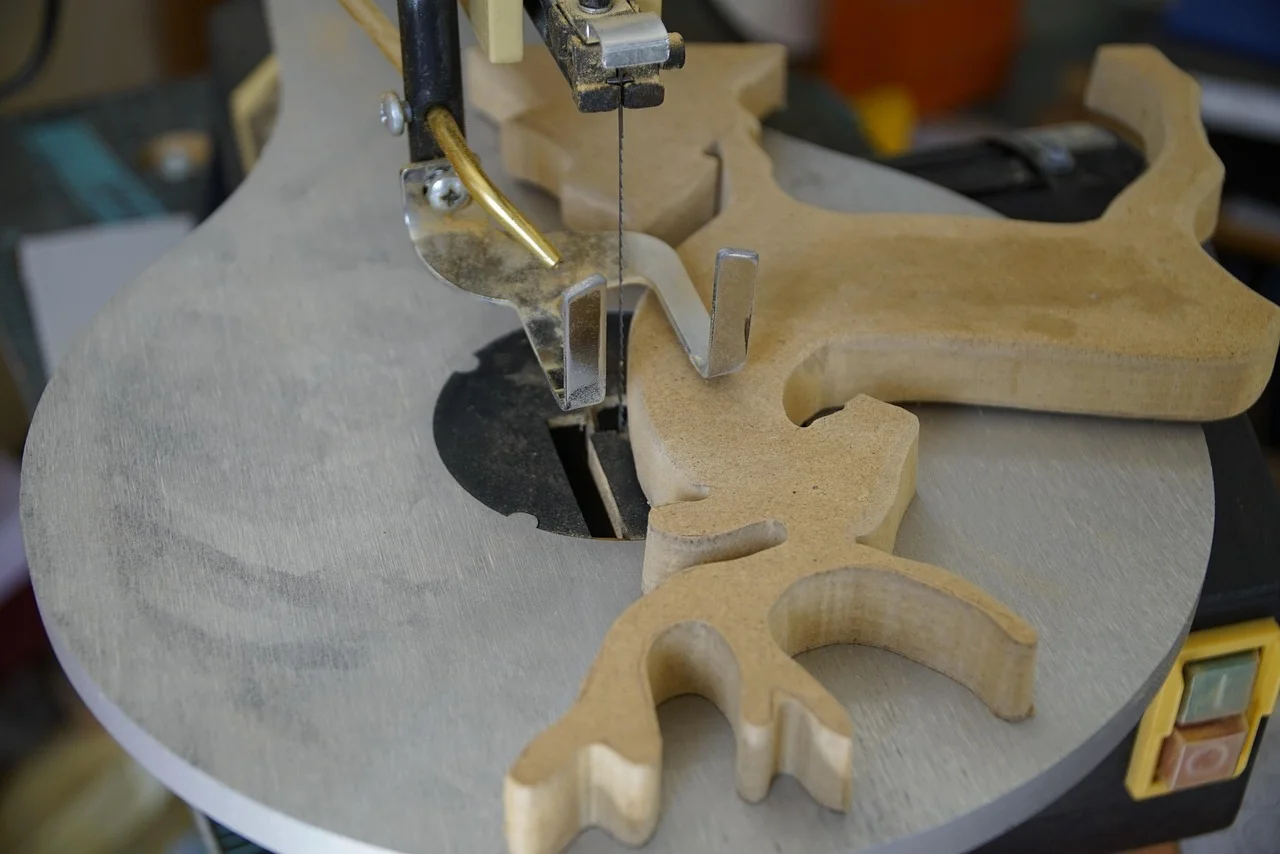
The saw’s main job is creating decorative elements. It can make signs, puzzles, or model pieces. It’s not meant for heavy-duty lumber work. Instead, it excels at fine craftsmanship. You can cut inside a piece of wood. This is called an internal cut. You do this by drilling a small hole first. Then, you thread the blade through the hole. This lets you cut designs without needing an entry cut from the edge.
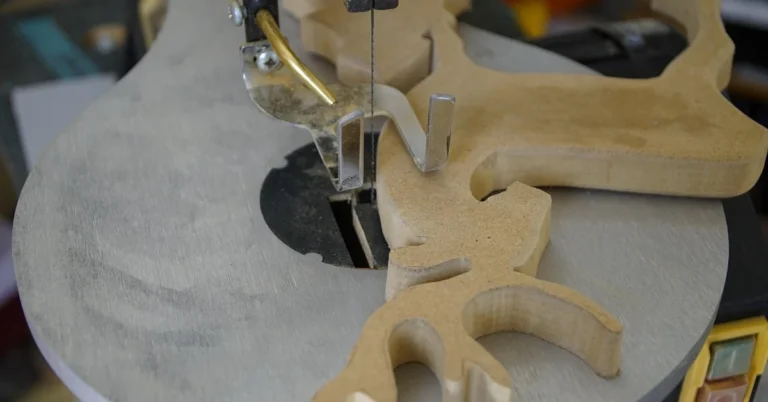
Black & Decker scroll saws typically have a flat table. This is where you place your material. The table supports the wood as you guide it. The blade comes up through a slot in this table. Many models have a dust blower. This keeps your cutting line clear so you can see what you’re doing. Some also have dust ports. You can hook up a shop vac to these. This helps keep your workspace clean.
The motor is usually housed in the base or arm of the saw. It drives the blade up and down. Power levels vary by model. But for home use, they are generally sufficient. The speed of the blade is also important. Some saws offer variable speed control. This lets you match the speed to the material you are cutting. Softer woods might need a slower speed. Harder materials might need a faster one.
How Does a Scroll Saw Work?
A scroll saw works with a reciprocating blade. This means the blade moves up and down. An electric motor powers this motion. The motor turns a crankshaft or a similar mechanism. This converts the spinning motion into the back-and-forth stroke of the blade. The blade itself is very thin and has teeth. These teeth cut the material as the blade moves.
The blade is held taut by a tensioning system. This is usually a lever or knob. Proper tension is crucial for clean cuts. Too loose, and the blade will wander. Too tight, and the blade might break. The blade is attached to an upper and lower arm. These arms guide the blade’s movement. They ensure it stays vertical.
Your material rests on a flat table. You push and guide the material with your hands. The blade moves through a narrow slot in the table. The speed at which you move the material against the blade determines how fast you cut. Slow, careful movements are best for detailed work. Faster movements are okay for straighter lines.
Many scroll saws have adjustable tilting tables. This allows you to make angled cuts, called bevels. This adds another layer of complexity to your projects. The motor drives a small gear that connects to the blade assembly. The power needed isn’t huge, as the blade is thin and the cuts are usually shallow.
Black & Decker Scroll Saw Models: A Closer Look
Black & Decker offers a range of scroll saws. They aim to serve different user needs. You’ll find models that are great for beginners. Others offer more advanced features for serious hobbyists. Let’s break down what you might see.
Some popular models might be the BD200 or similar iterations. These often focus on ease of use. They might have a single speed. Or they might have a few preset speeds. The table size is another key feature. A larger table gives you more support for bigger pieces. But it also takes up more space.
Features to look for include blade clamp type. Some use tool-less clamps. This means you don’t need extra tools to change the blade. This is a big time-saver. Others require a small wrench. Dust collection is another important point. A good dust blower or port makes a difference in your work.
Variable speed control is a feature found on more advanced models. This is very helpful. It lets you slow down the blade for delicate work. Or speed it up for faster cuts. The stroke length of the blade also matters. A longer stroke can cut through thicker material more easily. But it can also make very fine work harder.
Motor power is often listed in amps. More amps usually mean a stronger motor. But for scroll saw work, extreme power is less important than control. The throat depth is also a specification. This is the distance from the blade to the back of the saw’s frame. A deeper throat lets you cut wider pieces.
Consider the noise level too. Some saws are much louder than others. If you work in a shared space or live in an apartment, this is important. Black & Decker generally aims for reasonable noise levels. But it’s always good to check reviews.
What Makes Them Stand Out?
Black & Decker scroll saws often stand out because of their focus on the home user. They are usually:
Affordable: They tend to be priced competitively. This makes them accessible to many people.
User-Friendly: Setup and operation are typically straightforward. This is great for beginners.
Compact: Many models are designed to fit on a workbench without taking up too much space.
Decent for Detail: While not professional-grade, they can handle intricate cuts for many hobby projects.
They might not have all the bells and whistles of high-end saws. But they deliver good performance for the price. This is where their value lies.
Reviews and User Experiences
When looking at any tool, real user feedback is gold. For Black & Decker scroll saws, reviews often highlight a few key points. Many users are happy with how easy they are to set up. Some mention that changing the blade is simple. This is a big plus when you’re focused on a project.
One common theme is their suitability for beginners. People who are new to woodworking or crafting often find these saws less intimidating. They can learn the basics of scroll sawing without a huge investment.
“I bought my first Black & Decker scroll saw last year. I wanted to try making some wooden ornaments for Christmas. I’d never used one before. It was so easy to figure out. The instructions were clear. I was cutting out little snowflakes in no time. The blade was small enough for all the tiny details. It made my projects look so much more professional than I expected for a first try.” – Sarah K.
Another point often made is about the noise. While no saw is silent, many users find Black & Decker models reasonably quiet. This is a benefit if you’re working in a garage or basement where others might be nearby.
However, some reviews point out limitations. For users wanting to cut thicker woods or very hard materials, these saws might struggle. The motors are not as powerful as industrial-grade machines. So, forcing the material can lead to poor cuts or even damage the saw.
Blade breakage is another concern for some. This can happen with any scroll saw if the tension isn’t right or if you try to turn too sharply. But a few reviews suggest that blades might break more often on lower-end models if pushed too hard.
Dust collection can also be a mixed bag. Some models have decent dust blowers. Others might not have strong enough airflow. Users sometimes recommend investing in a shop vac for better dust management.
Overall, the consensus is that Black & Decker scroll saws are excellent for their price point. They are best for smaller projects, intricate details, and users who are new to scroll sawing. If you need to cut large pieces of thick hardwood regularly, you might need to look at higher-end brands. But for most home hobbyists, they offer a great starting point.
Common Issues and How to Address Them
Like any tool, scroll saws can have issues. Here are some common ones and how to fix them.
Blade Wobbling: This usually means the blade tension is too low. Tighten the blade using the tensioning knob or lever. Ensure the blade is seated correctly in its holders.
Rough Cuts: This can be caused by a dull blade, incorrect blade tension, or moving the wood too fast. Try a new, sharp blade. Check your tension. Slow down your feed rate. Ensure you are using the correct blade type for your material.
Motor Overheating: This happens if you push the saw too hard. Or if it’s running for too long without a break. Give the saw a rest. Make sure air vents are clear. Avoid forcing the wood.
Difficulty Cutting Thick Material: The saw may not be powerful enough. Or the blade is too fine for the job. Try a thicker, coarser blade if your saw supports it. If not, this project might be too much for this particular saw.
Dust Buildup: Ensure you’re using any available dust port with a vacuum. If there’s a blower, make sure it’s not blocked. Sometimes, frequent stops to clear dust manually are needed.
Addressing these issues usually involves simple adjustments. It often comes down to understanding the saw’s limits and maintaining it properly.
Key Features to Consider in a Black & Decker Scroll Saw
When you’re shopping for a Black & Decker scroll saw, certain features will make a big difference. Thinking about these before you buy can save you hassle later.
Variable Speed Control: This is a feature that many users wish they had on simpler models. Being able to adjust the blade speed is very helpful. It lets you cut different materials with more control. Softer woods need a slower speed. Harder woods and plastics do better with faster speeds. It also helps with intricate cuts. You can slow it down for tight turns.
Table Size and Tilt: The size of the table affects how large a piece you can comfortably work with. A bigger table offers more support. The ability to tilt the table is also important. This lets you cut bevels, which are angled edges. Many Black & Decker models offer a tilting table, often up to 45 degrees.
Blade Change System: How easy is it to swap out the blade? Tool-less blade clamps are a major convenience. You don’t need to hunt for a hex key or screwdriver. This means you can switch blades much faster. It helps keep your workflow going.
Dust Management: A clean work area is safer and makes it easier to see your cuts. Look for saws with a dust blower to keep the blade line clear. A dust port that you can connect to a shop vacuum is even better. It helps remove dust right at the source.
Motor Power (Amps): While not the only factor, motor power does matter. More amps generally mean a stronger motor. This can help if you occasionally need to cut slightly thicker material. But remember, even with a strong motor, scroll saws are not meant for heavy-duty work.
Throat Depth: This is the distance from the blade to the back edge of the saw. A larger throat depth allows you to cut wider pieces of wood. For example, if you want to cut a large circle out of the center of a wide board, you need a deep throat.
Lighting and Laser Guide: Some higher-end models might include a built-in work light. This illuminates your cutting area. A laser guide can project a line onto your workpiece. This helps you follow your cut lines more accurately.
These features help determine how versatile and user-friendly the saw will be for your specific needs.
The Importance of Blade Selection
Choosing the right blade for your scroll saw is as important as choosing the saw itself. The blade is what actually does the cutting. Using the wrong blade can lead to bad cuts, broken blades, or even damage to your material or the saw.
There are many types of scroll saw blades. They vary in:
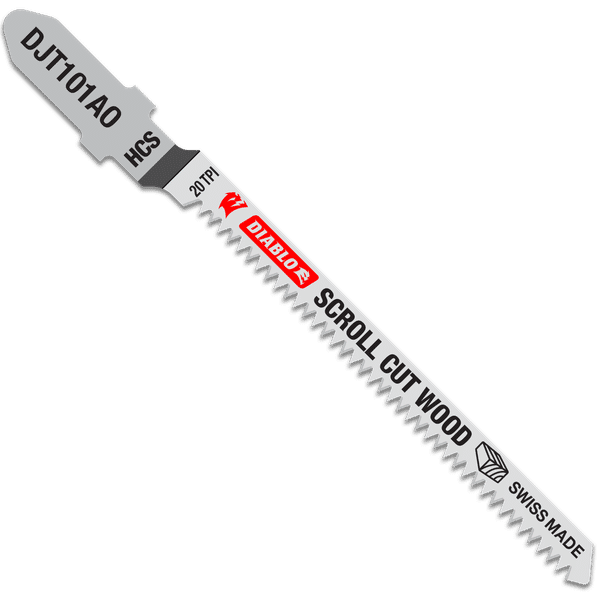
Tooth Count (TPI – Teeth Per Inch): More teeth per inch mean a finer cut. This is good for smooth finishes and intricate details. Fewer teeth per inch mean a coarser cut. This is faster but rougher. It’s good for basic shaping.
Tooth Shape: Teeth can be standard, hooked, or skip-tooth. Standard teeth are good all-around. Hooked teeth cut faster. Skip-tooth blades have gaps between sets of teeth. This helps clear sawdust and reduces the chance of the blade binding in soft materials.
Blade Width: Wider blades are stronger and better for straighter cuts. Narrower blades are essential for tight curves and sharp turns. You need a selection of both.
Material: Blades are made from different materials like carbon steel or high-speed steel. High-speed steel blades are more durable and can handle harder materials or cut faster.
For general-purpose scroll sawing, a blade with a medium tooth count (around 10-15 TPI) and a standard tooth shape is a good starting point. If you’re doing very fine inlay work, you’ll want a blade with 20+ TPI. For cutting thicker woods or for faster material removal, a blade with fewer teeth (5-9 TPI) and possibly a skip-tooth design might be better.
Always check the saw’s manual for recommended blade types and sizes. And don’t be afraid to experiment with different blades to see what works best for your projects.
Black & Decker Scroll Saw vs. Other Brands
When you look at scroll saws, Black & Decker is often positioned as a more budget-friendly option. Brands like Dewalt, Milwaukee, or Jet might offer more professional-grade features. Let’s compare them broadly.
Black & Decker:
Pros: Lower price, easy to use for beginners, good for light hobby work, compact.
Cons: Less powerful motors, fewer advanced features (like extensive speed control, high-end dust collection), may not handle thick or hard materials as well.
Mid-Range Brands (e.g., Delta, SKIL):
Pros: Better balance of features and price, often include variable speed, better build quality than entry-level.
Cons: Still might not match the power or durability of top-tier brands.
High-End Brands (e.g., Dewalt, Jet, General International):
Pros: Powerful motors, robust construction, advanced features like superior dust collection, precision adjustments, often designed for continuous use, wider throat depths.
Cons: Significantly more expensive, can be overkill for casual hobbyists.
Black & Decker’s strength is its accessibility. It lets someone try scroll sawing without a large upfront cost. If you find you love it and your needs grow, you can always upgrade later. For someone just starting or doing occasional detailed work, a Black & Decker is often a very sensible choice. It’s like choosing between a basic smartphone and a professional photography camera. Both take pictures, but they serve different levels of users and needs.
Who is a Black & Decker Scroll Saw Best For?
Based on typical features and price points, a Black & Decker scroll saw is best suited for:
Beginner Woodworkers: Those new to detailed cutting and shaping will find these saws easy to learn on.
Hobbyists and Crafters: People making ornaments, small decorative items, puzzles, or dollhouse parts.
DIY Enthusiasts: Those who need a tool for occasional intricate cuts in home improvement projects.
Students: For school projects or introductory woodworking classes.
Budget-Conscious Individuals: Anyone who wants to get into scroll sawing without spending a lot of money.
If you plan to cut thick hardwood for furniture, run a professional woodshop, or need a saw for very heavy-duty continuous use, you would likely need a more robust and powerful machine. But for countless home projects, a Black & Decker offers a great entry point.
Real-World Context: Projects You Can Make
What kind of things can you actually make with a Black & Decker scroll saw? The possibilities are pretty wide for creative folks.
Think about making custom signs for your home. You can cut out letters for a family name or a favorite quote. These can be for walls, doors, or even garden markers.
Puzzles are a classic scroll saw project. You can take a picture or a design and transfer it to wood. Then, carefully cut out the pieces. This makes for a very personal gift.
Dollhouse furniture is another area where scroll saws shine. The small scale and need for fine details are perfect for these saws. You can create tiny chairs, tables, or even intricate architectural elements.
Ornaments for holidays are very popular. You can cut out stars, snowflakes, animals, or custom shapes. These can be painted and hung on trees or displayed.
Small decorative boxes or containers are also feasible. You can cut intricate patterns into the sides or lids. Or create layered designs.
For the model builder, scroll saws are invaluable. They can cut out precise parts for architectural models, ship models, or airplane kits.
Even in larger woodworking projects, a scroll saw can be used for decorative inlays or custom cutouts. For example, adding a decorative border to a tabletop or cutting a unique handle shape.
The key is understanding the material and the saw’s capabilities. For a Black & Decker, sticking to wood up to about 1-1.5 inches thick, and avoiding extremely hard woods, will yield the best results.
Using Your Scroll Saw Safely
Safety is paramount with any power tool. Scroll saws, while not the most dangerous, still require care.
Read the Manual: Always start by reading your saw’s instruction manual. It has specific safety warnings and operating procedures.
Wear Safety Glasses: This is non-negotiable. Wood dust, chips, or even a broken blade can fly. Always protect your eyes.
Keep Hands Away From the Blade: Use push sticks or other tools to guide small pieces of wood. Keep your fingers at a safe distance from the moving blade.
Ensure Proper Blade Tension: An improperly tensioned blade can break. A loose blade can wander and cut inaccurately.
Clear the Work Area: Make sure your workbench is clean and free of clutter. This prevents accidents.
Use Dust Collection: If your saw has a dust port, use it. Dust can reduce visibility and is a respiratory hazard. Wear a dust mask.
Secure Your Workpiece: While you guide the wood, make sure it’s stable on the table. Don’t try to cut freehand without proper support.
Unplug When Changing Blades: Always unplug the saw before you change the blade or perform any maintenance.
Don’t Force the Material: Let the saw do the work. Forcing the wood can lead to kickback, broken blades, or damage to the motor.
Stay Focused: Avoid distractions while operating the saw.
By following these safety guidelines, you can enjoy your scroll saw projects without worry.
What This Means for Your Projects
Having a Black & Decker scroll saw means you can tackle detailed woodworking projects with confidence. It unlocks the ability to create delicate shapes and intricate designs that would be difficult or impossible with other tools.
It means you can personalize gifts. You can make home decor that truly reflects your style. It opens up possibilities for making puzzles or small toys. For those who love crafting, it adds a new dimension to their creative expression.
However, it also means understanding the tool’s limits. For large, heavy-duty lumber projects, this saw isn’t the right tool. You’ll need to choose your projects wisely to match the saw’s capabilities. It encourages thoughtful planning. You consider the material thickness, wood type, and complexity of the design.
It means that for many common home DIY and crafting needs, you have a capable and affordable tool at your disposal. It makes intricate work more accessible.
When is it Normal, and When Should You Worry?
It’s normal for a scroll saw to make some noise and vibration. It’s also normal for the blade to wear out and need replacing. Minor dust is to be expected, which is why good dust management is important.
You should start to worry if:
The motor makes strange grinding noises. This could indicate a serious internal problem.
The blade doesn’t move smoothly up and down. Jerky or uneven motion is a bad sign.
The saw struggles significantly with soft wood. This might mean the motor is weak or failing.
There are excessive sparks or smoke. This is a clear sign of motor trouble.
The blade keeps breaking, even with correct tension. This could point to a misalignment in the saw’s mechanism.
The saw seems to overheat very quickly. If it gets too hot to touch after just a few minutes of light use, there’s an issue.
If you experience any of these concerning issues, it’s best to stop using the saw. Consult the manual for troubleshooting steps. If the problem persists, contact Black & Decker customer support or consider if repair is worthwhile versus replacement.
Quick Tips for Better Scroll Sawing
Here are some easy tips to help you get the most out of your Black & Decker scroll saw.
Practice on Scrap Wood: Before cutting your final piece, always test your cuts on a similar scrap piece. This helps you find the right speed and pressure.
Use Sharp Blades: A dull blade makes cutting harder and can lead to rough edges. Keep a supply of sharp blades.
Support Your Workpiece: Make sure the wood is flat and supported on the table. Don’t let thin pieces overhang too much.
Take Your Time: Scroll sawing is about precision, not speed. Rushing leads to mistakes and potential accidents.
Turn Slowly: When making curves, avoid sharp, jerky turns. Gently guide the wood around the blade.
Keep the Saw Clean: Regularly clean dust from the saw. This helps it run smoothly and last longer.
Blade Alignment: Ensure the blade is properly aligned in its holders and has the correct tension.
Consider a Stand: If you don’t have a sturdy workbench, a dedicated scroll saw stand can provide stability.
These simple tips can make a big difference in the quality of your cuts and your overall experience.
Frequently Asked Questions About Black & Decker Scroll Saws
What is the primary use of a Black & Decker scroll saw?
The primary use is for cutting intricate shapes, curves, and detailed designs in materials like wood, plastic, and thin metal. They are ideal for hobbyists, crafters, and DIYers needing precision for decorative projects.
Can I cut metal with a Black & Decker scroll saw?
Some models can cut thin sheet metal. You must use the correct blade designed for metal and go slowly. Always check your saw’s manual for material compatibility.
How do I change the blade on a Black & Decker scroll saw?
Blade changing procedures vary by model. Generally, you loosen the blade tension, release the old blade from the upper and lower clamps, insert the new blade correctly, and re-tension it. Some models have tool-less clamps for easier changes. Always unplug the saw first.
What kind of wood can a Black & Decker scroll saw cut?
They are best for softwoods and hardwoods up to about 1 to 1.5 inches thick. They are not designed for very thick lumber or extremely hard exotic woods.
Is a Black & Decker scroll saw good for beginners?
Yes, Black & Decker scroll saws are generally considered good for beginners. They are often user-friendly, affordable, and less intimidating than more complex models.
How do I get smoother cuts on my scroll saw?
To get smoother cuts, use a sharp blade with a higher tooth count (more teeth per inch). Ensure proper blade tension, guide the wood slowly and steadily, and avoid forcing the material. Using a dust blower or vacuum also helps maintain visibility for cleaner cuts.
Conclusion
Black & Decker scroll saws offer a fantastic entry point for anyone wanting to explore detailed woodworking and crafting. They provide a good blend of functionality and affordability. For hobbyists and DIYers, they unlock the ability to create beautiful, intricate pieces that might otherwise be out of reach. Remember to choose the right blade, use the saw safely, and understand its capabilities. With a little practice, your Black & Decker scroll saw can become an indispensable tool for bringing your creative visions to life. It’s about making your mark, one precise cut at a time.
Sponsored / affiliate links. As an Amazon Associate I earn from qualifying purchases. I may earn additional commission from eligible campaigns.