Black Stain Vs Black Paint: Ultimate Guide to Choose Perfect Finish
Are you trying to decide between black stain and black paint for your next project? Choosing the right finish can completely change the look and feel of your space or furniture.
But which one is better for your needs? Black stain and black paint might seem similar, but they work very differently and give very different results. You’ll discover the key differences, pros, and cons of each option. By the end, you’ll know exactly which choice will bring your vision to life perfectly.
Keep reading to make the best decision for your project!
Black Stain Basics
Black stain is a popular choice for wood projects. It changes wood color while showing natural grain. It offers a rich, deep tone without covering the wood.
This section explains black stain basics. Learn what it is, how it works, and its types. Understanding these points helps in choosing the right product.
What Is Black Stain
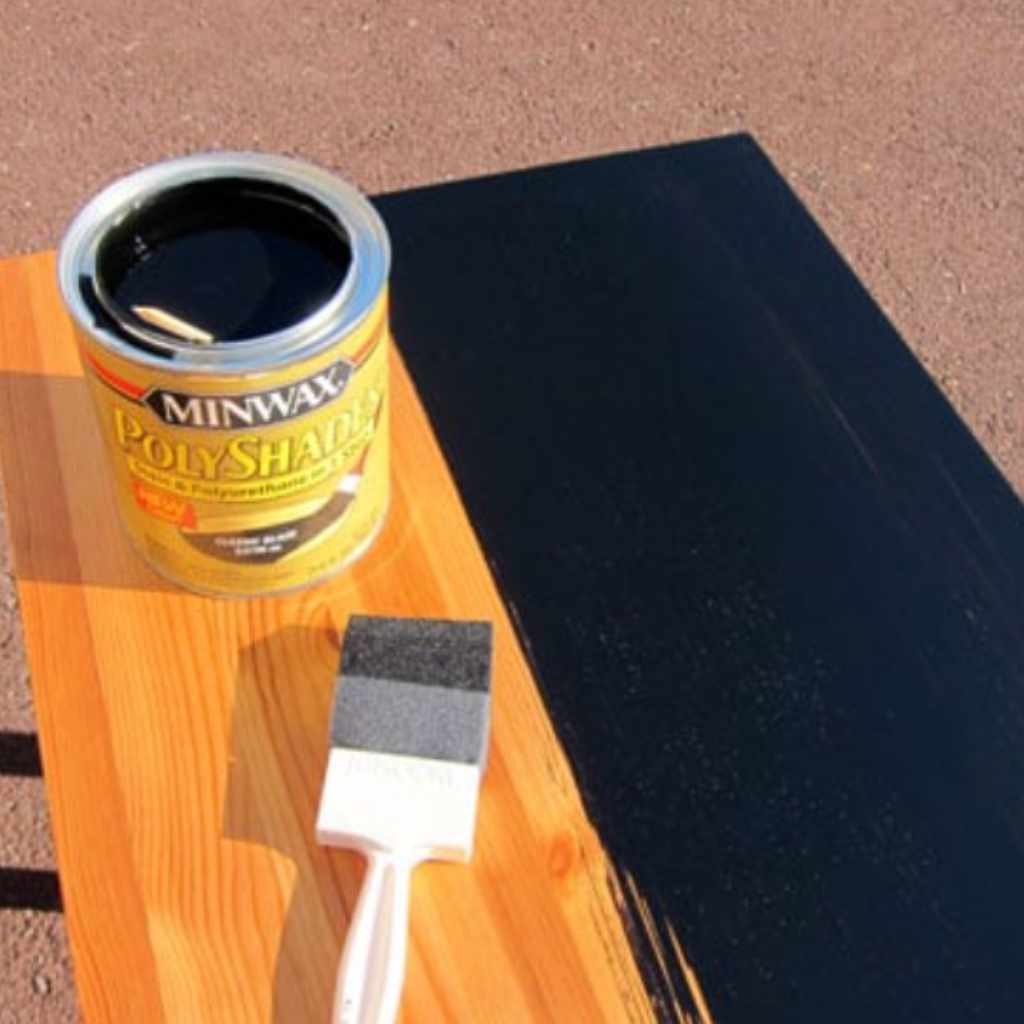
Black stain is a colored liquid for wood surfaces. It soaks into the wood instead of sitting on top. This allows the wood grain to remain visible. It is different from paint because it does not create a solid layer.
How Black Stain Works
The stain penetrates wood fibers and adds color from inside. It changes the wood tone but keeps the natural texture clear. Stains protect wood from water and sunlight too. The deeper the stain soaks, the longer it lasts.
Types Of Black Stains
There are oil-based and water-based black stains. Oil-based stains give a richer color and last longer. Water-based stains dry faster and have less odor. Gel stains are thicker and good for vertical surfaces. Choose a type based on the project needs.
Black Paint Essentials
Black paint is a popular choice for many projects. It creates a strong, bold look. Understanding the basics helps you pick the right paint and apply it well. This section covers the essentials of black paint.
Knowing what black paint is and its types can guide your decision. Also, the right application method can make your work last longer and look better.
What Is Black Paint
Black paint is a liquid coating that covers surfaces. It blocks light and gives a dark color. It can be made from different pigments and binders. The paint dries to form a protective layer.
People use black paint on walls, furniture, and art. It hides stains and creates a modern look. The quality depends on the ingredients and purpose.
Types Of Black Paint
Several types of black paint exist for different uses. Latex paint is water-based and easy to clean. Oil-based paint is tougher and lasts longer. Chalkboard paint lets you write on walls.
Spray paint is quick and smooth for small jobs. Matte paint has no shine and hides flaws well. Glossy paint shines and looks bright but shows marks.
Paint Application Methods
Applying black paint correctly is important. Brushes are good for edges and small areas. Rollers cover large flat surfaces fast and evenly.
Spray guns provide a smooth finish and save time. Each method needs different skills and tools. Proper preparation and drying time improve results.
Appearance And Finish
The appearance and finish of wood can change a room’s entire feel. Choosing between black stain and black paint affects how wood looks and feels under your touch. Both options create dark surfaces but differ in their visual impact and texture.
Visual Differences
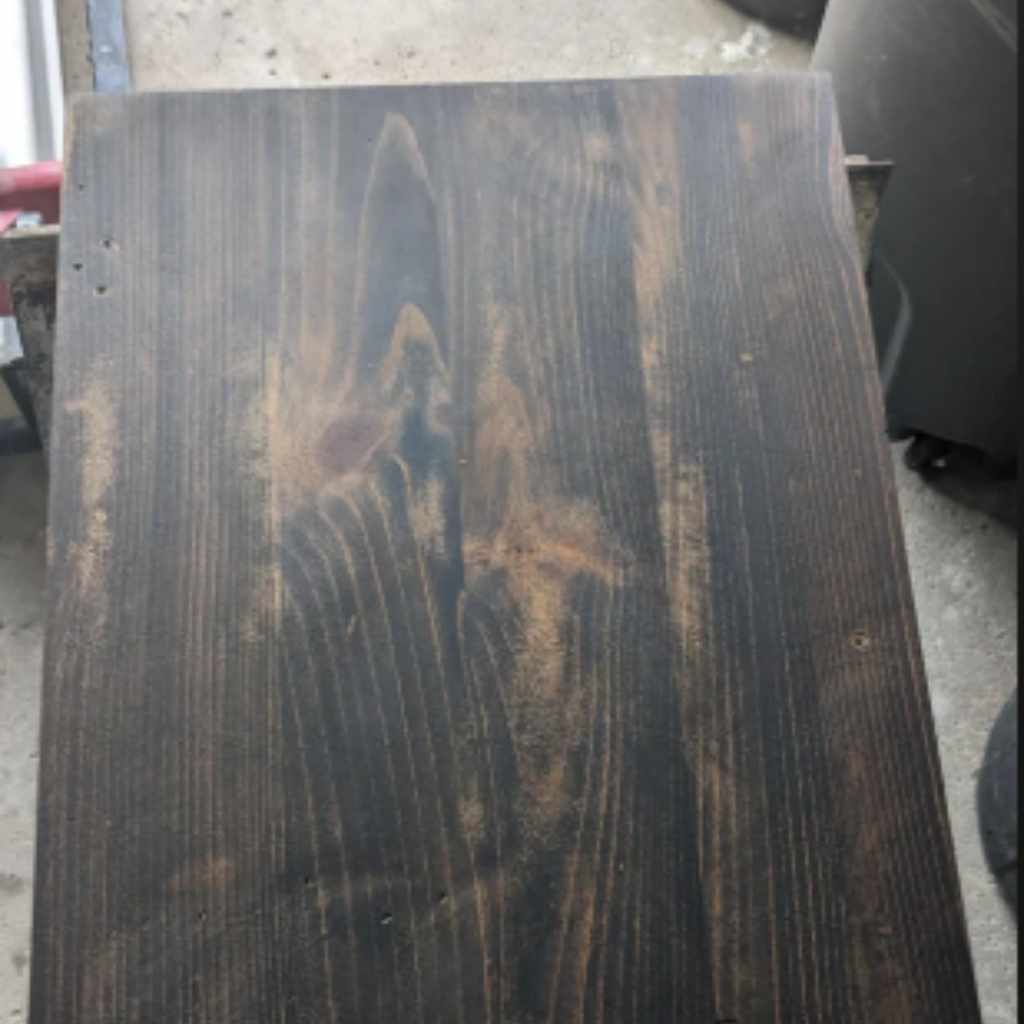
Black paint covers the wood completely. It blocks out all natural color and grain. The surface looks flat and solid. Black stain soaks into the wood. It darkens the wood but lets the natural pattern show. The wood looks richer and deeper with stain.
Texture And Sheen
Paint creates a smooth, even finish. It can be glossy, matte, or satin. The surface feels firm and sealed. Stain leaves a more natural texture. It feels closer to bare wood. Stains usually have less shine and appear softer.
Impact On Wood Grain
Paint hides the wood grain completely. The wood’s natural beauty is lost. Stain enhances the grain’s appearance. It highlights the lines and knots. The wood’s character stands out more with stain.
Durability And Maintenance
Durability and maintenance are key factors when choosing between black stain and black paint. Both finishes change wood’s look and feel. Yet, they differ in how long they last and how you care for them. Understanding these differences helps you pick the best option for your project.
Resistance To Wear
Black paint creates a thick layer on the wood surface. This layer protects wood from scratches and chips. It resists water better than black stain. Black stain soaks into the wood. It does not form a strong surface coat. Stains can wear off faster in high-traffic areas or outdoor use.
Cleaning And Upkeep
Cleaning black paint is simple. Wipe surfaces with a damp cloth to remove dirt. Paint hides stains and marks well. Black stain requires gentle cleaning. Harsh scrubbing can remove the stain or damage wood. Reapplying stain is easier but done more often than paint touch-ups.
Longevity Of Finish
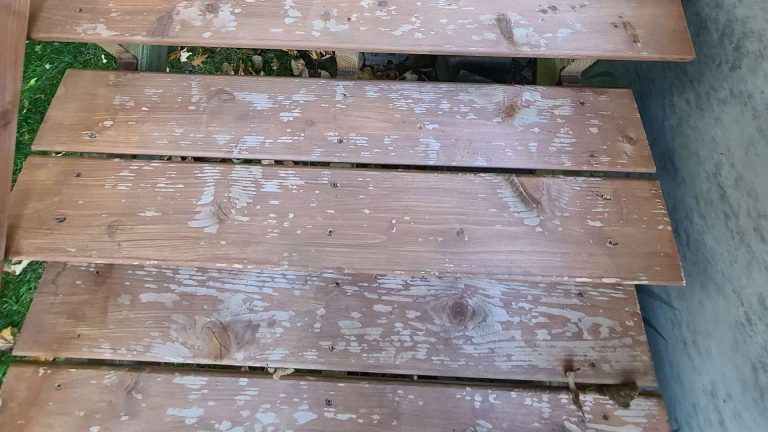
Paint lasts longer without needing reapplication. It protects wood for years. Black stain fades faster, especially in sunlight. It shows wood grain but needs re-staining every few years. Paint offers a solid, lasting finish. Stain offers natural beauty but less protection over time.
Application Process
The application process plays a key role in choosing between black stain and black paint. Each product requires a different method to deliver the best results. Proper steps ensure a smooth finish and long-lasting look.
Surface Preparation
Start by cleaning the surface thoroughly. Remove dirt, grease, and old finishes. Sand the surface lightly to create a smooth base. For stain, sanding opens the wood pores for better absorption. Paint needs a clean and dry surface to stick well.
Tools And Techniques
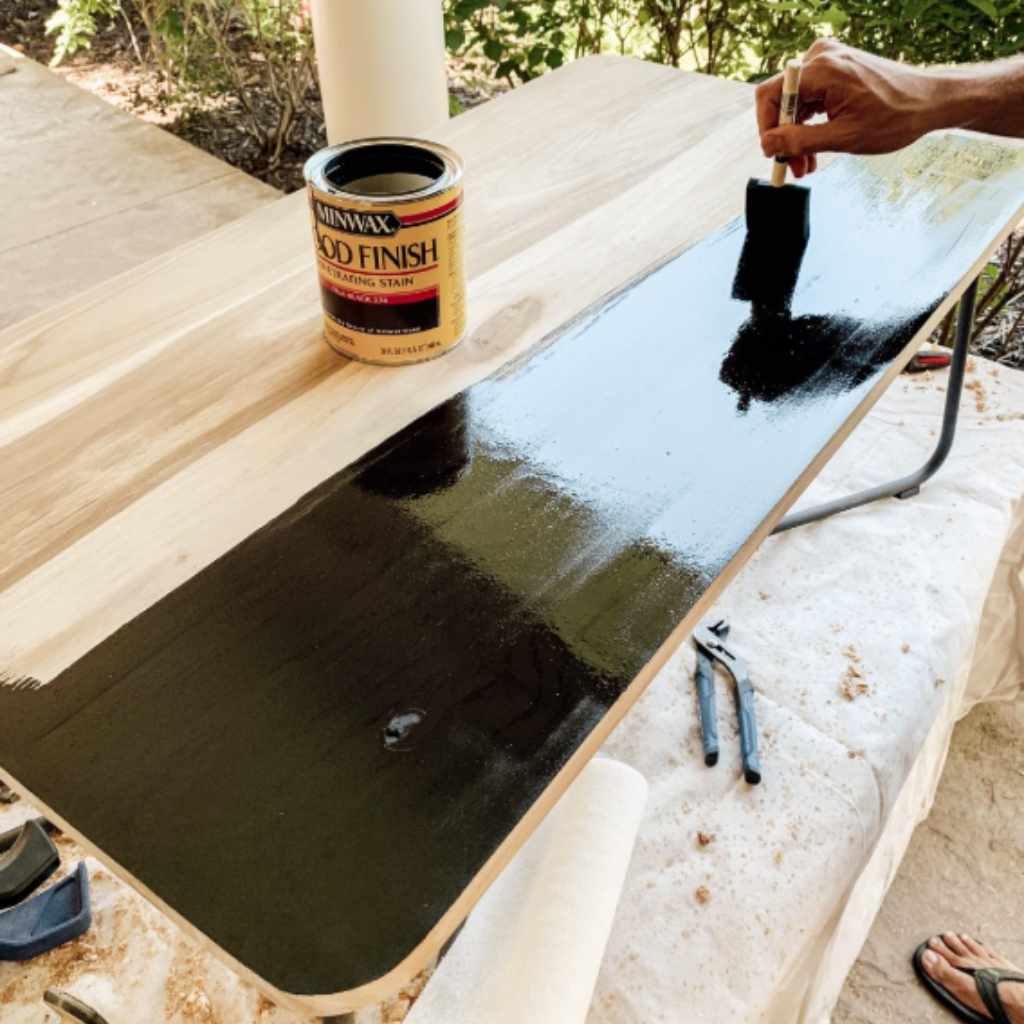
Use brushes or cloths for black stain. Apply in thin, even coats. Wipe off excess stain quickly to avoid blotches. For black paint, use a brush or roller. Apply multiple thin coats for full coverage. Avoid thick layers to prevent drips and uneven texture.
Drying And Curing Times
Black stain dries faster than paint. Usually within a few hours. Paint takes longer to dry and cure fully. Allow at least 24 hours between coats. Full curing may take several days. Follow product instructions for best results.
Environmental And Health Factors
Choosing between black stain and black paint involves more than just color and finish. Environmental and health factors play a big role in this decision. Understanding these factors helps you pick a product that is safer for you and the planet.
Toxicity Levels
Black paint often contains chemicals that can release harmful fumes. These fumes may cause headaches, dizziness, or breathing problems. Black stain usually has fewer chemicals but can still have some toxins. Look for low-VOC (volatile organic compounds) products to reduce health risks.
Eco-friendly Options
Many brands now offer eco-friendly black stains and paints. These products use natural ingredients and fewer harmful chemicals. They break down easier in the environment and cause less pollution. Choosing eco-friendly options helps protect nature and your health.
Ventilation And Safety Tips
Always use black stain or paint in a well-ventilated area. Open windows and doors to let fresh air in. Wear gloves and masks to avoid skin contact and inhaling fumes. Proper ventilation and safety gear reduce health risks during application.
Cost Considerations
Cost plays a big role in choosing between black stain and black paint. Understanding the price, effort, and overall value helps make a smart choice. This section breaks down the key cost factors to consider.
Price Comparison
Black stain usually costs less than black paint. Stains need fewer coats to cover wood. Paint requires more product for full coverage. The price difference depends on brand and quality. Stain can save money on materials.
Labor And Time Investment
Applying black stain takes less time than paint. Stain dries faster and needs fewer layers. Paint demands more prep and extra coats. Labor costs rise with paint’s longer process. Stain is easier for DIY projects too.
Value For Money
Black stain shows wood grain and lasts well. Paint offers a bold, solid look but may chip. Stain can be touched up without full redo. Paint might need repainting sooner. Stain often gives better long-term value for wood surfaces.
Best Uses For Black Stain
Black stain is a popular choice for wood finishing. It enhances the natural grain while adding a dark, rich color. Unlike black paint, it does not cover the wood texture. This makes it ideal for projects where wood’s natural look matters. Black stain works well indoors and outdoors. It also suits furniture and flooring. Understanding the best uses helps in choosing the right product.
Indoor Applications
Black stain gives indoor wood a sleek, modern look. It works great on walls, doors, and trim. The stain soaks into the wood, preventing peeling or chipping. It is perfect for cabinets and paneling. Using black stain indoors adds depth without hiding wood’s beauty.
Outdoor Applications
Black stain protects outdoor wood from weather damage. It resists water and sun fading better than paint. Use it on decks, fences, and garden furniture. The stain keeps wood breathable, reducing cracks and warping. It also highlights wood grain outdoors, enhancing natural appeal.
Furniture And Flooring
Furniture looks elegant with black stain. It adds character without losing wood’s texture. Use it on tables, chairs, and shelves. Flooring benefits from black stain by hiding dirt and scratches. It creates a bold, stylish floor that ages well over time.
Best Uses For Black Paint
Black paint offers a bold and versatile option for many projects. It creates strong contrast and adds depth. Its opacity covers surfaces completely, hiding imperfections well. Black paint suits both modern and classic styles. It works on many materials like wood, drywall, and metal. Below are some of the best uses for black paint.
Walls And Ceilings
Black paint can turn walls into dramatic features. It makes rooms feel cozy and intimate. Use it on one wall for an accent or on all walls for a bold look. Ceilings painted black add depth and make rooms feel taller. Black paint hides marks and stains better than light colors. It pairs well with bright furniture and light fixtures.
Trim And Moldings
Painting trim and moldings black creates sharp lines. It highlights architectural details clearly. Black trim contrasts well with white or light walls. It gives rooms a modern and clean look. Use black paint on baseboards, window frames, and door moldings. It is easy to clean and resists showing dirt or scuffs.
Creative Projects
Black paint suits many creative projects. It works well for furniture, picture frames, and crafts. Use it to create chalkboard surfaces for notes and drawings. Black paint can make art pieces stand out. It is ideal for DIY projects that need a solid, dark base. The paint dries quickly and covers evenly, helping projects look professional.
Common Mistakes To Avoid
Choosing between black stain and black paint can be tricky. Many make mistakes that affect the look and durability of their project. Avoiding these common errors helps get better results and saves time and money.
Application Errors
Applying stain or paint incorrectly can ruin the finish. Using too much product creates drips and uneven color. Not preparing the surface well leads to poor adhesion. Always clean and sand the wood before starting. Work in thin, even coats and let each dry fully.
Choosing The Wrong Finish
Black stain and black paint offer different finishes. Stain enhances the wood grain, while paint covers it completely. Picking the wrong type changes the final look. Consider the style you want and the wood’s condition. Glossy paint may highlight flaws, while stain hides them better.
Maintenance Pitfalls
Each finish needs proper care to last long. Black paint can chip or peel without regular touch-ups. Stain may fade if left unprotected from sun and rain. Use the right cleaning methods and avoid harsh chemicals. Reapply finish as needed to keep the surface looking fresh.
Tips For Choosing The Right Finish
Choosing the right finish for your wood project affects both look and protection. Black stain and black paint offer different results. Picking the right one depends on several factors. This guide helps you decide with clear tips.
Matching Style And Purpose
Think about the style you want. Black stain shows wood grain for a natural look. Black paint covers grain for a solid color. Use stain for rustic or classic styles. Use paint for modern or bold designs. Consider the purpose too. Stain works well for outdoor decks. Paint suits furniture and trim.
Considering Wood Type
Wood type affects how stain or paint looks. Softwoods like pine absorb stain unevenly. Hardwoods like oak take stain nicely. Paint covers wood type differences. Stain highlights wood patterns. Choose stain for nice wood grain. Choose paint for rough or knotty wood.
Evaluating Environmental Conditions
Environment impacts finish durability. Stain handles sun and rain well outdoors. Paint offers extra protection against moisture. For wet areas, paint prevents water damage. In dry places, stain keeps wood breathing. Choose finish based on weather and use.
Frequently Asked Questions
What Is The Main Difference Between Black Stain And Black Paint?
Black stain penetrates wood to enhance its grain, while black paint covers the surface. Stain shows wood texture, paint hides it completely.
Which Lasts Longer: Black Stain Or Black Paint?
Black paint generally lasts longer due to its thick protective layer. Stain may require more frequent reapplication to maintain color and protection.
Can Black Stain Be Used Outdoors Like Black Paint?
Yes, black stain can be used outdoors but needs regular maintenance. Paint offers stronger weather resistance, making it better for harsh outdoor conditions.
Does Black Stain Alter Wood Texture More Than Black Paint?
Black stain highlights and preserves the wood’s natural texture. Black paint creates a smooth, opaque finish that hides the wood grain.
Conclusion
Black stain and black paint both change wood’s look but in different ways. Black stain soaks into wood, showing its natural texture and grain. Black paint covers the wood surface fully, hiding the grain and texture. Stain usually lasts longer outside because it lets wood breathe.
Paint can peel or chip over time but offers solid color. Choose based on the look you want and how long you need it to last. Both have their place in wood finishing. Think about your project and pick what fits best.